Development and Pilot Testing of PrOFILE‐ST: A Pediatric Surgical Oncology Capacity and Quality Assessment Tool for Resource‐Limited Settings
Fernanda Kelly Marques de Souza, Simone de Campos Vieira Abib, Rodrigo Chaves Ribeiro, Débora Rebollo de Campos, Lily Saldaña Gallo, Raul Ramirez De la Cruz, Jaime Shalkow‐Klincovstein, Jesús Ponce‐Cruz, Mohammed Elnour, Amon Ngongola, Seith Kalota, Bruce Bvulani, Logan Houston

TL;DR
A new tool called PrOFILE-ST was developed and tested to evaluate and improve pediatric surgical care for childhood cancer in low-resource countries.
Contribution
The novel contribution is the creation and pilot testing of PrOFILE-ST, a surgical capacity and quality assessment tool tailored for resource-limited settings.
Findings
PrOFILE-ST includes 12 modules and 273 questions, revealing differences in surgical capacity between upper-middle-income and low-income countries.
Improvement priorities identified include fellowship development, standardized reporting, and multidisciplinary team discussions.
The tool effectively highlights strengths and weaknesses in pediatric oncology surgical care across diverse settings.
Abstract
The global incidence of childhood cancer is rising, with nearly 90% of cases occurring in low‐ and middle‐income countries (LMICs), where mortality remains high due to limited access to quality pediatric surgical care. To address this, the International Society of Pediatric Surgical Oncology (IPSO) and St. Jude Children's Research Hospital developed the Pediatric Oncology Facility Integrated Local Evaluation Surgical Tool (PrOFILE‐ST) to assess surgical capacity and quality in resource‐limited settings. PrOFILE‐ST was developed in three stages: construction, content validation, and pilot testing. The tool was refined over three years through biweekly team meetings and expert feedback. Pilot testing took place at six institutions across five countries (Sudan, Zambia, Peru, Mexico, Brazil), collecting both quantitative and qualitative data on surgical practices. Data was analyzed using…
Genes, proteins, chemicals, diseases, species, mutations and cell lines named across the full text — each resolved to its canonical identifier and authoritative record.
Click any figure to enlarge with its caption.
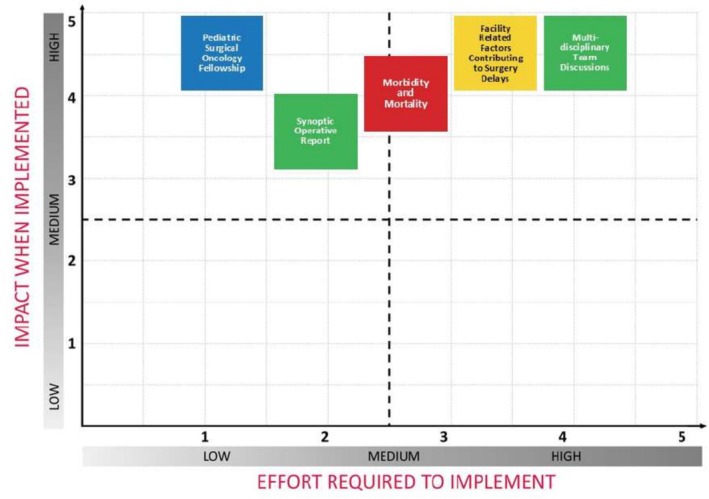 Figure 1
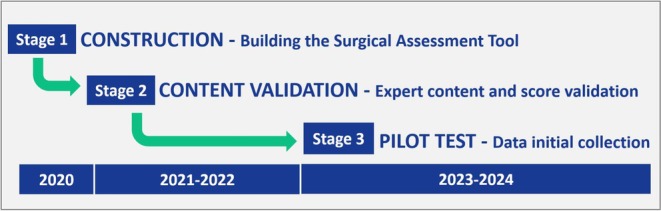 Figure 2
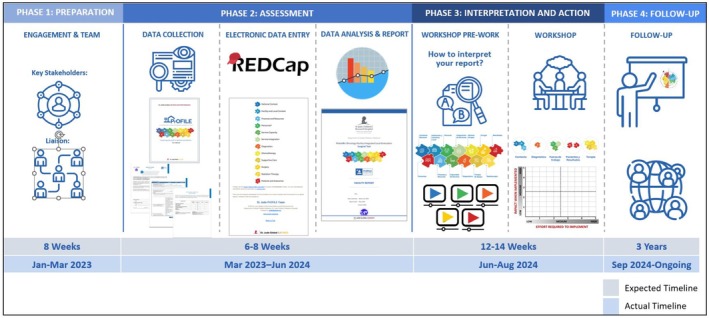 Figure 3
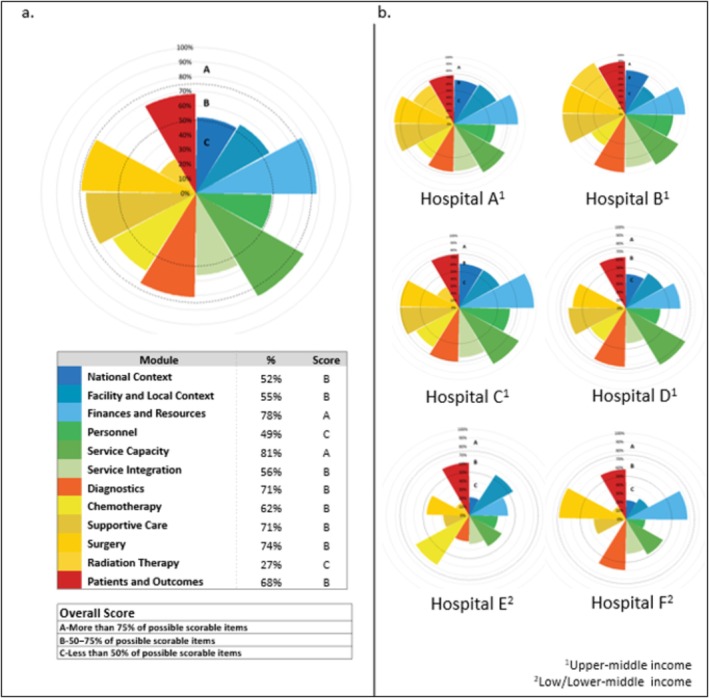 Figure 4
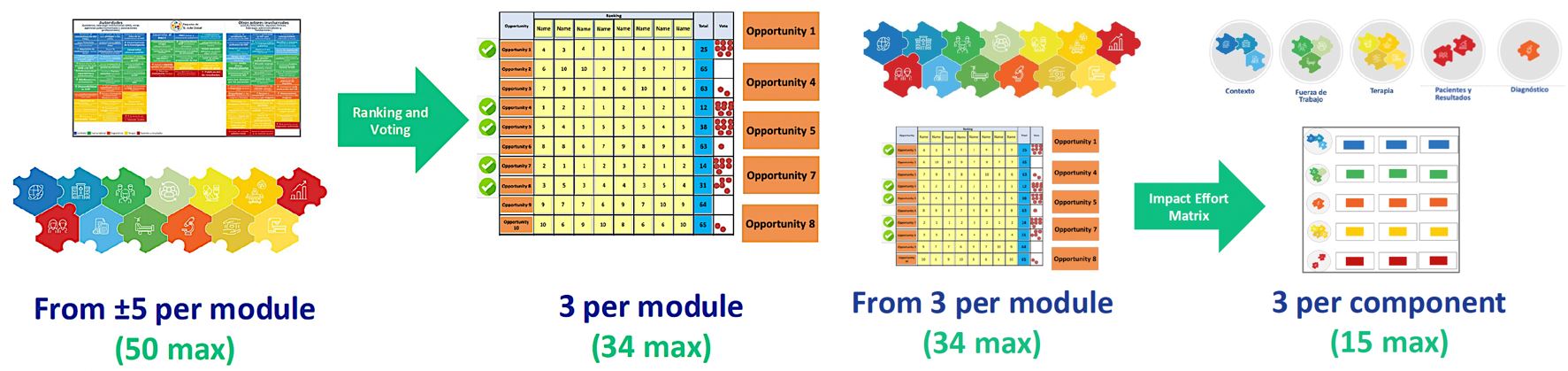 Figure 5
Peer Reviews
No public reviews on file for this paper yet. If you reviewed it on a platform where reviews are public (OpenReview, ICLR, NeurIPS, ICML), you can paste yours below so the community can read it here.
Videos
No videos yet. Explain this paper in a talk, walkthrough, or lecture? Add one.
Taxonomy
TopicsChildhood Cancer Survivors' Quality of Life · Advances in Oncology and Radiotherapy · Pancreatic and Hepatic Oncology Research