Gas chromatography for analysis and estimation of 13C at natural abundance level in fatty acids produced from Aurantiochytrium limacinum, a sustainable source of polyunsaturated fatty acid
Amina M. Dirir, Kaumeel Chokshi, Abdelmoneim H. Ali, Media Alhanawi, Mohan Rommala, Mayssa Hachem

TL;DR
This study explores the use of Aurantiochytrium limacinum for producing polyunsaturated fatty acids like DHA and analyzes their carbon isotope ratios using gas chromatography.
Contribution
The study introduces a sustainable microbial platform for DHA production and demonstrates the utility of compound-specific isotope analysis in tracking PUFA metabolism.
Findings
DHA was the most abundant fatty acid at the exponential phase of A. limacinum growth.
Compound-specific isotope analysis revealed distinct δ13C values for various fatty acids, indicating 13C depletion.
The study highlights the potential of CSIA in biomedical research, particularly for neurodegenerative diseases involving DHA.
Abstract
Aurantiochytrium limacinum (A. limacinum) is a promising microbial source of polyunsaturated fatty acids (PUFAs), particularly Docosahexaenoic Acid (DHA, C22:6n-3). In this study, we first optimized the culture conditions of A. limacinum ATCC MYA-1381 (strain SR21). Cell growth was monitored via optical density, cell counts, and glucose concentration. Cells were harvested at exponential and stationary phases, and lipids were extracted using a green method. Fatty Acid Methyl Esters (FAMEs) were prepared and analyzed using Gas Chromatography-Flame Ionisation Detection (GC-FID). At the exponential phase, DHA was the most abundant (65.6% of total fatty acids) followed by palmitic acid (C16:0) at 34.4%. At the stationary phase, Docosapentaenoic acid (DPA, C22:5n-3) and DHA were the most abundant at 45.4% and 33.9%, before respectively. Myristic acid (C14:0), myristoleic acid (C14:1n-9),…
Genes, proteins, chemicals, diseases, species, mutations and cell lines named across the full text — each resolved to its canonical identifier and authoritative record.
Click any figure to enlarge with its caption.
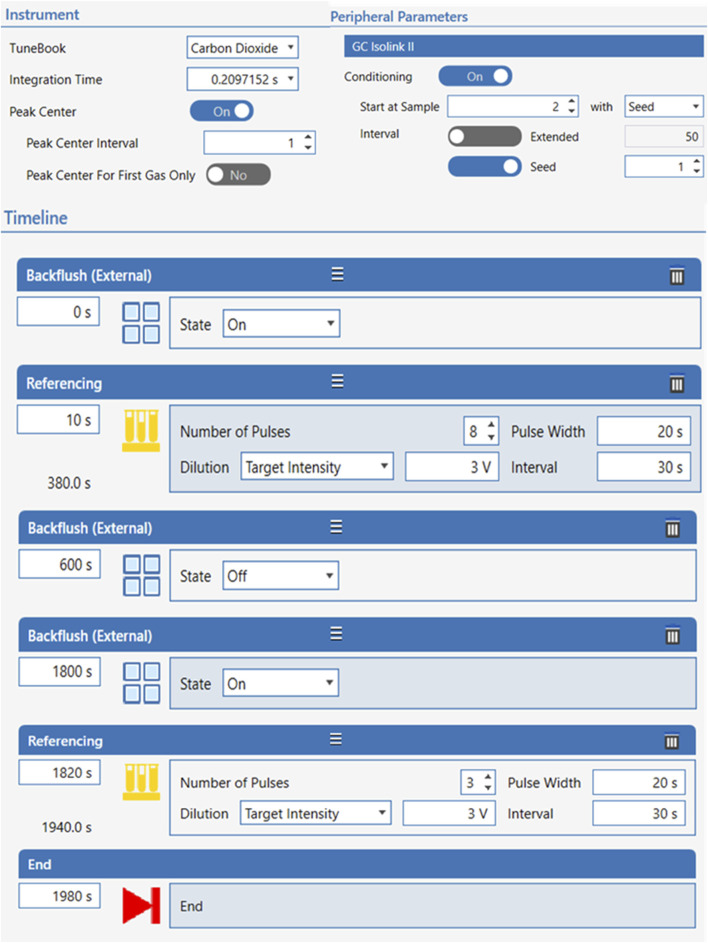 Figure 1
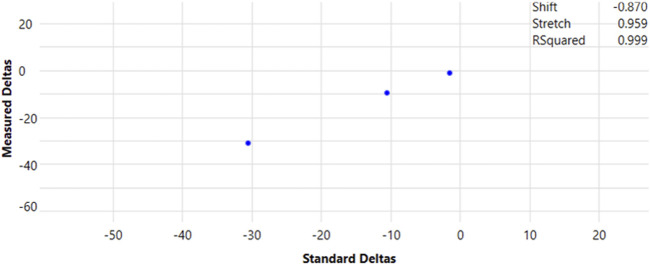 Figure 2
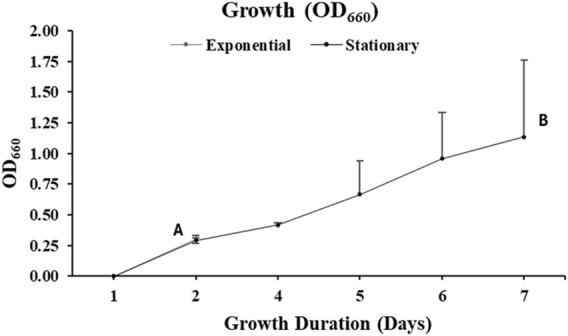 Figure 3
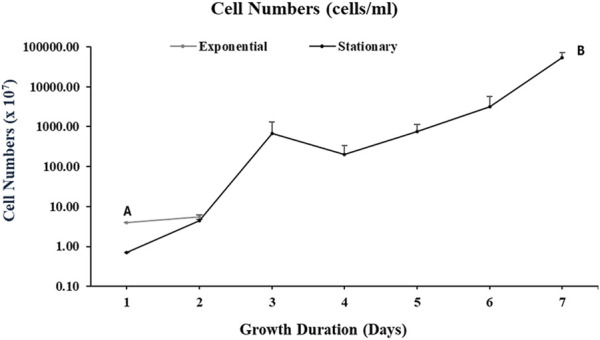 Figure 4
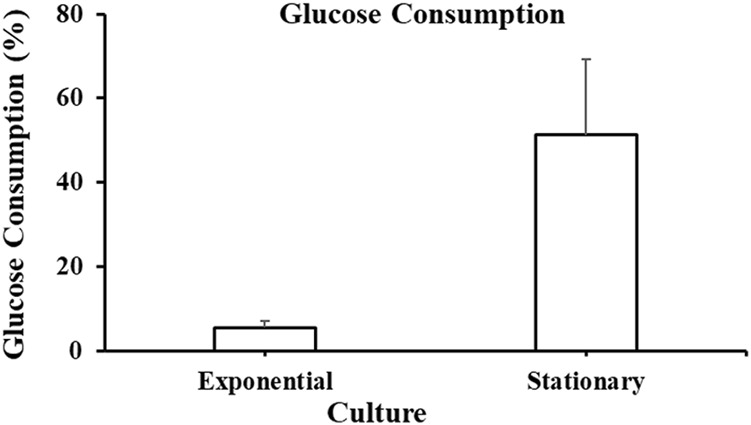 Figure 5
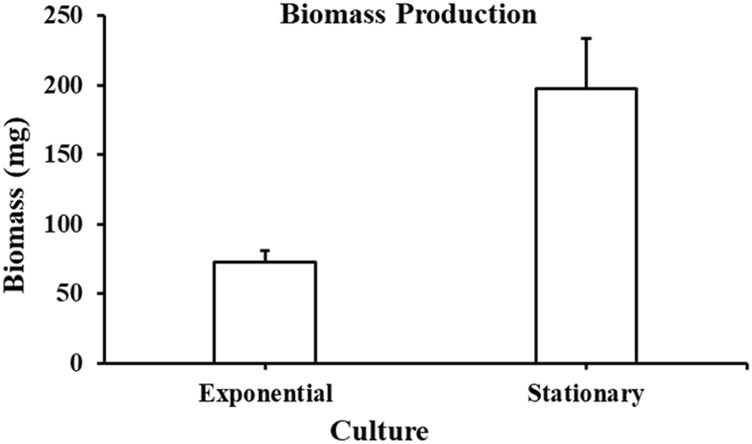 Figure 6
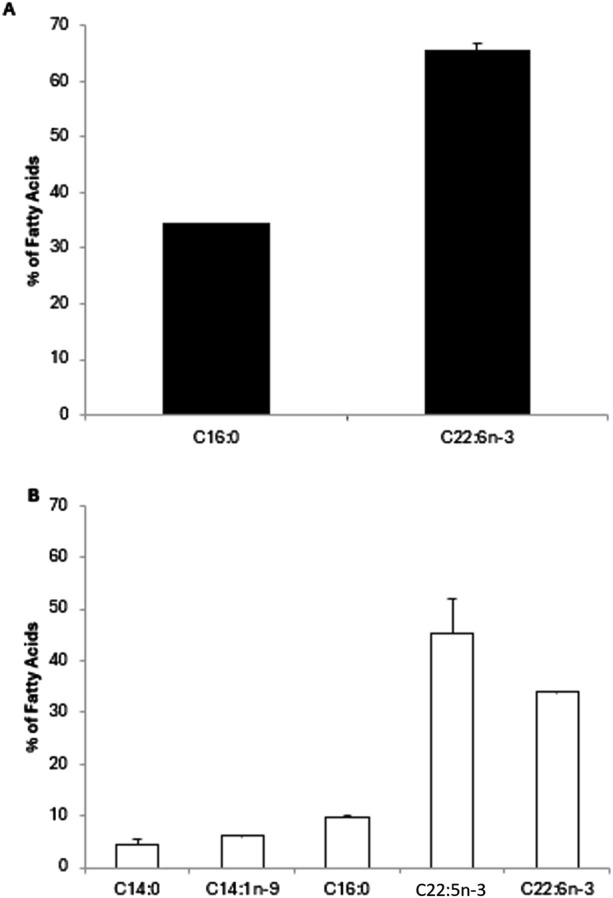 Figure 7
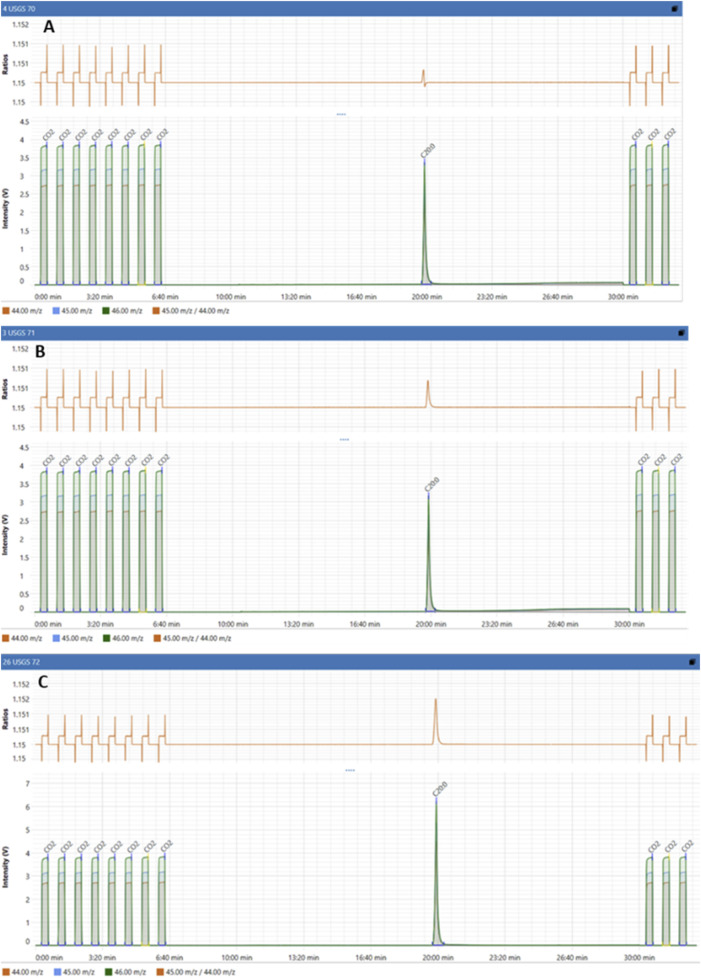 Figure 8
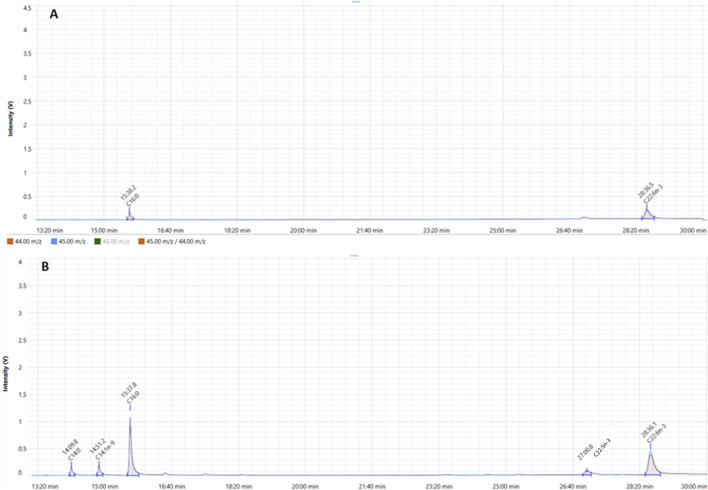 Figure 9
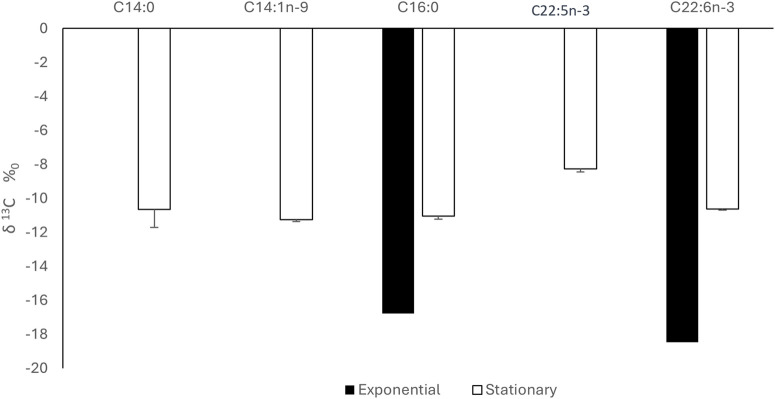 Figure 10
Peer Reviews
No public reviews on file for this paper yet. If you reviewed it on a platform where reviews are public (OpenReview, ICLR, NeurIPS, ICML), you can paste yours below so the community can read it here.
Videos
No videos yet. Explain this paper in a talk, walkthrough, or lecture? Add one.
Taxonomy
TopicsAlgal biology and biofuel production · Microbial Metabolic Engineering and Bioproduction · Lipid metabolism and biosynthesis