Evaluating the Drinking Water Distribution System of Lahore for Free-Living Amoebas, Particularly Naegleria spp
Ayesha Najam, Sana Ullah Iqbal, Waqas Ahmed, Rabia Tanvir, Haroon Akbar

TL;DR
This study found free-living amoebas, including Naegleria spp., in Lahore's water systems, highlighting a potential health risk.
Contribution
The study specifically identifies Naegleria spp. in Lahore's water and recommends routine screening for N. fowleri.
Findings
Naegleria spp. were detected in three zones, including the Lahore canal and swimming pools.
Amoebas were found in 82.2% of mosque water samples.
Temperature positively correlated with amoeba presence, while pH showed a negative trend.
Abstract
Free-living amoebas are ubiquitous in distribution systems and recreational waters. Numerous studies have described the problem posed by their presence in the drinking water distribution systems of Lahore; however, very few studies have been done on Naegleria spp., particularly Naegleria fowleri that causes primary amoebic meningoencephalitis. In this study, we aimed to screen for the free-living amoebas in 100 water samples from nine zones in Lahore. These samples included water from mosques (n = 45), homes (n = 45), swimming pools (n = 10), and the Lahore canal. Cysts (3–4 μm) and rounded trophozoites (4–5 μm) along with elongated trophozoites (8–10 μm) were observed to be present in 37 (82.2%) water samples from mosques. In water from homes, we detected rounded trophozoites (5 μm) and elongated trophozoites (10 μm) from the Lahore canal. There was also a positive association with…
Genes, proteins, chemicals, diseases, species, mutations and cell lines named across the full text — each resolved to its canonical identifier and authoritative record.
Click any figure to enlarge with its caption.
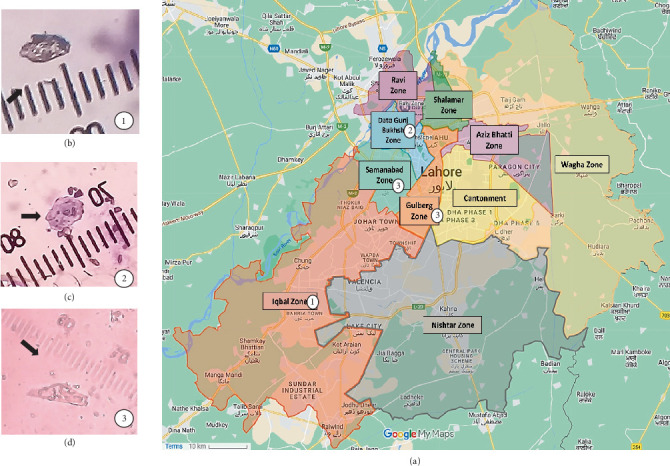 Figure 1
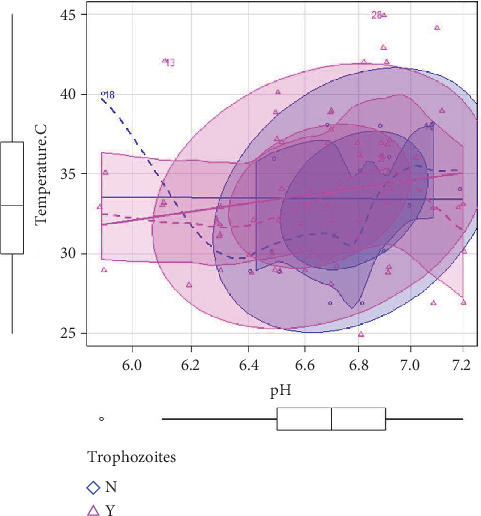 Figure 2
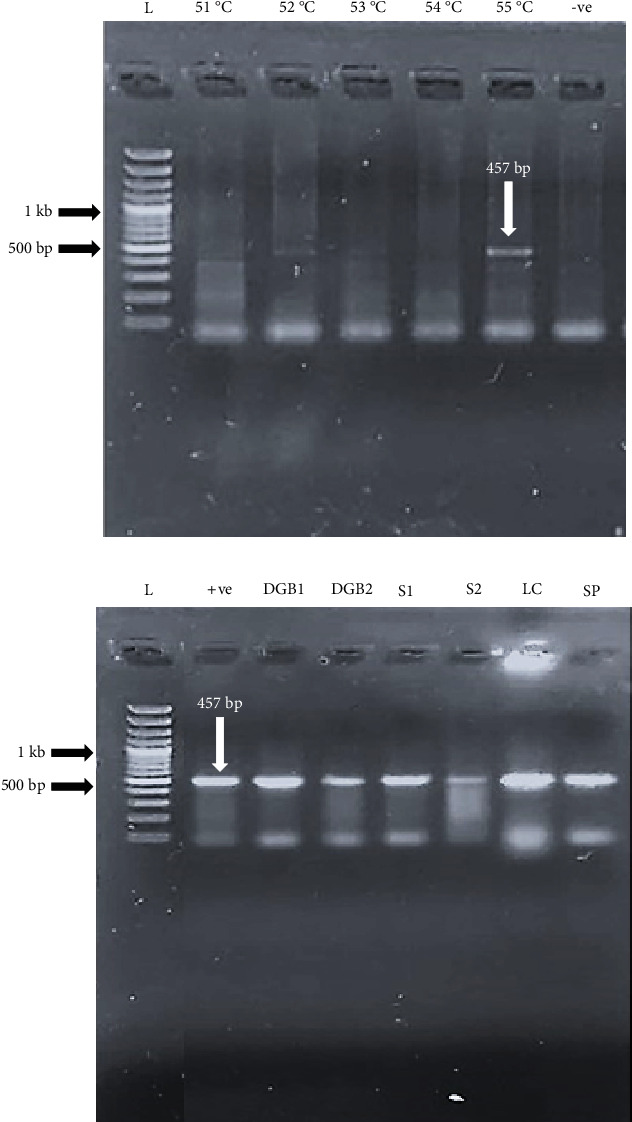 Figure 3
 Figure 4
 Figure 5
Peer Reviews
No public reviews on file for this paper yet. If you reviewed it on a platform where reviews are public (OpenReview, ICLR, NeurIPS, ICML), you can paste yours below so the community can read it here.
Videos
No videos yet. Explain this paper in a talk, walkthrough, or lecture? Add one.
Taxonomy
TopicsLegionella and Acanthamoeba research · Vibrio bacteria research studies · Water Treatment and Disinfection
1. Introduction
Free-living amoebas (FLAs) are the group of protists, which are distributed across soil and freshwater environments [1]. Originally found in the terrestrial biomes, they have been studied for their presence in drinking water distribution systems (DWDSs) and in recreational waters such as swimming pools [1, 2]. Among them is a genus Naegleria that is amphizoic and widely distributed as both free living and parasites. These species include Naegleria fowleri, Naegleria italica, Naegleria philippinensis, and Naegleria australiensis [3]. Among them, N. fowleri is the only one recognized as pathogenic. It is commonly known as “brain-eating amoeba” and is the causative agent of primary amoebic meningoencephalitis (PAM), a rare but fatal infection with a mortality rate of 95%–99%. Recent studies have shown that Pakistan has the second highest prevalence of Naegleria infections globally, with reported cases surpassing those documented in the United States over the past 50 years [4]. Since N. fowleri is also a thermophile, its infections are increasing with the increasing heat waves due to climate change [5]. Pakistan is among those countries that have been vulnerable to them because of its geographical location displaying the devastating effects of climate change. Despite producing only < 1% of the world's greenhouse gases, the effects of climate change have been disastrous especially in the form of worsening heat waves. Such temperatures have resulted in the emergence of N. fowleri as a growing problem of the water distribution system in the country [4]. Studies have reported that the majority of the cases are registered during the summer and premonsoon period. Such studies have focused on understanding the correlation of climate change with the presence of N. fowleri in the water bodies of Pakistan [6].
Although N. fowleri normally resides in freshwater habitats with temperatures above 35°C up to 46°C for its growth such as rivers, lakes, and even in hot water springs, in Pakistan, it has been reported in reservoirs that contain nonchlorinated water from the municipal water supply [5, 7]. In the megacity of Lahore, water scarcity is common; a reliance on water storage tanks has increased the risk of acquiring its infection [8]. Being the second most populated city in Pakistan and also being a provincial capital, the need for storing water in Lahore is even greater because of the decreasing level of groundwater. A point to consider is that all the water used for drinking in the city is acquired by drilling and storage is done in water tanks prior to chlorination or filtration [2]. In the summertime (April to June), temperatures normally soar higher than 40°C reaching 48°C–49°C in the recent years due to the unfortunate impact of climate change. N. fowleri is reported to thrive in hot temperatures (40°C–46°C) with its associated infections mostly reported throughout April to September since the summer has become longer—another impact of climate change. Not to mention, the humid conditions prevailing in monsoon (June to September) and poor chlorination of the domestic water supplies make the conditions even more favorable for its proliferation [9, 10].
FLA lifecycle involves a vegetative form (trophozoite) and a nonvegetative dormant form (cyst); however, Naegleria spp. also possess an additional form (flagellate) [1]. Previous studies have reported that N. fowleri can infect from the olfactory route from where it enters the nasal cavity and travels to the brain. There it results in a lethal infection called PAM [11], with a mortality rate of 95%–97% [7, 12]. The chances of acquiring this infection are higher in individuals performing activities that render water in the nasal cavity. One example is a ritual in Islamic faith called ablution, that is, rinsing of the nasal cavity with water. Since Pakistan is a Muslim country, this practice is common before offering of prayers in a mosque [7, 13]. Previous studies have speculated that the patients for PAM infection could have acquired the amoeba through this route [14] by using municipal water [1].
The incidence of diseases associated with FLA-related diseases has been increasing in DWDS [1]. For our study, the foundational data and contextual background were provided by the first report on the occurrence and distribution of pathogenic FLAs in the DWDS of Pakistan, conducted by Yousuf et al. [8]. This study highlighted the presence of Acanthamoeba spp. and N. fowleri in 38% of DWDS samples in Karachi, with 8% of the samples containing N. fowleri. Their findings prompted the need for continued surveillance, and the screening of FLAs from water samples stored in domestic tanks in the study directed our approach. Given the similar water storage practices in Lahore, we extended our assessment to detect the presence of FLAs, particularly Naegleria spp., in its water distribution system.
2. Material and Method
2.1. Sampling and FLA Staining
In order to determine the presence of FLAs particularly Naegleria spp. in water samples of Lahore, Pakistan (31°32′58.99^″^N, 74°20′37^″^E), a total of 100 samples were collected from nine zones (Ravi zone, Shalamar zone, Wagha zone, Aziz Bhatti zone, Gulberg zone, Samanabad zone, Data Gunj Bakhsh zone, Iqbal zone, and Nishtar zone) across the city (Figure 1). The reason for choosing these locations was that the City District Government Lahore (CDGL) has divided the city of Lahore into these nine zones [15]. The samples included water from mosques (45/100), homes (45/100), and recreational places (10/100) including the Lahore canal and private swimming pools in the area. The samples were collected from April to September with average temperatures ranging from 25°C to 45°C. They were taken midstream in 2-L narrow-mouth sterile bottles and kept at 4°C until processing within 24–48 h [16]. pH and temperature were taken at the site at the time of sampling.
The collected sample was centrifuged at 4000 rpm for 5 min to obtain a sediment pellet. Giemsa staining was performed on this pellet as described by Hebbar et al., [17], and the slides were observed under a microscope at 10X and 40X magnifications. Only the samples showing cysts and trophozoites were further processed for culturing.
2.2. FLA Culturing
The sediment pellets were suspended into two media, 1 mL of Page's amoeba saline media [18] poured into nonnutrient agar with a lawn of Escherichia coli [19] and nutrient agar with heat-killed E. coli [20]. The plates were incubated at room temperature and checked daily for plaque formation. The number and size of the plaques were documented.
2.3. DNA Extraction and PCR
DNA was extracted using the method of Moré et al. [21] with little modification. Briefly, the amoeboid plaques were cut from the media plates into small pieces to add to a PowerBead tube. Further protocol was followed as provided by the Exgene Soil DNA mini kit (GeneAll Biotechnology, Korea) manufacturer. The DNA purity and yield were determined using ND-1000 NanoDrop spectrophotometer (Thermo Scientific, United States).
The PCR amplification was carried out for Naegleria spp. using the primers Fw2 and RV2 as mentioned by Panda et al. [22]. Before the amplification, a gradient PCR was applied to determine the annealing temperature of the primer sets as described by Porta and Enners [23]. A temperature range of 51°C–55°C was set according to the melting temperatures (Tm) of the primers (Tm–5°C) [24]. After determination of the annealing temperature, the PCR amplification reaction was carried out with a final volume of 25 μL of reaction mixture containing 75 ng of DNA, and the PCR was carried out in 30 cycles with initial denaturation (94°C, 30 s), annealing (55°C, 30 s), and extension (72°C, 30 s). The amplified products were visualized by agarose gel electrophoresis using a 2% gel. The expected product for Naegleria spp. was between 408 and 457-bps fragment [22].
2.4. Statistical Analysis
Analysis was done using partial coefficient analysis with three variables, temperature, pH, and the presence of trophozoites. Ordinal regression model using logit link function was also run on the data to determine the association with temperature and pH with the predictor variable being the presence of trophozoites. The analysis was carried out using SPSS software Version 29.0 (SPSS, https://www.ibm.com). A value of p ≤ 0.05 was considered as statistically significant.
3. Results
3.1. Giemsa Staining and FLA Culturing for Amoeboid Plaque Formation
The staining of the pellet revealed that at 10X and 40X magnification, out of the 45 samples for mosque water, 37 (82.2%) samples contained cysts and trophozoites. The cysts (3–4 μm) and rounded trophozoites (4–5 μm) were observed along with elongated trophozoites (8–10 μm) which also displayed amoeboid plaques (Figure 1). In a sample from Shalamar zone's Baghbanpura mosque (2.2%), no plaques were observed, and in a sample from Gulberg zone's Fazil mosque (2.2%), no trophozoites were seen; however, amoeboid plaques were observed. Majority of the samples, that is, 16, showed only 1 plaque formation, 8 water samples showed 0 plaque formation, and 1 sample showed 11 plaque formation (Table 1).
In the case of water from domestic taps, we detected rounded trophozoites (5 μm) and plaque formation in 35 (77.7%) samples, and no trophozoites and/or plaques were seen in 10 (22.2%) samples. The highest number of samples (12) showed only 1 plaque formation and 11 samples resulted in 0 plaque formation whereas 1 sample showed as many as 10 plaque formations. The water from the famous Lahore canal contained elongated trophozoites (10 μm) (Figure 1) that resulted in plaque formation as well. Although trophozoites were observed in one water sample of a private swimming pool, no plaques were observed in this or the other two samples (n = 3, 0%).
3.2. Effect of Temperature and pH
The water samples were taken during the duration of the entire summer season, that is, April till September; therefore, the average temperature ranged from 25°C to 45°C. Among the water samples, the highest temperature was recorded to be 45°C from a Begum Kot home and 44°C from a Badami Bagh home. Both homes were located in the Ravi zone area. In four other samples, one from a home in the Shalamar zone, the temperature was recorded as 43°C, and in three samples from mosque waters (Data Gunj Bakhsh, Samanabad, and Ravi zones), the temperature was recorded as 42°C. The presence of trophozoites was also noted for these samples, and ordinal regression model using logit link function was run on the data. It was observed that an increase in temperature (≥ 38°C) was associated with an increase in the odds of the presence of trophozoites with an odds ratio of 20.329 (95% CL).
The pH values were also determined for the samples, and a variation was noted with the pH ranging from 5.9 to 7.2. Using the ordinal regression model with a logit link function, it was determined that an increase in pH (7.0) was associated with a decrease in the presence of trophozoites with an odds ratio of 2.001 (95% CL) (Table 1). A bivariate scatterplot diagram with shaded ellipses corresponding to 95% confidence intervals for each group also displayed a similar trend for pH and temperature (Figure 2). It supported the suggestion that trophozoites were primarily detected in water samples with moderately high temperatures (30°C–38°C) and near-neutral pH levels (6.4–7.0). Despite an overlap in the temperature and pH between positive and negative samples, slight differences in their central trends suggest preferential growth conditions for the trophozoites.
3.3. Detection of Naegleria spp.
The gradient PCR exhibited a light band for the 408-bp amplicon for Naegleria spp. at the annealing temperature of 52°C; a light band for the 457-bp amplicon for the Naegleria spp. was observed at the temperatures 52°C and 53°C. A bright band for the 457-bp amplicon was seen at the temperature 55°C (Figure 3a).
For the PCR amplification, the amoeboid plaques of samples from the same sources were pooled together. The positive amplicon of 457 bp was observed for the Naegleria spp. in the water samples of mosques and tap water from Data Gunj Bakhsh zone and Samanabad zone. This amplicon was also seen in the pooled tap water samples of Iqbal zone; however, no amplicons were observed in its mosque water. The pooled samples for mosques and tap water from the remaining six zones showed no amplification of the 457-bp amplicon. The samples from the Lahore canal and the pooled samples from the private swimming pools also showed the positive amplicon for Naegleria spp. (Figure 3b).
4. Discussion
The presence of FLA has become an increasingly important issue in the DWDS and recreational water facilities. It is because they are ubiquitous organisms and are able to thrive in a variety of environmental conditions [5]. Pakistan has the second highest prevalence rate of infections caused by Naegleria. In the previous year, it caused the loss of seven lives in different cities, with one death reported from Lahore [6]. Apart from a few recent studies on the presence of FLA in the waters of Lahore, very little information exists, especially on the presence of amoeba that causes serious infections such as PAM in this megacity. Therefore, to the best of our knowledge, our study is the first of its kind that involves the screening of DWDS for FLAs provided to homes, mosques, and recreational waters in the nine zones of Lahore. A recent study by Nadeem et al. [4] corroborates this fact that no study has researched the cases of N. fowleri from Lahore in the past 8 years, and the data on its infections are either not considered or missing from the health care settings.
Our study showed that cysts and trophozoites were present in the water from both mosques and homes along with the water from the famous Lahore canal. It is not surprising since the canal water is muddy and used for irrigation purposes. However, what is alarming is that this canal is a famous spot for swimming by the locals and at one time as many as thousands of people were seen swimming in it to cool off from the scorching heat [25]. More alarming is the fact that these cysts and trophozoites were observed in the DWDS supplied to the mosques and homes through the water and sanitation agency (WASA), Lahore (https://wasa.punjab.gov.pk). They claim that they carry out the treatment processes through chlorination and sometimes filtration. However, as mentioned by a previous study, there is no monitoring implemented for its proper functioning [4] which is indicative of the results of our study. It should be mentioned that the presence of biofilms in the water distribution system might also contribute to the presence of the cysts and trophozoites. The pipe wall biofilms have been found to promote and proliferate the growth of amoeba and protect them against the commonly used disinfectants such as chlorine. Other factors that may be contributing to the presence of these FLAs may include distance from the treatment plant, less concentration of residual chlorine, material of the pipes, and higher water temperature [1]. The factor related to high water temperature is especially notable in our study where the temperature of the water samples ranged from 25°C to 43°C in the duration of the summer months (April to September). It is a possibility that the increased number of cysts and trophozoites observed in our study may be due to this factor. This is also supported by the positive result of PCR amplification for Naegleria spp. in the water from both mosques and domestic taps from different zones of Lahore. Therefore, it can be said that there was a trend of positive association with temperature for the presence of trophozoites.
Interestingly, however, a trend of negative association was observed with pH despite previous studies reporting the effect of pH to be negligible [26, 27]. It may be because these studies mention this effect in untreated water (brackish water or groundwater aquifers) and not in treated water as in our study. Our findings support the established fact that the alkaline pH might support and enhance the nonviability of Naegleria spp. [28]. This conclusion falls in line with the known treatment of recreational and drinking water reservoirs for enhancing human safety through chlorination. Since liquid chlorine is alkaline, it can raise the pH for better disinfection against Naegleria spp. Still, there may be a problem if excessive chlorination is carried out as pointed out by Kumar et al. [29] that it results in disinfection byproducts such as trihalomethanes (THMs) that are carcinogenic. Therefore, a carefully monitored and expert use of chlorination is recommended against them. A study by Zahid et al. [2] on the effect of chlorine in drinking water in Lahore described that a concentration of 5 mg/L^−1^ was required to stop the growth of trophozoites and cysts of Allovahlkampfia spelaea, Vermamoeba vermiformis, and Acanthamoeba spp. Among these protozoans, Allovahlkampfia spelaea has been reported previously to belong to the Vahlkampfiidae family that are *Naegleria-*like in morphology, frequency of isolation, environment, and thermotolerance [30]. Therefore, it can be assumed that the concentration described for Allovahlkampfia spelaea can be applied for the Naegleria spp., though more studies are required to test this assumption.
The samples in our study tested positive for Naegleria spp., which may include the species responsible for PAM. A previous study by Nageeb et al. [30] confirmed that out of the 47 Naegleria species, the only species that caused PAM was N. fowleri. Therefore, the possibility that Naegleria spp. were found in the water samples is alarming because the chances of the presence of N. fowleri are there. The cases of PAM reported in Lahore also suggest this possibility as one case was reported in 2017 [31] and the latest was reported in 2023 [4]. In the water samples of two zones (Data Gunj Bakhsh zone and Samanabad zone) of the city, Naegleria spp. were indicated in the municipal water provided to mosques and taps, and it was alarming to note that both the zones were of the oldest and the most densely populated part of the city. Not to mention the DWDS in these areas needs continuous monitoring, and a study by Fatima et al. [32] showed that the water from Samanabad zone contained coliforms. Our results are not so different from the ones reported by Zahid et al. [2] in the same zones of the city. It is interesting to note that the presence of FLAs in domestic and recreational waters is not limited to underdeveloped countries such as Pakistan; recent studies have indicated the presence of such pathogenic amoeba in chlorinated tap and drinking water distribution tanks in developed countries such as China and Australia [33, 34]. In our study, the other sample with the indication of Naegleria spp. was from the Lahore canal that is used for irrigation purposes of the land outside the city and another from a private swimming pool. Since the genus Naegleria is amphizoic that can survive in water as well as soil, the presence of its species in the muddy water of the canal would not be surprising. For this reason, a study by Zain et al. [35] recommended that people should be discouraged from using the local canal water. The presence of Naegleria spp. in the swimming pool is a serious issue, and the recent case of N. fowleri reported in Lahore corroborates our result. It was of a man who had the history of swimming in a local pool although the source of the fatal infection was not confirmed [35].
In conclusion, we detected trophozoites in DWDS of mosques and homes and Lahore canal water samples with plaque formation. The screening through PCR confirmed the presence of Naegleria spp. in the samples from three zones (Data Gunj Bakhsh zone, Samanabad zone, and Iqbal zone), Lahore canal, and private swimming pools. Even though we did not determine the presence of N. fowleri in our study, still the presence of Naegleria spp. is enough evidence for a possibility of its presence as well as a strong base necessitating the routine screening of DWDS resources meant for everyday use. However, the precise identification of Naegleria spp. is strongly recommended in future studies through the analysis of the sequences of the positive amplicons for a more comprehensive analysis. Furthermore, the development of mitigation strategies is recommended to reduce amoebic contamination, including enhanced chlorination, routine system flushing, and regular infrastructure monitoring, along with public awareness campaigns about the risks posed by FLAs.
5. Limitation of the Study
Our study focused on the presence of FLAs in DWDS of the nine zones of Lahore. The study was limited by the lack of facilities for the sequence analysis of the positive amplicon of the positive samples for Naegleria spp. This analysis could further give an idea of the species prevailing in the system. Additionally, the study could be improved by determining the microbial population in the water samples that are supportive of such FLAs.
The reference list from the paper itself. Each links out to its DOI / PubMed record.
- 1Del Olmo G. Malinowski N. Puzon G. J. Morgan M. J. Calero C. Douterelo I. Biofilm and Related Amoebas in an UK Chlorinated Drinking Water System Water 20211321 p. 306910.3390/w 13213069 · doi ↗
- 2Zahid M. T. Mustafa G. Sajid R. Surviving Chlorinated Waters: Bleaching Sensitivity and Persistence of Free-Living Amoebae Environmental Science and Pollution Research 20243135480734808410.1007/s 11356-024-34379-339017868 · doi ↗ · pubmed ↗
- 3Bellini N. K. Fonseca A. L. M. D. Reyes-Batlle M. Lorenzo-Morales J. Rocha O. Thiemann O. H. Isolation of Naegleria spp. From a Brazilian Water Source Pathogens 202092 p. 9010.3390/pathogens 902009032024031 PMC 7169387 · doi ↗ · pubmed ↗
- 4Nadeem A. Malik I. A. Afridi E. K. Shariq F. Naegleria fowleri Outbreak in Pakistan: Unveiling the Crisis and Path to Recovery Frontiers in Public Health 202311126640010.3389/fpubh.2023.126640037927850 PMC 10620794 · doi ↗ · pubmed ↗
- 5Arberas-Jiménez I. Rodríguez-Expósito R. L. Sifaoui I. Influence of Salt and Temperature in the Growth of Pathogenic Free-Living Amoebae Frontiers in Microbiology 202415135645210.3389/fmicb.2024.135645238426057 PMC 10902715 · doi ↗ · pubmed ↗
- 6Ata I. Riaz N. Ata F. Farooq U. Mallhi T. H. Waking up to the Naegleria Threat: Urgent Measures Needed to Protect Public Health in Pakistan Expert Review of Anti-Infective Therapy 202422412913010.1080/14787210.2024.230405538193480 · doi ↗ · pubmed ↗
- 7Naqvi A. A. Yazdani N. Ahmad R. Zehra F. Ahmad N. Epidemiology of Primary Amoebic Meningoencephalitis-Related Deaths due to Naegleria fowleri Infections From Freshwater in Pakistan: An Analysis of 8-Year Dataset Archives of Pharmacy Practice 20167411912910.4103/2045-080X.191924 · doi ↗
- 8Yousuf F. A. Siddiqui R. Subhani F. Khan N. A. Status of Free-Living Amoebae (Acanthamoeba spp., Naegleria fowleri, Balamuthia mandrillaris) in Drinking Water Supplies in Karachi, Pakistan Journal of Water and Health 201311237137510.2166/wh.2013.1122-s 2.0-8488089689223708583 · doi ↗ · pubmed ↗