Comparative mitogenomics analysis of Peltigera species and new insights into the lichen phylogenetics
Reyim Mamut, Gulbar Yisilam, Guldiyar Adil, Gulmira Anwar

TL;DR
This study uses mitochondrial genomes to better understand the genetic diversity and relationships among Peltigera lichen species.
Contribution
The study provides new insights into the mitogenomic structure and phylogenetics of Peltigera species using de novo sequencing.
Findings
Mitogenome lengths ranged from 52,107 bp to 76,353 bp with GC contents between 26.4% and 27.4%.
Each mitogenome encoded 15 protein-coding genes, 26–27 tRNAs, and 2 rRNAs.
Repeats were predominantly found in intergenic and intron regions, suggesting structural variability.
Abstract
The genus Peltigera includes terricolous and muscicolous foliose macrolichens that are common and widespread across the majority of continents. The genus is well-defined by the absence of a lower cortex and the presence of a dense arachnoid-tomentose pilema that usually bears anastomosing pale or dark veins with numerous solitary or confluent rhizines. However, the high morphological similarity among its species poses significant taxonomic challenges for accurate identification, often necessitating the use of molecular data. This study presents a comprehensive mitogenomic analysis of 11 Peltigera species, with the aim of elucidating their genetic structure and taxonomic status. We sequenced and performed de novo assembly of the complete mitochondrial genomes, followed by comprehensive genomic analysis. This analysis revealed that the circular genome length ranged in length from 52,107…
Genes, proteins, chemicals, diseases, species, mutations and cell lines named across the full text — each resolved to its canonical identifier and authoritative record.
Click any figure to enlarge with its caption.
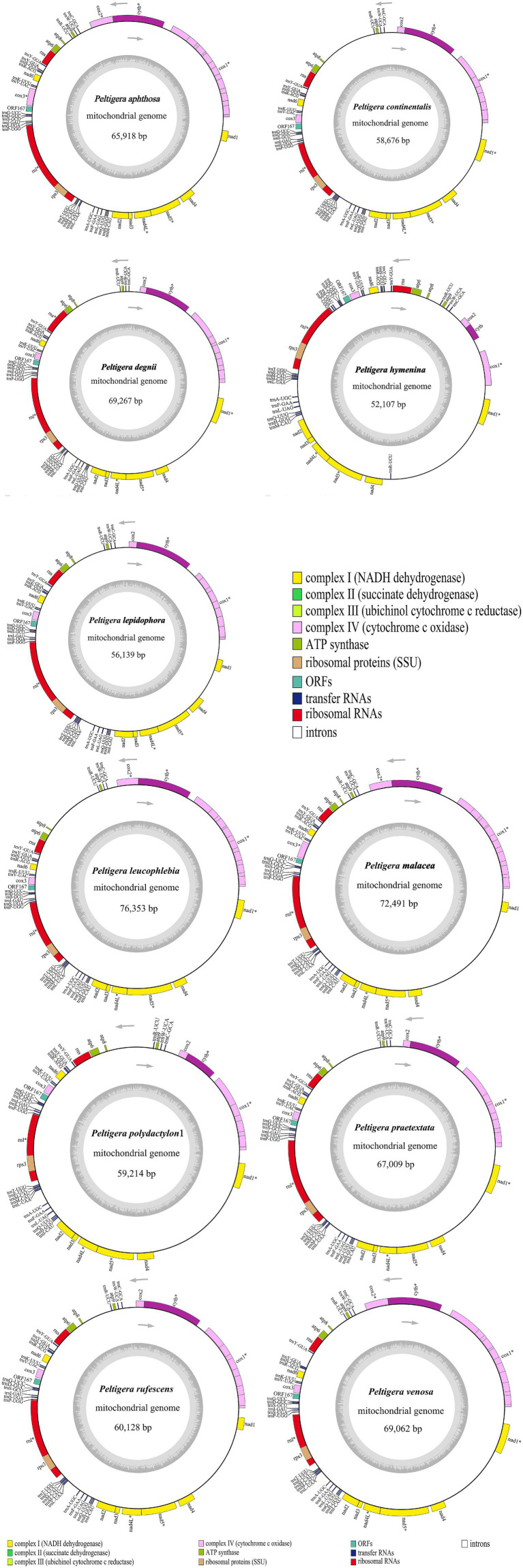 Figure 1
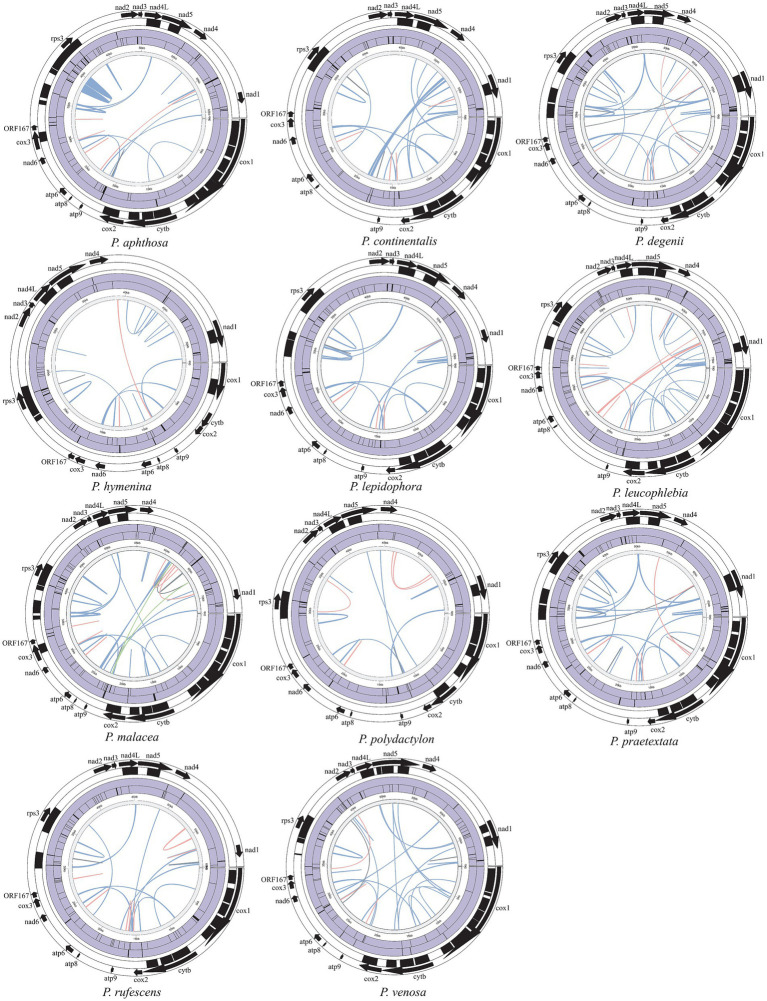 Figure 2
 Figure 3
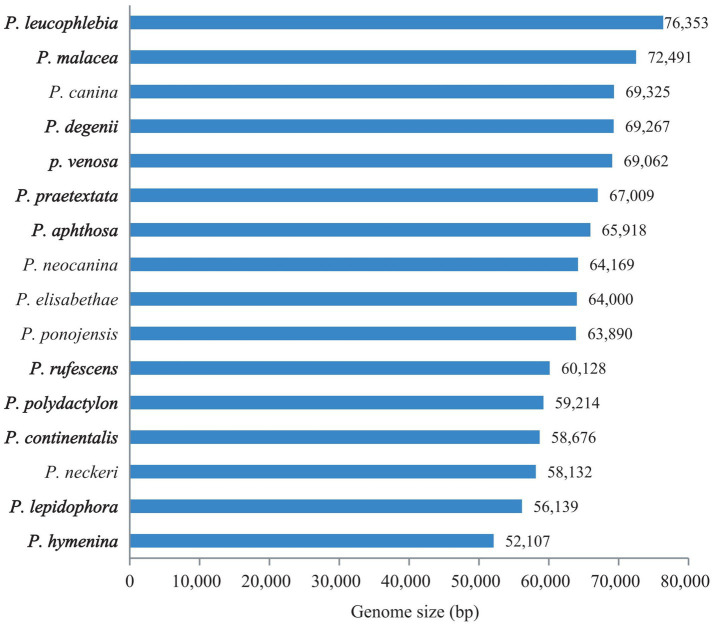 Figure 4
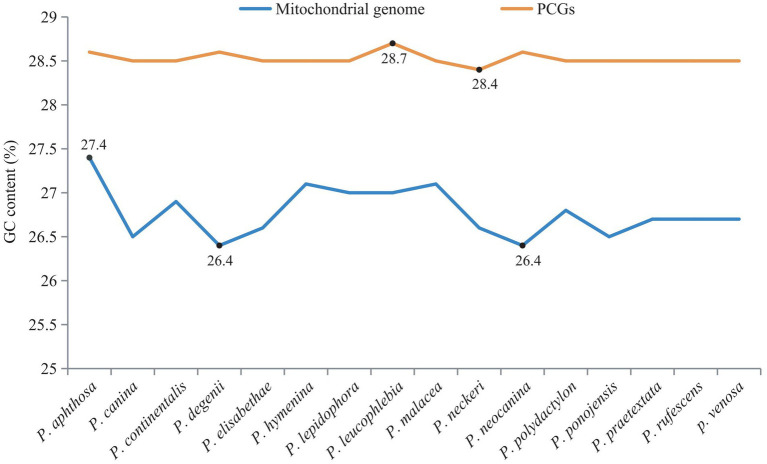 Figure 5
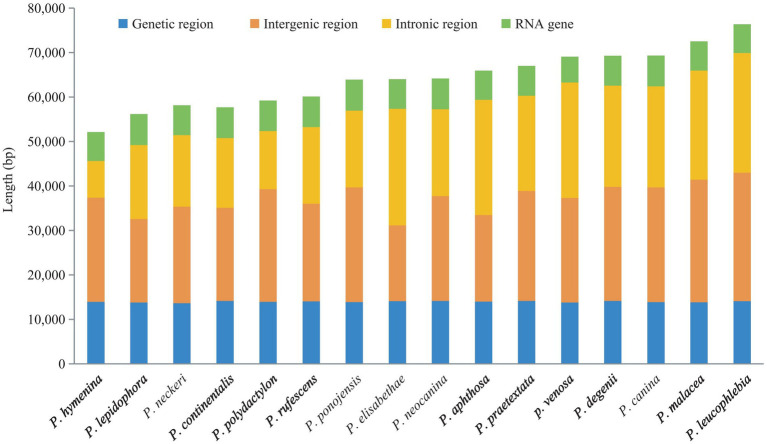 Figure 6
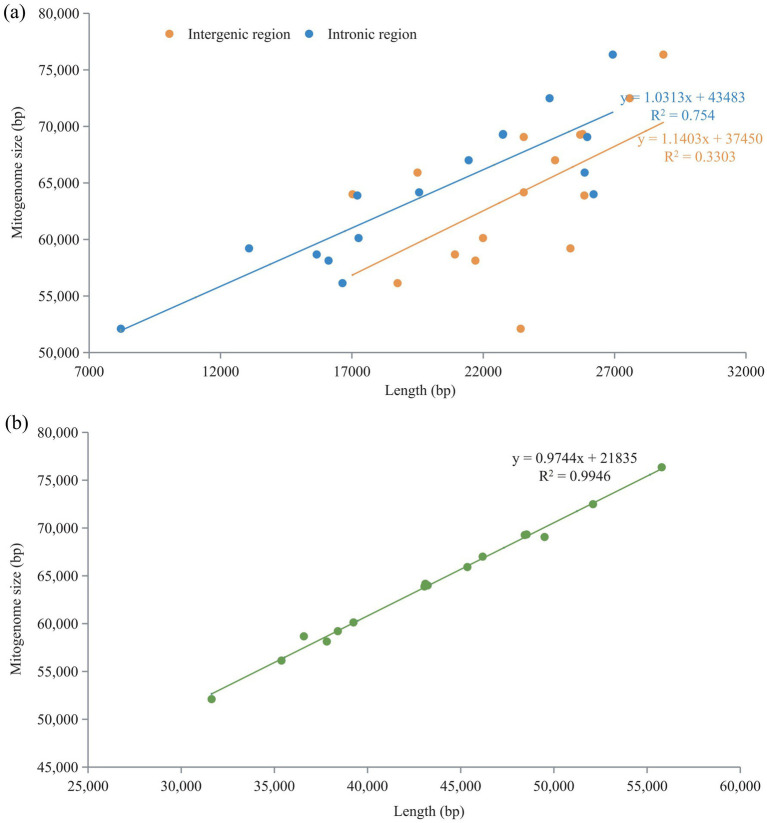 Figure 7
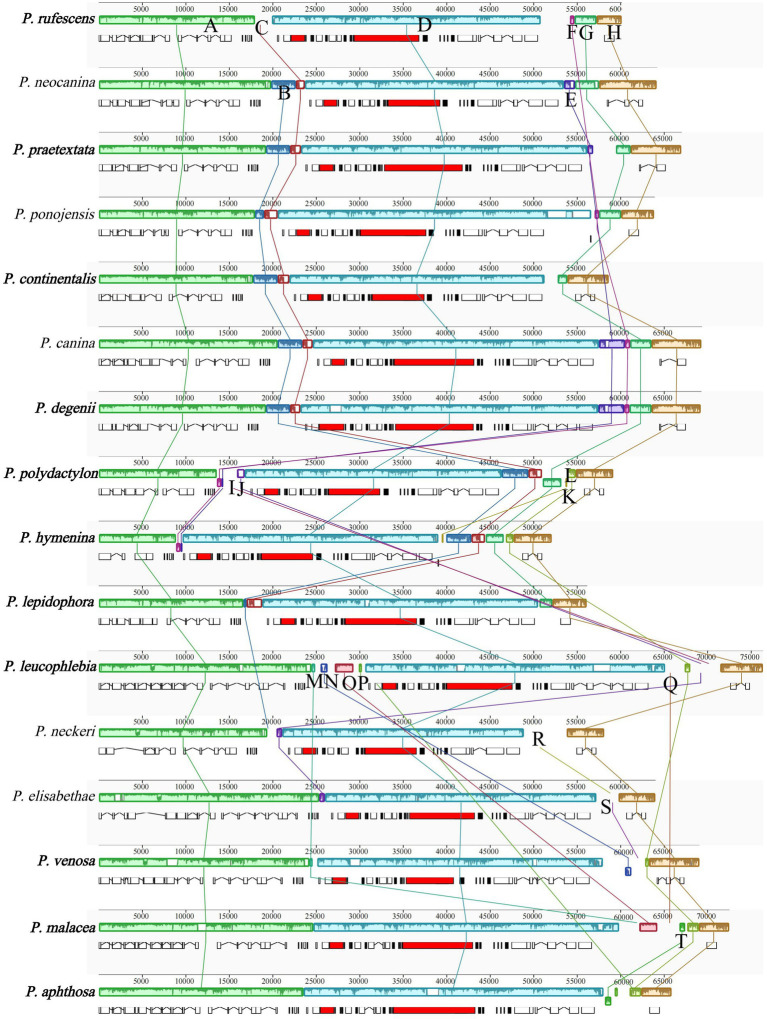 Figure 8
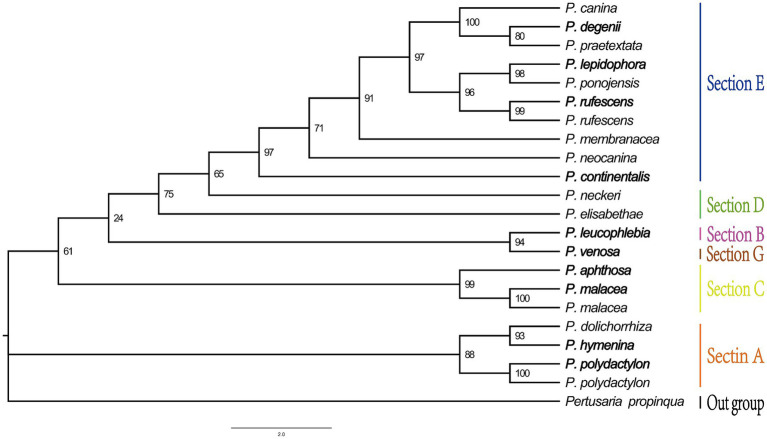 Figure 9
Peer Reviews
No public reviews on file for this paper yet. If you reviewed it on a platform where reviews are public (OpenReview, ICLR, NeurIPS, ICML), you can paste yours below so the community can read it here.
Videos
No videos yet. Explain this paper in a talk, walkthrough, or lecture? Add one.
Taxonomy
TopicsLichen and fungal ecology · Plant Pathogens and Fungal Diseases · Mycorrhizal Fungi and Plant Interactions