Functional investigation of the RNA helicase MOV10 with respect to its interplay with factors involved in nonsense-mediated mRNA decay
Guangpu Xue, Gabriel P. Faber, Lea S. Pommerening, Megha Mallick, Aditi Gupta, Markus C. Wahl, Yaron Shav-Tal, Sutapa Chakrabarti

TL;DR
This paper investigates how the RNA helicase MOV10 interacts with proteins involved in degrading faulty mRNA, revealing differences in its function compared to UPF1.
Contribution
The study reveals functional distinctions between the N-terminal domains of MOV10 and UPF1 in RNA decay processes.
Findings
MOV10's N-terminal domain is functionally distinct from UPF1's CH domain in catalytic activity and protein interactions.
MOV10 binds UPF2 via its N-terminal domain, but at a different region than UPF1.
MOV10's localization to RNA condensates is dictated by its N-terminal domain, unlike UPF1.
Abstract
The RNA helicase Moloney leukemia virus 10 (MOV10) is involved in several RNA processing pathways, including RNA silencing, defense against viral RNA and nonsense-mediated mRNA decay (NMD). MOV10 is a member of the Up-frameshift 1 (UPF1)-family of superfamily 1 (SF1) helicases and like its prototype member, unwinds RNA duplexes bearing a 5′-single-stranded overhang. Sequence comparisons of MOV10 and UPF1 revealed significant identity between their RecA domains and considerable divergence between the N-terminal domains preceding the helicase core. Using in vitro biochemical approaches, we show that the N-terminal domain of MOV10 is functionally distinct from the CH domain of UPF1, both in terms of its impact on catalytic activity and the protein-protein interactions it mediates. MOV10 engages the NMD factor UPF2 via its N-terminal regulatory domain but binds a different region than the…
Genes, proteins, chemicals, diseases, species, mutations and cell lines named across the full text — each resolved to its canonical identifier and authoritative record.
Click any figure to enlarge with its caption.
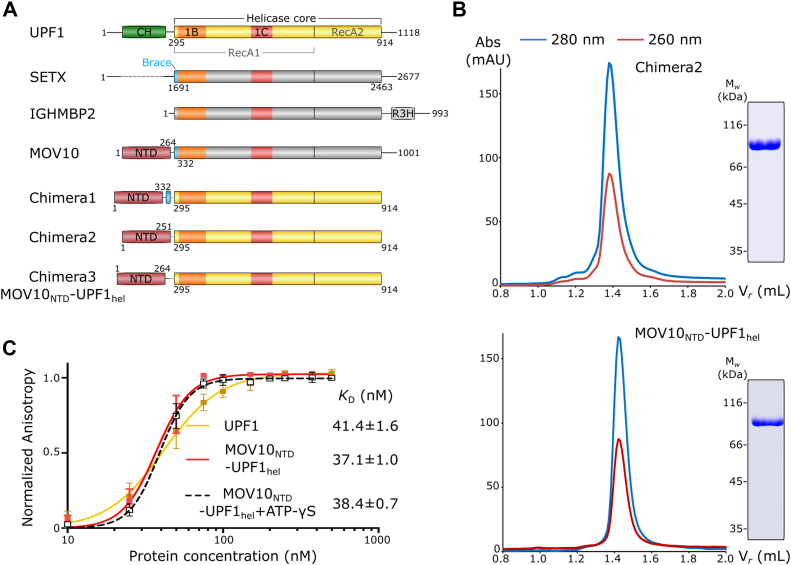 Figure 1
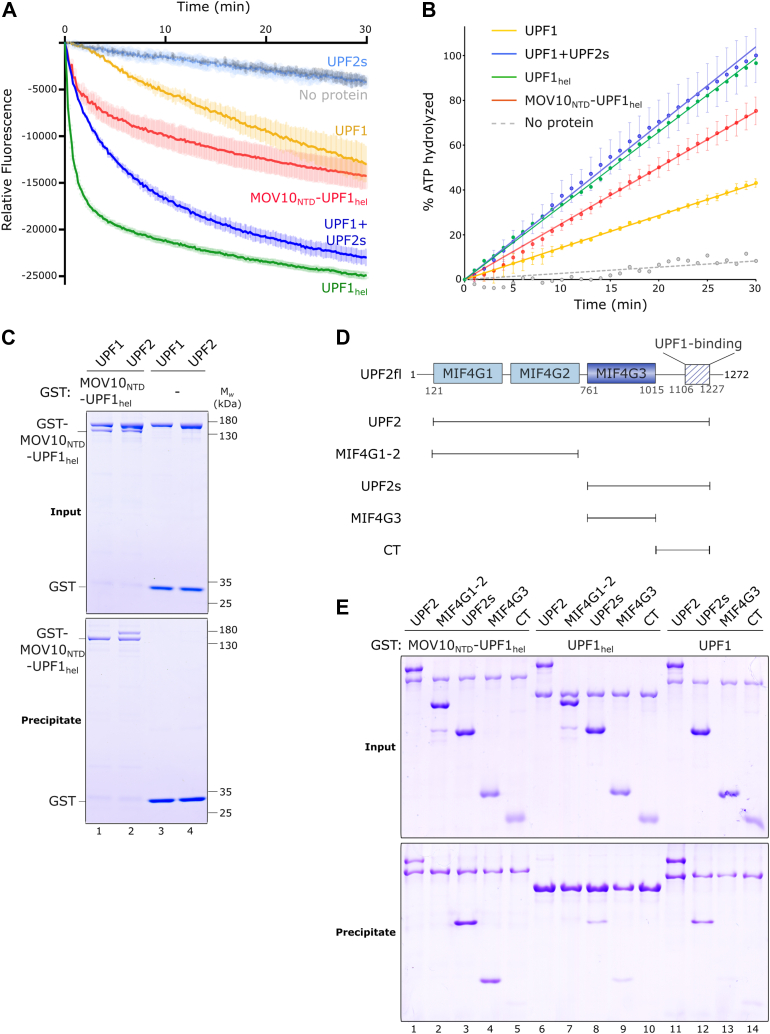 Figure 2
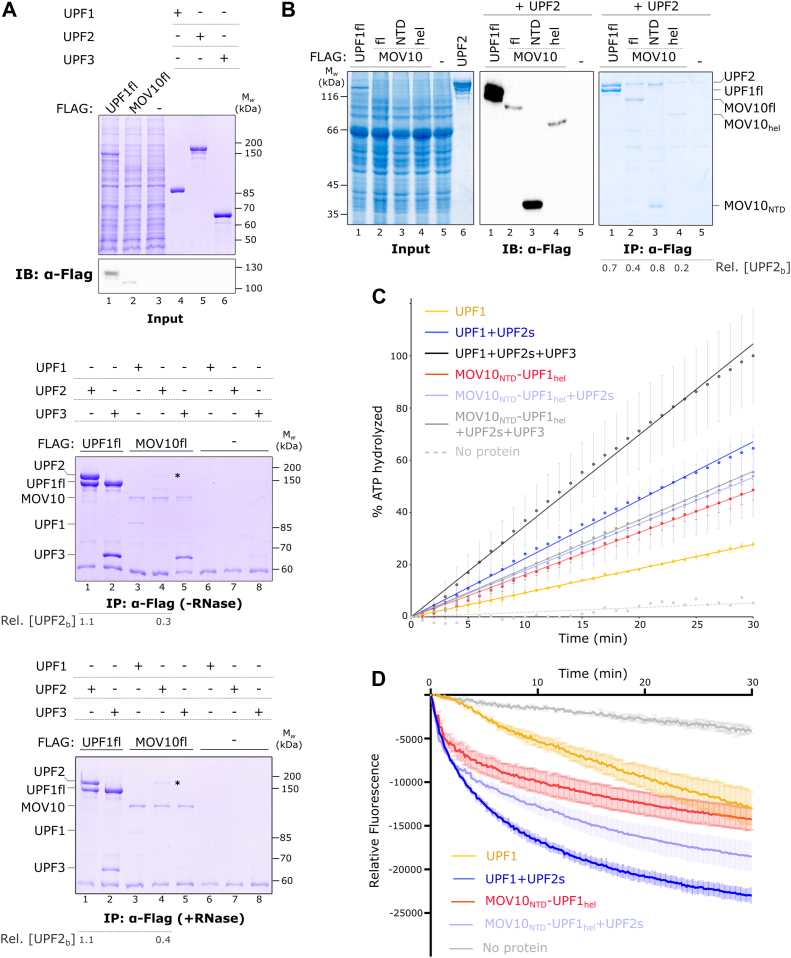 Figure 3
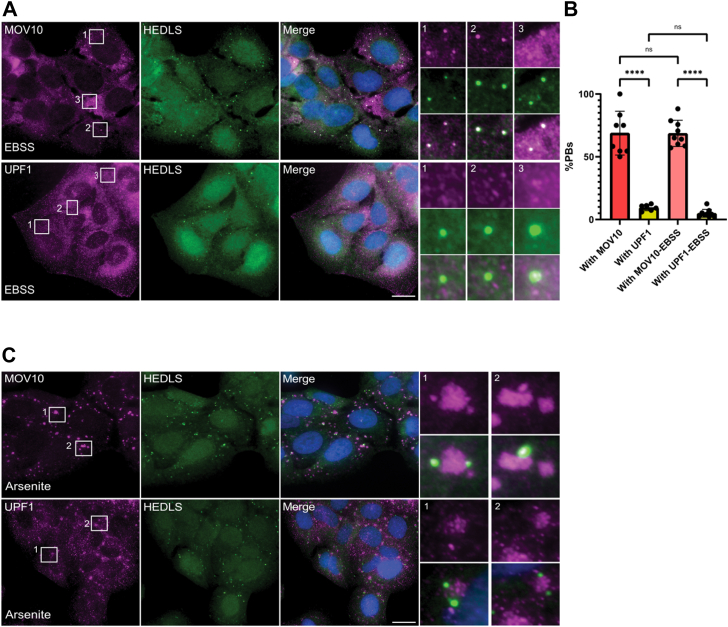 Figure 4
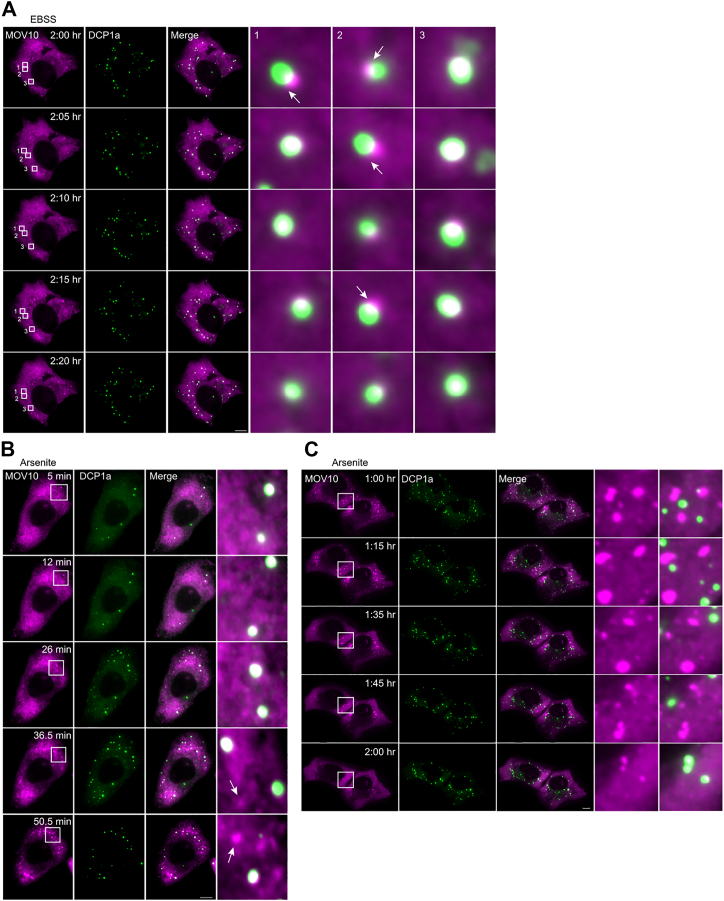 Figure 5
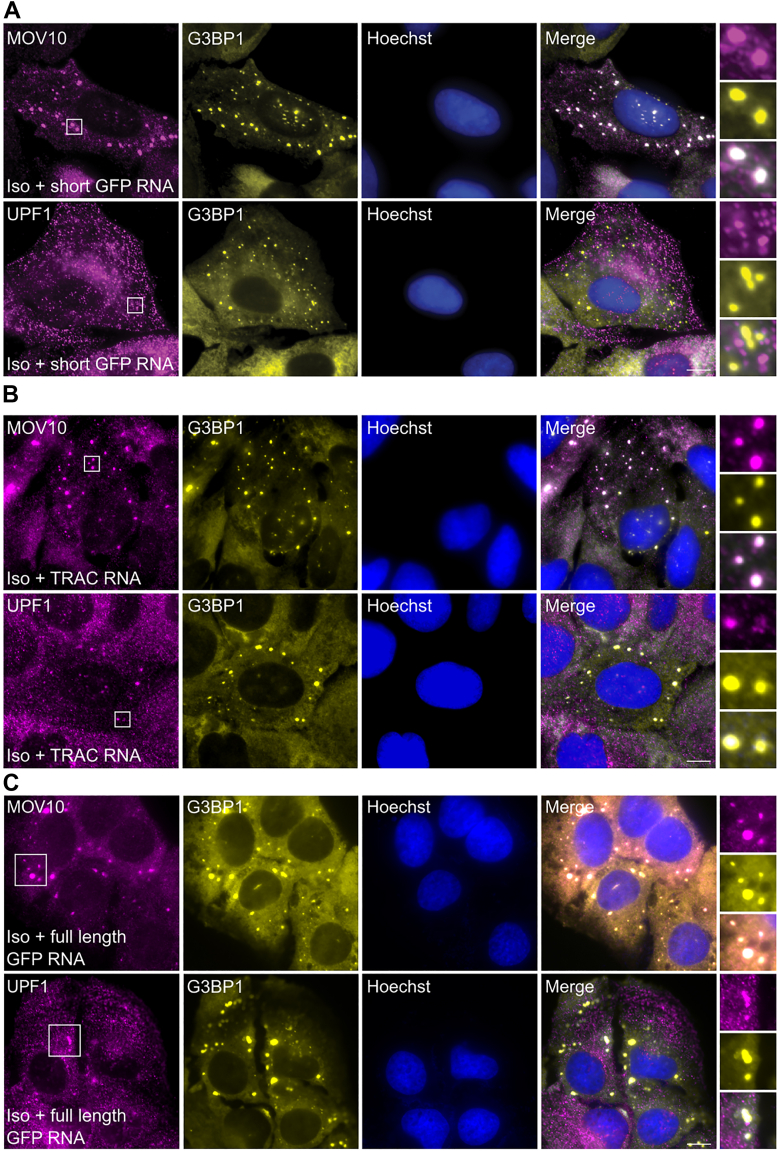 Figure 6
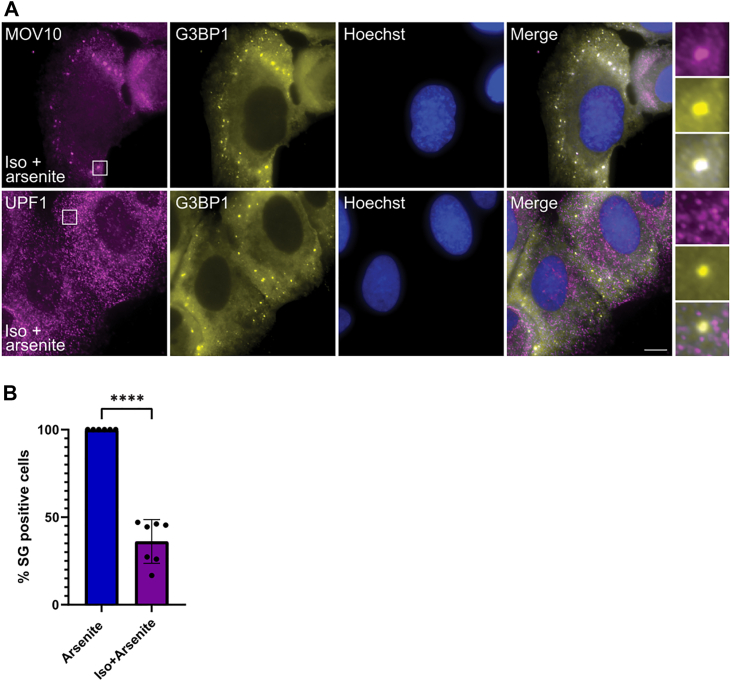 Figure 7
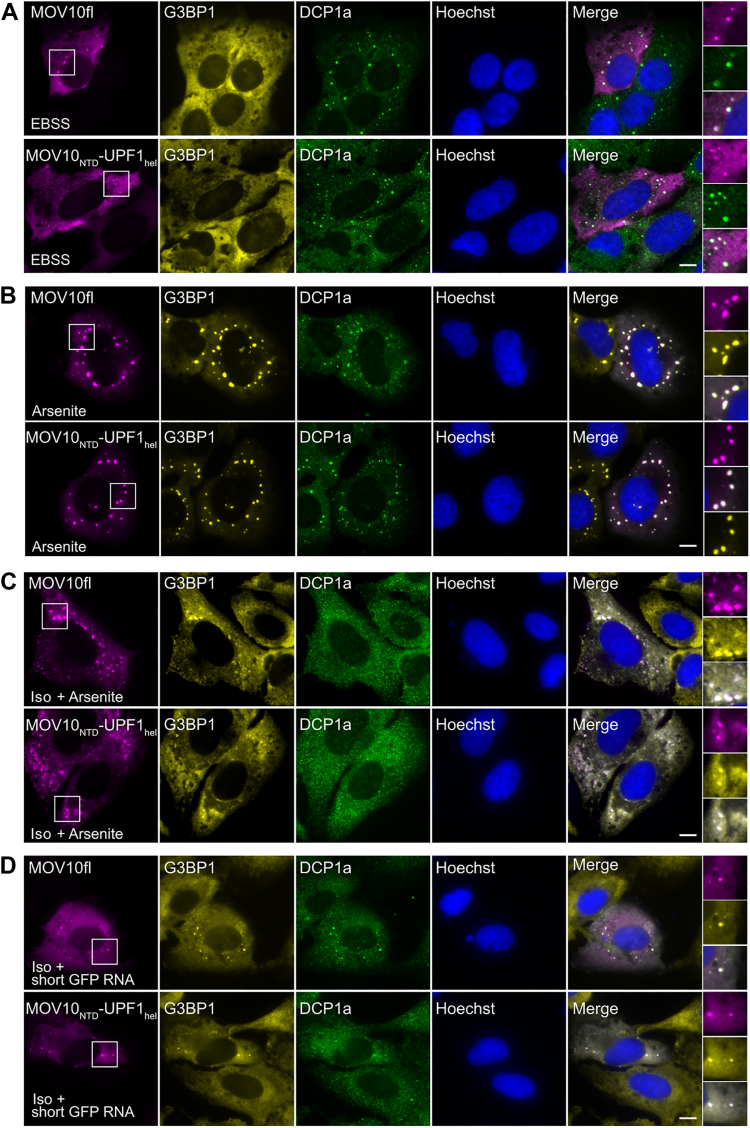 Figure 8
Peer Reviews
No public reviews on file for this paper yet. If you reviewed it on a platform where reviews are public (OpenReview, ICLR, NeurIPS, ICML), you can paste yours below so the community can read it here.
Videos
No videos yet. Explain this paper in a talk, walkthrough, or lecture? Add one.
Taxonomy
TopicsRNA Research and Splicing · RNA modifications and cancer · RNA and protein synthesis mechanisms