Evaluating the impact of common clinical confounders on performance of deep-learning-based sepsis risk assessment
Shikha Chaganti, Vivek Singh, Alasdair Edward Gent, Rishikesan Kamaleswaran, Ali Kamen

TL;DR
This paper evaluates how clinical confounders affect a deep-learning model's ability to detect sepsis risk early in emergency departments.
Contribution
The study introduces a deep-learning model for early sepsis detection and evaluates the impact of label definitions and comorbidities on model performance.
Findings
The consensus-based model achieved 83.7% sensitivity and 80% specificity in identifying sepsis risk within 24 hours.
Infection-confirmed subgroups showed high PPV (77%), but specificity dropped in cohorts with comorbidities.
The study highlights limitations of retrospective sepsis definitions in automated detection systems.
Abstract
Early identification of sepsis in the emergency department using machine learning remains a challenging problem, primarily due to the lack of a gold standard for sepsis diagnosis, the heterogeneity in clinical presentations, and the impact of confounding conditions. In this work, we present a deep-learning-based predictive model designed to enable early detection of patients at risk of developing sepsis, using data from the first 24 h of admission. The model is based on routine blood test results commonly performed on patients, including CBC (Complete Blood Count), CMP (Comprehensive Metabolic Panel), lipid panels, vital signs, age, and sex. To address the challenge of label uncertainty as a part of the training process, we explore two different definitions, namely, Sepsis-3 and Adult Sepsis Event. We analyze the advantages and limitations of each in the context of patient clinical…
Genes, proteins, chemicals, diseases, species, mutations and cell lines named across the full text — each resolved to its canonical identifier and authoritative record.
Click any figure to enlarge with its caption.
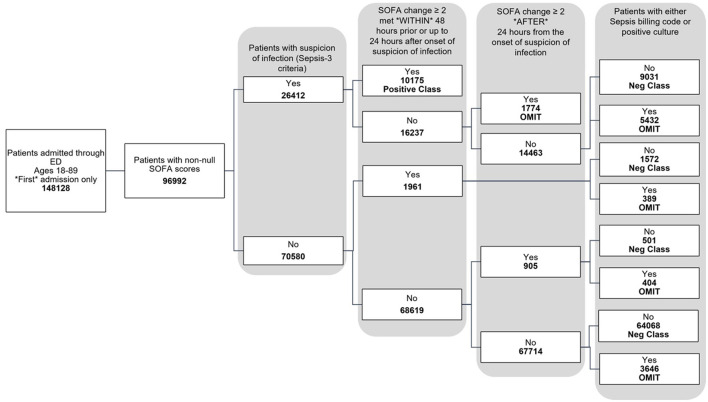 Figure 1
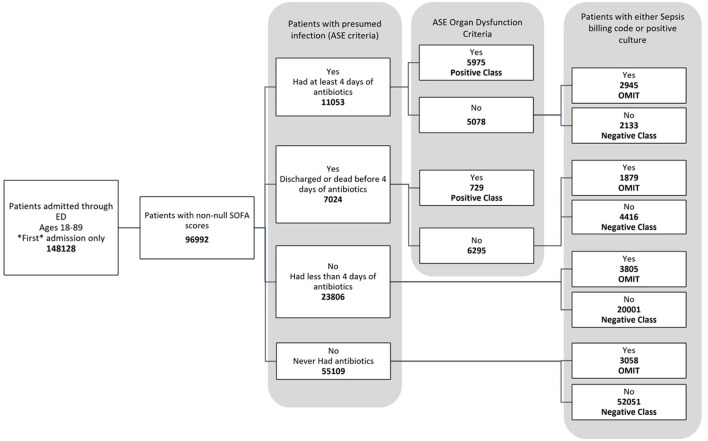 Figure 2
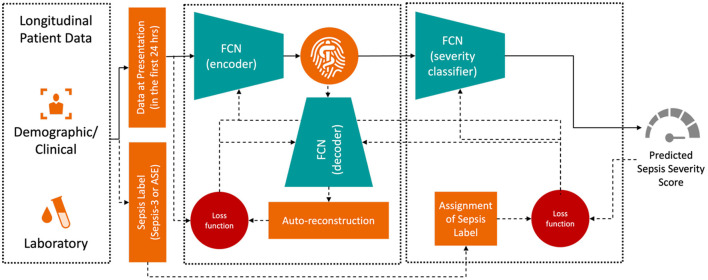 Figure 3
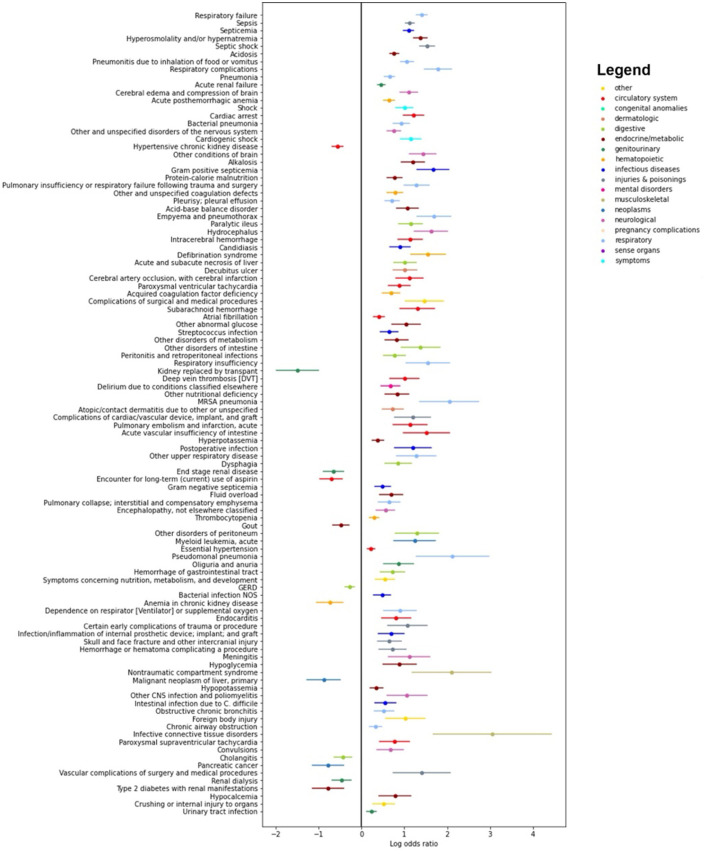 Figure 4
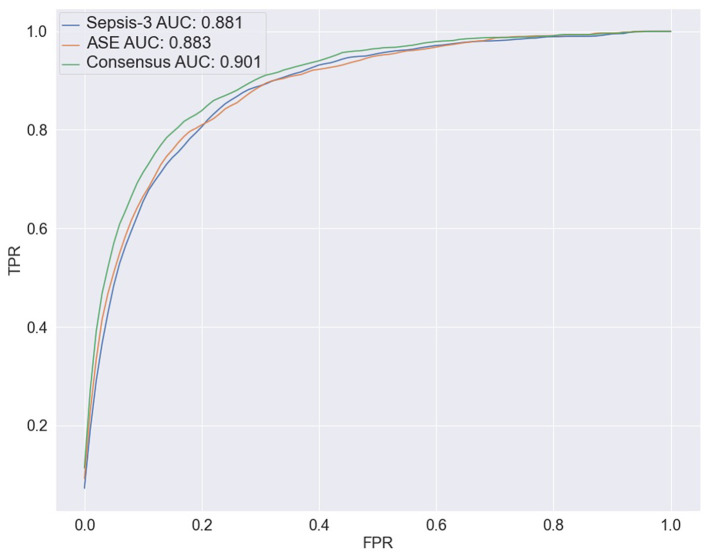 Figure 5
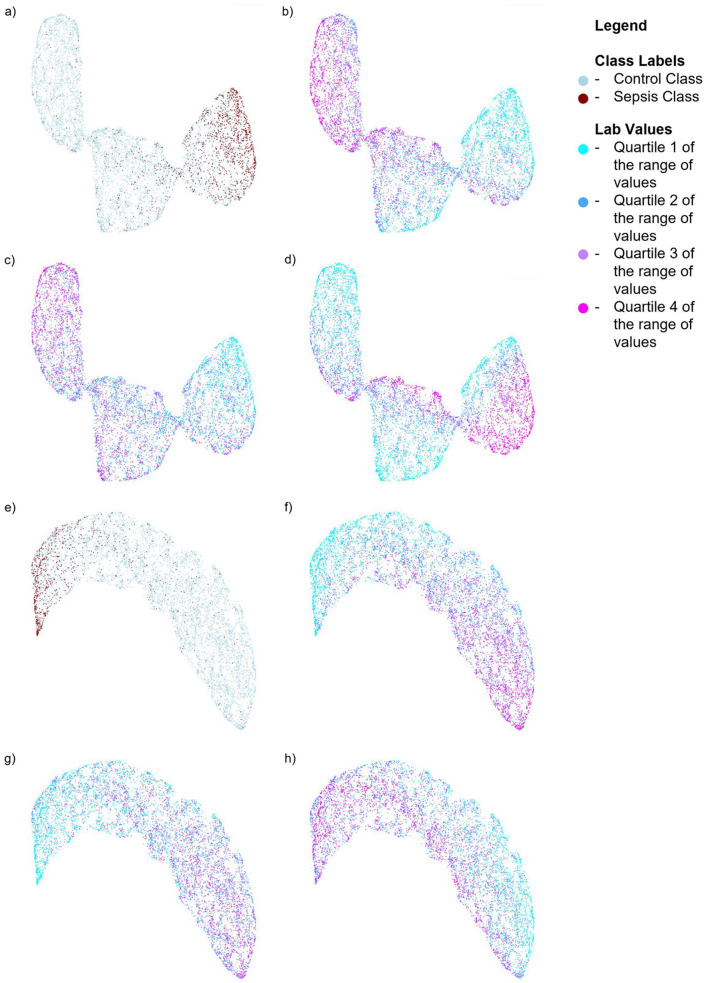 Figure 6
Peer Reviews
No public reviews on file for this paper yet. If you reviewed it on a platform where reviews are public (OpenReview, ICLR, NeurIPS, ICML), you can paste yours below so the community can read it here.
Videos
No videos yet. Explain this paper in a talk, walkthrough, or lecture? Add one.
Taxonomy
TopicsSepsis Diagnosis and Treatment · Machine Learning in Healthcare · Clinical Reasoning and Diagnostic Skills