Gallic Acid and Vitamin C Mitigate Histopathological Changes in the Retina by Attenuating Dyslipidemia and Mitigating Oxidative Stress, Inflammation, and Apoptosis in the Eyes of Type 2 Diabetic Rats Induced With Fructose/Streptozotocin
He Wang, Lina Guan, Hanyue Guan, Jingheng Zhong, Jiangtao Zhong

TL;DR
Gallic acid and vitamin C together improve retinal health in diabetic rats by reducing oxidative stress and inflammation.
Contribution
The novel finding is that combining gallic acid and vitamin C enhances therapeutic effects on retinal histopathology in diabetic rats.
Findings
Combined gallic acid and vitamin C improved retinal histopathology in diabetic rats.
Vitamin C alone was more effective than gallic acid in improving HOMA-β and reducing HbA1C and VEGF.
Combination therapy showed better results than individual treatments in mitigating diabetes-induced retinal damage.
Abstract
The result of combined supplementation of gallic acid and vitamin C on histopathological changes in the retina of type 2 diabetic rats induced with fructose and streptozotocin (STZ) was studied. Albino male rats (numbering 25) were assigned into five groups of five rats each as follows: Normal control and diabetic control (non‐diabetic and diabetic rats given rat feeds and water); diabetic + gallic acid (diabetic rats given gallic acid, 20 mg/kg, orally), diabetic + vitamin C (diabetic rats given vitamin C, 25 mg/kg, orally), diabetic + gallic acid + vitamin C (diabetic rats given gallic acid, 20 mg/kg and vitamin C, 25 mg/kg, orally). The study lasted for 10 weeks. The diabetic rats had a marked increase (p < 0.05) in fasting blood glucose, glycated hemoglobin (HbA1C), insulin resistance (IR), lipase, dyslipidemia, vascular endothelial growth factor (VEGF), pro‐apoptotic marker level,…
Genes, proteins, chemicals, diseases, species, mutations and cell lines named across the full text — each resolved to its canonical identifier and authoritative record.
Click any figure to enlarge with its caption.
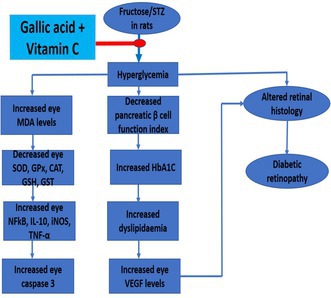 Figure 1
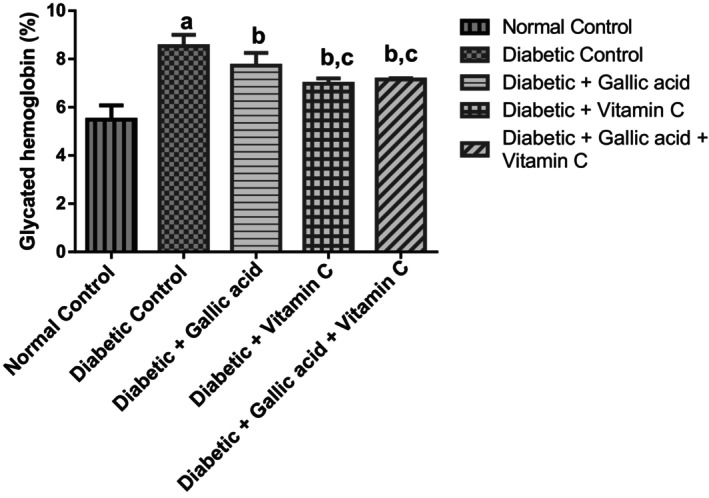 Figure 2
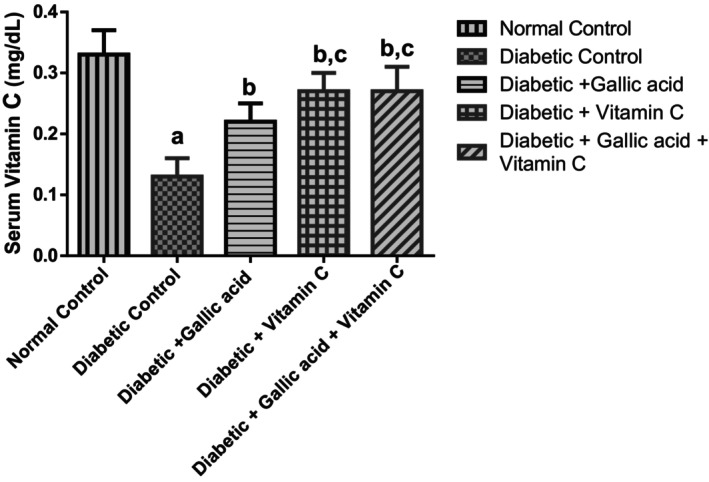 Figure 3
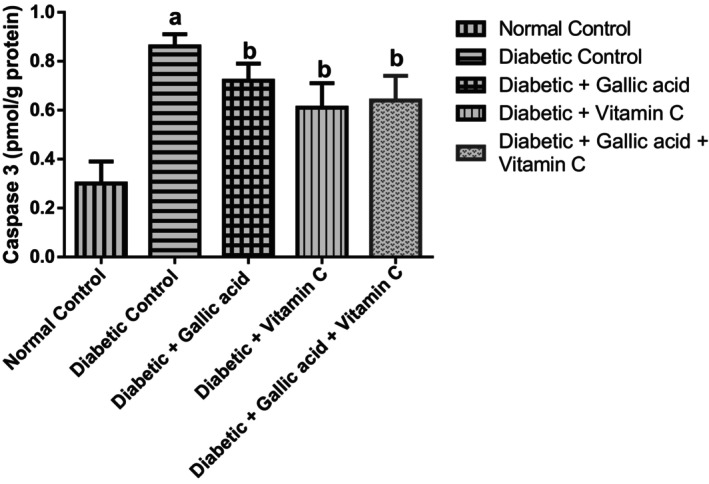 Figure 4
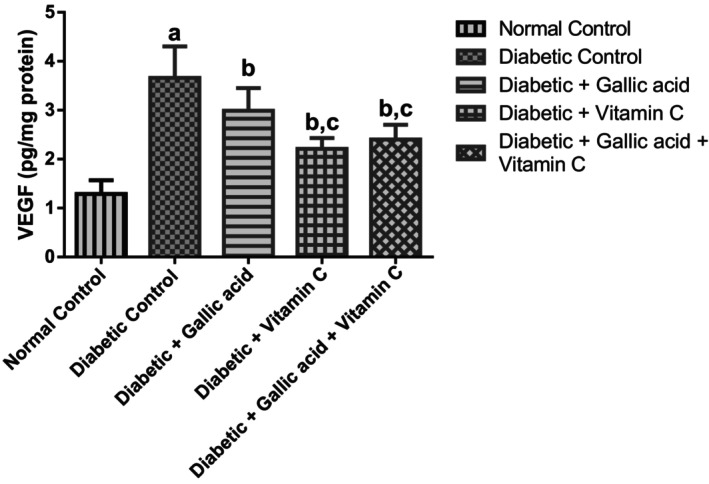 Figure 5
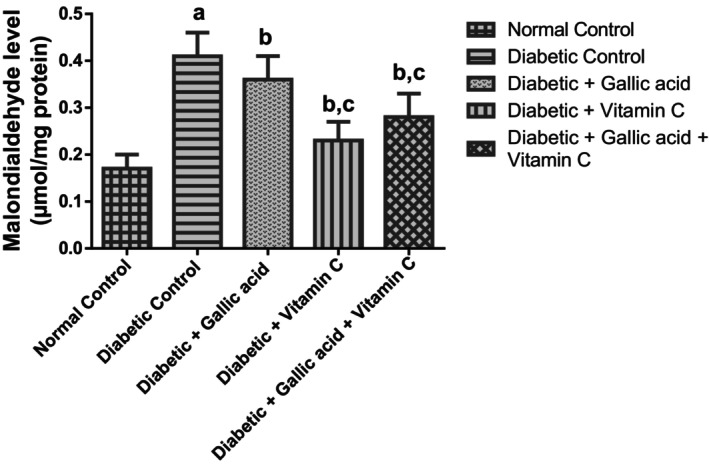 Figure 6
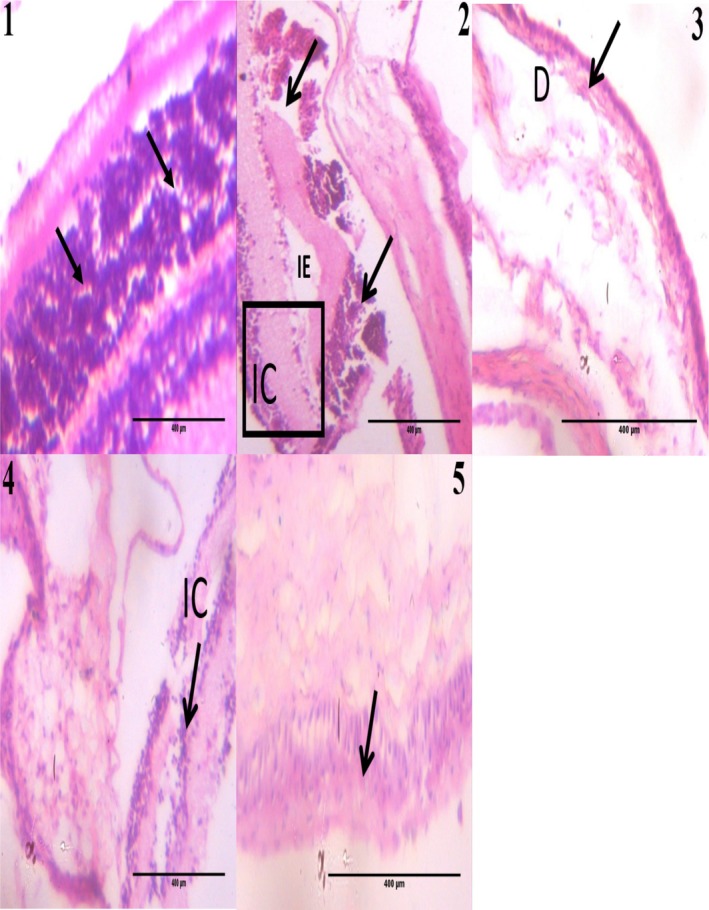 Figure 7
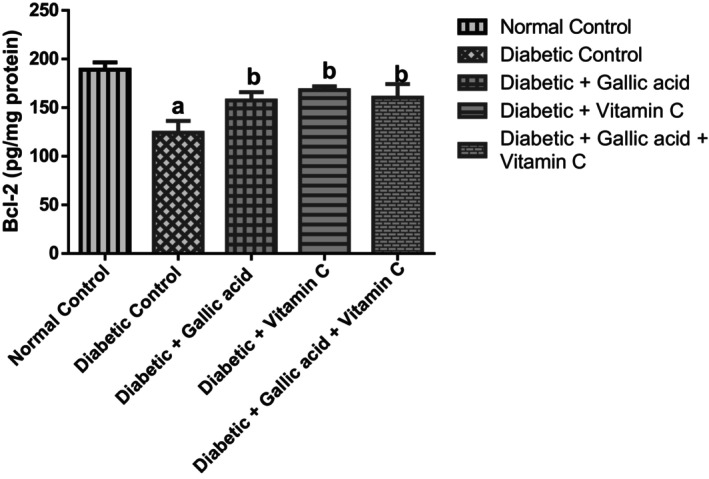 Figure 8
Peer Reviews
No public reviews on file for this paper yet. If you reviewed it on a platform where reviews are public (OpenReview, ICLR, NeurIPS, ICML), you can paste yours below so the community can read it here.
Videos
No videos yet. Explain this paper in a talk, walkthrough, or lecture? Add one.
Taxonomy
TopicsNatural Antidiabetic Agents Studies · Advanced Glycation End Products research · Antioxidant Activity and Oxidative Stress