Understanding polymer encapsulation of enzymes: a dissipative particle dynamics simulation study on the regulation of structural characteristics of polymer nanocapsules
Bin Li, Bin Xu, Huimin Gao, Zhong-Yuan Lu

TL;DR
This paper uses simulations to study how to effectively encapsulate enzymes in polymers for better delivery in enzyme therapy.
Contribution
The study introduces a simulation model combining dissipative particle dynamics and a reaction model to optimize polymer nanocapsule formation for enzyme delivery.
Findings
Well-structured polymer nanocapsules form with strong monomer-nanoparticle attraction, low hydrophobicity, moderate polymerization rates, and weak chain stiffness.
Optimal initiator-to-crosslinker ratios and monomer concentrations improve nanocapsule construction and monomer participation.
The model can be adapted for various enzymes and monomers by modifying their structures and properties.
Abstract
Enzymes play a crucial role as catalysts in biological processes, and enzyme therapy—utilizing biological enzymes—has gained significant attention for disease treatment. However, a critical challenge in enzyme therapy is the effective delivery of exogenous enzymes while maintaining their catalytic activity. Encapsulating enzymes in polymers offers a promising strategy to enhance their stability, prolong their half-life in the bloodstream, and improve biocompatibility. In this study, we employ dissipative particle dynamics (DPD) simulations combined with a reaction model to investigate the polymerization dynamics and the formation of a polymer nanocapsule around a nanoparticle that models an enzyme under mild reaction conditions. Our results show that the formation of a well-structured polymer nanocapsule depends on the strong attraction between monomers and the nanoparticle surface, low…
Genes, proteins, chemicals, diseases, species, mutations and cell lines named across the full text — each resolved to its canonical identifier and authoritative record.
Click any figure to enlarge with its caption.
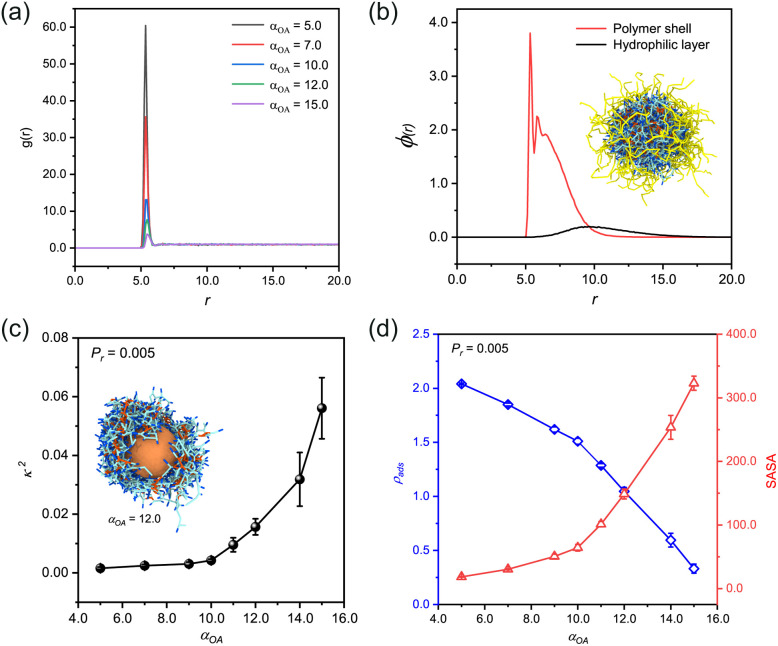 Figure 1
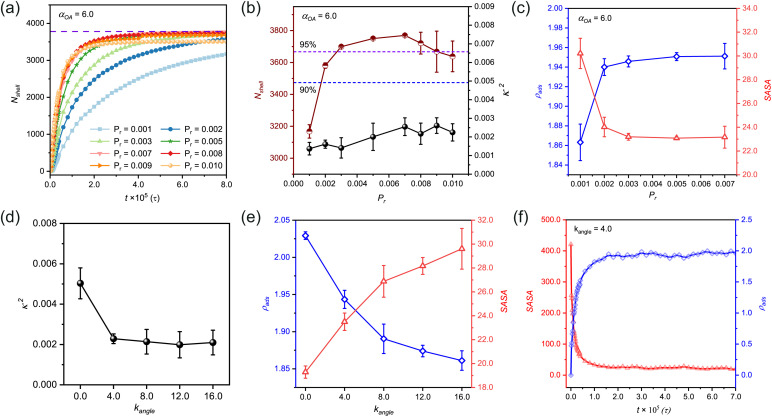 Figure 2
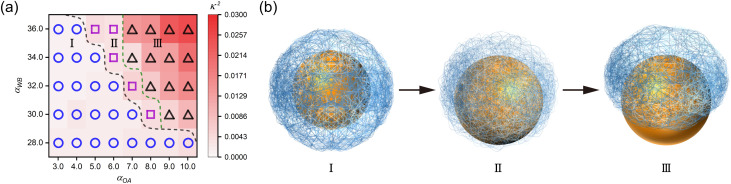 Figure 3
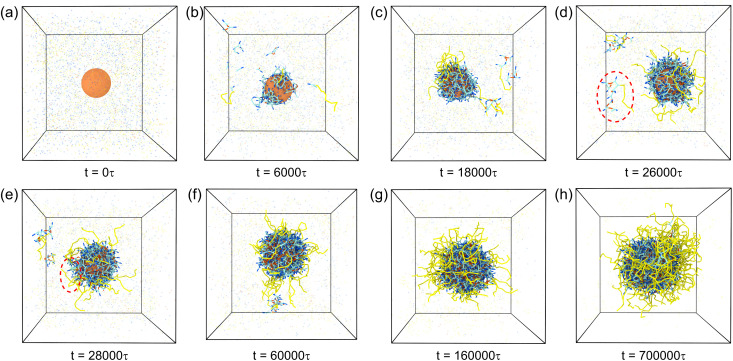 Figure 4
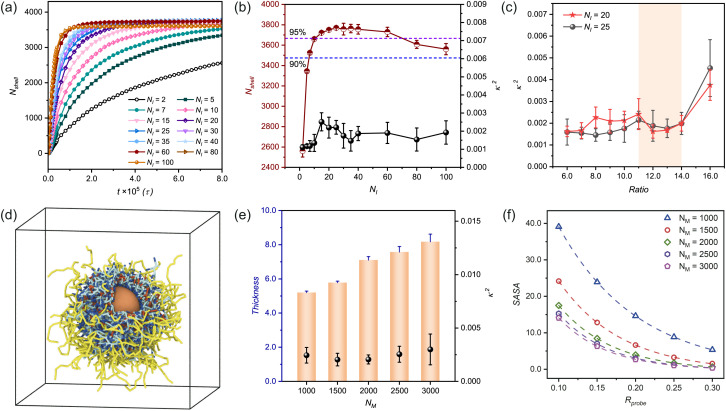 Figure 5
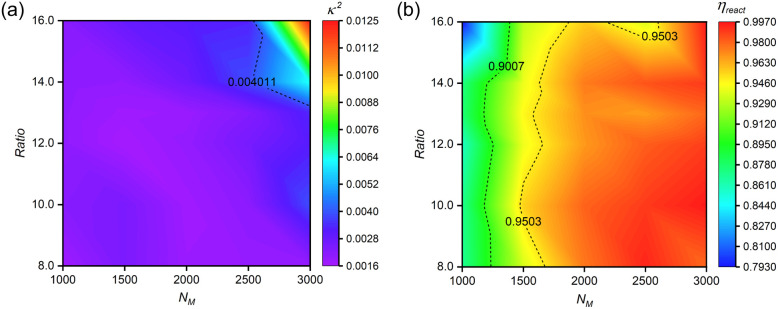 Figure 6
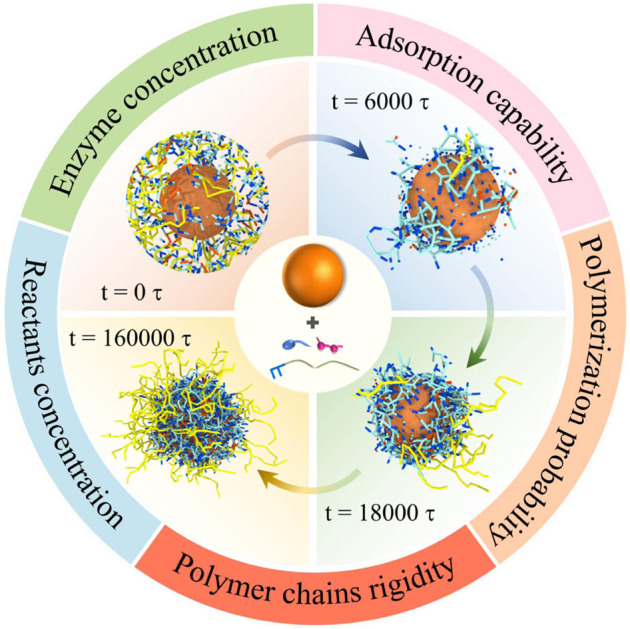 Figure 7
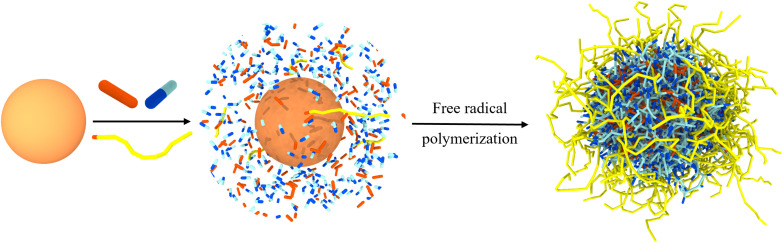 Figure 8
Peer Reviews
No public reviews on file for this paper yet. If you reviewed it on a platform where reviews are public (OpenReview, ICLR, NeurIPS, ICML), you can paste yours below so the community can read it here.
Videos
No videos yet. Explain this paper in a talk, walkthrough, or lecture? Add one.
Taxonomy
TopicsNanoparticle-Based Drug Delivery · Hydrogels: synthesis, properties, applications · Enzyme Catalysis and Immobilization