Transverse maxillary dimensions and upper airway morphology in mouth- and nasal-breathing children aged 10–12 years: A CBCT-based study
Rani Satiti, Hendri Susanto, Anrizandy Narwidina

TL;DR
Mouth breathing in children aged 10–12 is linked to narrower maxillary arches and smaller upper airway spaces compared to nasal breathing.
Contribution
This study provides CBCT-based evidence of the impact of mouth breathing on maxillary and airway morphology in children.
Findings
Mouth breathers had significantly reduced maxillary arch widths at multiple measurement points.
Mouth breathing was associated with smaller nasopharyngeal and oropharyngeal volumes and areas.
All measured parameters showed statistically significant differences between mouth and nasal breathers.
Abstract
Mouth breathing (MB) is a dysfunctional respiratory pattern that may affect craniofacial development by altering maxillary arch width and upper pharyngeal airway morphology. Early identification is critical to prevent long-term dentofacial and airway complications. This study aimed to compare maxillary arch width and upper airway morphology between mouth- and nasal-breathing children aged 10–12 years using Cone Beam Computed Tomography (CBCT). In this cross-sectional study, 30 children (15 mouth breathers and 15 nasal breathers) underwent CBCT imaging. Transverse maxillary arch dimensions were measured at four points: maxillary width at molars (MWM), intermolar width (IMW), maxillary width at canines (MWC), and intercanine width (ICW). Upper airway morphology was assessed using volumetric (nasopharyngeal volume [NPV], oropharyngeal volume [OPV]) and cross-sectional area (nasopharyngeal…
Genes, proteins, chemicals, diseases, species, mutations and cell lines named across the full text — each resolved to its canonical identifier and authoritative record.
Click any figure to enlarge with its caption.
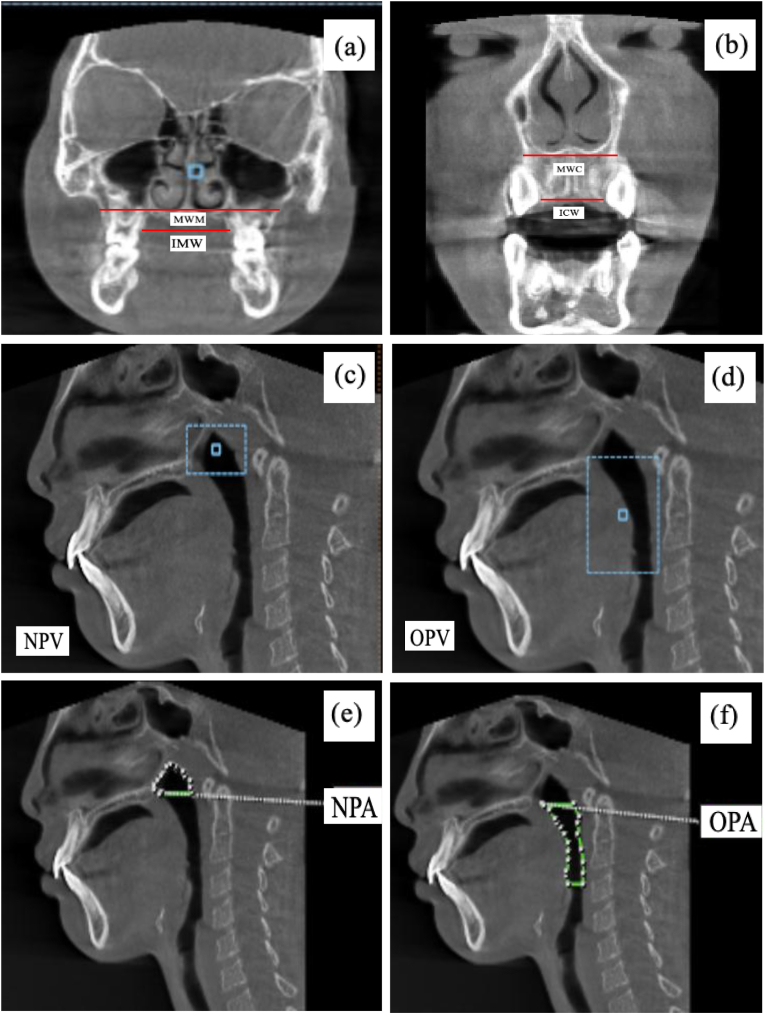 Figure 1
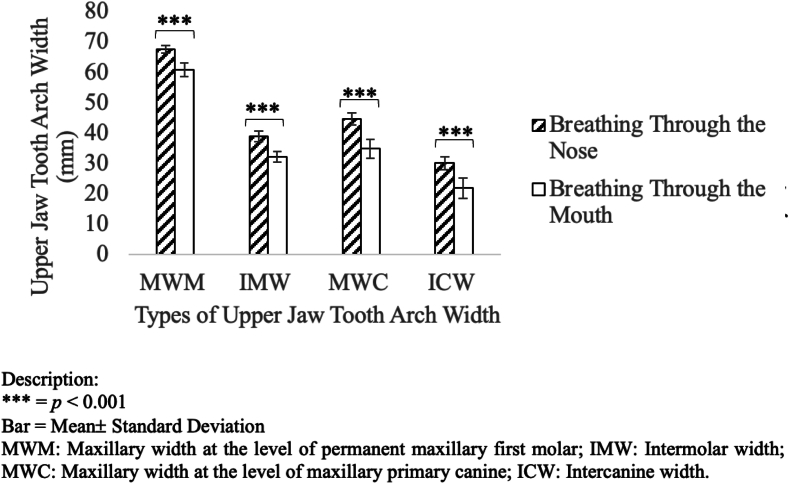 Figure 2
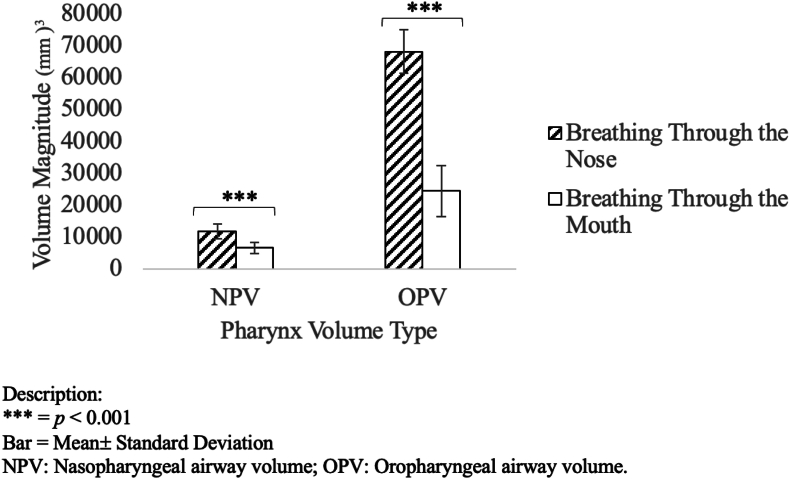 Figure 3
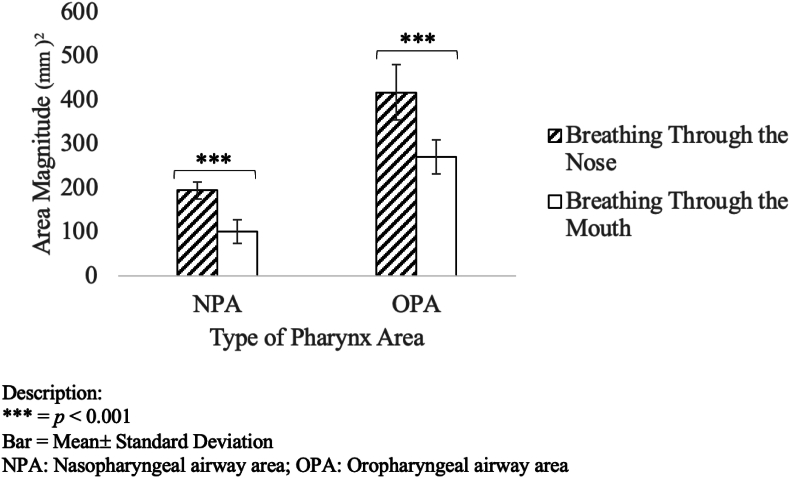 Figure 4
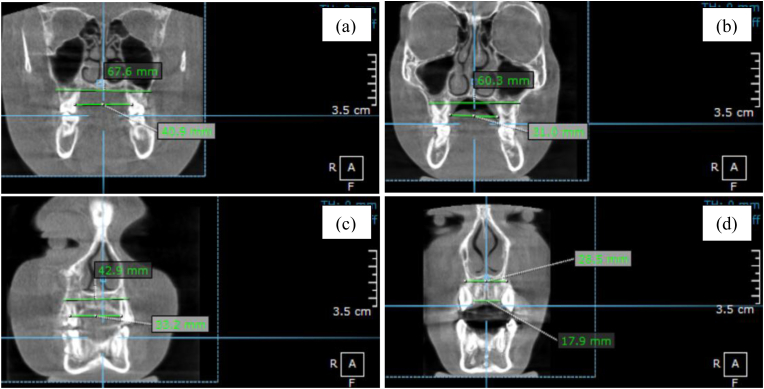 Figure 5
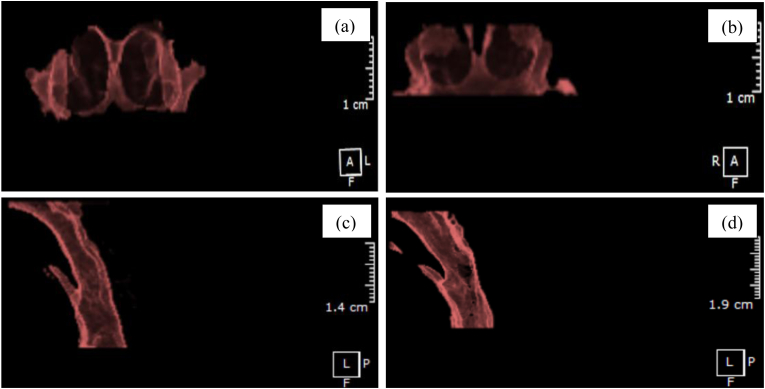 Figure 6
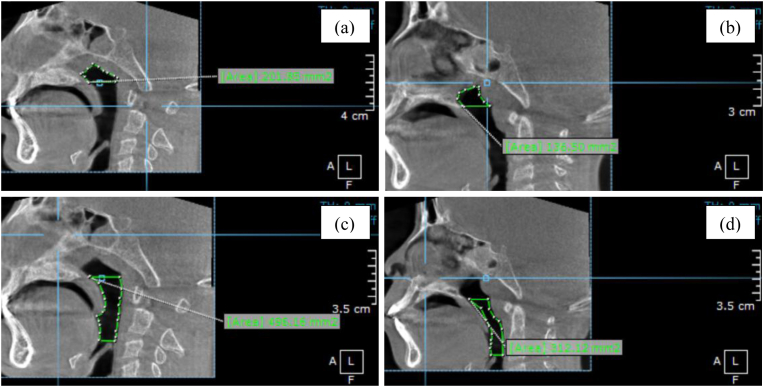 Figure 7
Peer Reviews
No public reviews on file for this paper yet. If you reviewed it on a platform where reviews are public (OpenReview, ICLR, NeurIPS, ICML), you can paste yours below so the community can read it here.
Videos
No videos yet. Explain this paper in a talk, walkthrough, or lecture? Add one.
Taxonomy
TopicsObstructive Sleep Apnea Research · Airway Management and Intubation Techniques · Tracheal and airway disorders