Transcriptomic insights into host transcriptional manipulation by ssDNA and ssRNA viruses in the marine planktonic diatom Chaetoceros tenuissimus
Yuki Hongo, Yuji Tomaru

TL;DR
This study explores how a marine diatom responds to DNA and RNA viruses by altering its gene expression, revealing distinct strategies each virus uses to replicate.
Contribution
The study identifies specific host transcriptional responses to ssDNA and ssRNA viruses and highlights a virus-derived gene fragment's role in DNA virus proliferation.
Findings
DNA virus induces host genes related to DNA replication and packing.
RNA virus activates host autophagy, suggesting membrane use for replication.
A virus-derived gene fragment (EVLF) is upregulated during DNA virus infection.
Abstract
•The expression pattern of C. tenuissimus differs depending on the virus type.•DNA virus induces host gene transcription related to DNA replication and packing.•RNA virus induces host autophagy, wherein the membrane is a potential replication site.•Integrated virus gene fragment in the host genome is upregulated when the DNA virus is infected. The expression pattern of C. tenuissimus differs depending on the virus type. DNA virus induces host gene transcription related to DNA replication and packing. RNA virus induces host autophagy, wherein the membrane is a potential replication site. Integrated virus gene fragment in the host genome is upregulated when the DNA virus is infected. The marine diatom Chaetoceros tenuissimus coexists in the coastal ocean with two distinct viruses: a circular single-stranded DNA virus and a single-stranded RNA virus. Both viruses are capable of…
Genes, proteins, chemicals, diseases, species, mutations and cell lines named across the full text — each resolved to its canonical identifier and authoritative record.
Click any figure to enlarge with its caption.
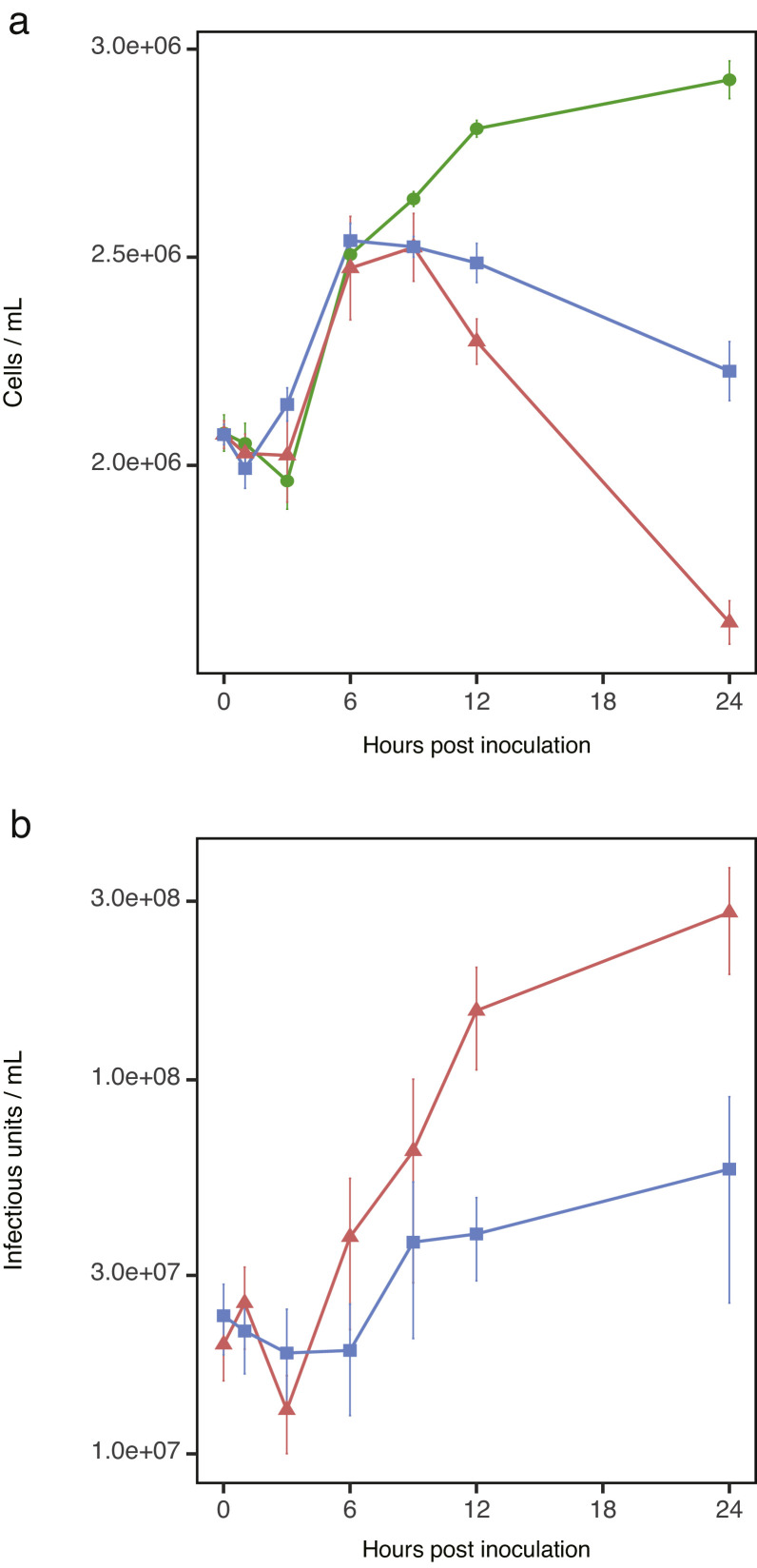 Figure 1
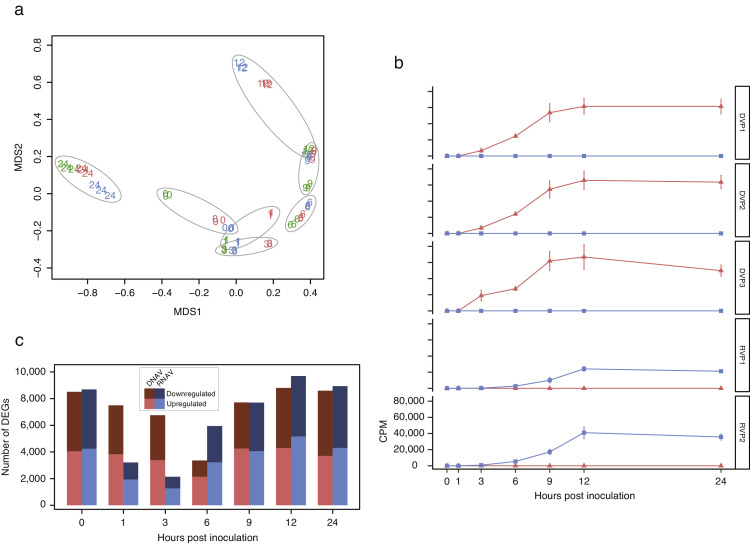 Figure 2
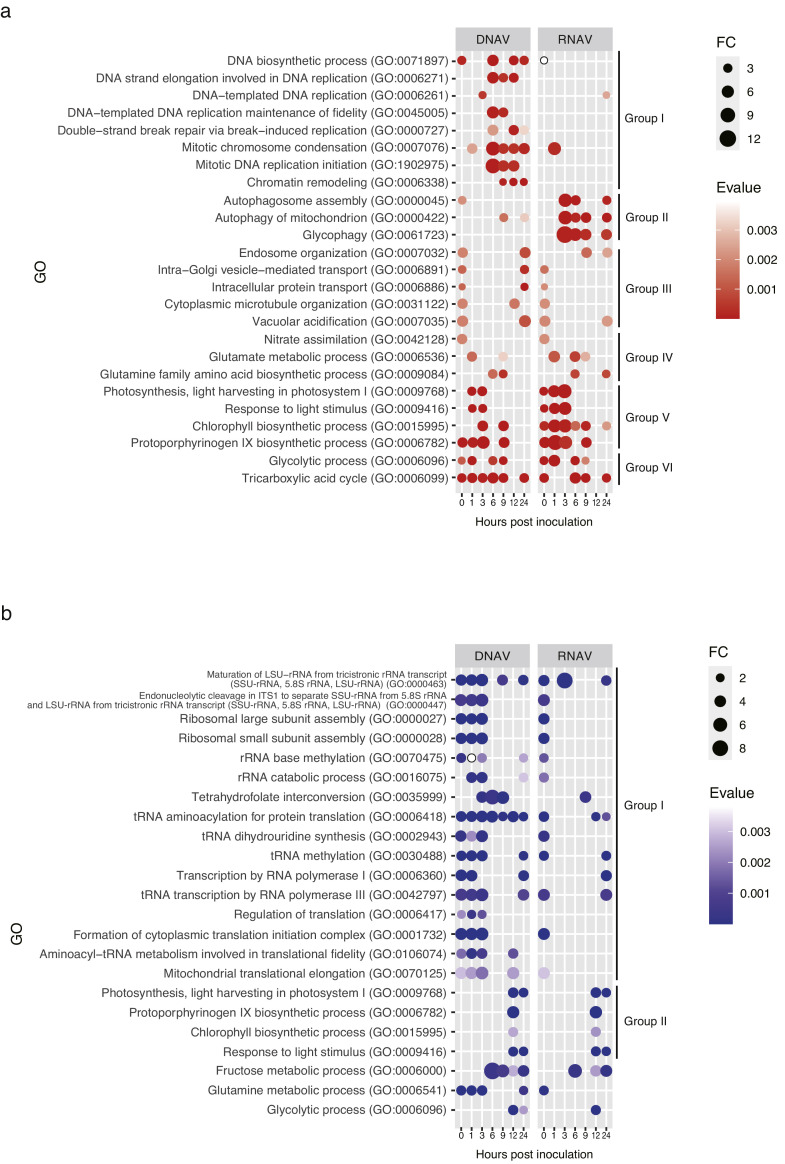 Figure 3
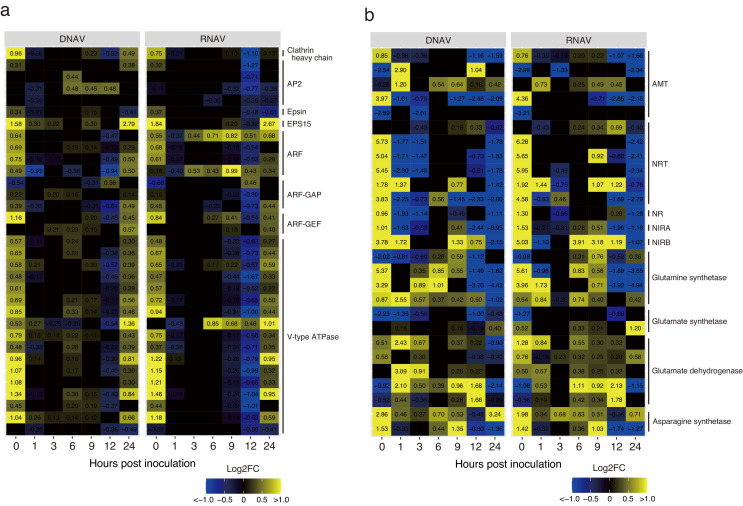 Figure 4
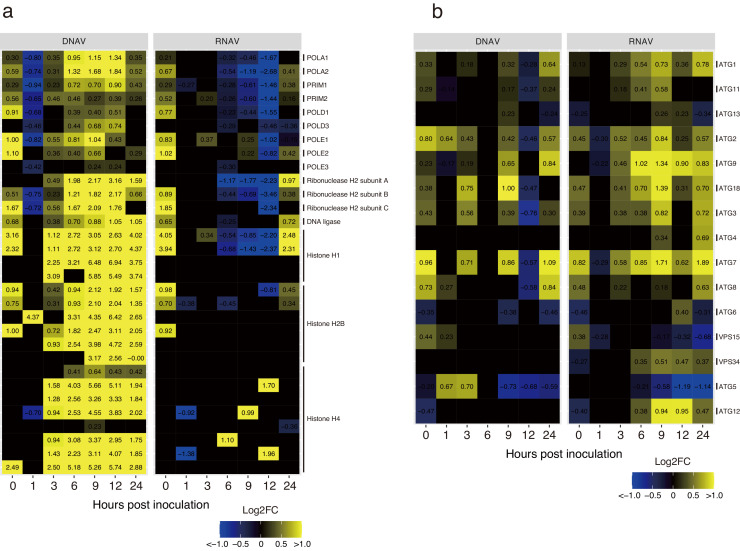 Figure 5
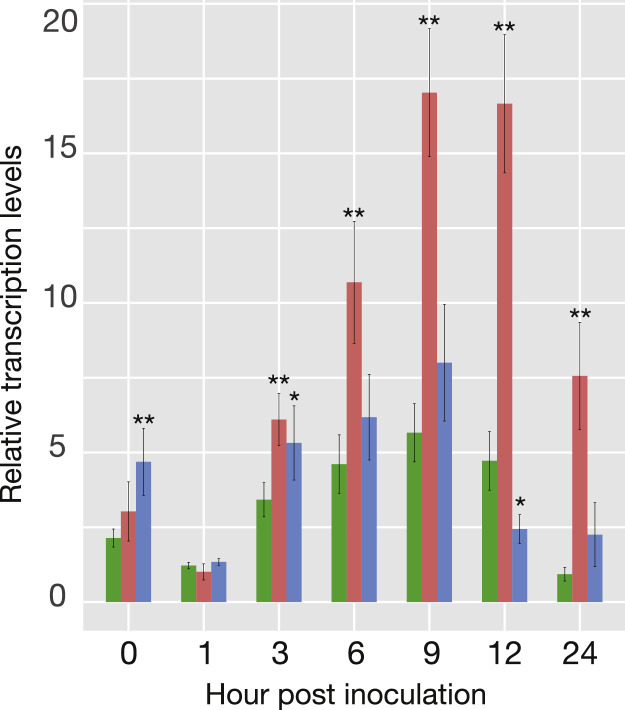 Figure 6
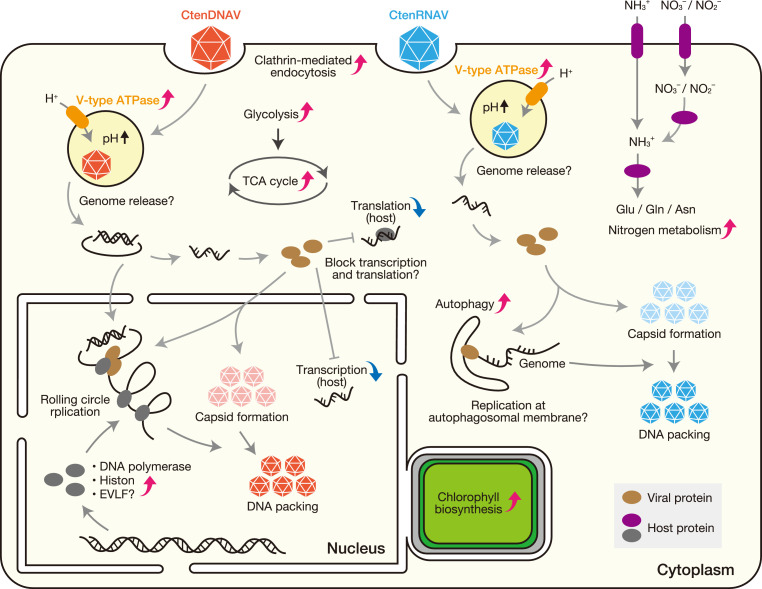 Figure 7
Peer Reviews
No public reviews on file for this paper yet. If you reviewed it on a platform where reviews are public (OpenReview, ICLR, NeurIPS, ICML), you can paste yours below so the community can read it here.
Videos
No videos yet. Explain this paper in a talk, walkthrough, or lecture? Add one.
Taxonomy
TopicsBacteriophages and microbial interactions · Microbial Community Ecology and Physiology · Environmental DNA in Biodiversity Studies