Translation-independent association of mRNAs that encode protomers of the 5-HT2A-mGlu2 receptor complex
Somdatta Saha, Javier González-Maeso

TL;DR
This study shows that mRNAs for two brain receptors associate during translation, independent of their proteins, offering new insights into how receptor complexes form.
Contribution
The paper reveals translation-independent mRNA association of 5-HT2A and mGlu2 receptors, a novel mechanism for GPCR complex formation.
Findings
5-HT2AR and mGluR2 mRNAs associate during translation, as shown by ribonucleoprotein complex analysis.
mRNA association occurs independently of the encoded proteins, validated in mouse frontal cortex samples.
RPS24 is involved in the ribonucleoprotein complexes containing both receptor mRNAs.
Abstract
G protein-coupled receptors (GPCRs) constitute the largest family of plasma membrane proteins and regulate cell signaling by activating heterotrimeric G proteins. The serotonin 5-HT2A receptor (5-HT2AR) and the metabotropic glutamate 2 receptor (mGluR2) are GPCRs that play a pivotal role in processes related to perception, memory, and mood regulation. These receptors can interact to form heteromeric GPCR complexes through direct physical interactions, which modulate the signaling and trafficking properties of both protomers. Co-translational association of mRNAs encoding subunits of heteromeric ion channels has been reported, but whether complex assembly of GPCRs occurs during translation remains unknown. Here, our in vitro data reveals evidence of co-translational modulation in 5-HT2AR and mGluR2 mRNAs following siRNA-mediated knockdown. Interestingly, immunoprecipitation of either…
Genes, proteins, chemicals, diseases, species, mutations and cell lines named across the full text — each resolved to its canonical identifier and authoritative record.
Click any figure to enlarge with its caption.
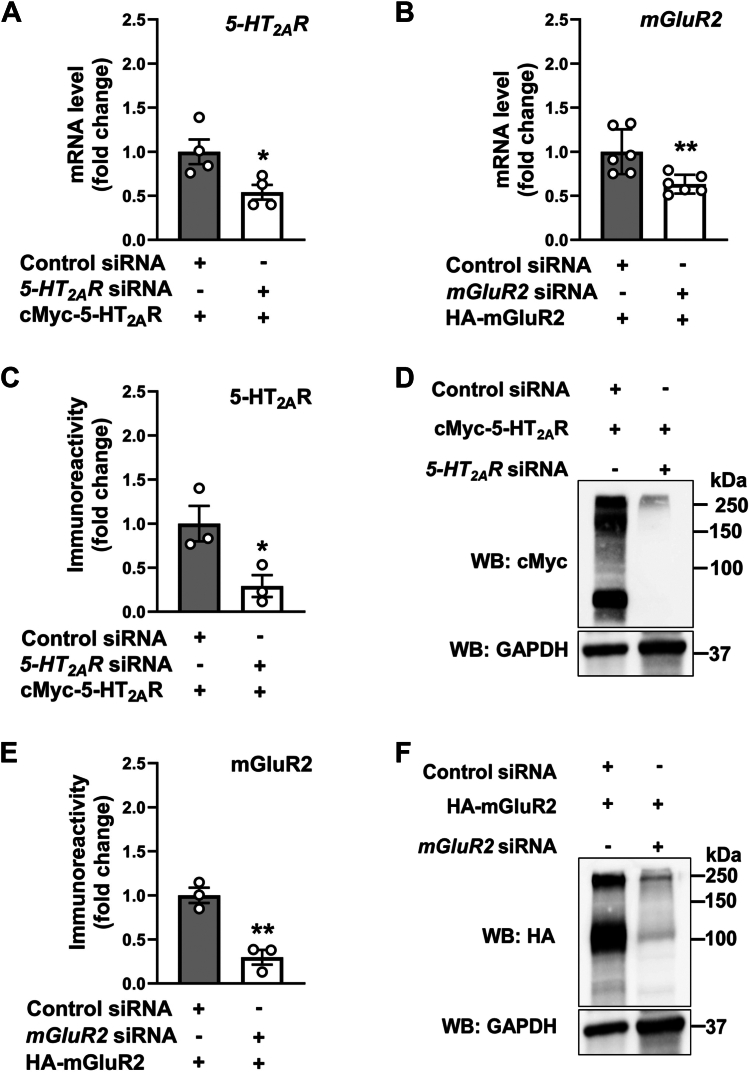 Figure 1
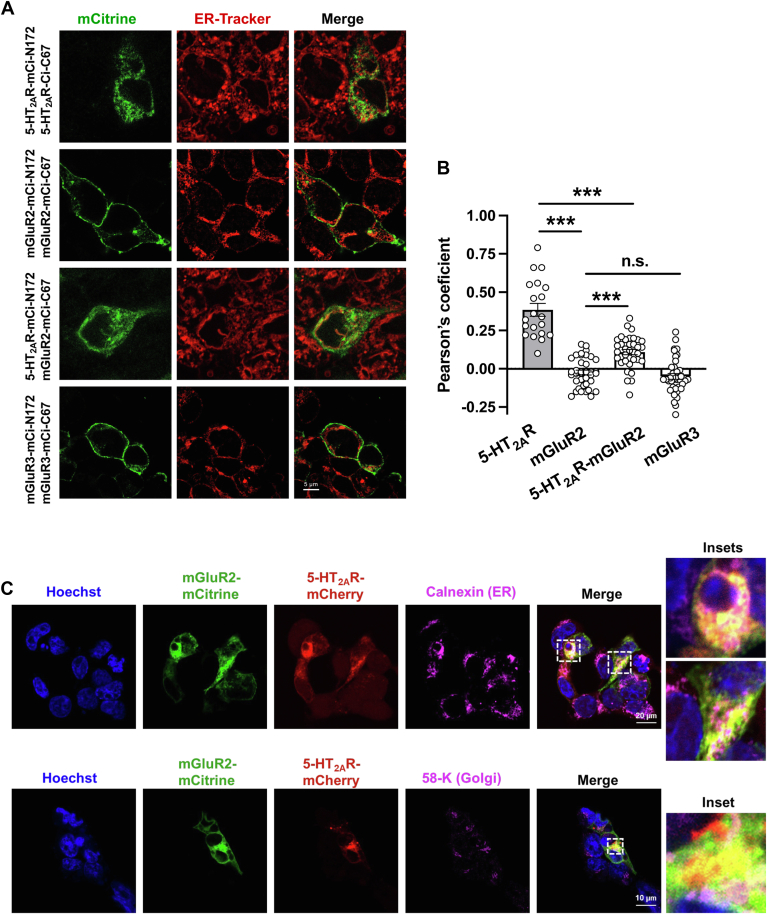 Figure 2
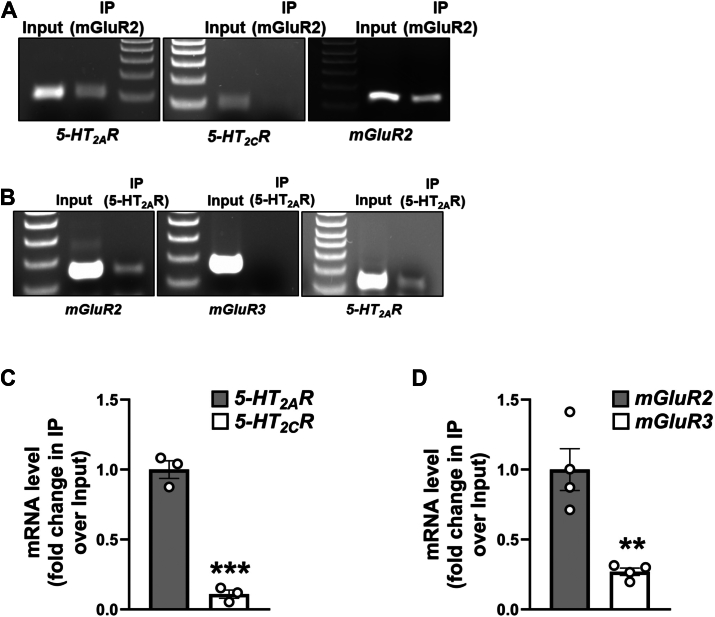 Figure 3
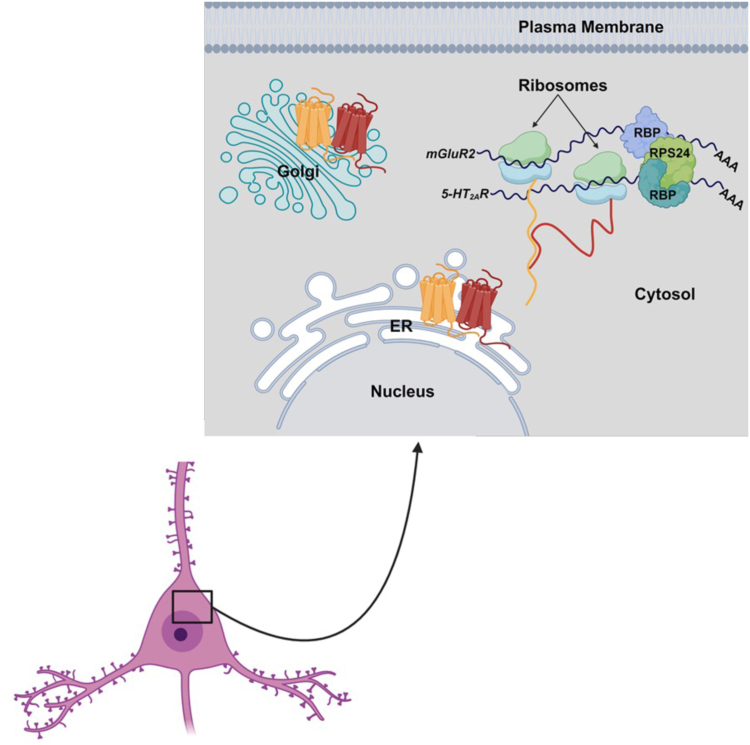 Figure 4
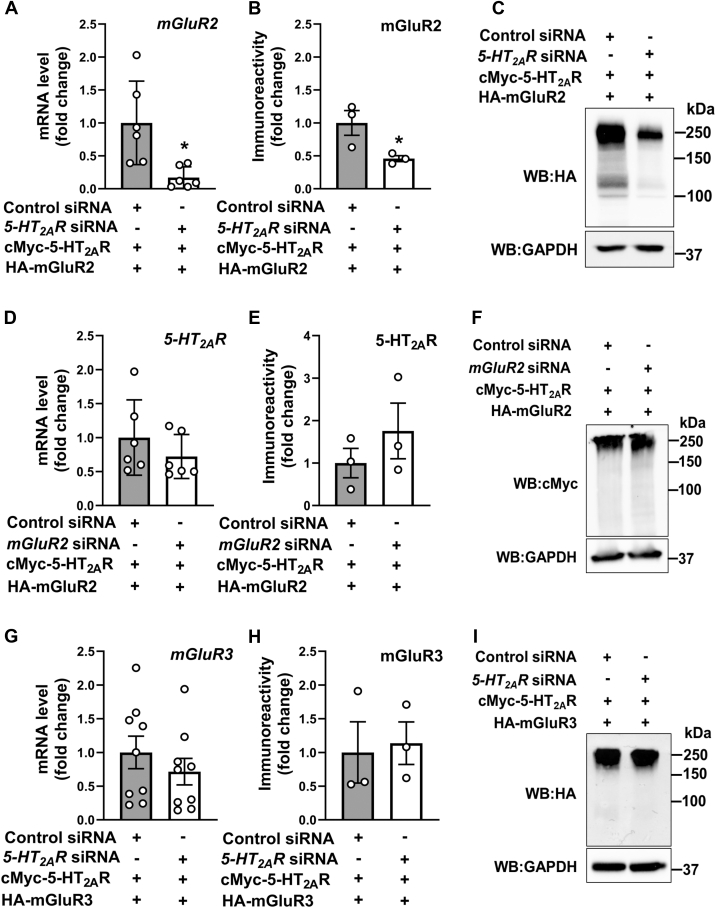 Figure 5
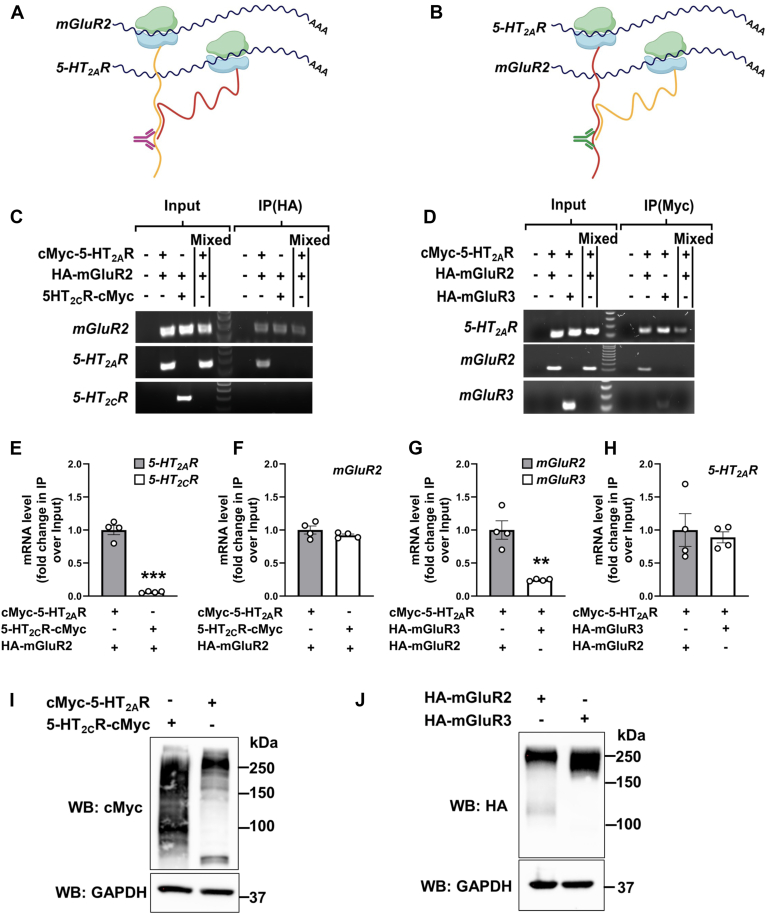 Figure 6
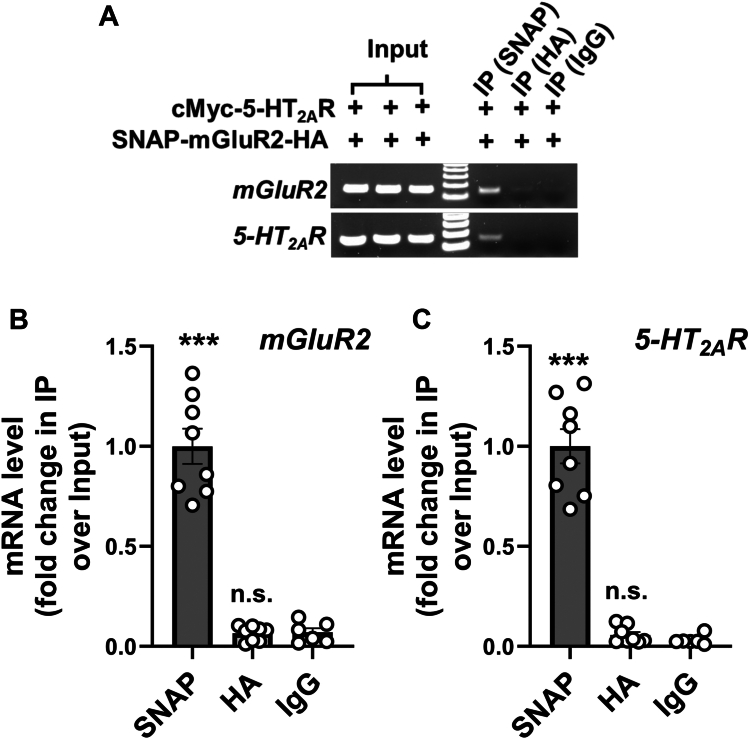 Figure 7
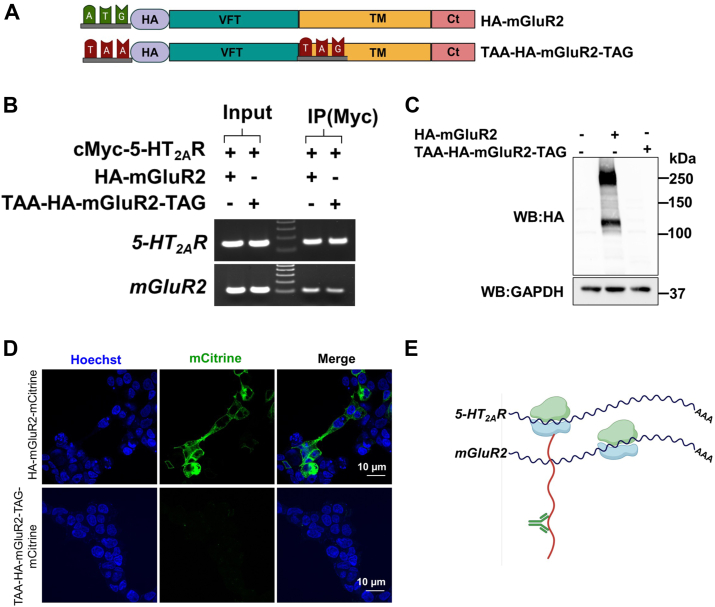 Figure 8
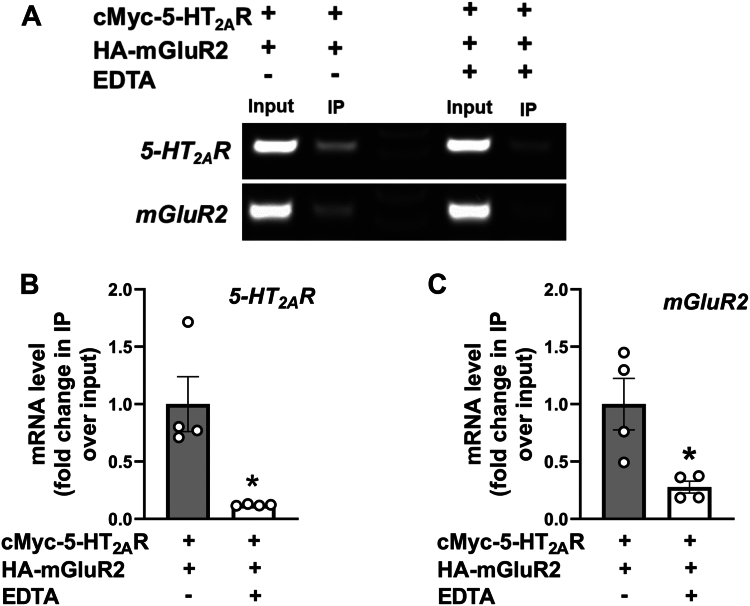 Figure 9
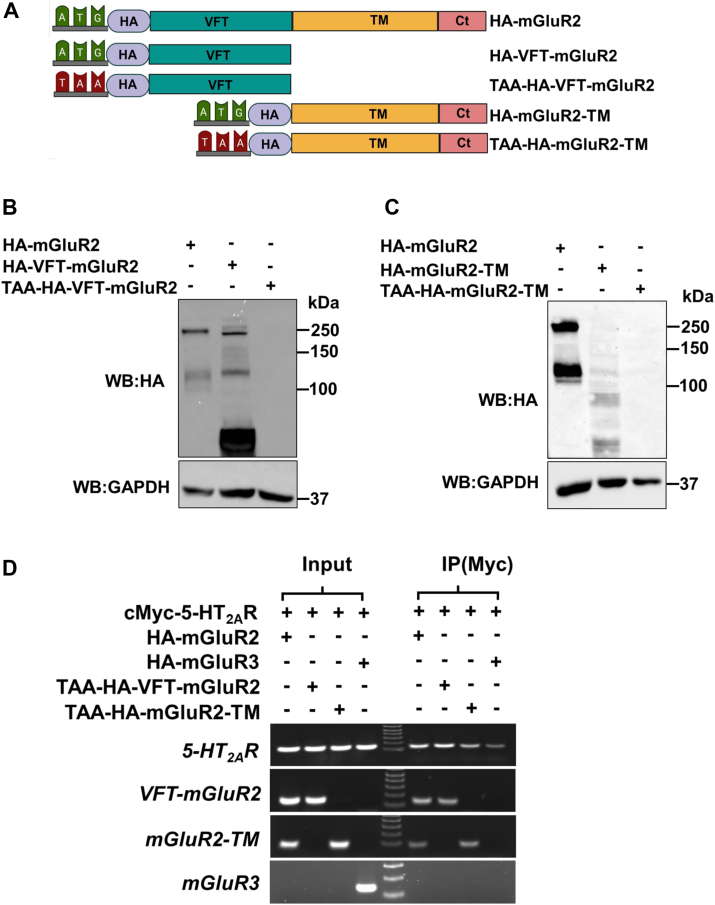 Figure 10
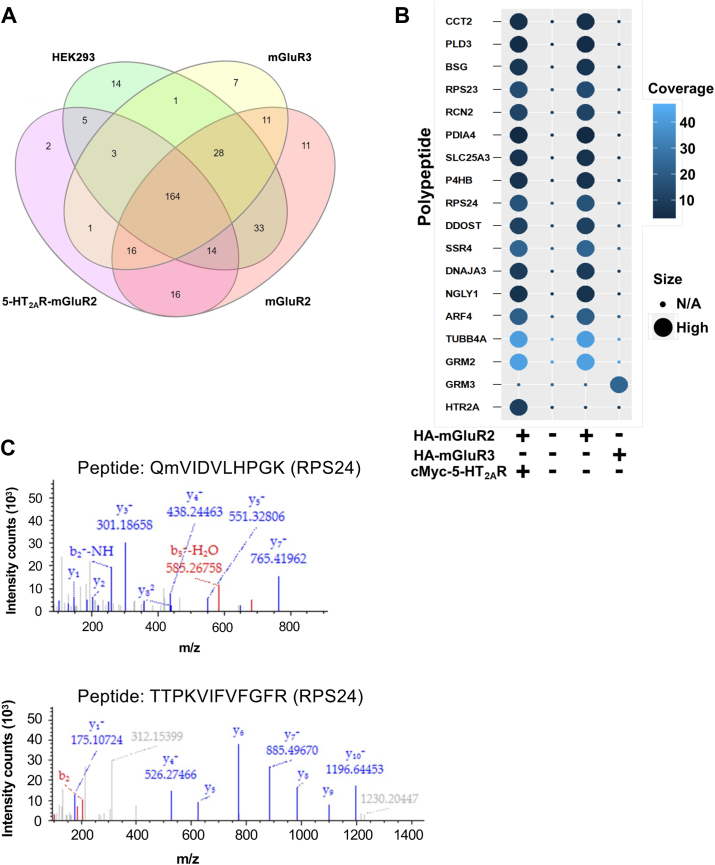 Figure 11
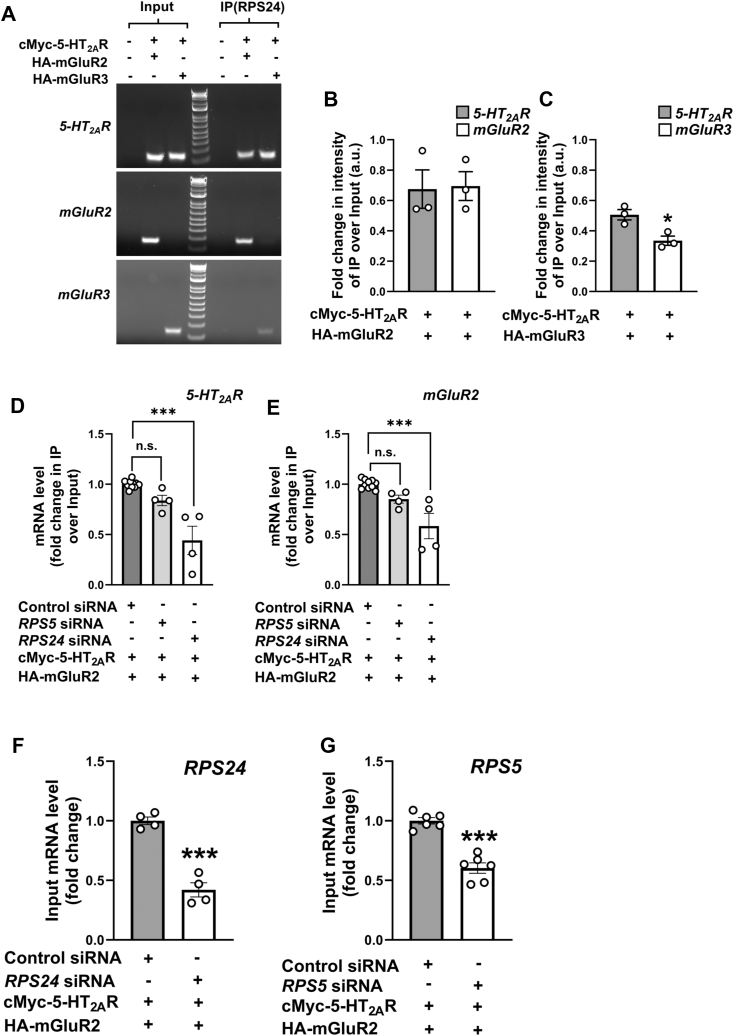 Figure 12
Peer Reviews
No public reviews on file for this paper yet. If you reviewed it on a platform where reviews are public (OpenReview, ICLR, NeurIPS, ICML), you can paste yours below so the community can read it here.
Videos
No videos yet. Explain this paper in a talk, walkthrough, or lecture? Add one.
Taxonomy
TopicsReceptor Mechanisms and Signaling · Neuroscience and Neuropharmacology Research · Chemical Synthesis and Analysis