High electron transfer efficiency accordion-shaped HNiZn heterostructure nanozyme for low-temperature photo-catalytic enhanced therapy of bacterial infection wounds
Hanjie Wang, Xinqi Guo, Ying Tan, Junxu Yang, Yuting Ye, Miao Mo, Yanling Liang, Guanhua Li, Zhangrui Huang, Li Zheng, Xiaofei Ding, Jingping Zhong, Jinmin Zhao

TL;DR
This paper introduces a new nanozyme that efficiently treats bacterial infections in wounds using low-temperature photocatalytic and photothermal therapy.
Contribution
The novel HNiZn heterostructure nanozyme demonstrates superior electron transfer efficiency and broad-spectrum antibacterial activity.
Findings
HNiZn shows high photothermal conversion efficiency (51.01%) and effective killing of E. coli and MRSA.
The nanozyme promotes wound healing and exhibits biosafety in vivo.
Mechanistically, HNiZn disrupts bacterial biosynthesis and redox balance, inducing apoptosis.
Abstract
Bacterial and drug-resistant bacterial infections pose significant challenges to the treatment of skin wounds. Among various non-antibiotic strategies, nanozymes which mimic the activities of natural bioenzymes and possess broad-spectrum antibacterial properties, hold promise for antibacterial therapy in infected wounds. However, the catalytic activity and biosafety of most current nanozymes remain insufficient to meet clinical requirements. Herein, we innovatively synthesized novel heterostructured nanozymes (HNiZn) comprising Ni4N/Ni3ZnC0.7 embedded in accordion-shaped nitrogen-doped carbon using a simple molten-salt pyrolysis method. Combined with injectable hyaluronic acid (HA) as a carrier, these nanozymes facilitate low-temperature (43.5 °C) photocatalytic and photothermal therapy for bacterially infected wounds. Based on density functional theory (DFT) calculations, the…
Genes, proteins, chemicals, diseases, species, mutations and cell lines named across the full text — each resolved to its canonical identifier and authoritative record.
Click any figure to enlarge with its caption.
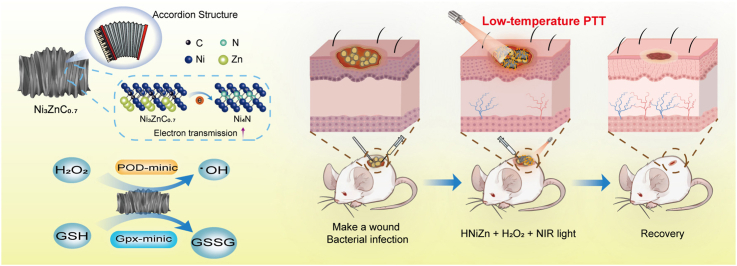 Figure 1
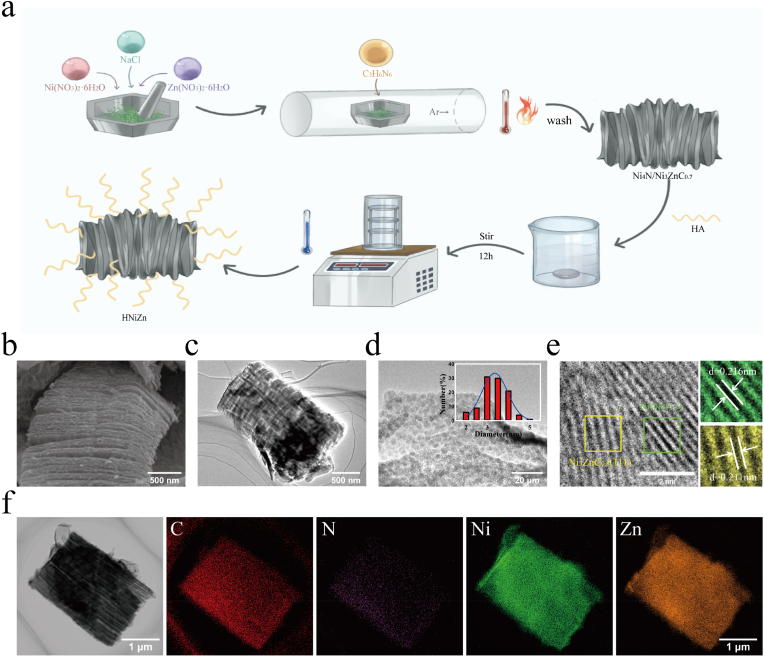 Figure 2
 Figure 3
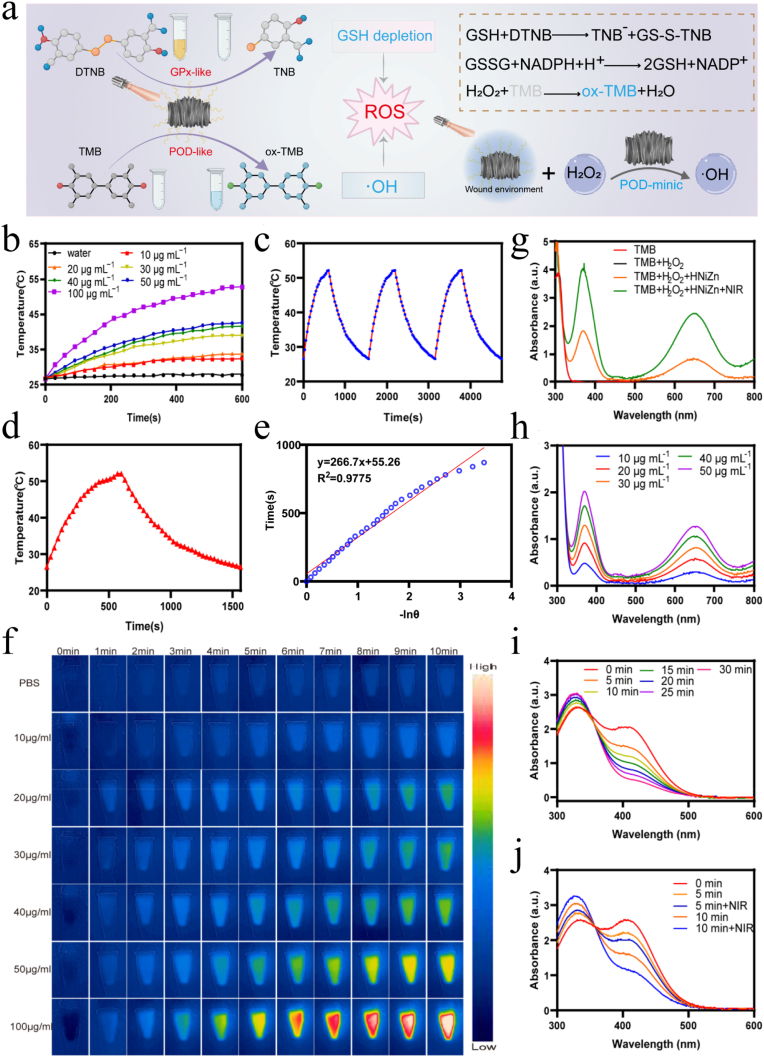 Figure 4
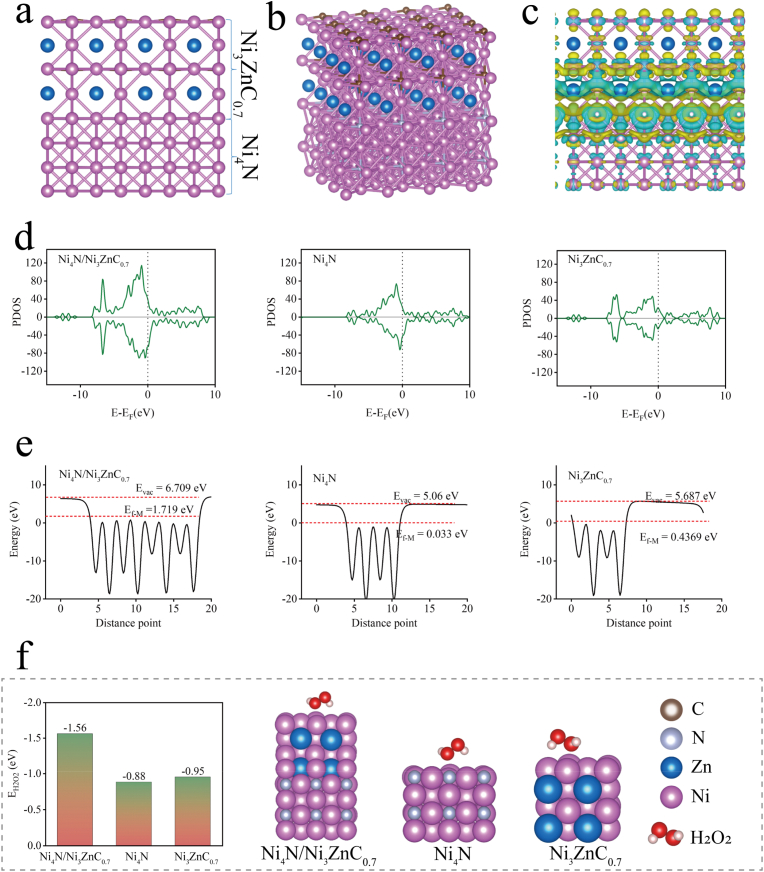 Figure 5
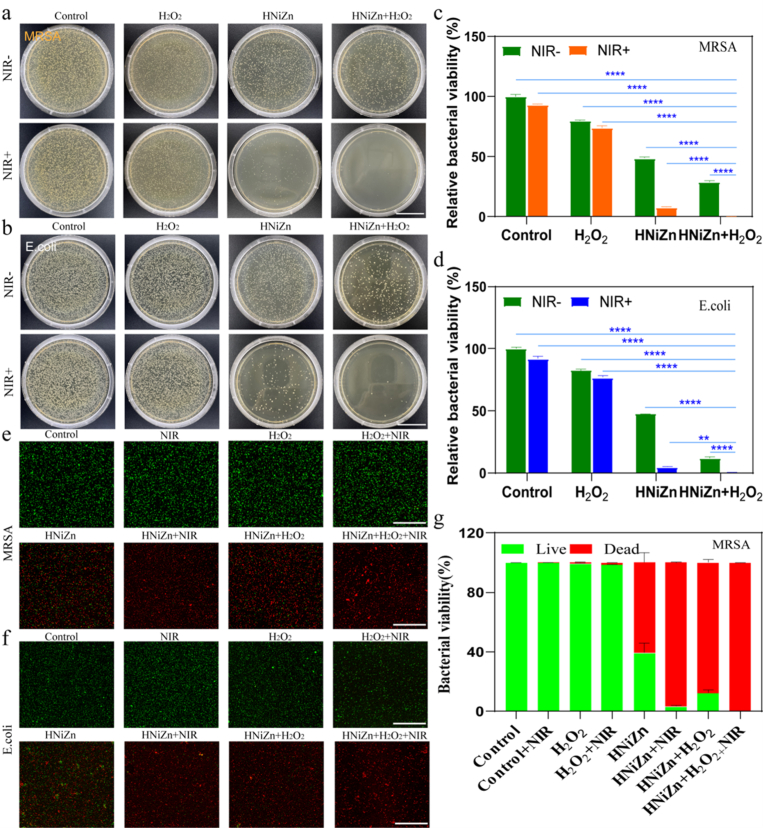 Figure 6
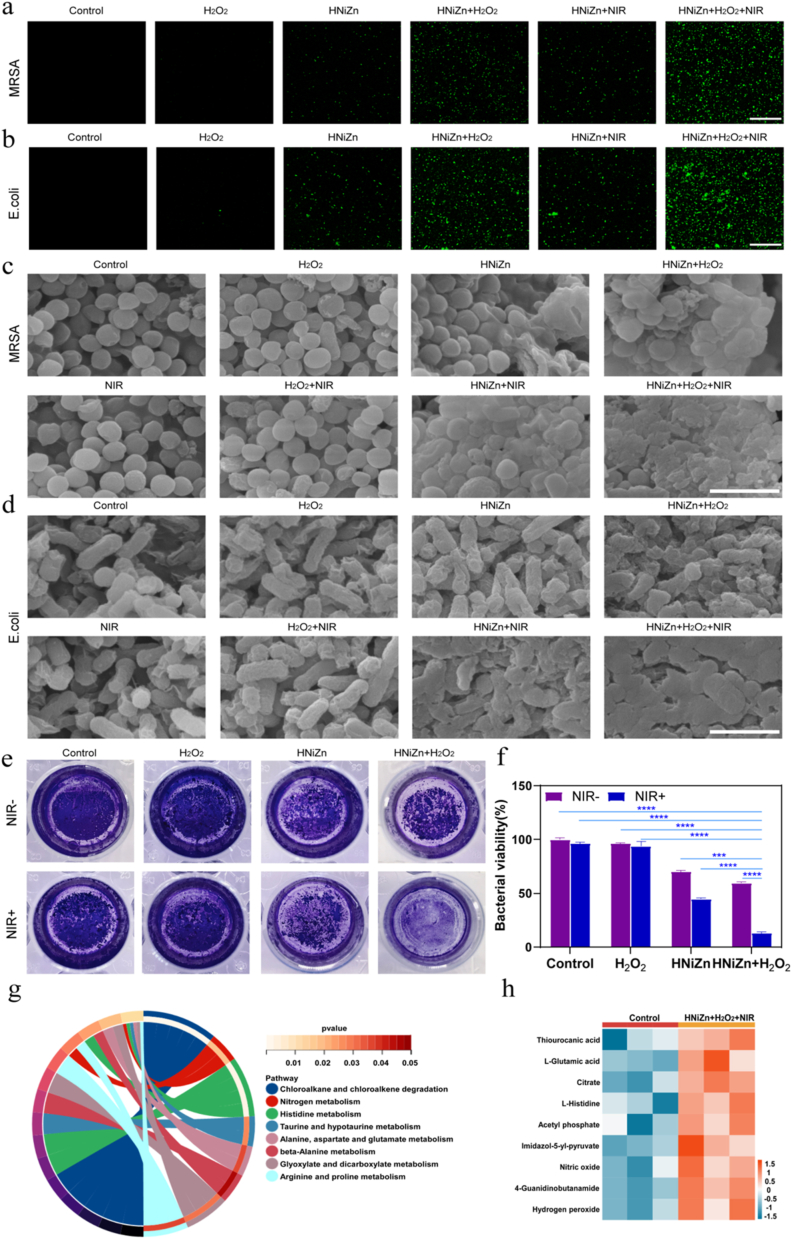 Figure 7
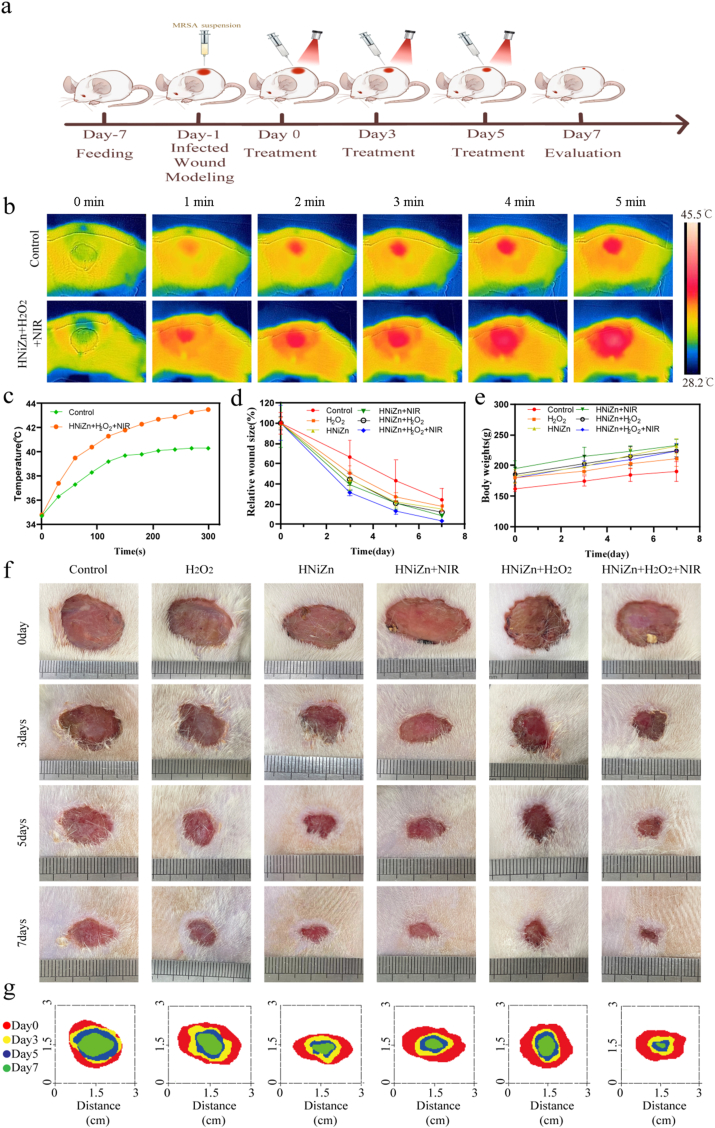 Figure 8
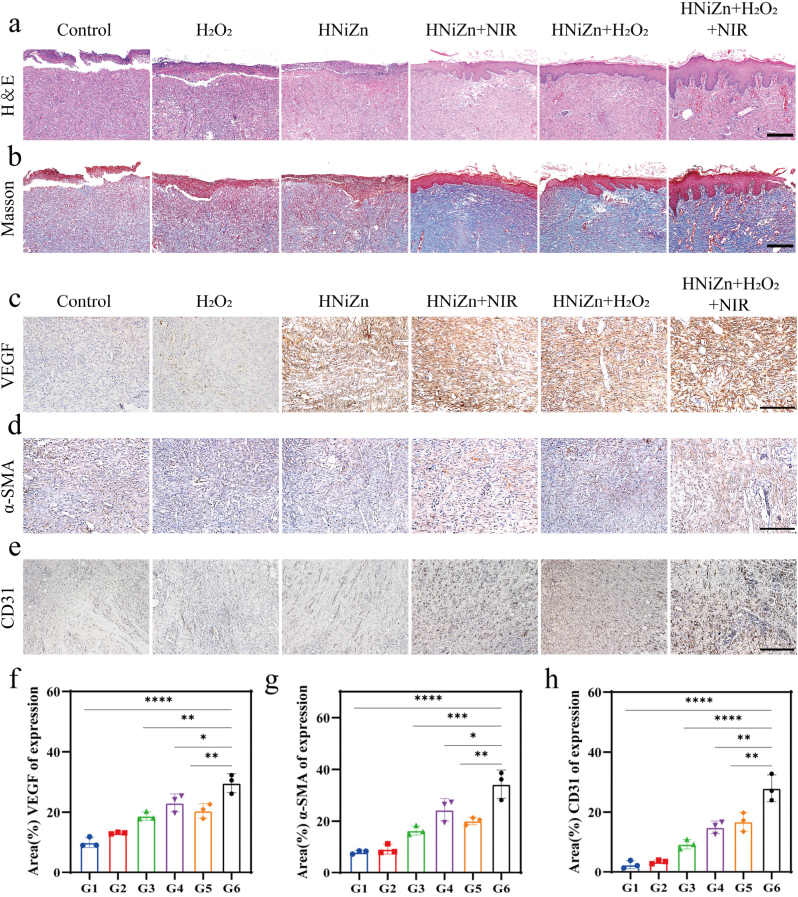 Figure 9
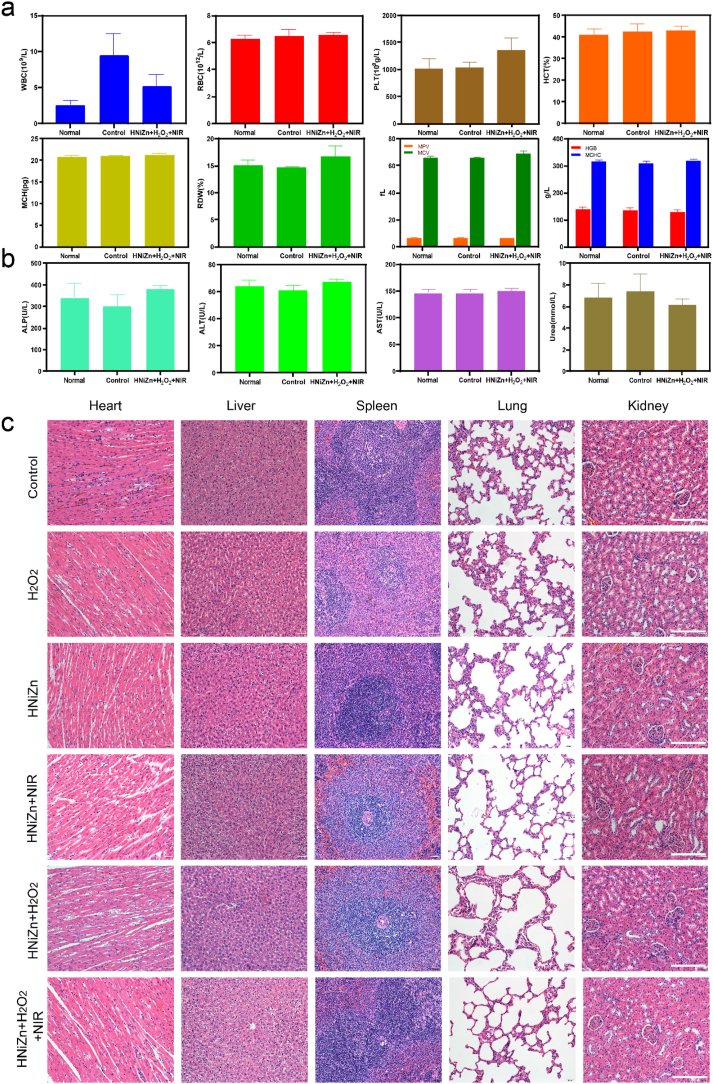 Figure 10
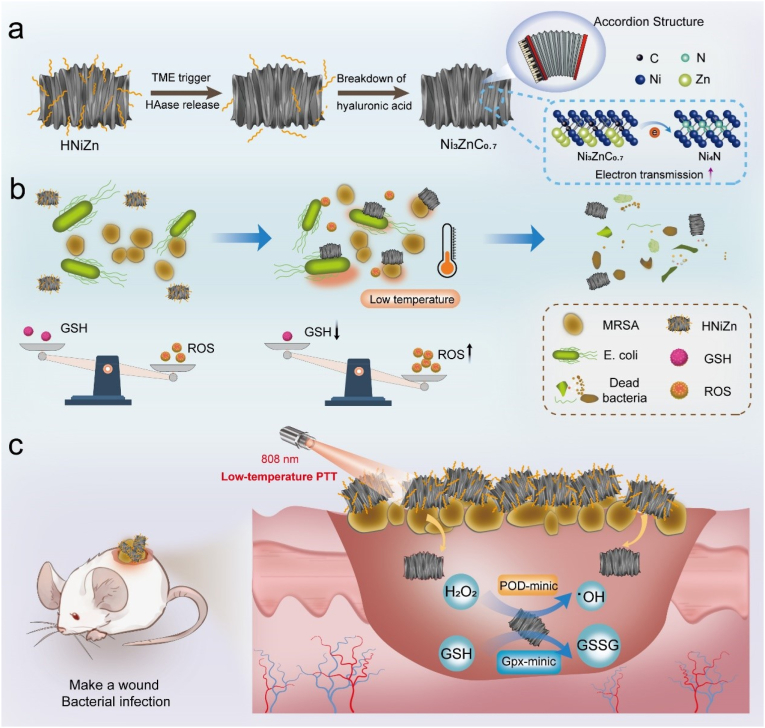 Figure 11
Peer Reviews
No public reviews on file for this paper yet. If you reviewed it on a platform where reviews are public (OpenReview, ICLR, NeurIPS, ICML), you can paste yours below so the community can read it here.
Videos
No videos yet. Explain this paper in a talk, walkthrough, or lecture? Add one.
Taxonomy
TopicsAdvanced Nanomaterials in Catalysis · Advanced Photocatalysis Techniques · Nanoplatforms for cancer theranostics