Thrombotic Microangiopathy After Lung Transplantation: A Retrospective Observational Multicenter Cohort Study
Pierre Gazengel, Vincent Bunel, Kinan El-Husseini, Mohamad Zaidan, Edouard Lefevre, Romain Kessler, Xavier Demant, Loïc Falque, Emmanuel Eschapasse, Thomas Villeneuve, Gaelle Dauriat, Pauline Pradère, Olaf Mercier, Elie Fadel, Clément Picard, Jérôme Le Pavec

TL;DR
Thrombotic microangiopathy (TMA) after lung transplantation is rare but deadly, with high mortality and limited treatment options.
Contribution
This study is the first multicenter cohort analysis of TMA after lung or heart-lung transplantation, focusing on outcomes and treatment strategies.
Findings
TMA occurred in 1.8% of lung transplant recipients, with a 48% mortality rate.
Belatacept therapy improved kidney function but increased adverse events like infections.
High CNI levels and combined CNI/mTOR therapy were major risk factors for TMA.
Abstract
Thrombotic microangiopathy (TMA) is a well-recognized complication of solid-organ transplantation that chiefly affects the kidneys. The objective of this study was to describe TMA features and outcomes after lung transplantation. This retrospective observational study included patients with TMA following lung or heart-lung transplantation at eight French centers in 2006–2023. Univariate and multivariate analyses were done to identify factors associated with outcomes. Of the 4565 patients, 82 (1.8%) experienced TMA, at a median of 19 [6−34] months after transplantation; among them, 79 were included (51% female; median age 50 [33−61] years). Mortality during the median follow-up of 31 [11−66] months was 38/79 (48%). Etiological factors were above-target calcineurin inhibitor (CNI) trough levels (48%), combined CNI and mTOR inhibitor therapy (23%), and infection (9%). CNI was continued…
Genes, proteins, chemicals, diseases, species, mutations and cell lines named across the full text — each resolved to its canonical identifier and authoritative record.
Click any figure to enlarge with its caption.
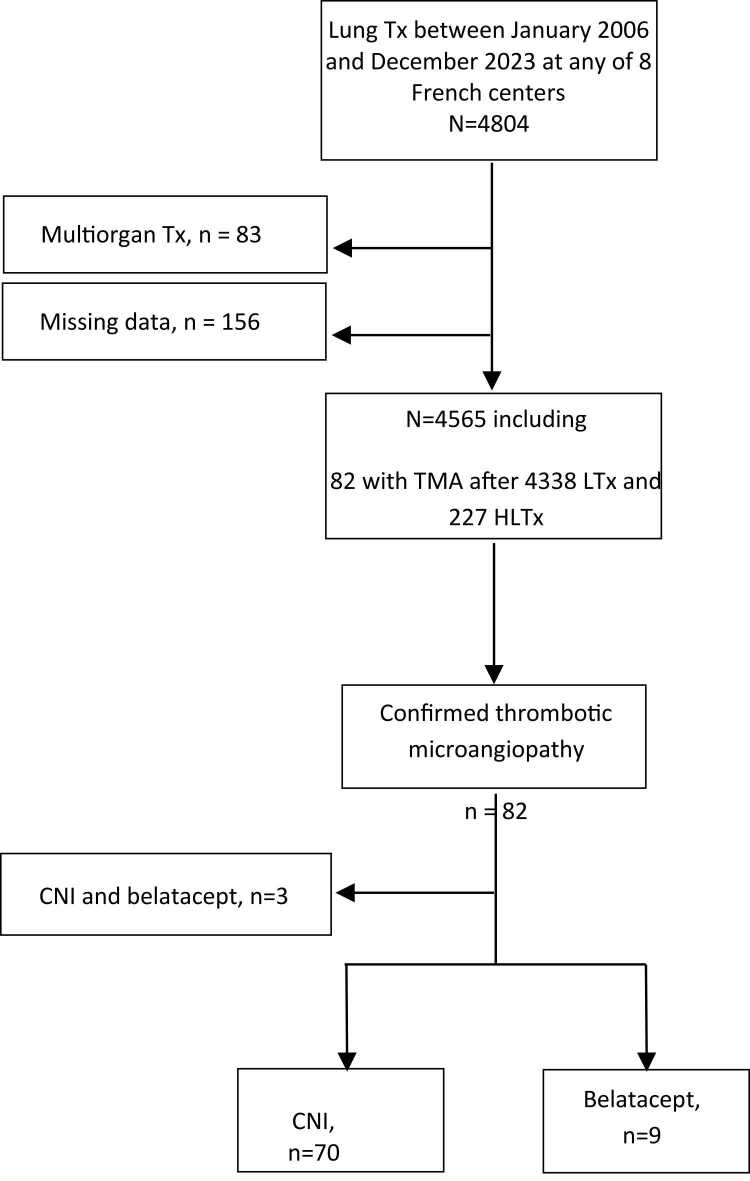 Figure 1
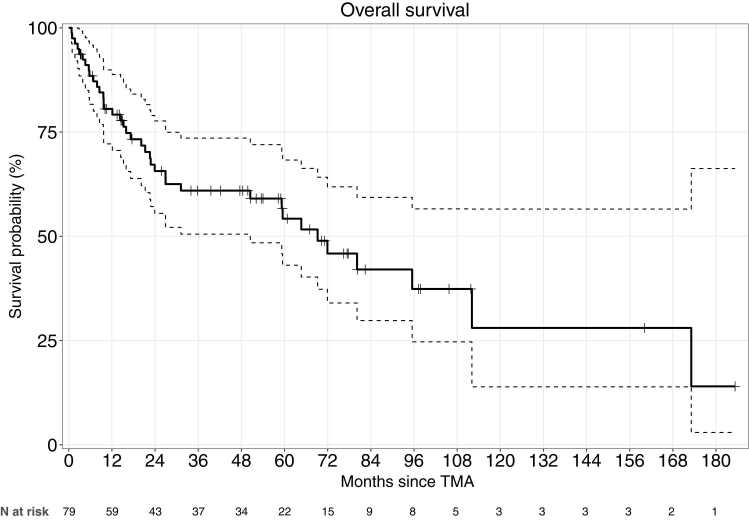 Figure 2
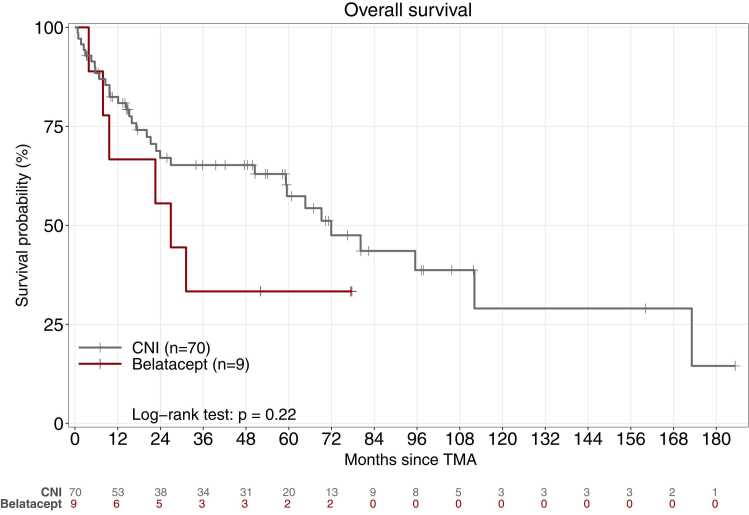 Figure 3
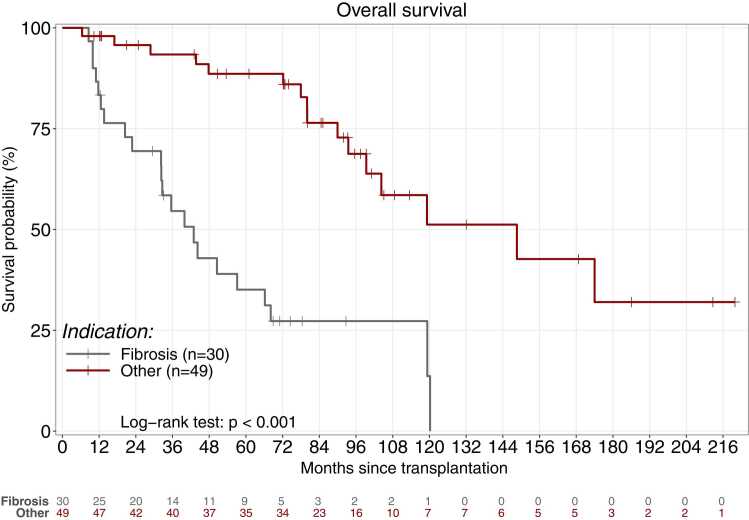 Figure 4
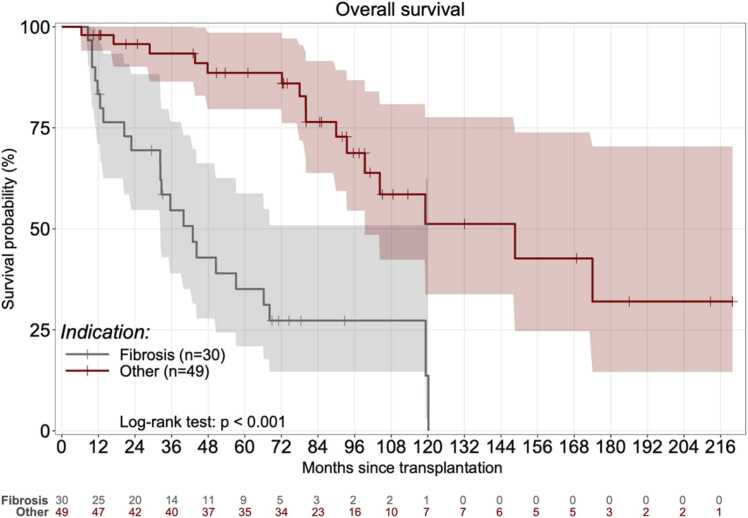 Figure 5
Peer Reviews
No public reviews on file for this paper yet. If you reviewed it on a platform where reviews are public (OpenReview, ICLR, NeurIPS, ICML), you can paste yours below so the community can read it here.
Videos
No videos yet. Explain this paper in a talk, walkthrough, or lecture? Add one.
Taxonomy
TopicsTransplantation: Methods and Outcomes · Renal Transplantation Outcomes and Treatments · Complement system in diseases