Using the Welfare Quality® framework to develop a welfare assessment protocol for captive chimpanzees (Pan troglodytes)
Niamh Mc Gill, Miguel Bueno, Neil E. Anderson

TL;DR
This paper adapts the EU Welfare Quality® framework to create a welfare assessment protocol for captive chimpanzees, focusing on promoting positive welfare.
Contribution
The first adaptation of the Welfare Quality® protocol for chimpanzees using species-specific indicators.
Findings
14 animal-based and 16 resource-based welfare indicators were identified for chimpanzees.
The adapted protocol aligns with the 12 criteria and four principles of Welfare Quality®.
The study demonstrates how to develop species-specific welfare tools using natural history and biology.
Abstract
Good welfare is of inherent value to all captive animals and promotes species conservation objectives. Concern for animal welfare is growing globally, and research shows that animal welfare is a top priority for zoo visitors. There is, therefore, an urgent need for zoos to develop and validate species-specific welfare assessment tools with a shift in focus away from avoiding negative affective states, and towards promoting positive ones. This shift in emphasis requires the development of comprehensive and robust welfare assessment protocols incorporating species-specific indicators. This study aimed to identify and propose welfare indicators for captive chimpanzees (Pan troglodytes) that could be used to adapt the EU Welfare Quality® protocol for this species. A literature review was carried out according to the Preferred Reporting Items for Systematic Reviews and Meta-analyses (PRISMA)…
Genes, proteins, chemicals, diseases, species, mutations and cell lines named across the full text — each resolved to its canonical identifier and authoritative record.
Click any figure to enlarge with its caption.
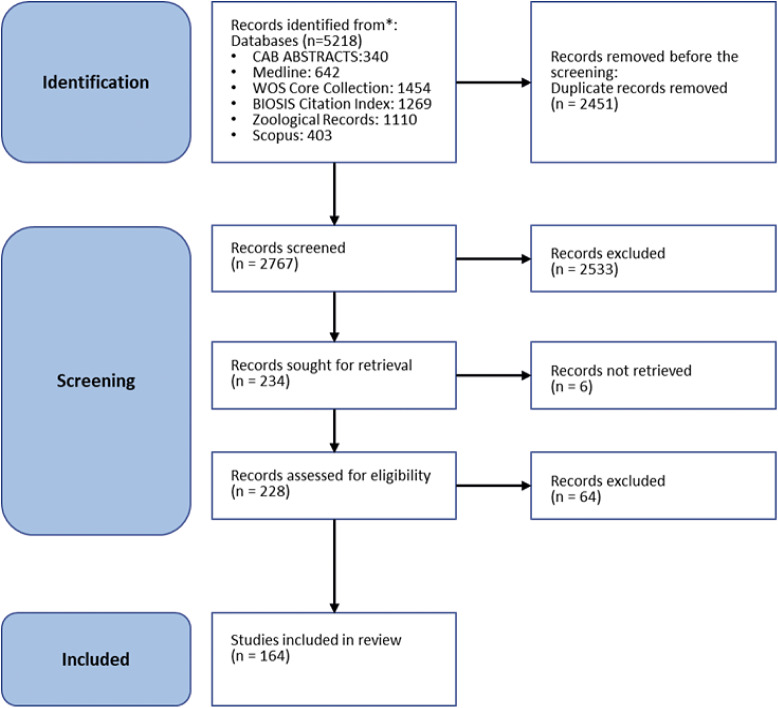 Figure 1
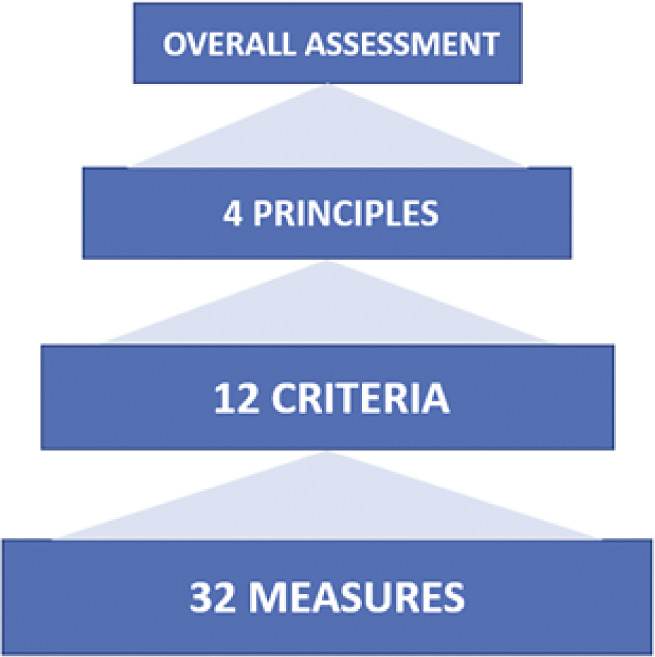 Figure 2
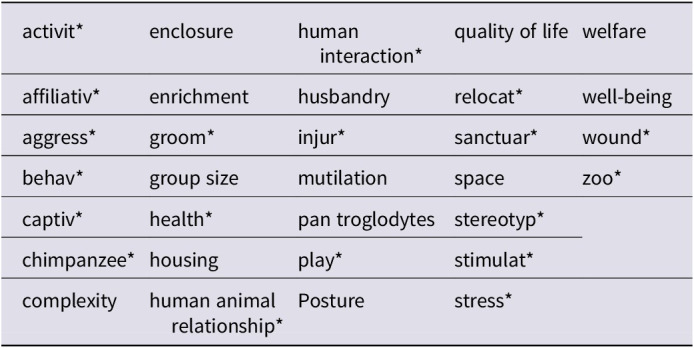 Figure 3
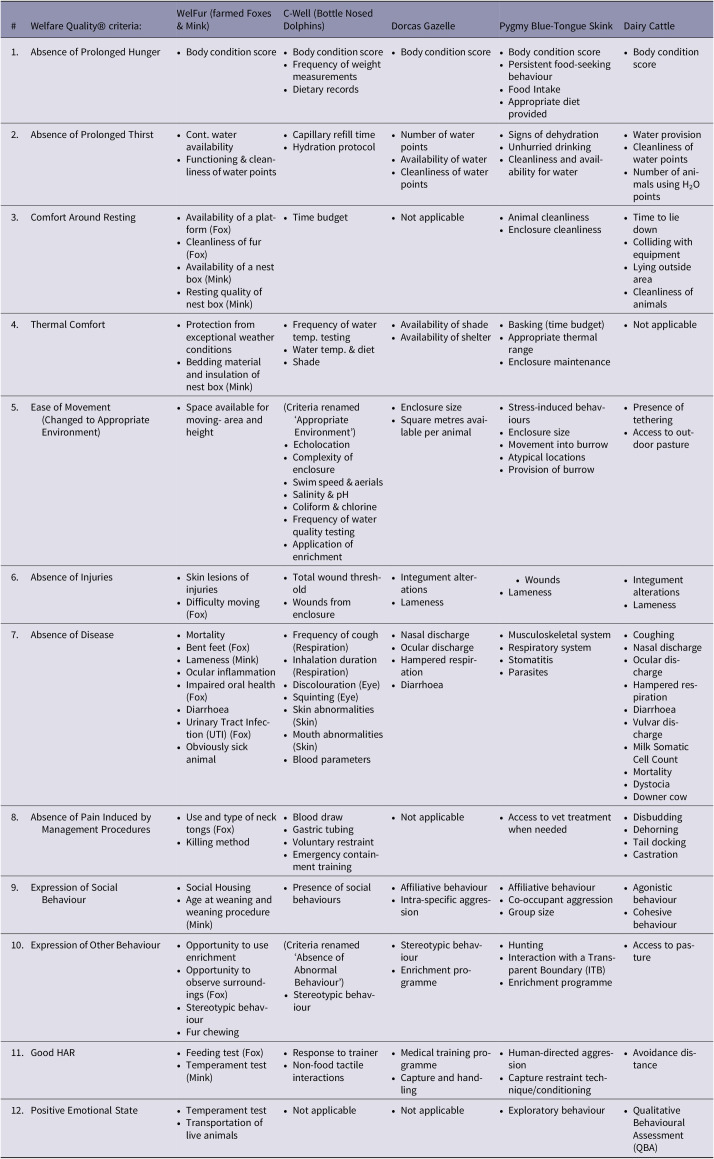 Figure 4
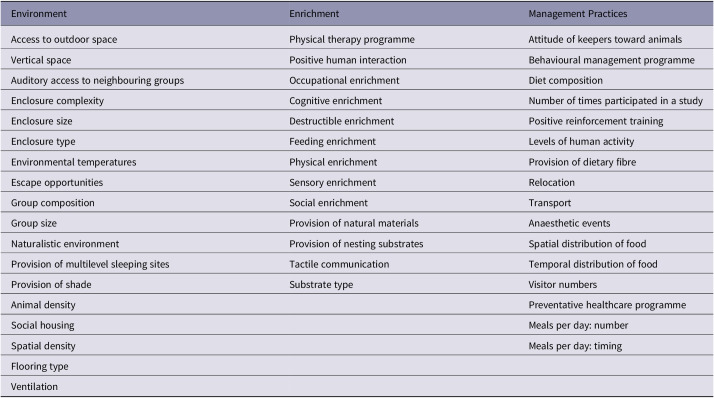 Figure 5
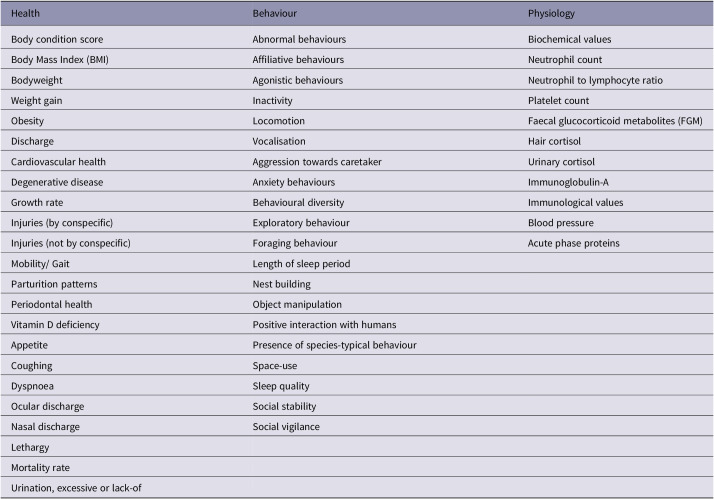 Figure 6
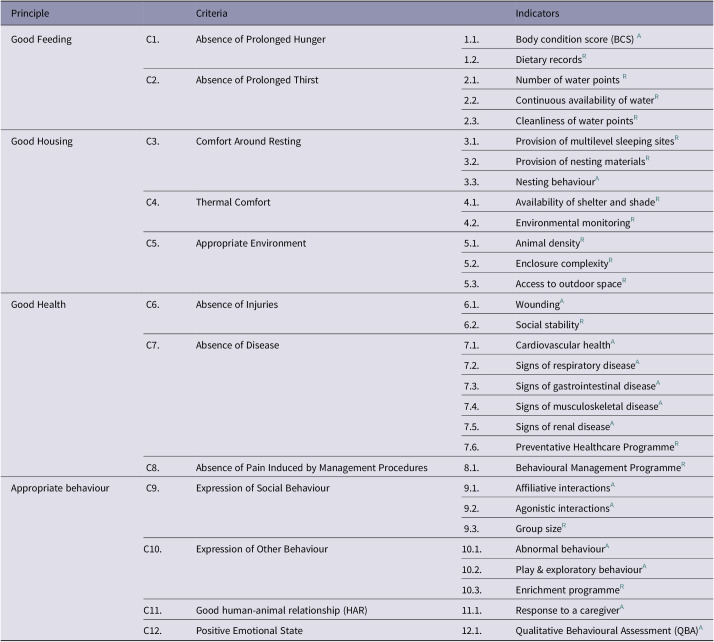 Figure 7
Peer Reviews
No public reviews on file for this paper yet. If you reviewed it on a platform where reviews are public (OpenReview, ICLR, NeurIPS, ICML), you can paste yours below so the community can read it here.
Videos
No videos yet. Explain this paper in a talk, walkthrough, or lecture? Add one.
Taxonomy
TopicsAnimal Behavior and Welfare Studies · Human-Animal Interaction Studies · Primate Behavior and Ecology