The dawn of biophysical representations in computational immunology
Eric Wilson, Akshansh Kaushik, Soumya Dutta, Abhishek Singharoy, Mohd Ahsan

TL;DR
This paper argues that using biophysical models in immunology can better connect genetic data to biological outcomes and improve the speed and interpretability of computational methods.
Contribution
The novelty lies in advocating for biophysical representations to enhance genotype-phenotype mapping with interpretability and efficiency.
Findings
Biophysical representations reduce the complexity of genotype-phenotype mapping problems.
These representations provide interpretable insights across multiple biological scales.
They can accelerate computational algorithms in immunology.
Abstract
Computational immunology has been the breeding ground of some of the best bioinformatics work of the day. By melding diverse data types, these approaches have been successful in associating genotypes with phenotypes. However, the representations (or spaces) in which these associations are mapped have primarily been constructed from some omics-oriented sequence data typically derived from high-throughput experiments. In this perspective, we highlight the importance of biophysical representations for performing the genotype–phenotype map. We contend that using biophysical representations reduces the dimensionality of a search problem, dramatically expedites the algorithm, and more importantly, offers physical interpretability to the classes of clustered sequences across different layers of complexity – molecular, cellular, or macro-level. Such biophysical interpretations offer a firm…
Genes, proteins, chemicals, diseases, species, mutations and cell lines named across the full text — each resolved to its canonical identifier and authoritative record.
Click any figure to enlarge with its caption.
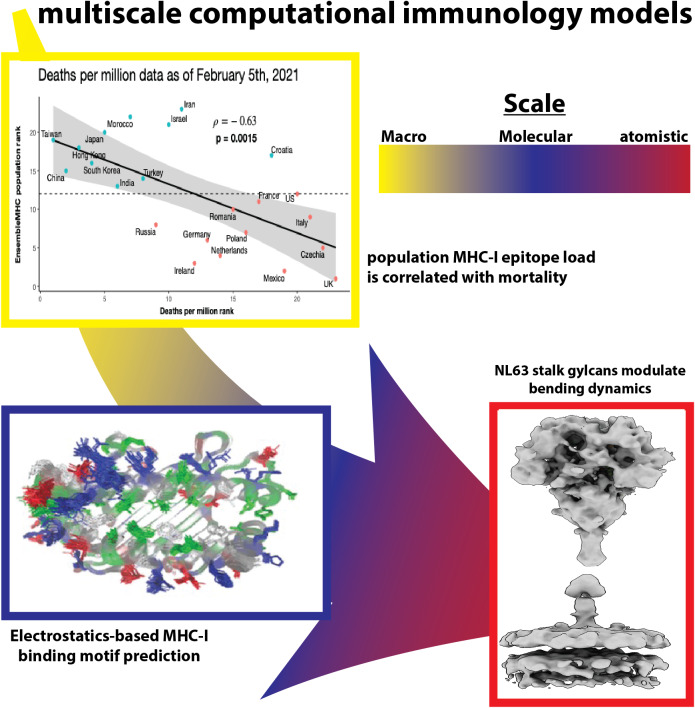 Figure 1
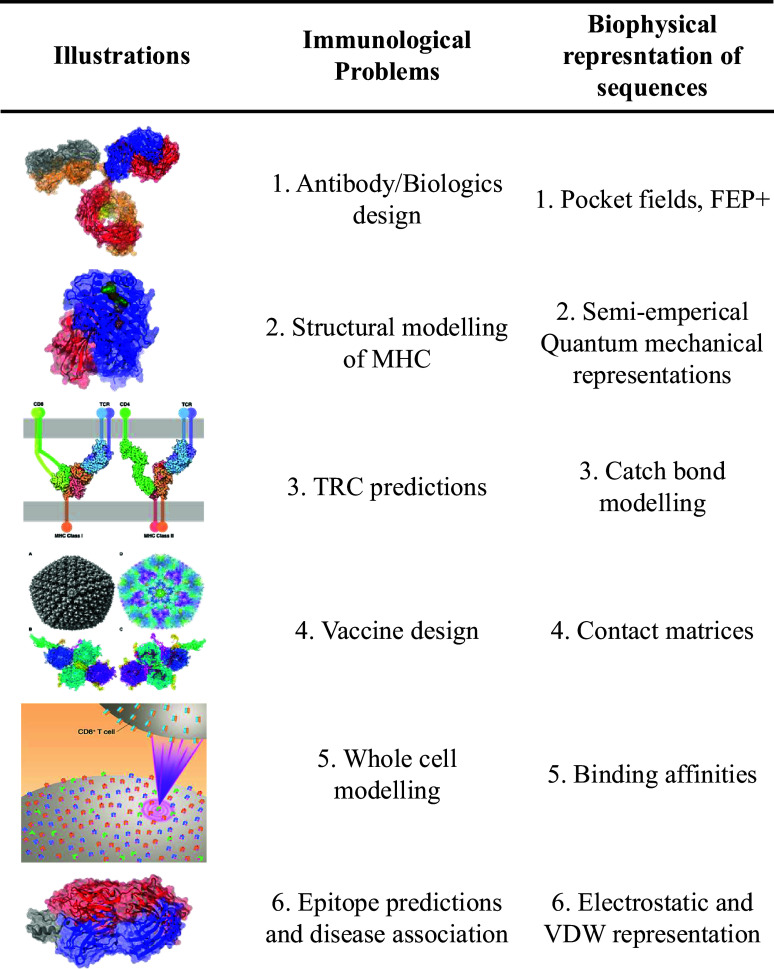 Figure 2
Peer Reviews
No public reviews on file for this paper yet. If you reviewed it on a platform where reviews are public (OpenReview, ICLR, NeurIPS, ICML), you can paste yours below so the community can read it here.
Videos
No videos yet. Explain this paper in a talk, walkthrough, or lecture? Add one.
Taxonomy
TopicsAdvanced biosensing and bioanalysis techniques · Quantum-Dot Cellular Automata · Molecular Junctions and Nanostructures