Combined use of Chrysoperla rufilabris (Neuroptera: Chrysopidae) and Cry3Aa for improved control of Leptinotarsa decemlineata (Coleoptera: Chrysomelidae)
Matheus Moreira Dantas Pinto, Swati Mishra, Sergio Antonio De Bortoli, Juan Luis Jurat-Fuentes

TL;DR
This study shows that combining a Bt protein with a predatory insect improves control of the Colorado potato beetle, reducing leaf damage and pest numbers.
Contribution
The study demonstrates the effectiveness of combining Cry3Aa with Chrysoperla rufilabris for integrated pest management of the Colorado potato beetle.
Findings
All three larval instars of C. rufilabris showed a type II functional response to CPB larvae.
C. rufilabris larvae attacked more CPB larvae when they were fed on Cry3Aa-treated leaves.
The presence of predators led to complete reduction of CPB larvae and lower leaf damage.
Abstract
The Colorado potato beetle (CPB, Leptinotarsa decemlineata (Say)) is the most important defoliator of solanaceous crops. Control of this pest is hindered by its ability to develop resistance to insecticides, including insecticidal proteins from Bacillus thuringiensis (Bt) Berliner. Therefore, it is important to find alternative tools that may be combined into an integrated pest management approach for CPB control. In this study, we evaluated the efficiency of the combined use of the Cry3Aa protein from Bt and Chrysoperla rufilabris (Burmeister) in controlling CPB. Control of CPB larval second instar at different densities by 3 larval instars of the predator was tested in potato leaves treated with an LC50 concentration of the Cry3Aa protein. Potato leaf damage was evaluated in experiments where CPB larvae were fed with leaves treated with Cry3Aa protein and exposed to predator larvae…
Genes, proteins, chemicals, diseases, species, mutations and cell lines named across the full text — each resolved to its canonical identifier and authoritative record.
Click any figure to enlarge with its caption.
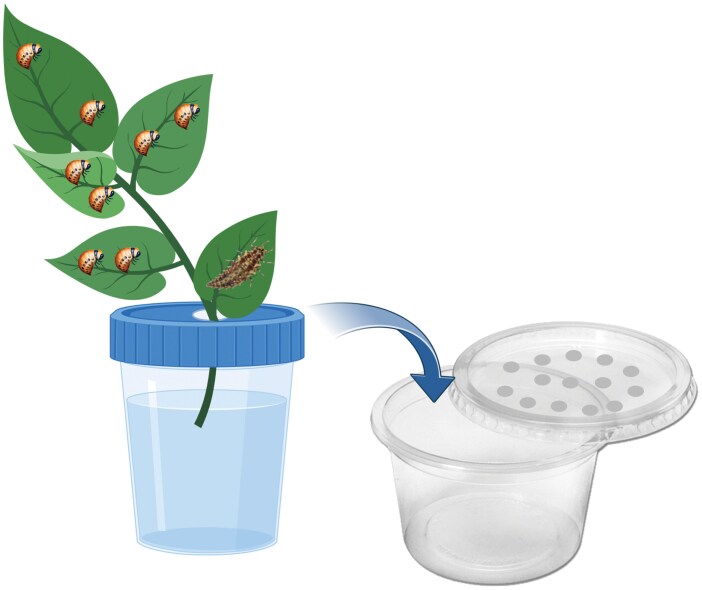 Figure 1
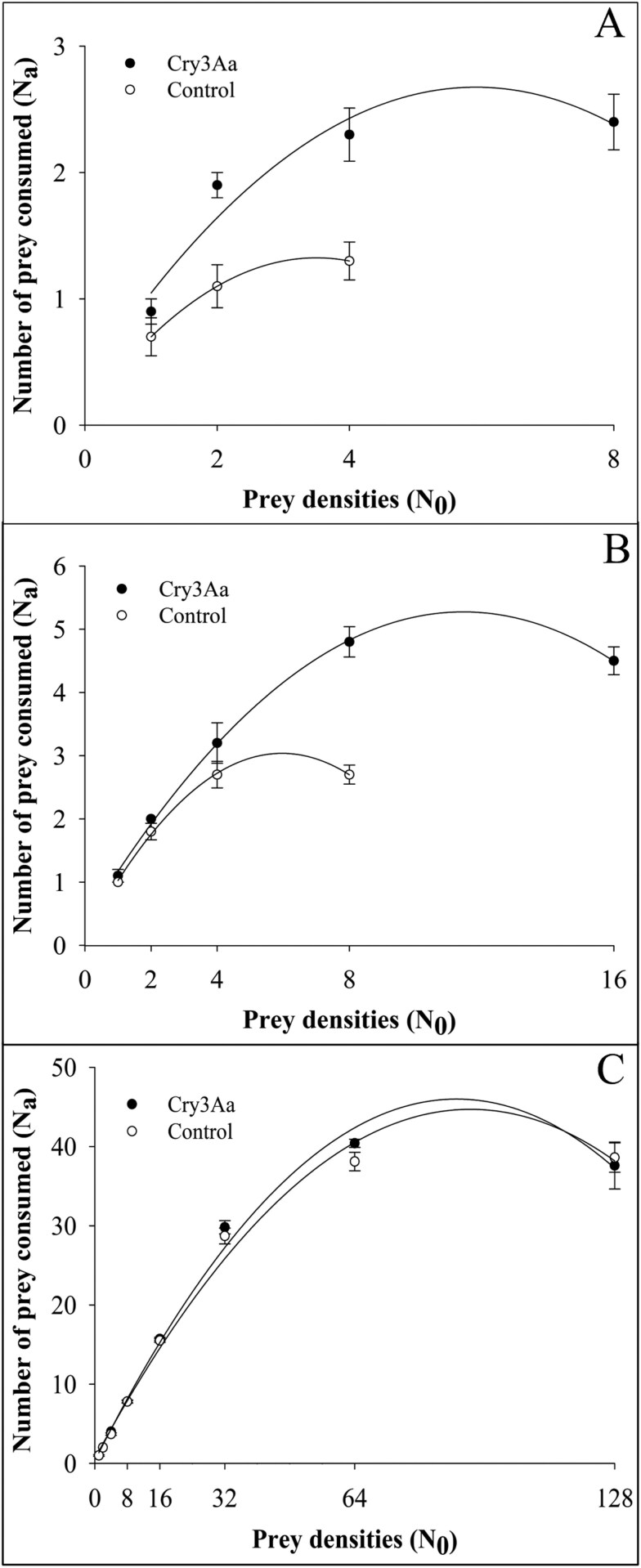 Figure 2
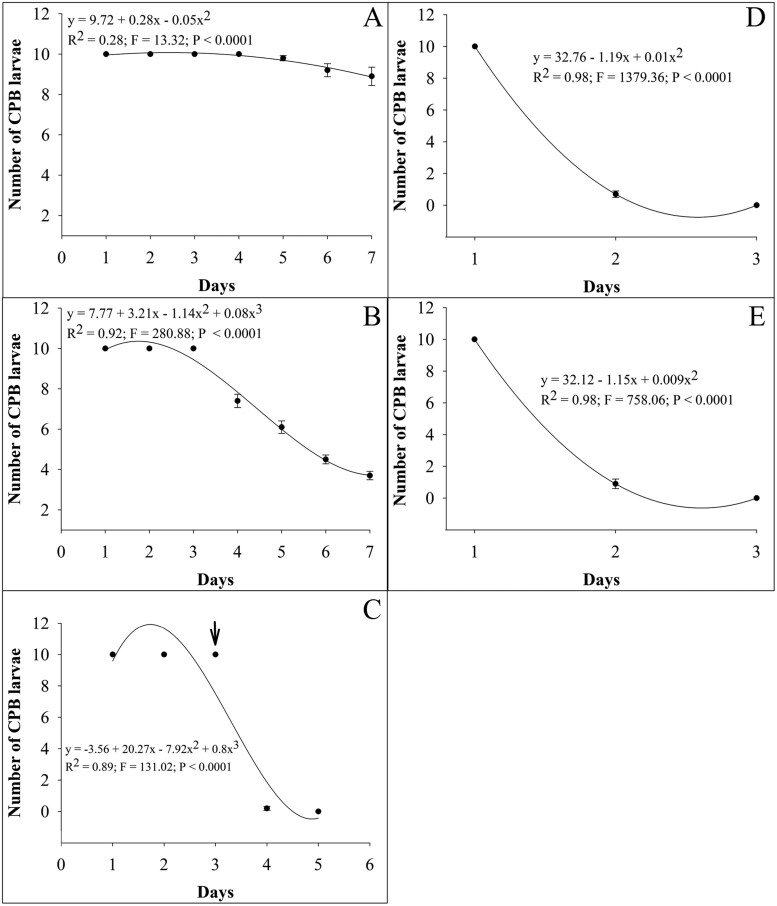 Figure 3
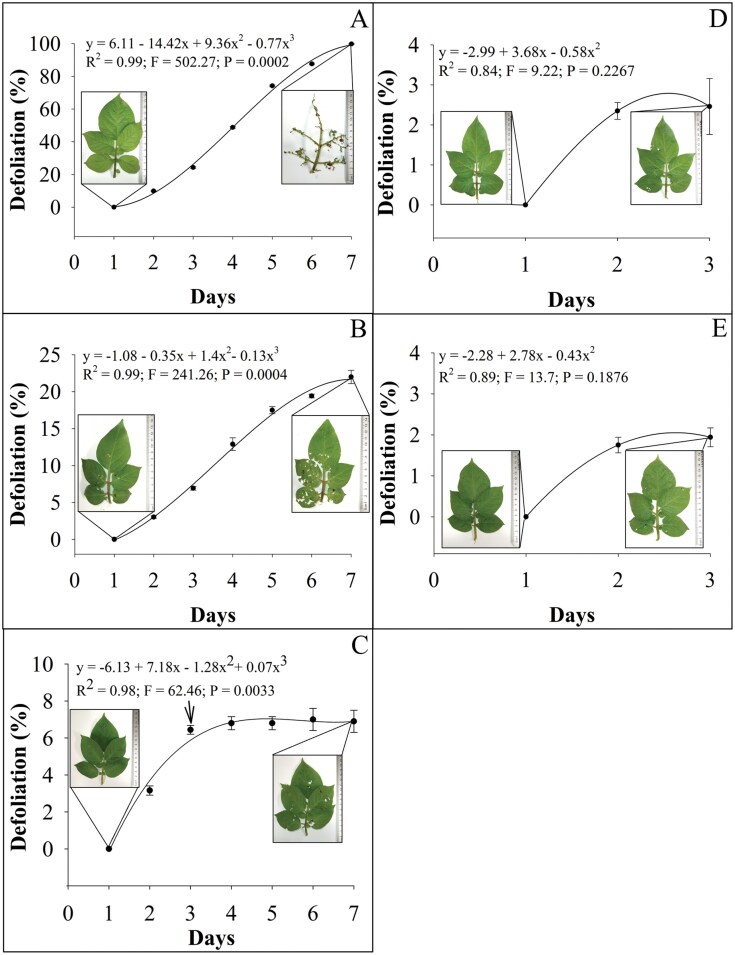 Figure 4
Peer Reviews
No public reviews on file for this paper yet. If you reviewed it on a platform where reviews are public (OpenReview, ICLR, NeurIPS, ICML), you can paste yours below so the community can read it here.
Videos
No videos yet. Explain this paper in a talk, walkthrough, or lecture? Add one.
Taxonomy
TopicsInsect Resistance and Genetics · Insect-Plant Interactions and Control · Entomopathogenic Microorganisms in Pest Control