Textured surface stereoscopy
Nicholas J Wade

TL;DR
This paper explores textured surface stereograms, which create depth perception with both eyes but not with one, and discusses their artistic and visual potential.
Contribution
The paper introduces new methods for constructing complex stereoscopic surfaces using a wide range of carrier patterns.
Findings
Textured surface stereograms reveal depth only when viewed with both eyes.
A variety of carrier patterns can be used to create complex stereoscopic surfaces.
Stereoscopic inclusions and photographs can be integrated into the same anaglyphs.
Abstract
Julesz constructed stereograms in which surfaces in depth could be seen with two eyes but not with either eye alone. He noted that such enclosed surfaces in depth never occur in natural scenes. In contrast, extended stereoscopic surfaces are a natural feature of binocular vision. Examples of constructed textured surface stereograms are presented as anaglyphs. They satisfy the criterion of revealing depth seen with two eyes which is concealed from each eye alone. A wide range of carrier patterns can be employed to construct complex stereoscopic surfaces. Stereoscopic inclusions can be embedded within modulated surface depths in the same anaglyphs, and conventional stereoscopic images (photographs) can be incorporated within constructed stereograms. Textured surface stereograms offer the possibility of extending the artistic expression of stereoscopy.
Genes, proteins, chemicals, diseases, species, mutations and cell lines named across the full text — each resolved to its canonical identifier and authoritative record.
Click any figure to enlarge with its caption.
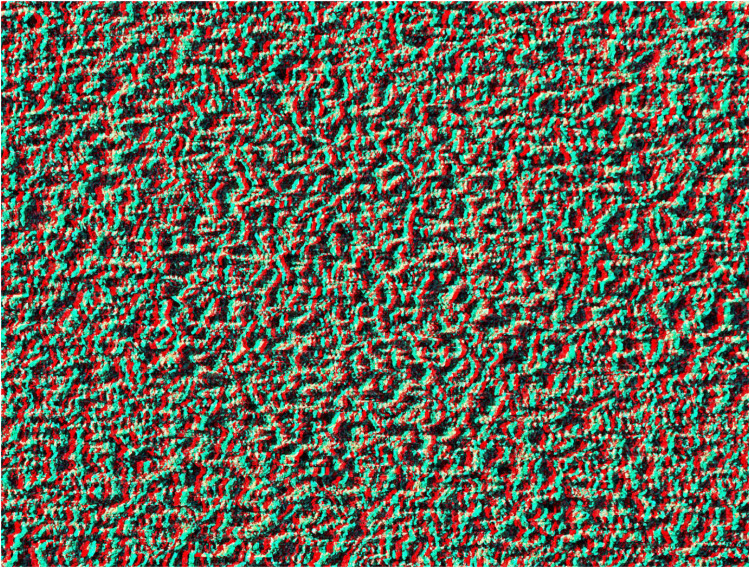 Figure 1
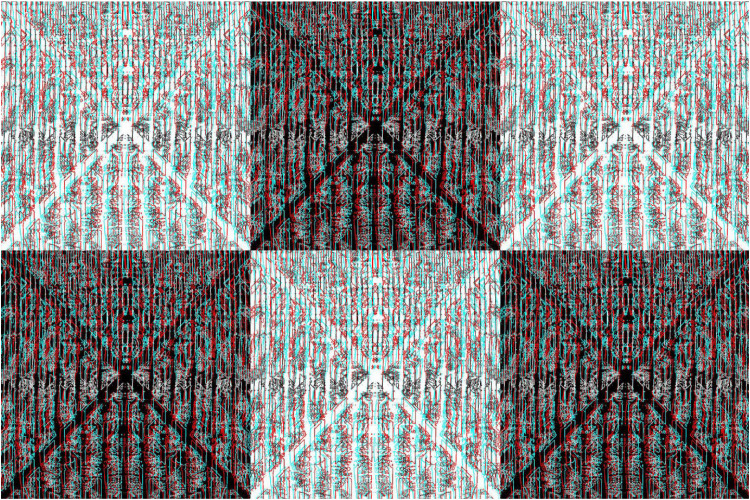 Figure 10
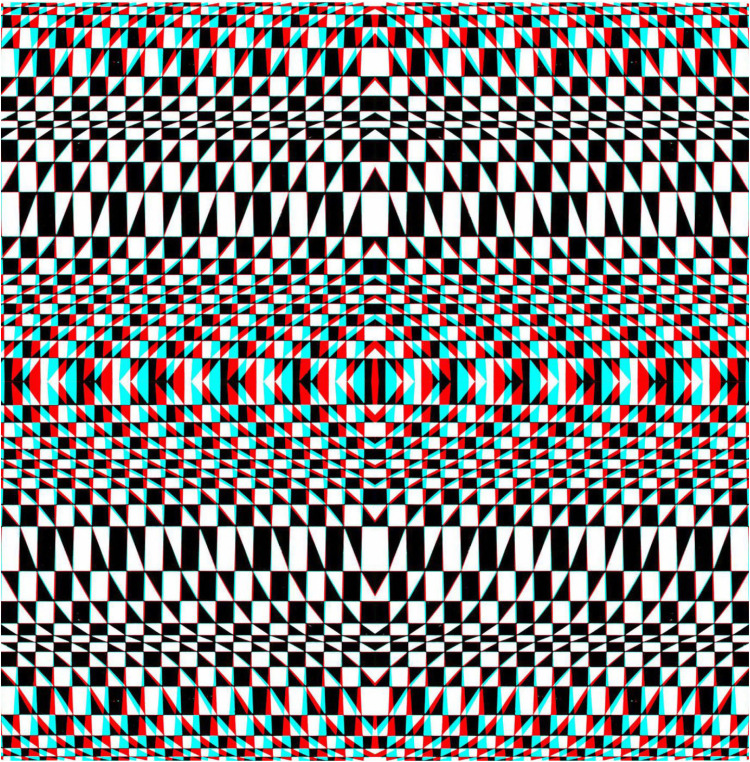 Figure 11
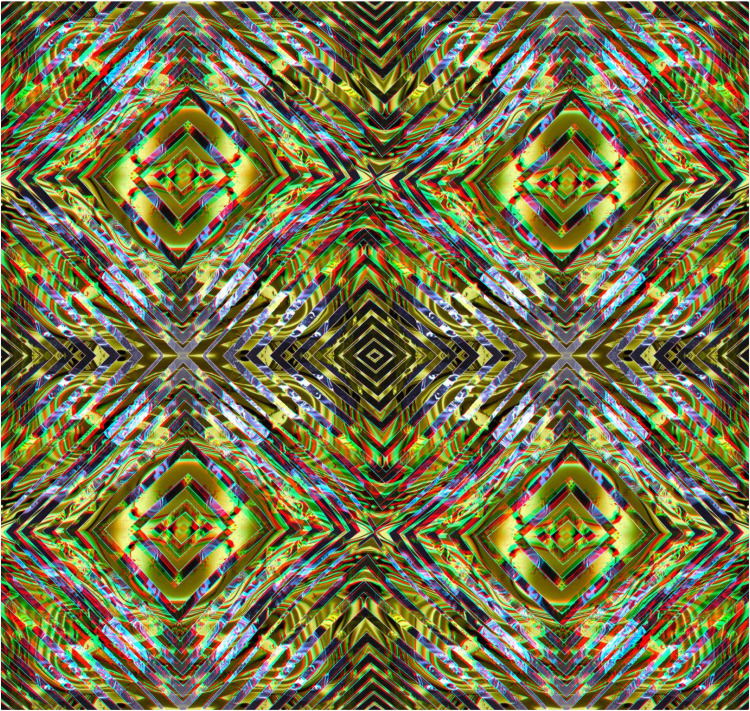 Figure 12
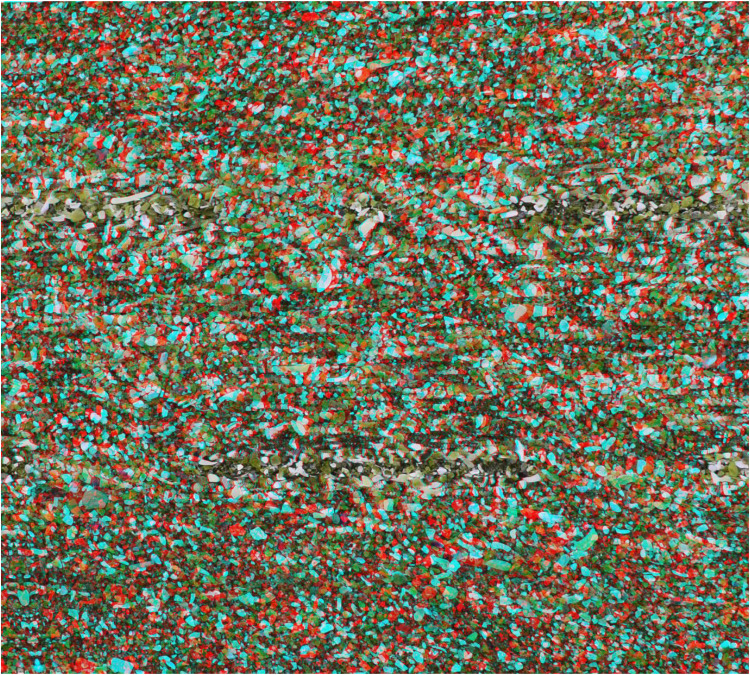 Figure 13
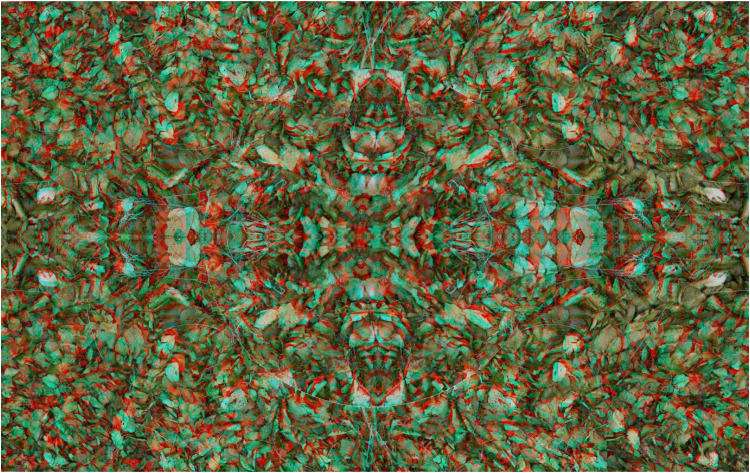 Figure 14
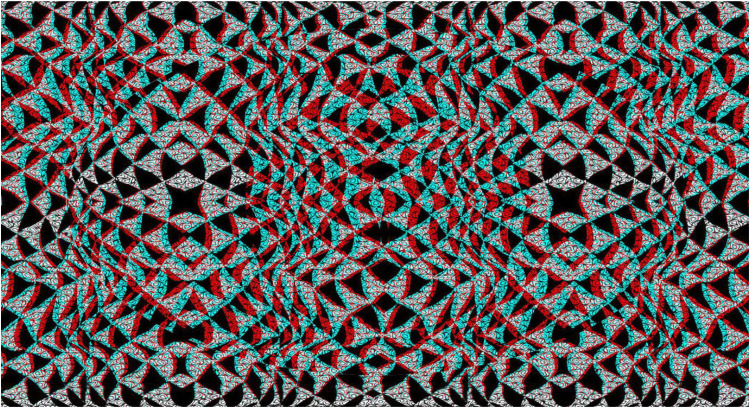 Figure 15
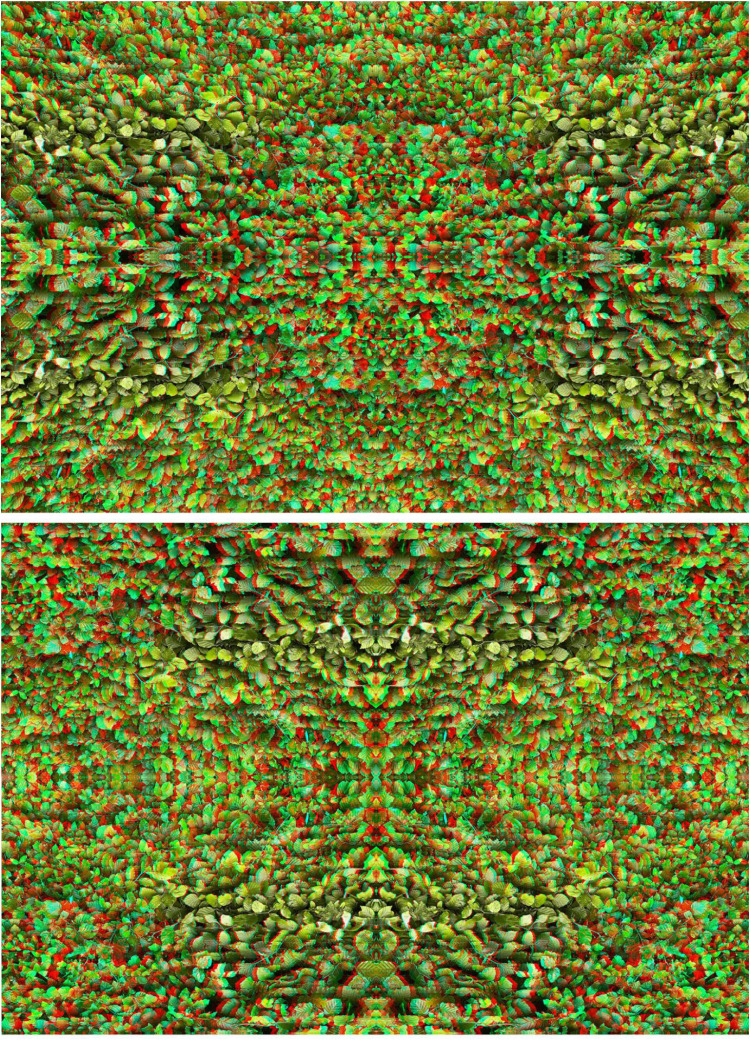 Figure 16
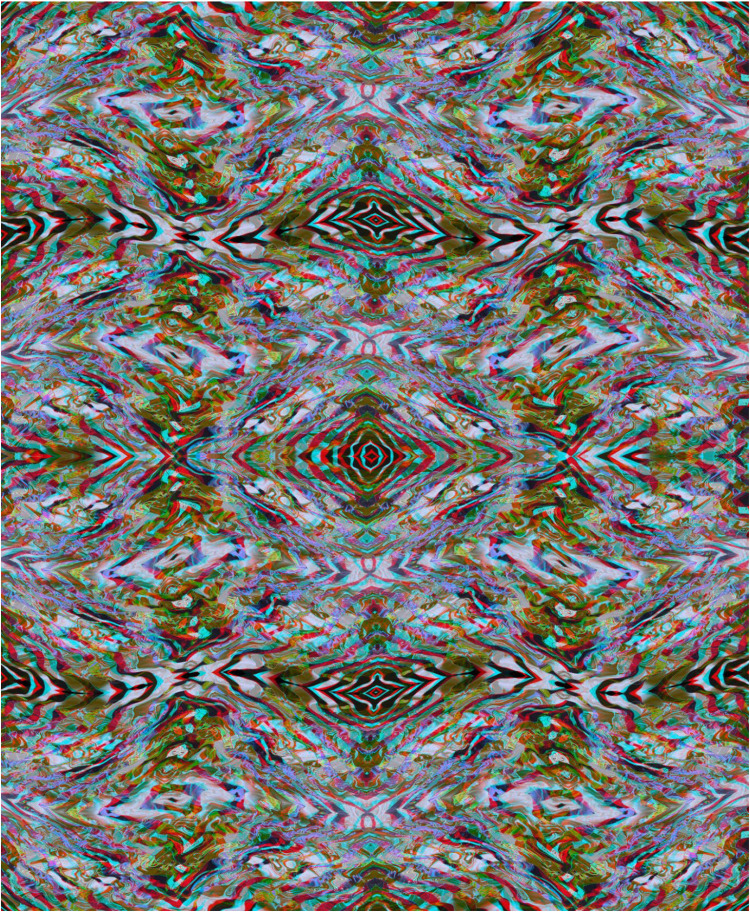 Figure 17
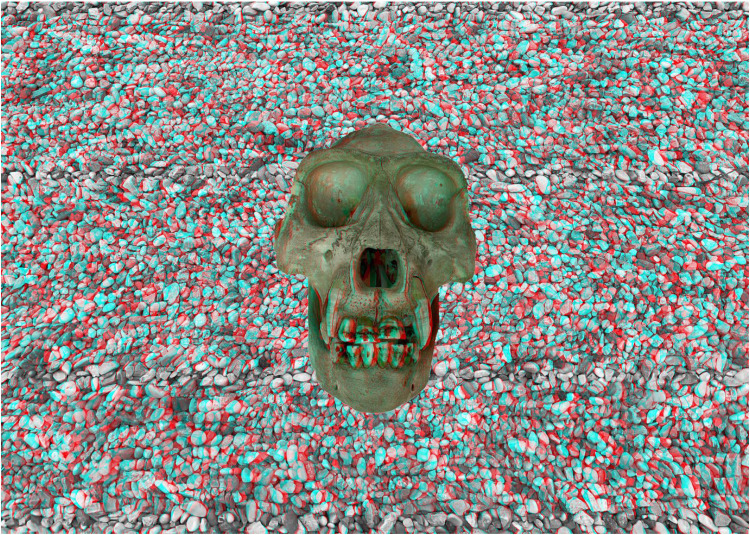 Figure 18
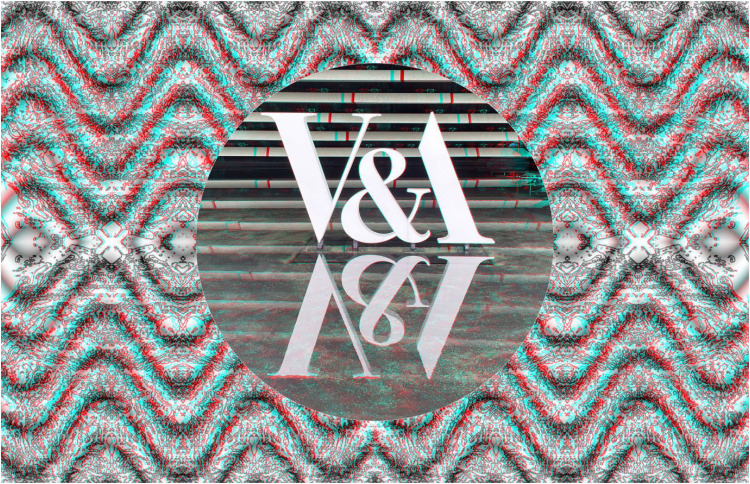 Figure 19
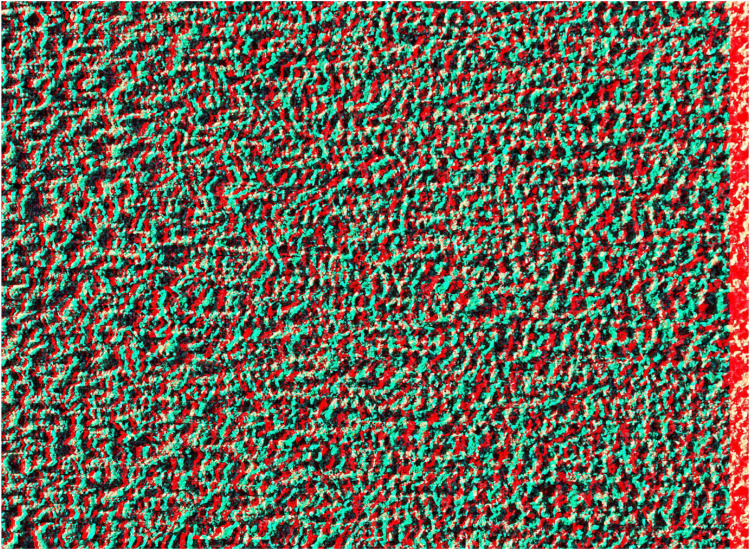 Figure 2
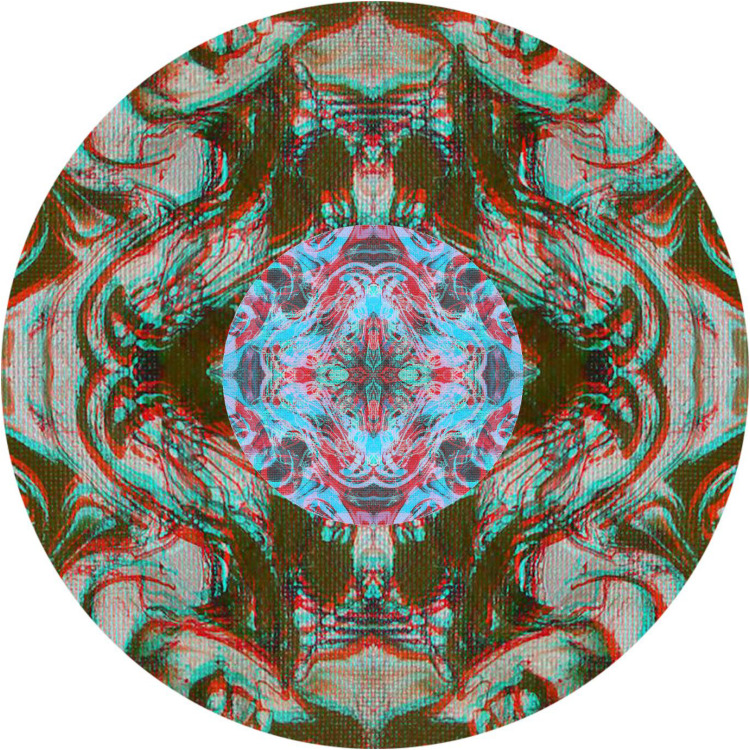 Figure 20
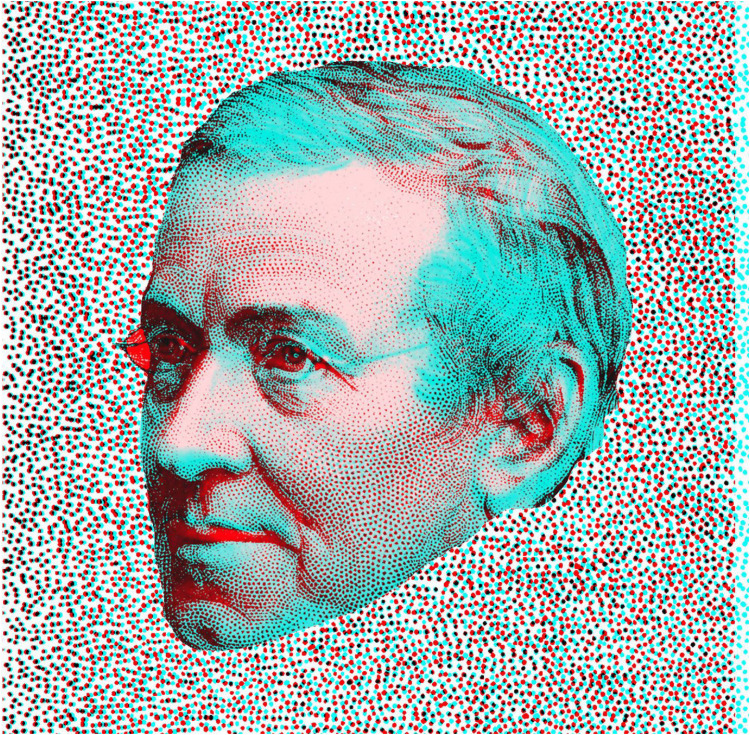 Figure 21
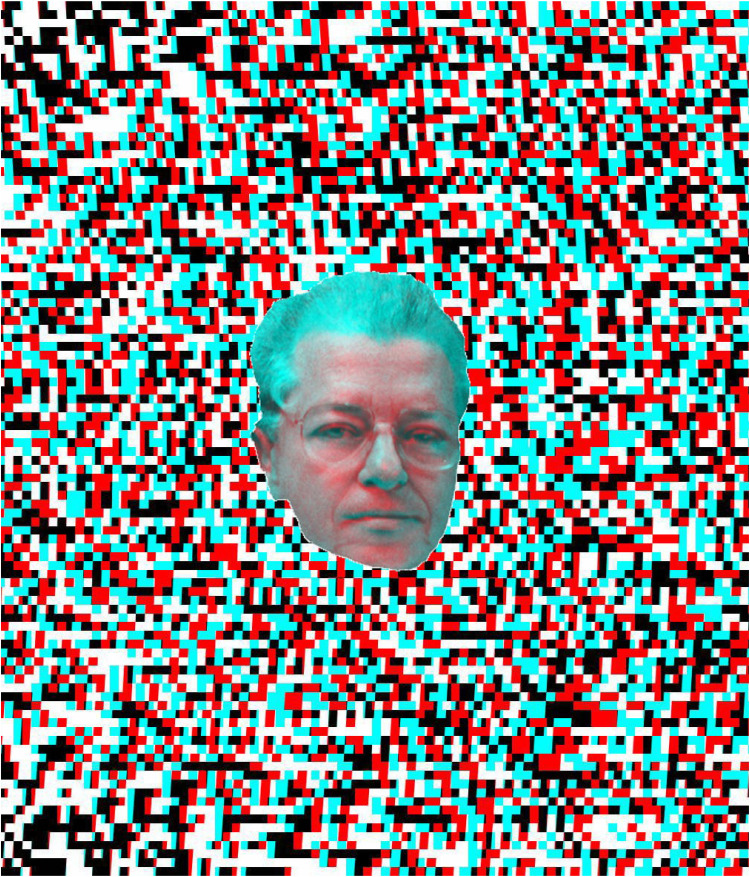 Figure 22
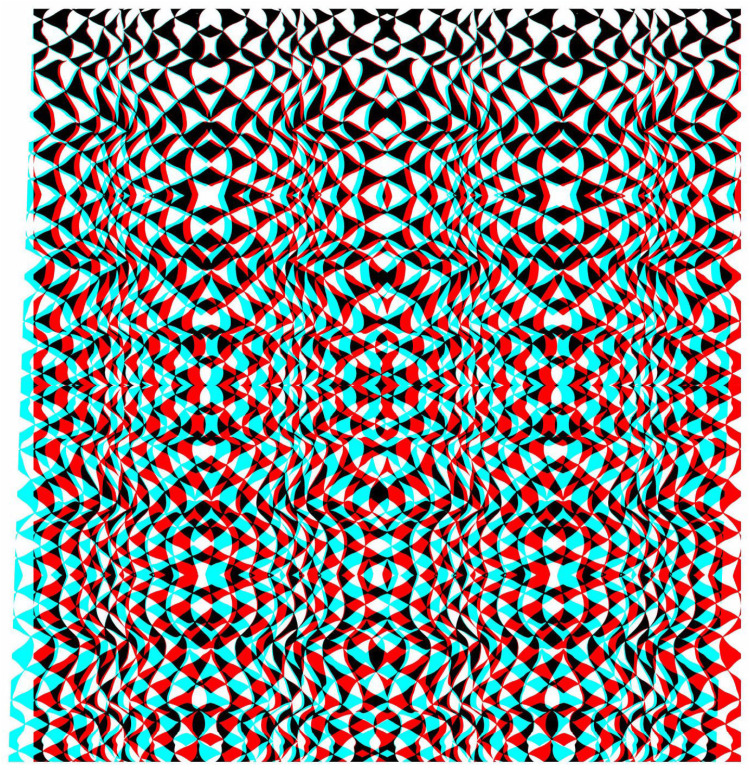 Figure 3
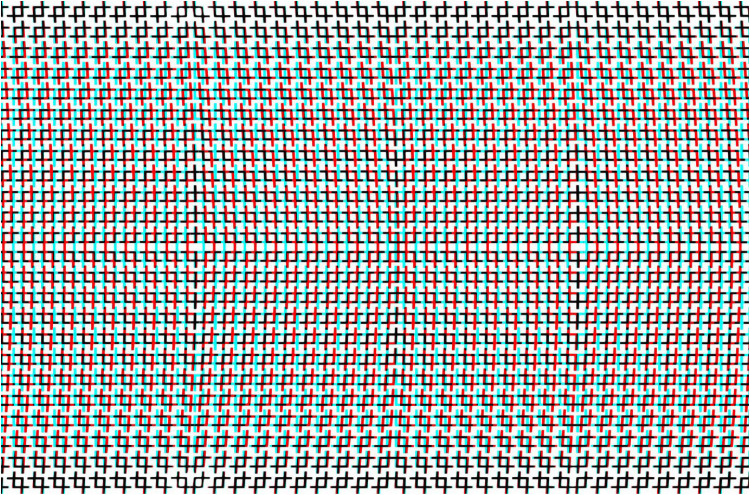 Figure 4
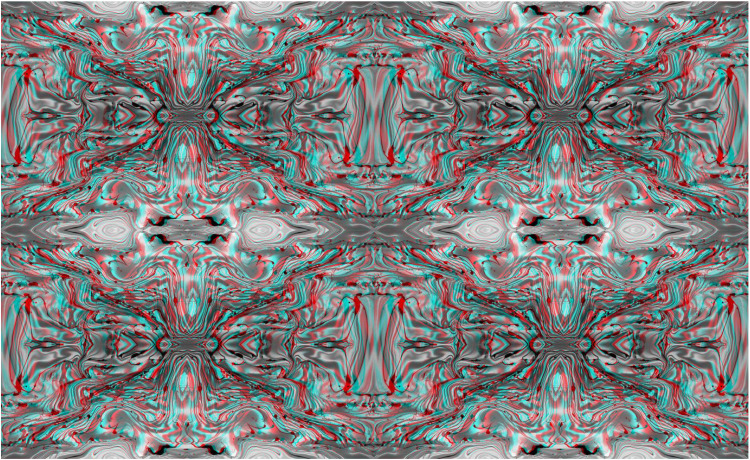 Figure 5
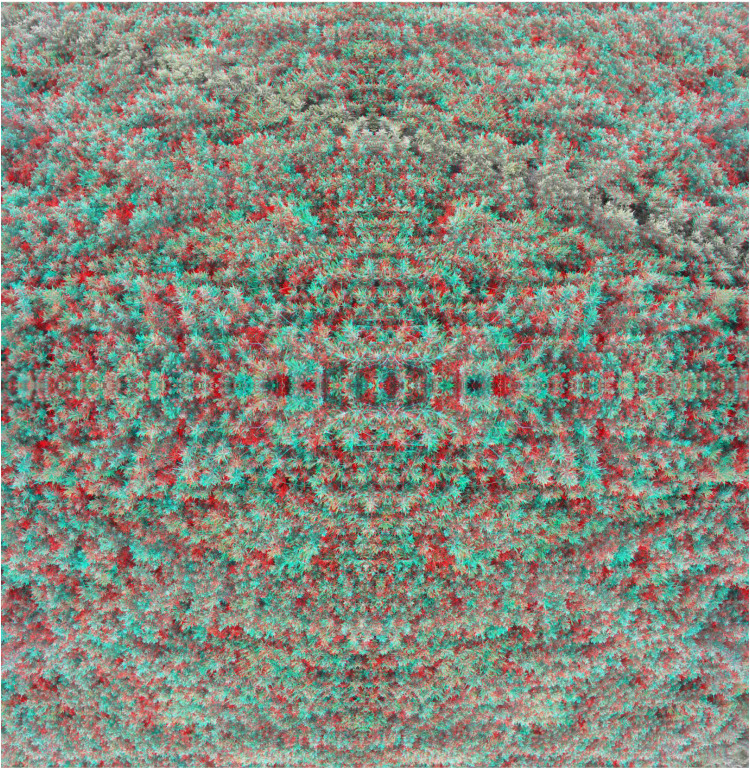 Figure 6
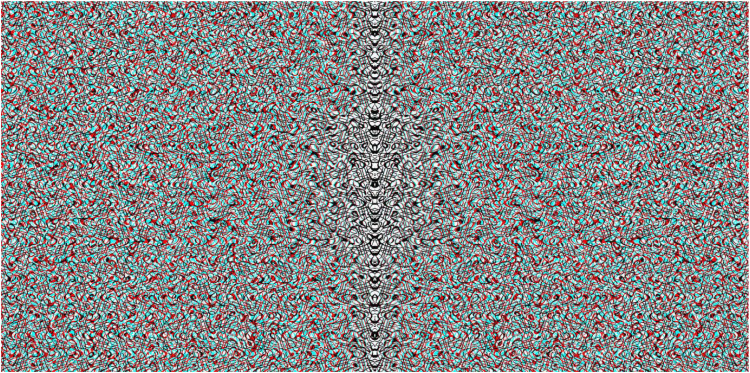 Figure 7
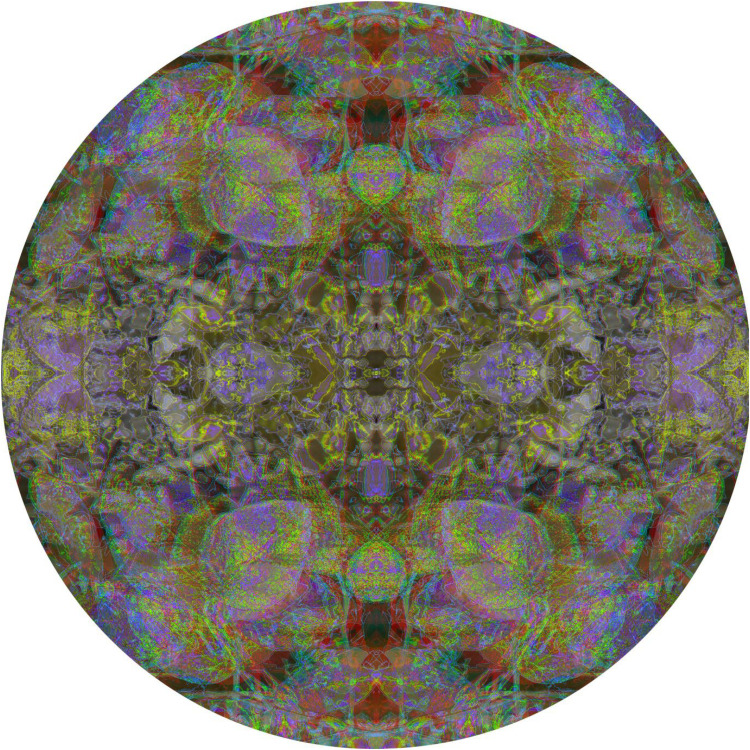 Figure 8
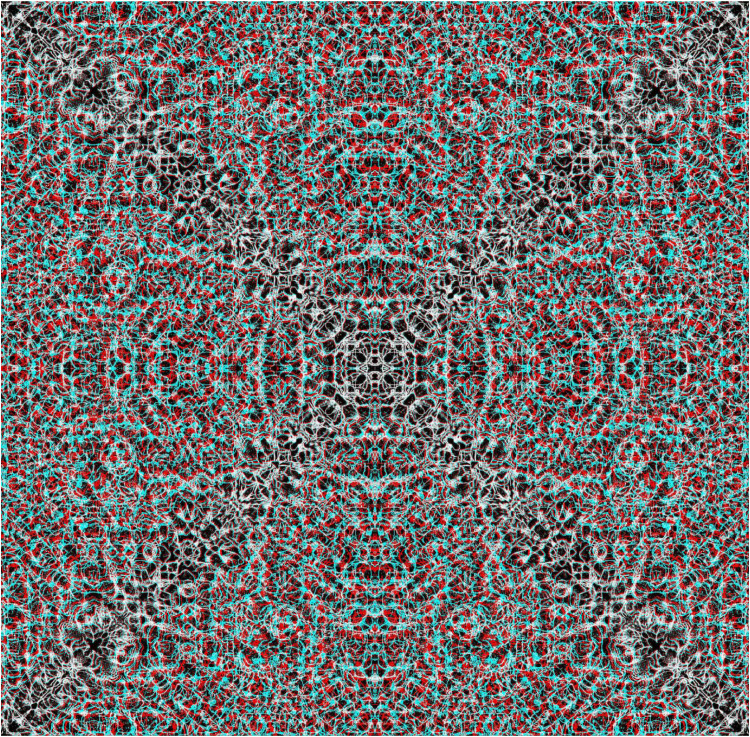 Figure 9
Peer Reviews
No public reviews on file for this paper yet. If you reviewed it on a platform where reviews are public (OpenReview, ICLR, NeurIPS, ICML), you can paste yours below so the community can read it here.
Videos
No videos yet. Explain this paper in a talk, walkthrough, or lecture? Add one.
Taxonomy
TopicsAdvanced Optical Imaging Technologies · Visual perception and processing mechanisms · 3D Surveying and Cultural Heritage