Quantifying the mRNA epitranscriptome reveals epitranscriptome signatures and roles in cancer
Ying Feng, Xiaoli He, Mingxin Guo, Ying Tang, Guantong Qi, Qian Huang, Wenran Ma, Hong Chen, Yifan Qin, Ruiqi Li, Jin Wang, Yu Liu

TL;DR
A new method called mRQuant was developed to study mRNA modifications in cancer cells, revealing specific modification patterns linked to cancer and drug resistance.
Contribution
mRQuant is a novel LC-MS/MS-based technique enabling high-throughput quantification of 84 mRNA modifications, uncovering cancer-specific signatures and drug resistance associations.
Findings
mRQuant detected 32–34 modified ribonucleosides across human cancer and non-cancer cell lines.
m1A modification showed significant differences between cancerous and non-cancerous cells and was linked to drug resistance.
Knocking down m1A writer or eraser proteins altered cell viability, cycle, and apoptosis in HeLa cells.
Abstract
Post-transcriptional modifications on mRNA are crucial for mRNA fate and function. The current lack of a comprehensive method for high-coverage and sensitive quantitative analysis of mRNA modifications significantly limits the discovery of new mRNA modifications and understanding mRNA modifications’ occurrence, dynamics and function. Here, a highly sensitive, high-throughput and robust LC-MS/MS-based technique, mRQuant, was developed to simultaneously detect and quantify 84 modified ribonucleosides in cellular mRNA. Using mRQuant, we quantified 32–34 modified ribonucleosides across several human cancer and non-cancer cell lines and uncovered cancer- and cancer type-specific signatures. Analyses of cisplatin- and paclitaxel-treated HeLa cells and drug-resistant variants revealed several drug resistance-associated modifications. Among them, m1A exhibited significant differences across…
Genes, proteins, chemicals, diseases, species, mutations and cell lines named across the full text — each resolved to its canonical identifier and authoritative record.
Click any figure to enlarge with its caption.
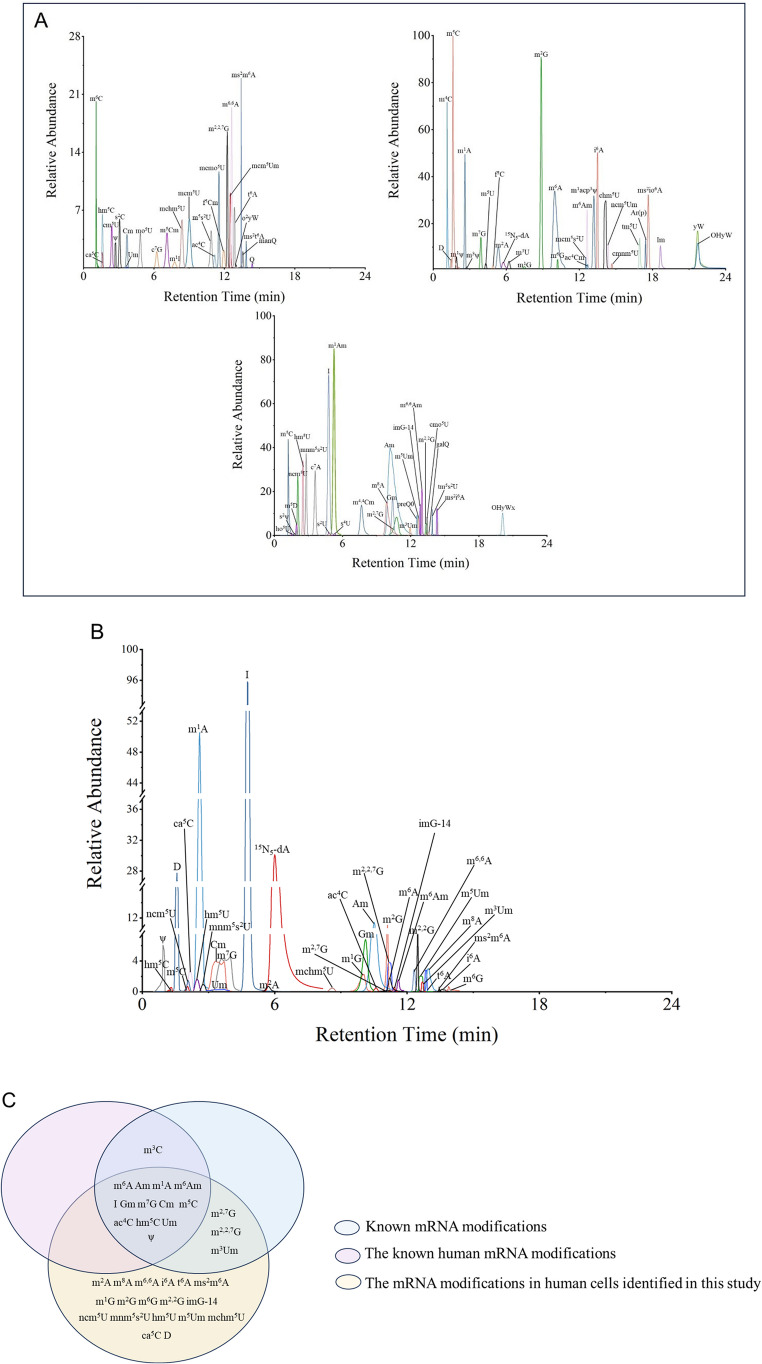 Figure 1
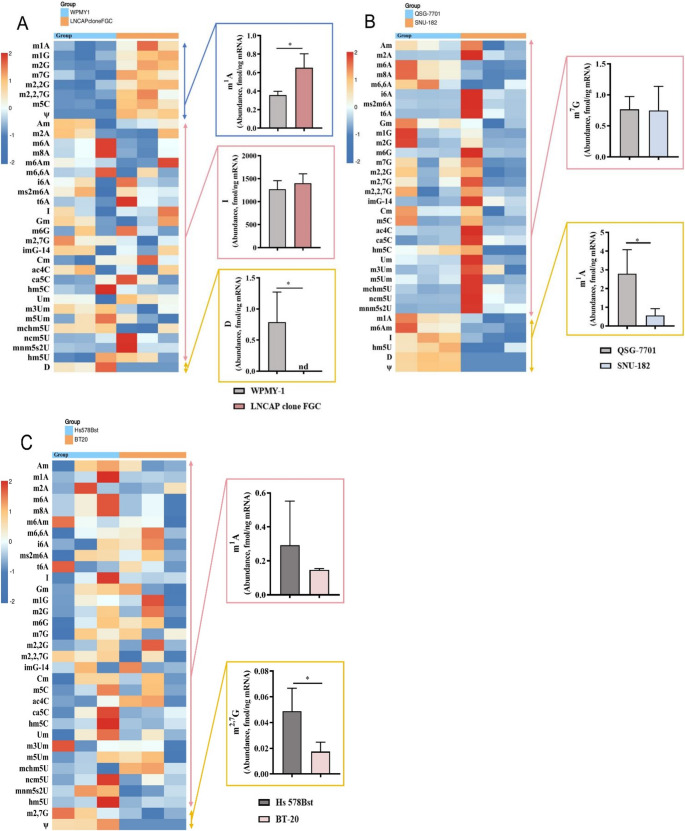 Figure 2
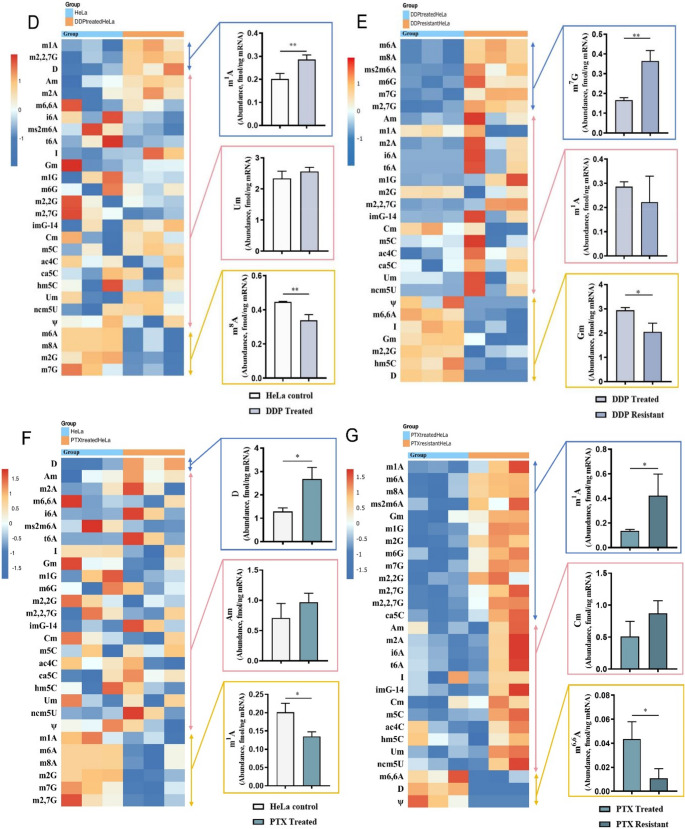 Figure 2
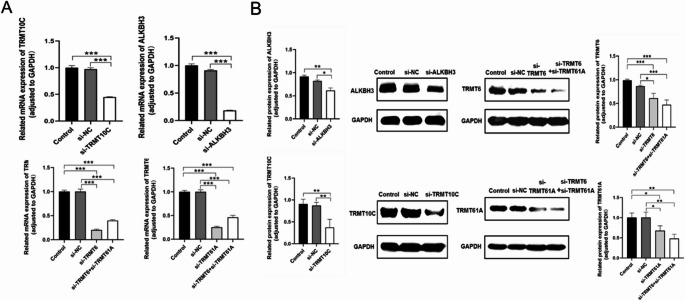 Figure 3
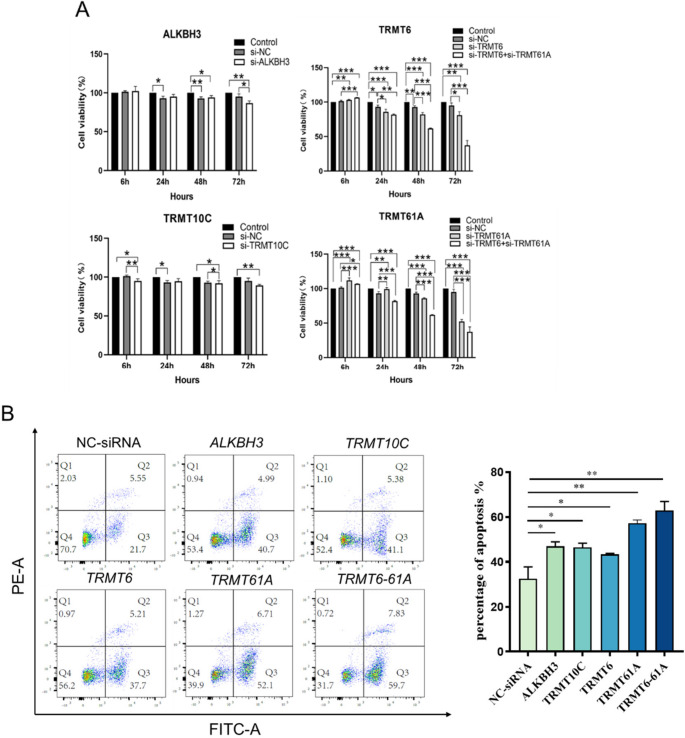 Figure 4
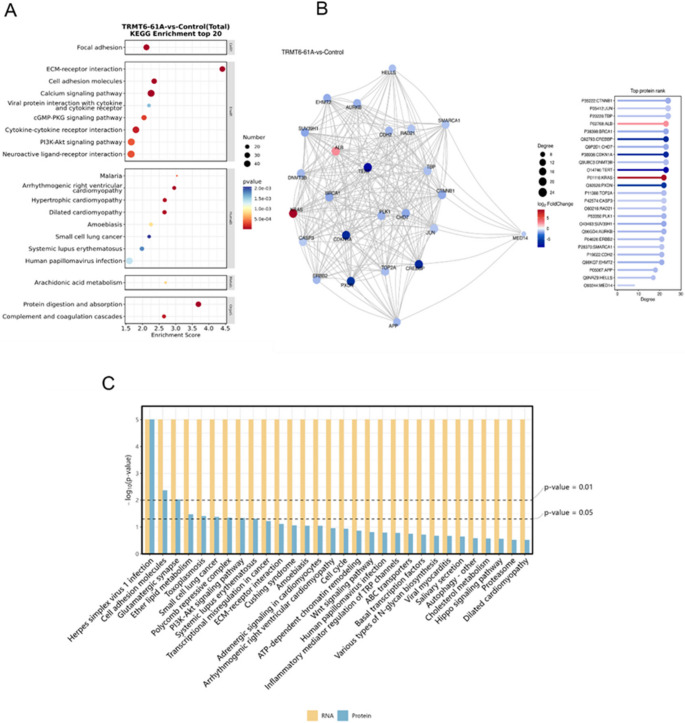 Figure 5
Peer Reviews
No public reviews on file for this paper yet. If you reviewed it on a platform where reviews are public (OpenReview, ICLR, NeurIPS, ICML), you can paste yours below so the community can read it here.
Videos
No videos yet. Explain this paper in a talk, walkthrough, or lecture? Add one.
Taxonomy
TopicsRNA modifications and cancer · Cancer-related molecular mechanisms research · RNA and protein synthesis mechanisms