Oxidative stress, apoptosis and proliferation in uterus of piglets fed by sow or formula after ex vivo endocrine compound exposure
Malgorzata Wojtaszek, Malgorzata Grzesiak, Olga Pawlikowska, Anna Koziorowska, Marek Koziorowski, Maria Slomczynska, Katarzyna Knapczyk-Stwora

TL;DR
This study shows that neonatal piglets fed by formula may be more vulnerable to endocrine disruptors than those fed by their mothers, affecting uterine development and potentially reproductive health.
Contribution
The study introduces an ex vivo model to assess how endocrine disruptors affect uterine development in neonatal piglets, comparing the protective effects of natural versus formula feeding.
Findings
EACs increased oxidative stress and apoptosis in sow-fed piglets, suggesting a compensatory mechanism.
Formula-fed piglets showed reduced capacity to activate protective mechanisms against EACs.
EACs altered uterine cell proliferation in both feeding groups, indicating disrupted development.
Abstract
Endocrine-active compounds (EACs) derived from anthropogenic activities and bioactive components in maternal milk influence neonatal development, a critical period for postnatal uterine morphogenesis. Here, using an ex vivo model, we investigated whether neonatal exposure to the antiandrogen 2-hydroxyflutamide, the environmental estrogen 4-tert-octylphenol, and the organochlorine insecticide metabolite HPTE (which exhibits estrogenic, antiestrogenic, and/or antiandrogenic activity) induces oxidative stress and alters proliferation and apoptosis in uterine explants from 10-day-old piglets. Additionally, we assessed whether natural feeding provides protection against the adverse effects of EACs. We found that EACs disrupting androgen or estrogen signaling increased ROS/RNS production, enhanced specific antioxidant enzyme activity, and/or induced apoptosis exclusively in sow-fed piglets,…
Genes, proteins, chemicals, diseases, species, mutations and cell lines named across the full text — each resolved to its canonical identifier and authoritative record.
Click any figure to enlarge with its caption.
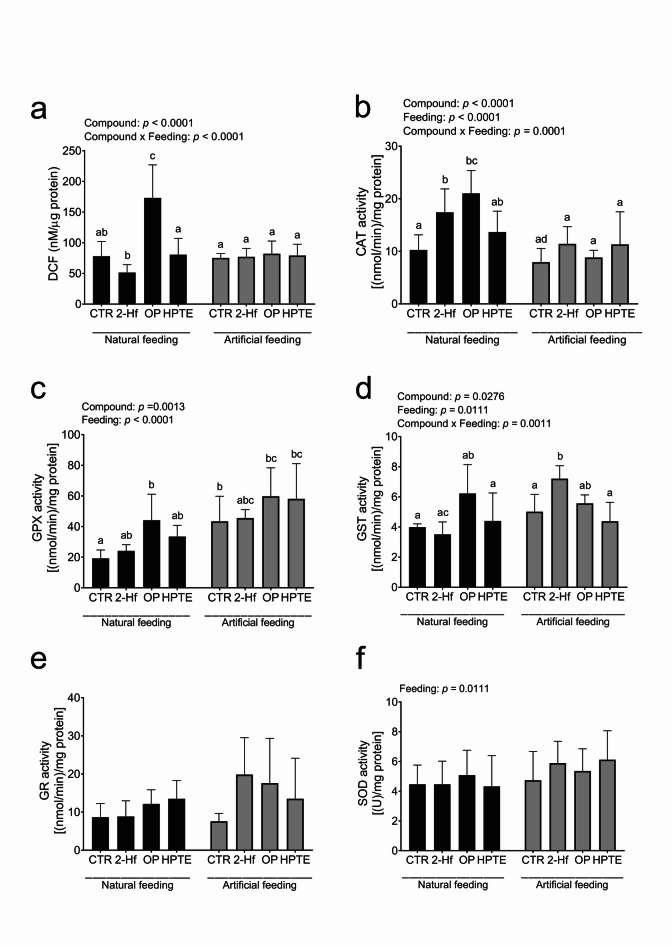 Figure 1
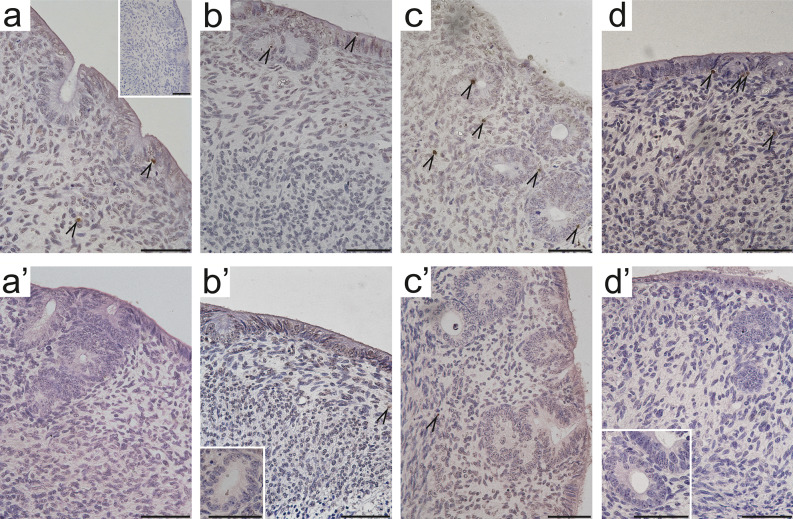 Figure 2
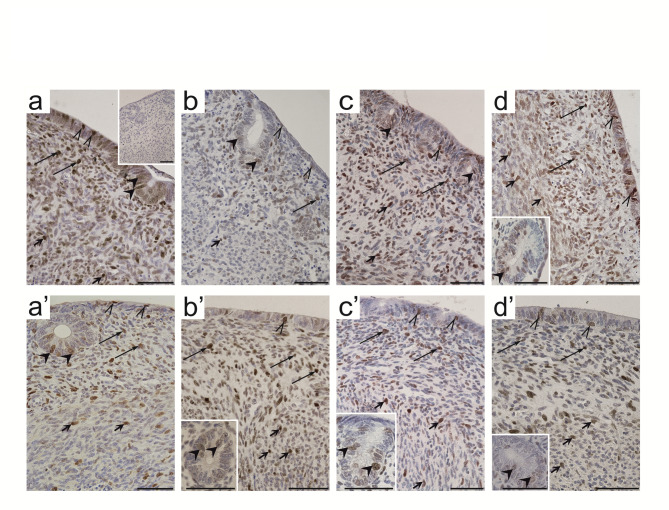 Figure 3
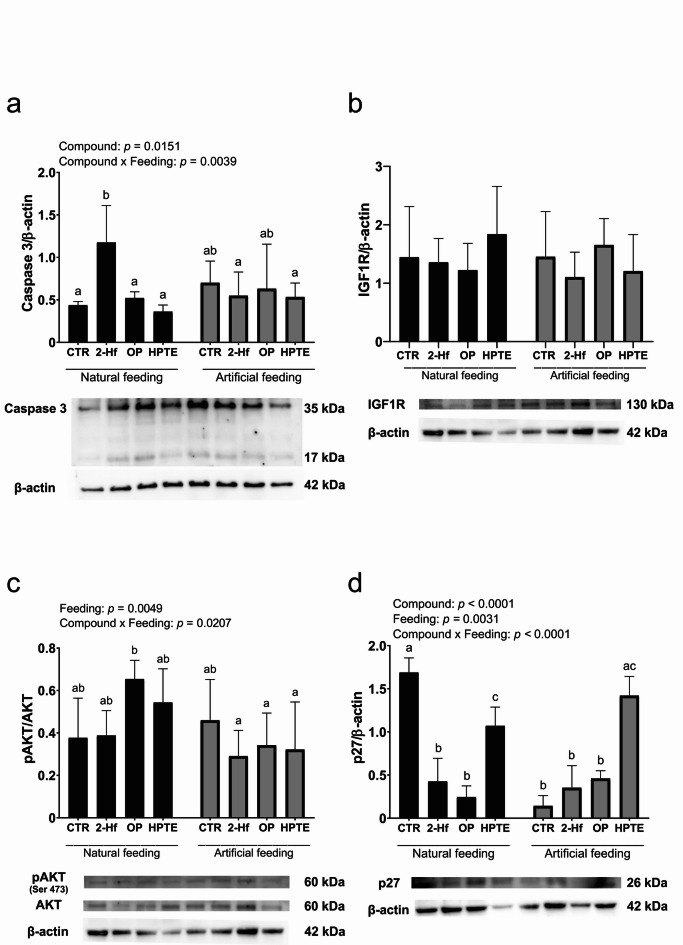 Figure 4
Peer Reviews
No public reviews on file for this paper yet. If you reviewed it on a platform where reviews are public (OpenReview, ICLR, NeurIPS, ICML), you can paste yours below so the community can read it here.
Videos
No videos yet. Explain this paper in a talk, walkthrough, or lecture? Add one.
Taxonomy
TopicsEffects and risks of endocrine disrupting chemicals · Reproductive System and Pregnancy · Estrogen and related hormone effects