Combatting virulent gut bacteria by inhibiting the biosynthesis of a two-component lanthipeptide toxin
Ryan Moreira, Bidisha Chakraborty, Yi Yang, Chandrashekhar Padhi, Michael S. Gilmore, Satish K. Nair, Wilfred A. van der Donk

TL;DR
Scientists developed inhibitors to block a toxic peptide produced by gut bacteria, which could lead to new treatments for a severe form of liver disease.
Contribution
The study introduces small molecule inhibitors that block the maturation of a two-component toxin in pathogenic gut bacteria.
Findings
Inhibitors block toxin maturation at low micromolar to nanomolar concentrations.
Inhibitors reduce hemolytic activity and cytolysin levels without affecting cell growth.
Crystal structure insights reveal substrate recognition and enzyme activation mechanisms.
Abstract
The enterococcal cytolysin is a toxic, two-component ribosomally synthesized and post-translationally modified peptide (RiPP) produced by pathogenic Enterococcus faecalis. Cytolysin-producing (C+) E. faecalis resides in the gut microbiome in a commensal role, but results in negative clinical outcomes in alcoholic hepatitis patients. To potentially combat cytolysin virulence, we report inhibitors of its maturation. An extracellular serine protease CylA that is essential for toxin activation is chosen as target. A series of α-aminopeptide boronic acids are designed and synthesized that block cytolysin maturation at low micromolar to nanomolar concentrations in vitro. A crystal structure of CylA provides insights into substrate recognition, autocatalytic activation of the enzyme, and toxin maturation. The inhibitors block hemolytic activity, reduce the amount of cytolysin, and attenuate…
Genes, proteins, chemicals, diseases, species, mutations and cell lines named across the full text — each resolved to its canonical identifier and authoritative record.
Click any figure to enlarge with its caption.
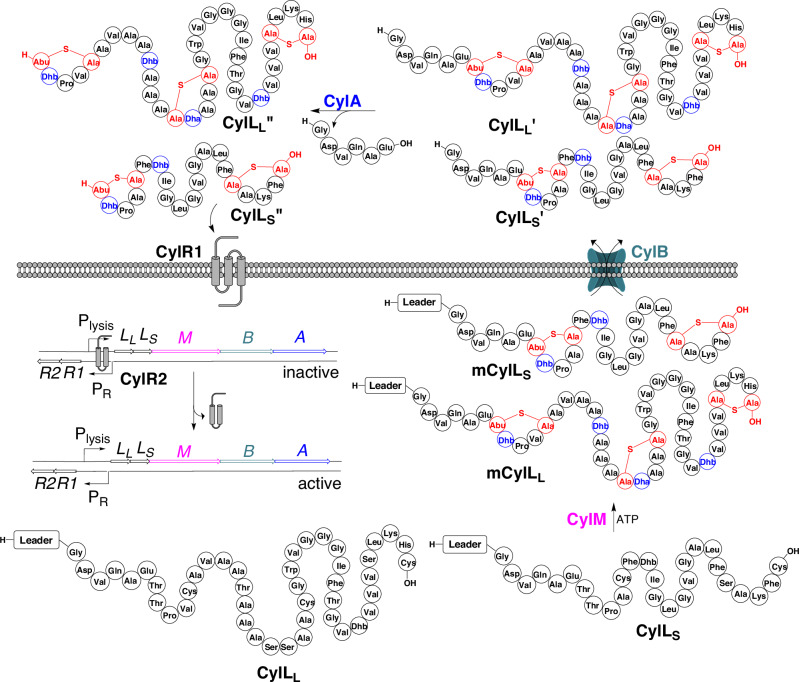 Figure 1
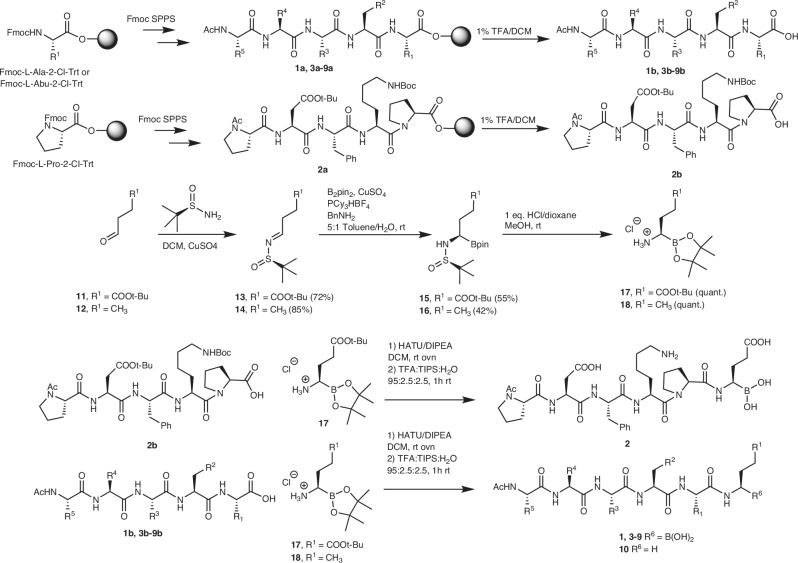 Figure 2
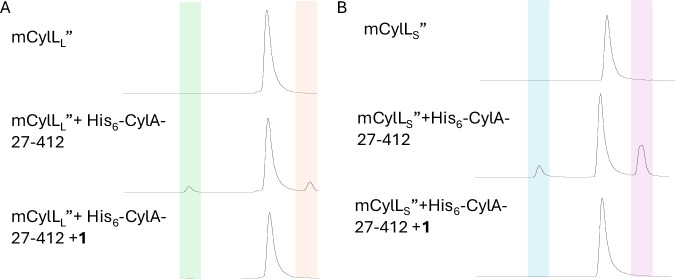 Figure 3
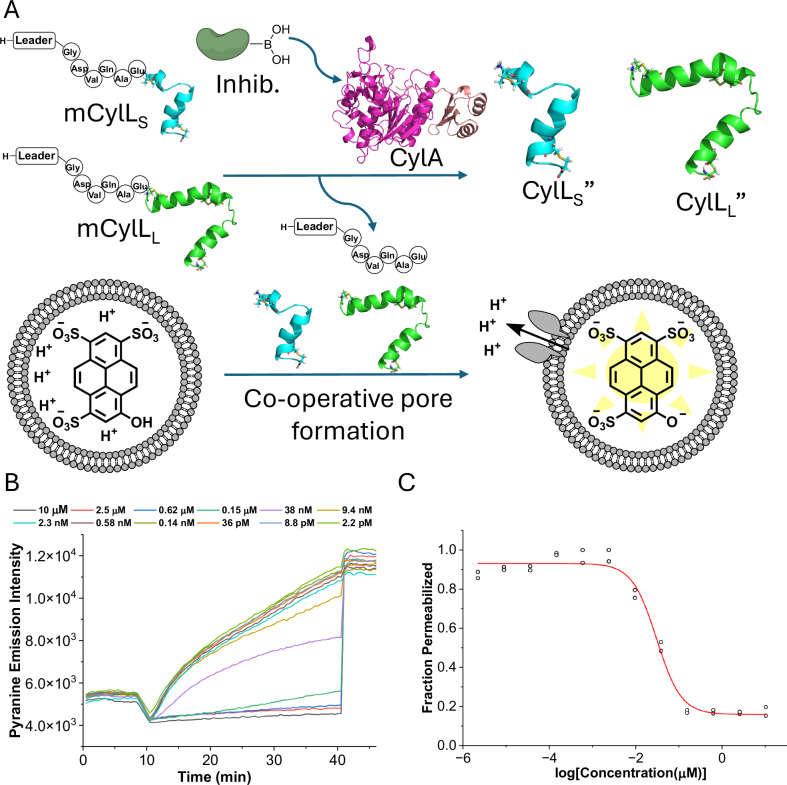 Figure 4
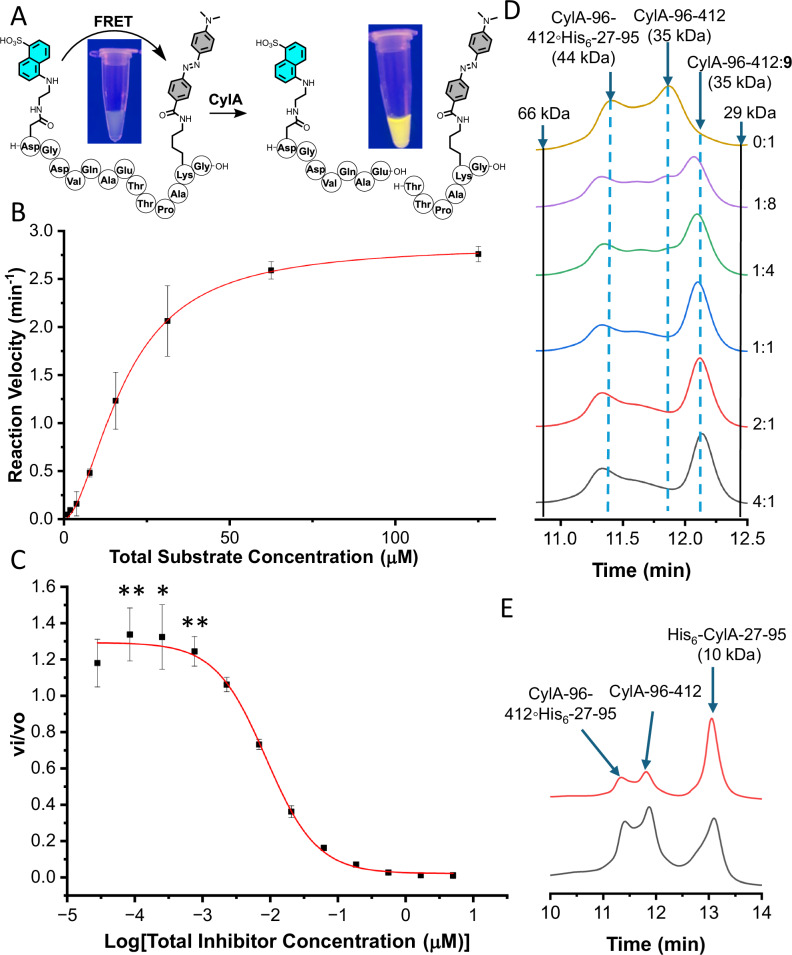 Figure 5
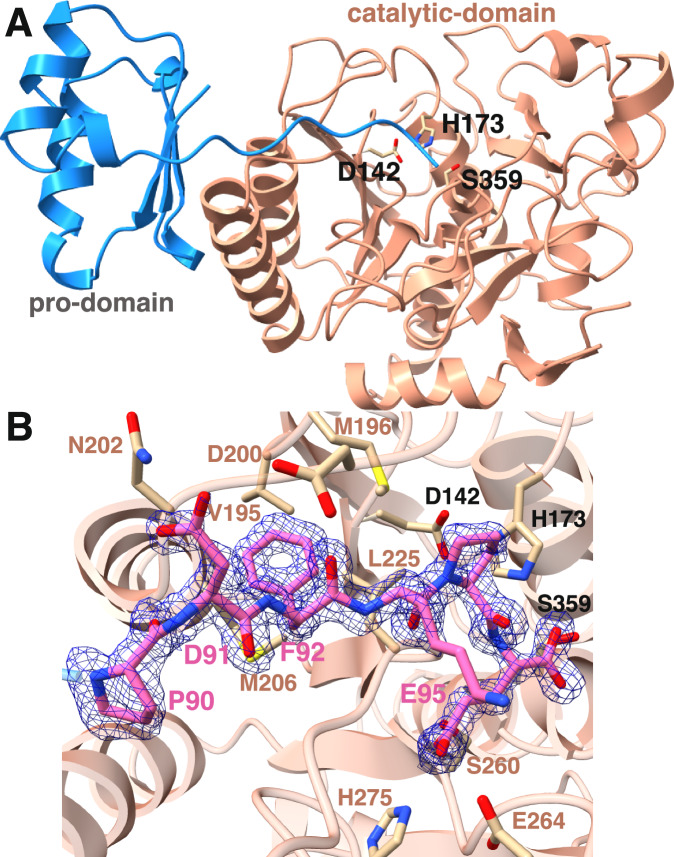 Figure 6
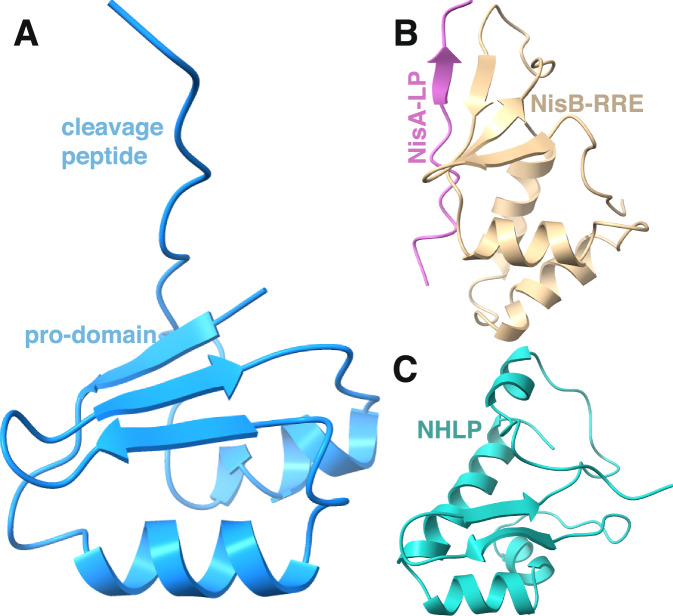 Figure 7
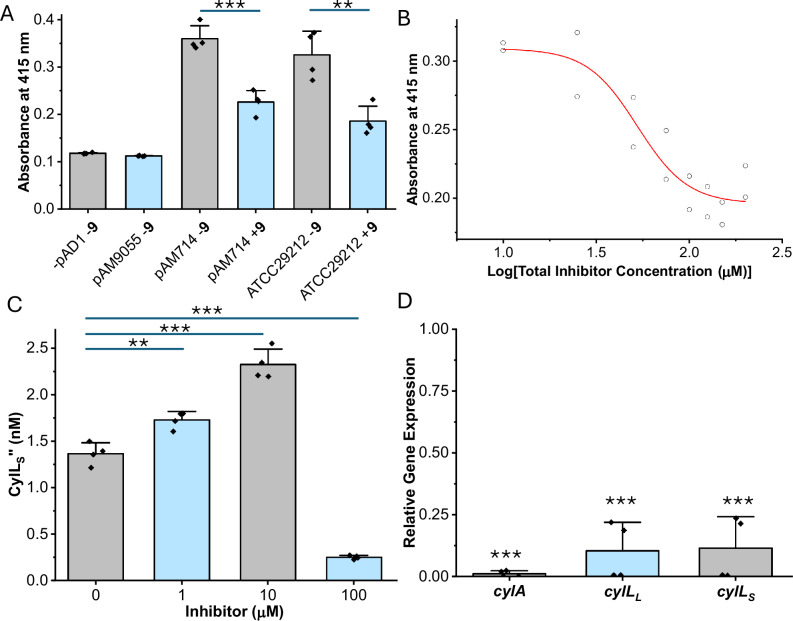 Figure 8
Peer Reviews
No public reviews on file for this paper yet. If you reviewed it on a platform where reviews are public (OpenReview, ICLR, NeurIPS, ICML), you can paste yours below so the community can read it here.
Videos
No videos yet. Explain this paper in a talk, walkthrough, or lecture? Add one.
Taxonomy
TopicsRNA and protein synthesis mechanisms · Genomics and Phylogenetic Studies · Bacteriophages and microbial interactions