The unfolded protein response influences therapy outcome and disease progression in chronic lymphocytic leukaemia
Umair Tahir Khan, Kim Clarke, Gina Eagle, Melanie Oates, Peter Hillmen, Sandrine Jayne, Martin J. S. Dyer, Alex Phipps, Francesco Falciani, Rosalind E. Jenkins, Andrew R Pettitt

TL;DR
This study shows that the unfolded protein response affects treatment success and disease progression in chronic lymphocytic leukemia.
Contribution
The unfolded protein response (UPR) is identified as a novel determinant of therapy outcome in chronic lymphocytic leukemia (CLL).
Findings
eIF2 signaling, central to the UPR, was the most enriched pathway in CLL samples and resistant cell lines.
Fludarabine-resistant CLL cells showed higher PERK and lower BiP levels, indicating UPR activation.
A PERK inhibitor sensitized resistant CLL cells to fludarabine without harming normal cell viability.
Abstract
Since genomics, epigenomics and transcriptomics have provided only a partial explanation of chronic lymphocytic leukaemia (CLL) heterogeneity, and since concordance between mRNA and protein expression is incomplete, we related the CLL proteome to clinical outcome. CLL samples from patients who received fludarabine-containing chemoimmunotherapy were analysed by mass spectrometry (SWATH-MS). One dataset compared pre-treatment samples associated with an optimal versus suboptimal response, while another compared paired samples collected before treatment and at disease progression. eIF2 signalling (pivotal to the unfolded protein response (UPR)), was identified as the most enriched pathway in both datasets (respective z-scores: − 6.245 and 3.317; p < 0.0001), as well as in a fludarabine-resistant CLL cell line established from HG3 cells (z-score: − 2.121; p < 0.0001). Western blotting…
Genes, proteins, chemicals, diseases, species, mutations and cell lines named across the full text — each resolved to its canonical identifier and authoritative record.
Click any figure to enlarge with its caption.
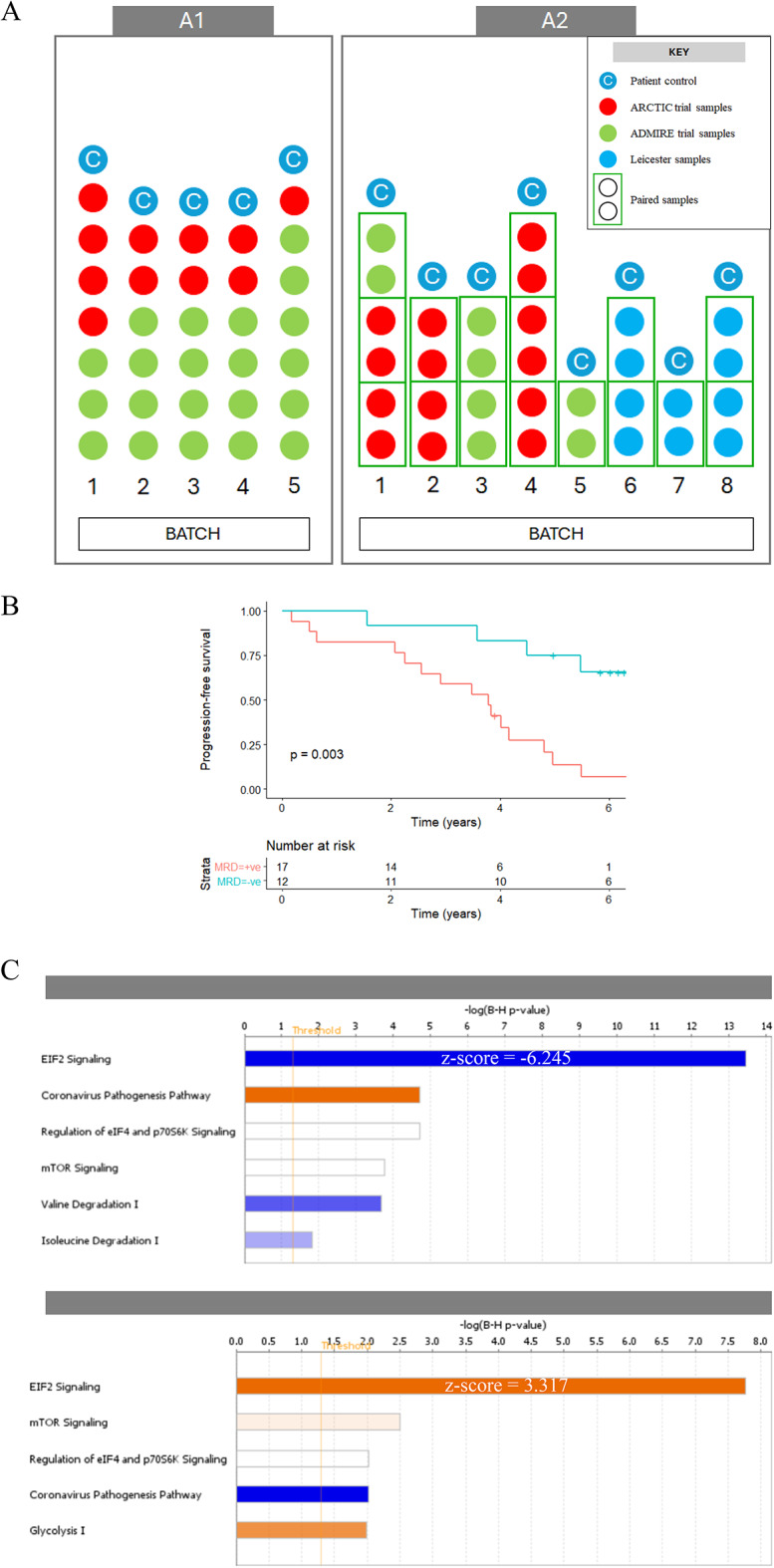 Figure 1
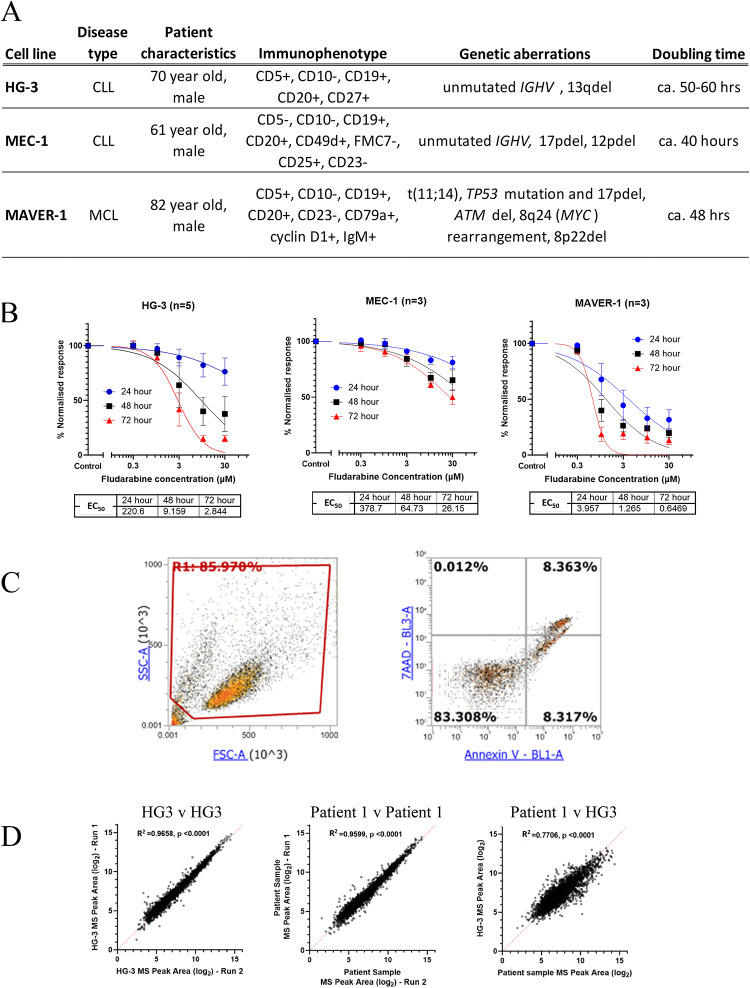 Figure 2
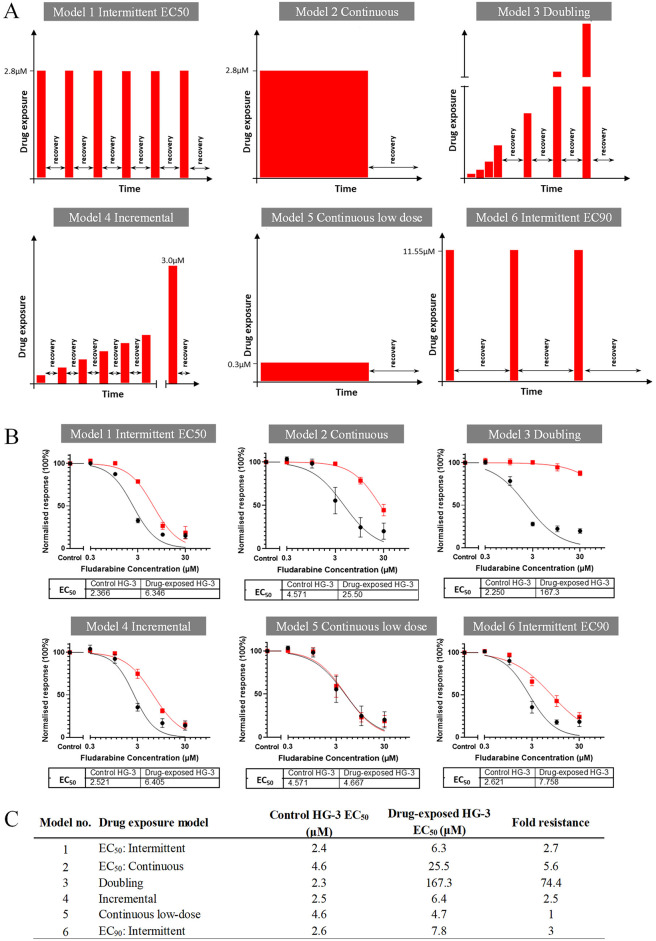 Figure 3
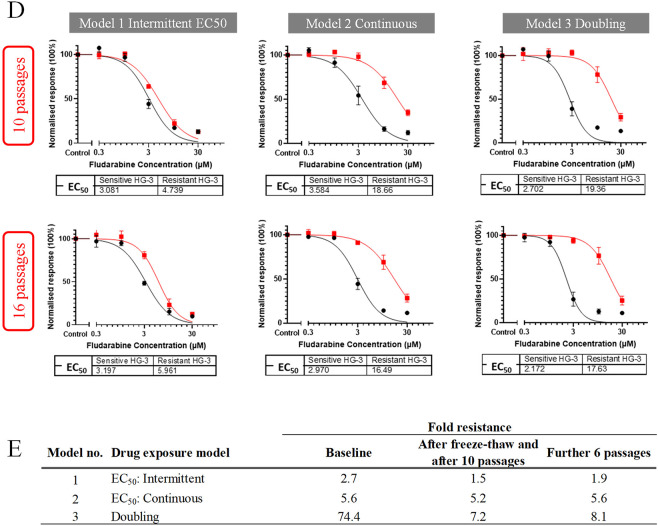 Figure 3
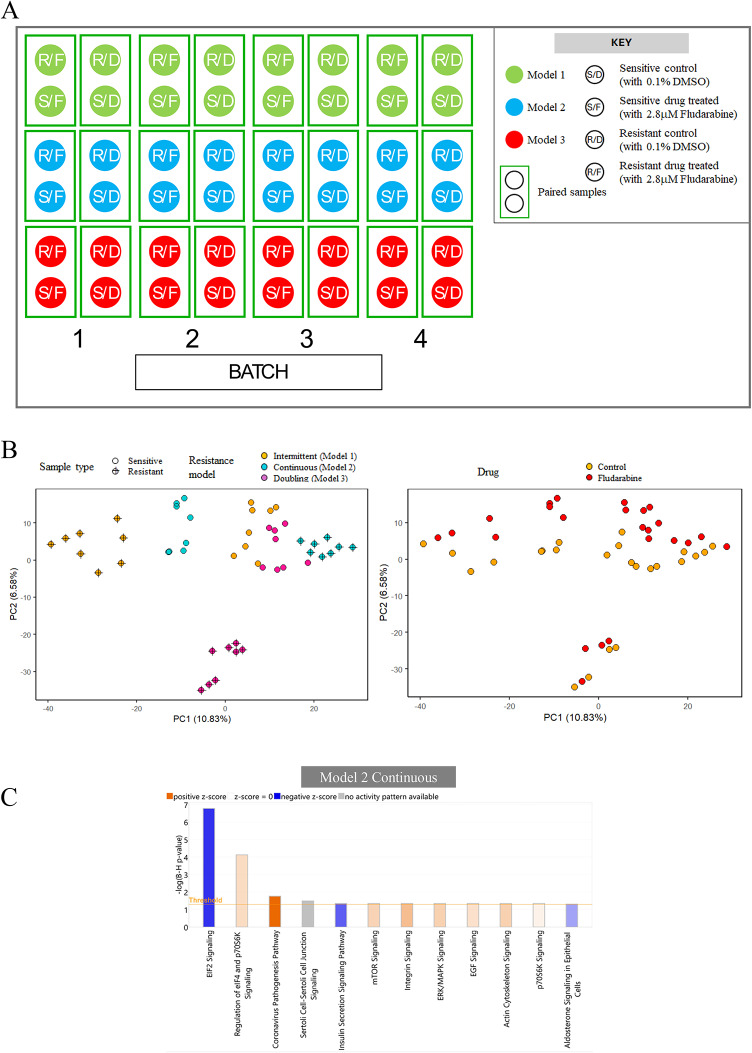 Figure 4
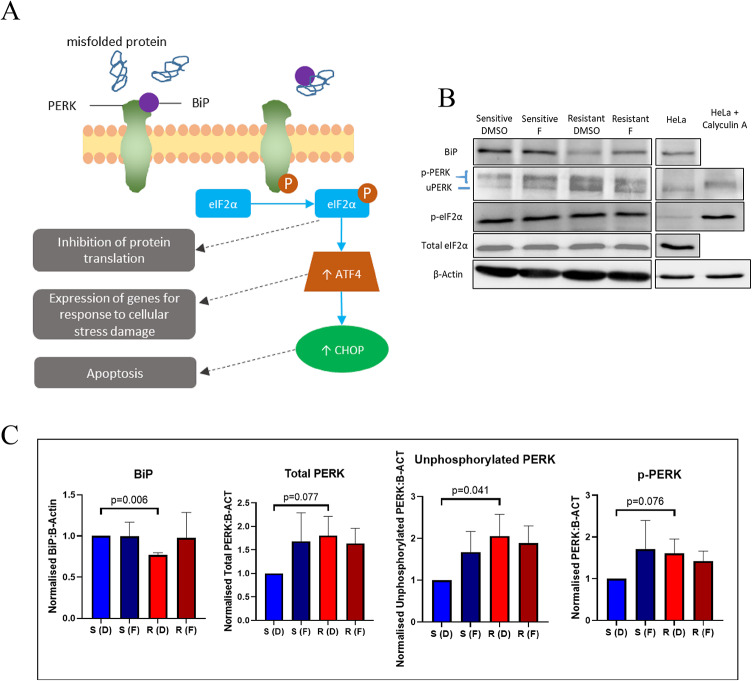 Figure 5
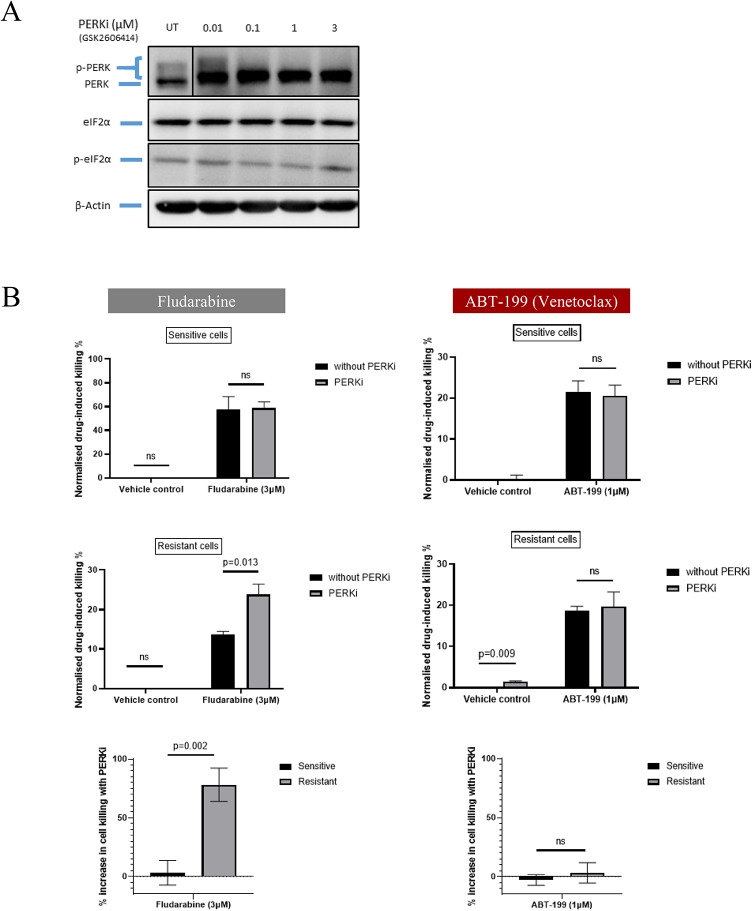 Figure 6
Peer Reviews
No public reviews on file for this paper yet. If you reviewed it on a platform where reviews are public (OpenReview, ICLR, NeurIPS, ICML), you can paste yours below so the community can read it here.
Videos
No videos yet. Explain this paper in a talk, walkthrough, or lecture? Add one.
Taxonomy
TopicsEndoplasmic Reticulum Stress and Disease · Chronic Lymphocytic Leukemia Research · Autophagy in Disease and Therapy