FOXP2 suppresses gastric cancer progression by transcriptionally repressing FBXW2 via WASL degradation
Sihan Lin, Wencheng Kong, Xinchun Liu, Guang Yin, Kangwen Cheng, Zonglei Mao, Yuqiang Shan, Xinger Lv

TL;DR
This study shows that FBXW2 suppresses gastric cancer by degrading WASL, and that FOXP2 blocks FBXW2 activity, offering a new therapeutic target for treating gastric cancer.
Contribution
The study identifies FBXW2 as a tumor suppressor in gastric cancer and reveals a novel regulatory axis involving FOXP2, FBXW2, and WASL.
Findings
FBXW2 is downregulated in gastric cancer tissues and correlates with poor patient survival.
FBXW2 suppresses cancer cell growth and metastasis by promoting WASL degradation.
FOXP2 represses FBXW2 transcription, linking epigenetic regulation to tumor progression.
Abstract
Gastric cancer (GC) is an aggressive malignancy with poor clinical outcome. F-box and WD repeat domain-containing protein 2 (FBXW2), a substrate receptor of the SKP1-Cullin 1-F-box (SCF) E3 ubiquitin ligase complex, has been implicated in tumor suppression across multiple malignancies; however, its role in GC progression remains undefined. Here, we integrated transcriptomic analyses using the TNMplot database and clinical specimens to demonstrate that FBXW2 expression was significantly downregulated in GC tissues, with low FBXW2 levels correlating closely with poor survival in GC patients. Functional characterization via gain- and loss-of-function strategies revealed that FBXW2 overexpression potently inhibited proliferation, cancer stem cell phenotype, migratory capacity, and invasive potential in human GC cell lines. Consistently, xenograft tumor models showed that FBXW2…
Genes, proteins, chemicals, diseases, species, mutations and cell lines named across the full text — each resolved to its canonical identifier and authoritative record.
Click any figure to enlarge with its caption.
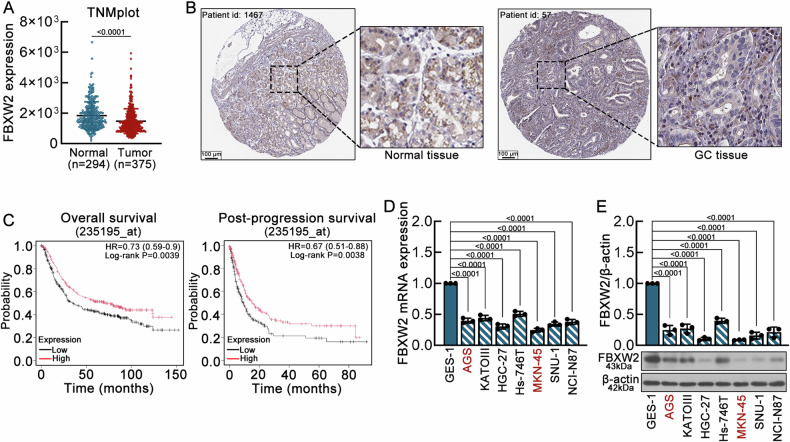 Figure 1
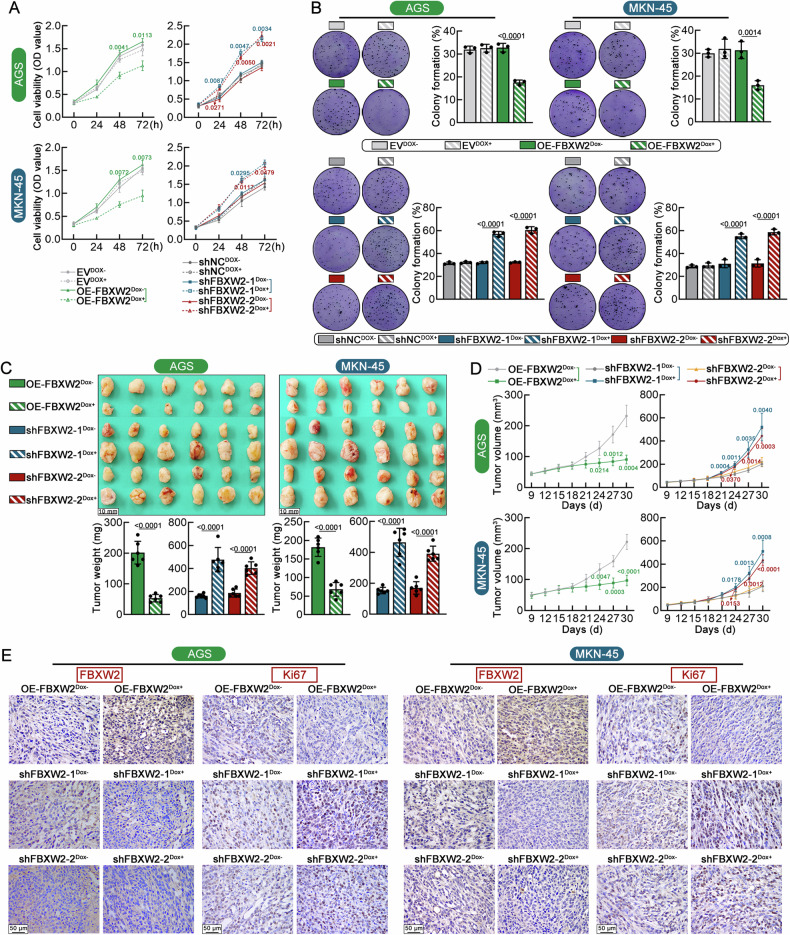 Figure 2
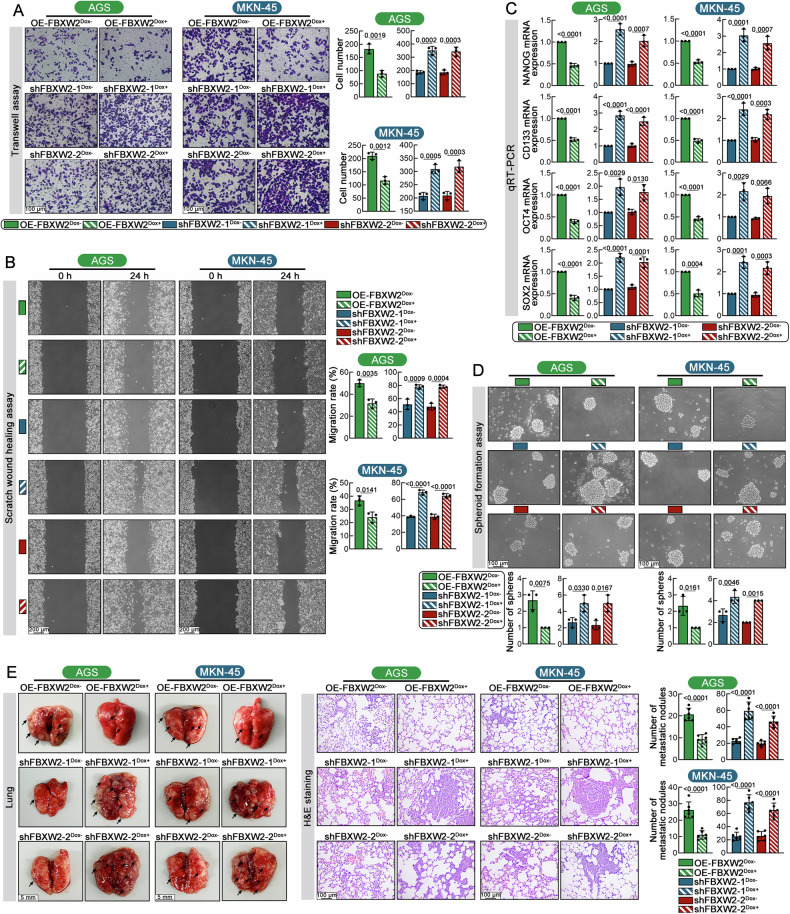 Figure 3
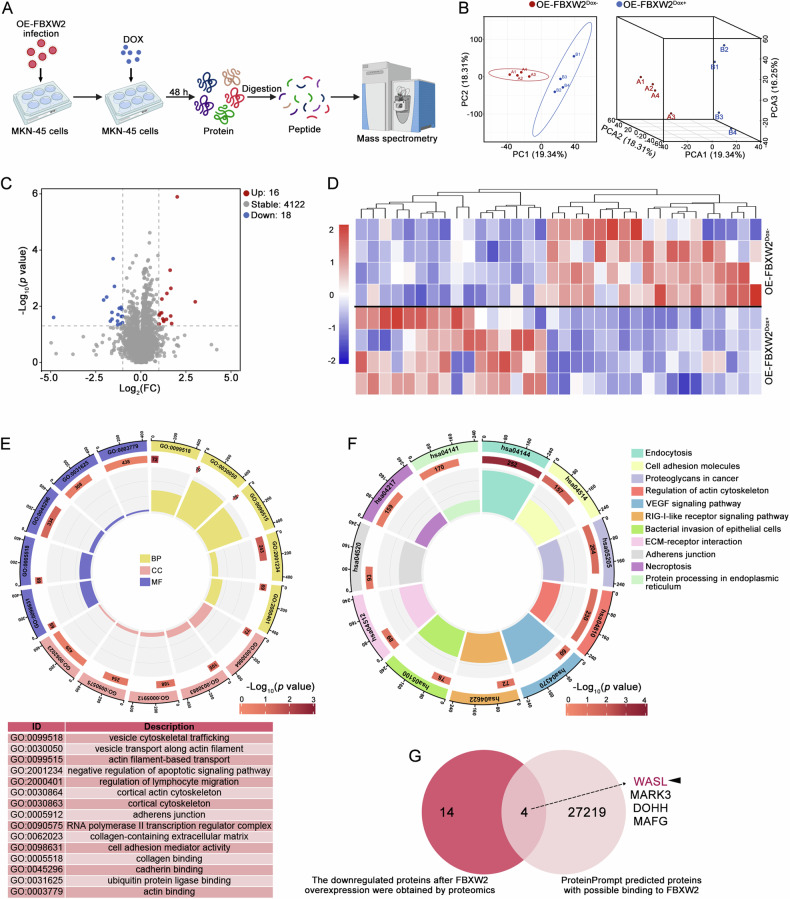 Figure 4
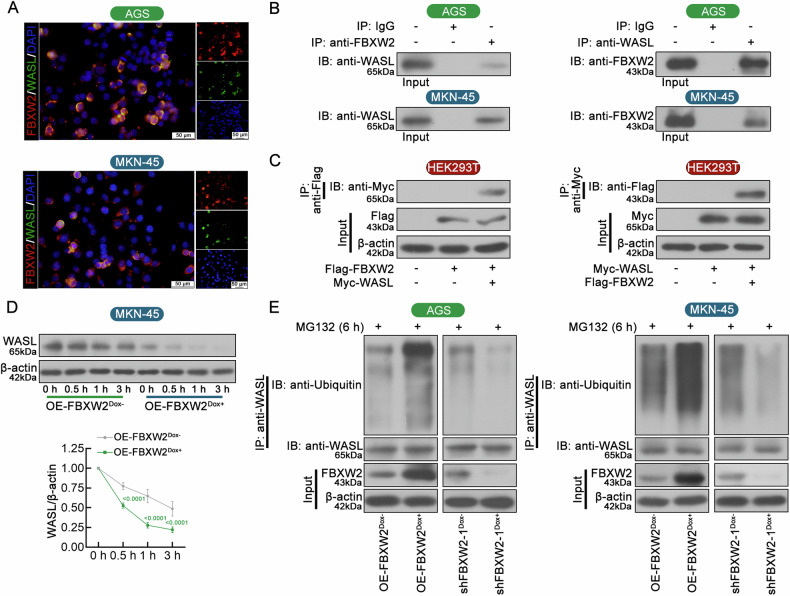 Figure 5
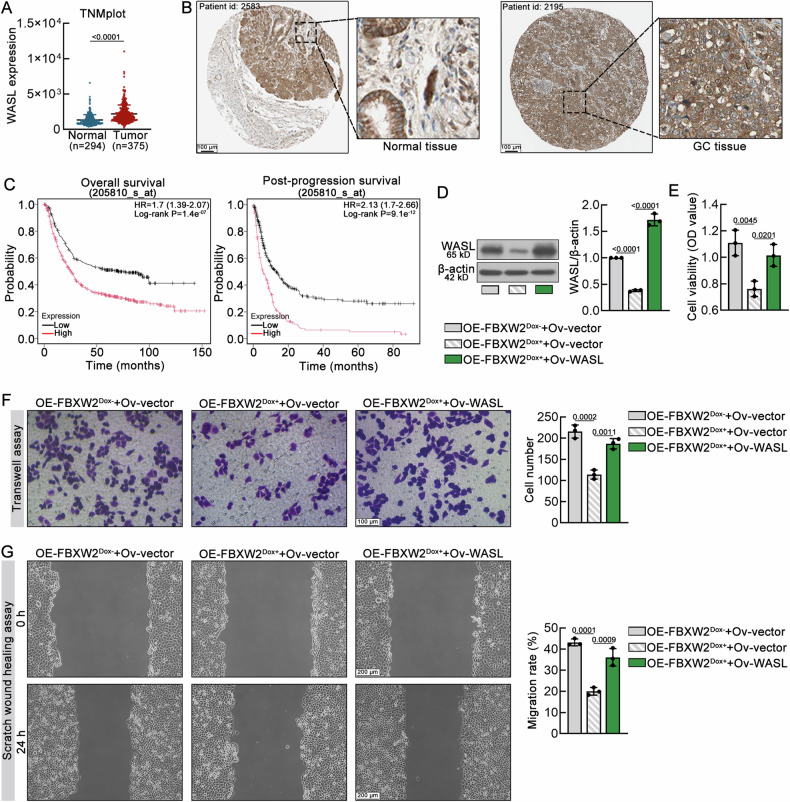 Figure 6
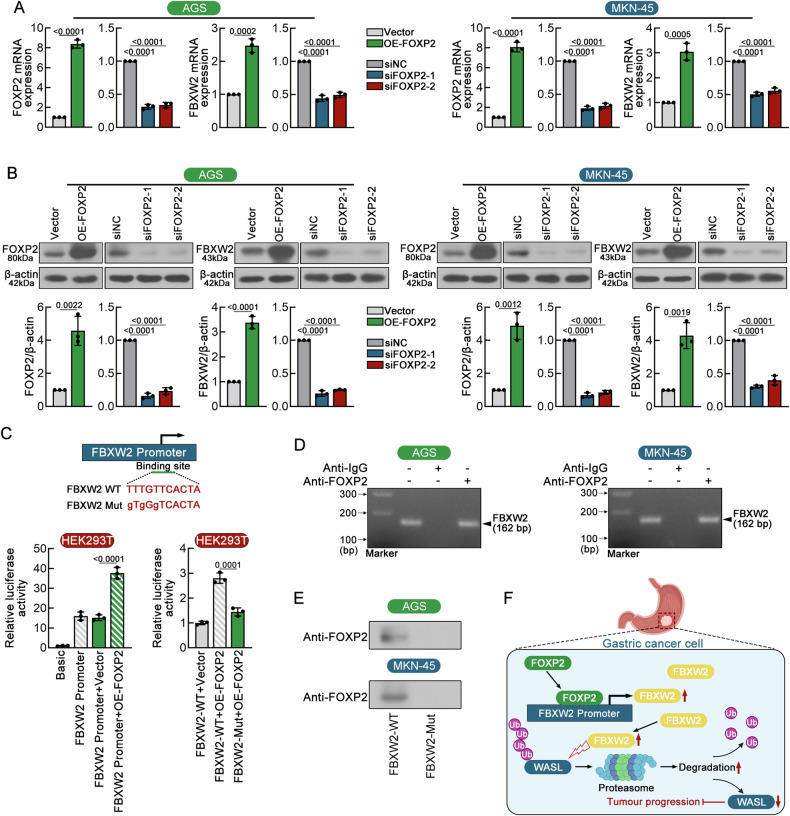 Figure 7
Peer Reviews
No public reviews on file for this paper yet. If you reviewed it on a platform where reviews are public (OpenReview, ICLR, NeurIPS, ICML), you can paste yours below so the community can read it here.
Videos
No videos yet. Explain this paper in a talk, walkthrough, or lecture? Add one.
Taxonomy
TopicsChronic Myeloid Leukemia Treatments · Eosinophilic Disorders and Syndromes · Cancer-related gene regulation