The nrfA-type microbial communities are widespread in hot springs of the Tibet-Yunnan geothermal zone
Xi Chen, Geng Wu, Zhicheng Yu, Fangming Li, Hongchen Jiang

TL;DR
This study explores the distribution of DNRA-functional bacteria in hot springs of the Tibet-Yunnan geothermal zone, revealing their role in the nitrogen cycle and how environmental factors influence their presence.
Contribution
The study identifies the widespread presence of nrfA-type microbial communities in geothermal ecosystems and their association with specific physicochemical factors.
Findings
nrfA genes are widespread in hot springs with temperatures between 38°C and 80°C in the Tibet-Yunnan geothermal zone.
Microorganisms with nrfA genes are mainly from phyla Chloroflexi, Proteobacteria, and Deinococcus-Thermus.
The distribution of nrfA-type microbes is influenced by pH, sulfate, and nitrite concentrations.
Abstract
The microorganisms are main drivers of biogeochemical processes in geothermal ecosystems. The dissimilatory nitrate-to-ammonium reduction pathway (DNRA) could act as an alternative source of ammonium and provide an important nitrogen supply for the maintenance of geothermal ecosystems. Investigating the distribution of DNRA-functional bacteria is of great significance to understanding the source of biological nitrogen production in geothermal environments. In this study, we characterized the community distribution of microorganisms harboring nrfA genes in the sediments of hot springs from the Tibet-Yunnan geothermal zone, with the use of Illumina MiSeq high-throughput sequencing of nrfA genes and R language software for statistical analysis. In the present study, the nrfA genes were successfully amplified from the hot springs with a temperature of 38°C–80°C. The nrfA-based phylogenetic…
Genes, proteins, chemicals, diseases, species, mutations and cell lines named across the full text — each resolved to its canonical identifier and authoritative record.
Click any figure to enlarge with its caption.
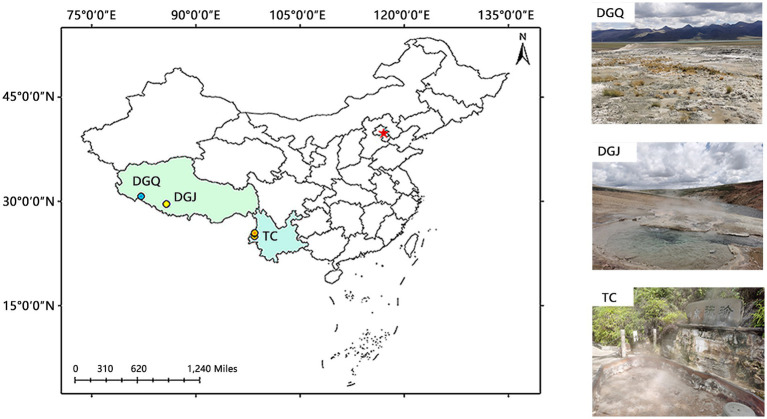 Figure 1
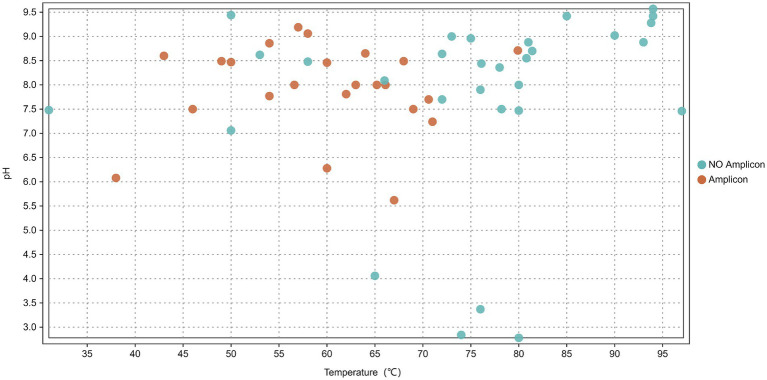 Figure 2
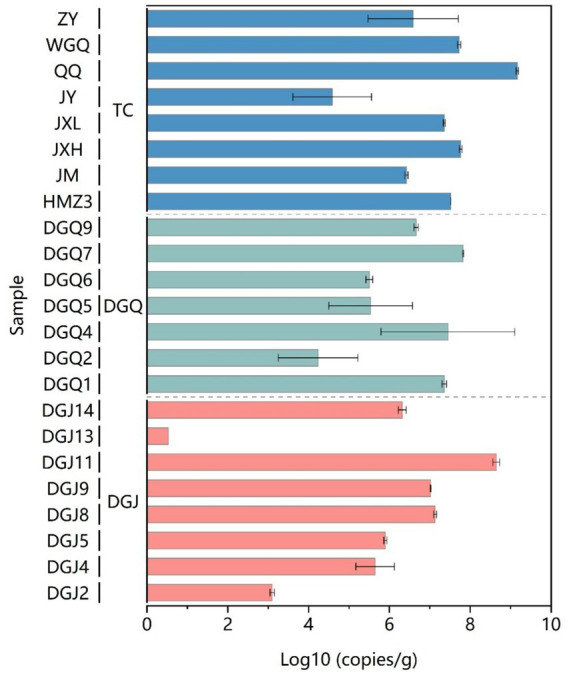 Figure 3
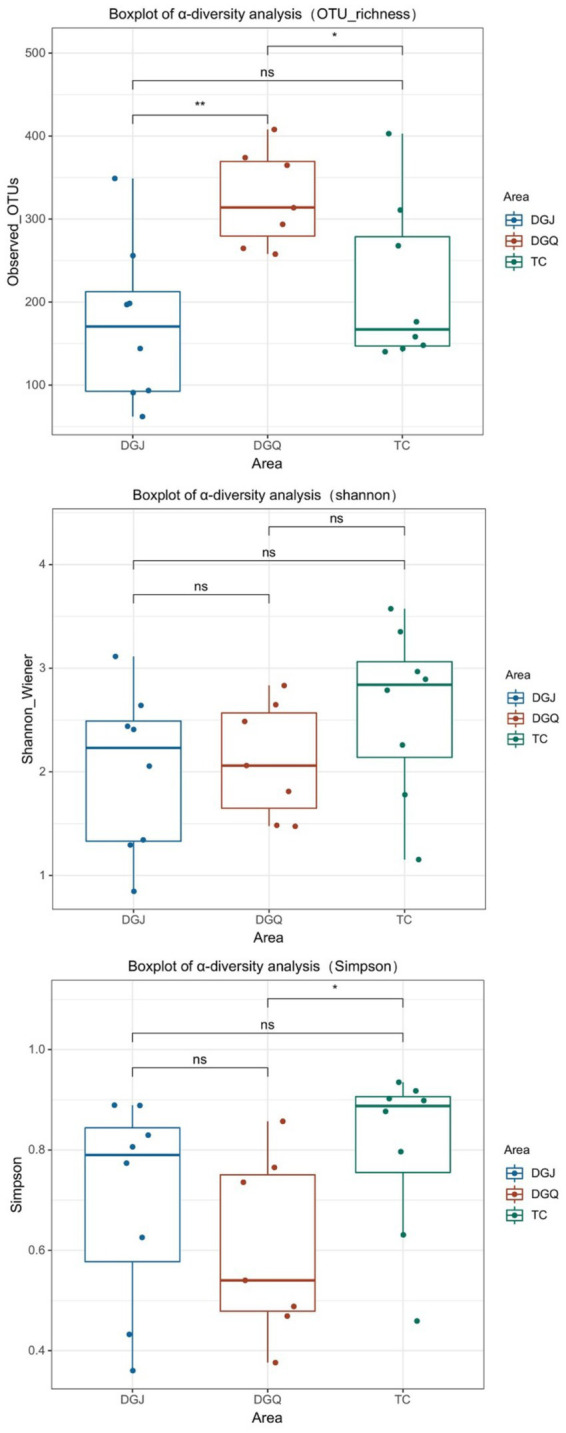 Figure 4
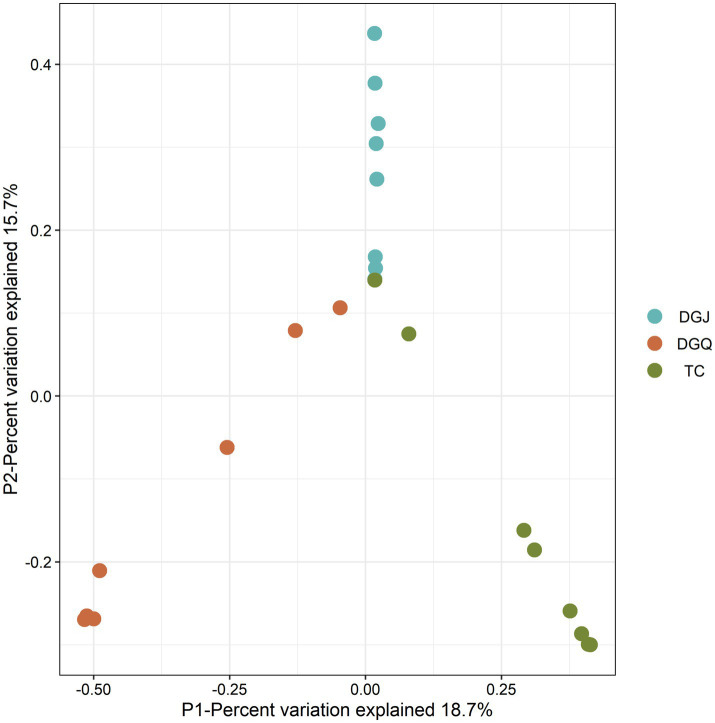 Figure 5
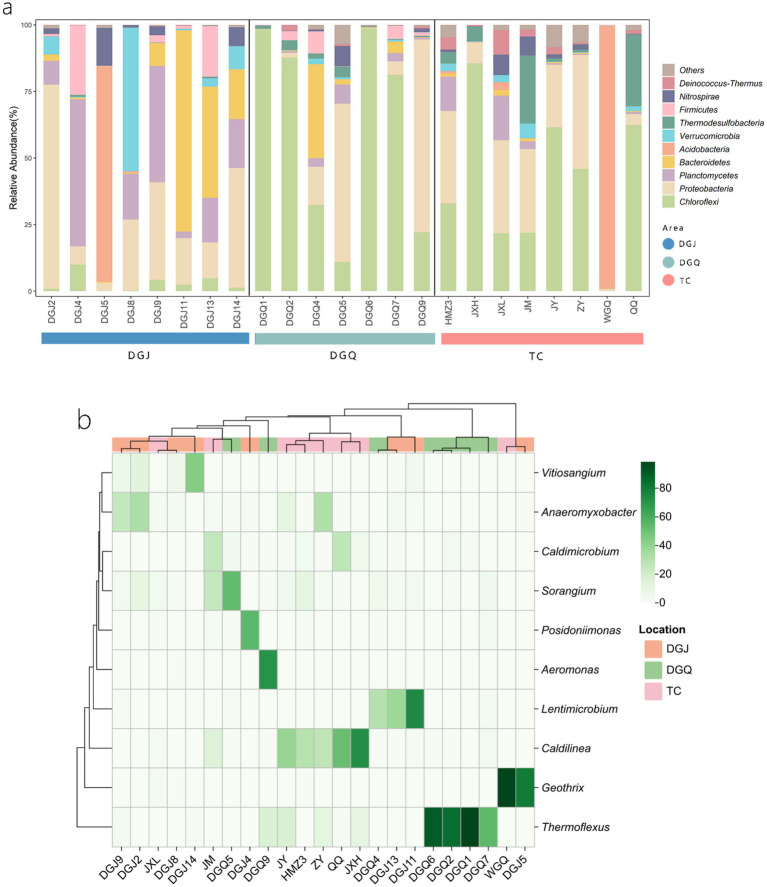 Figure 6
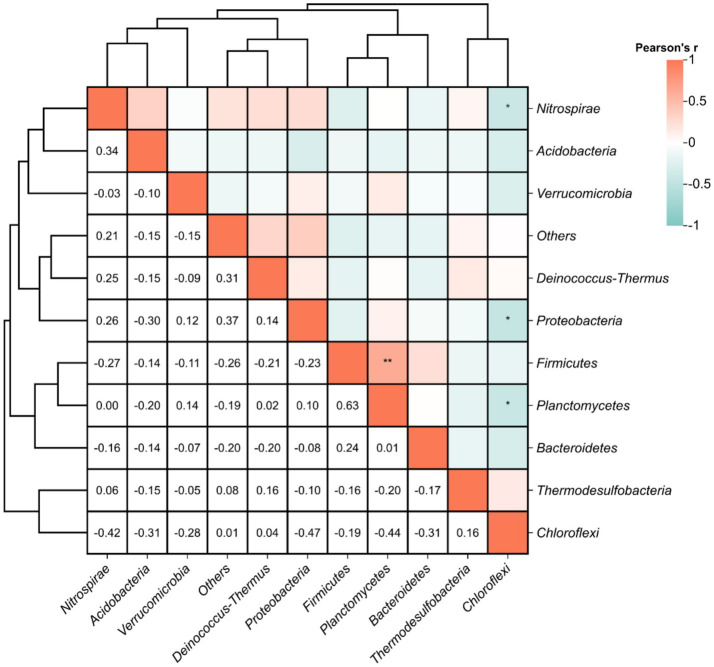 Figure 7
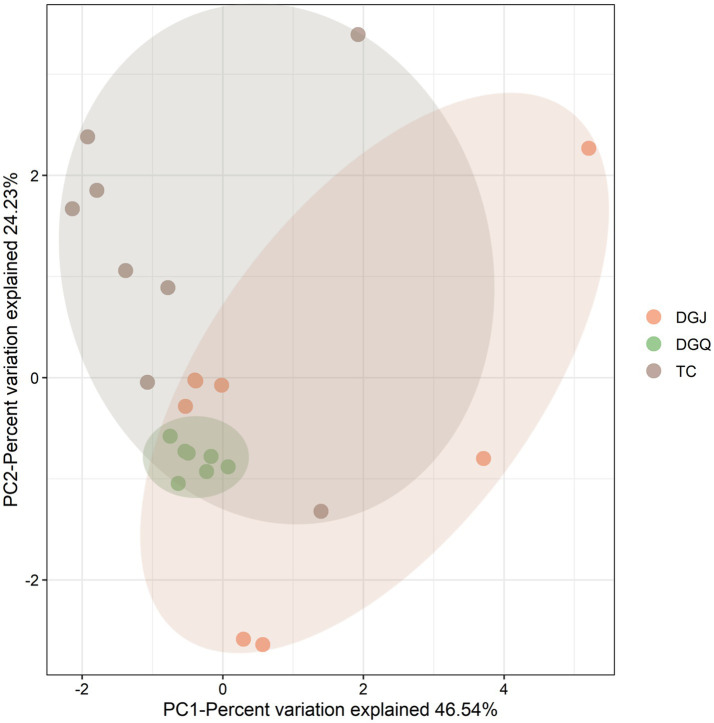 Figure 8
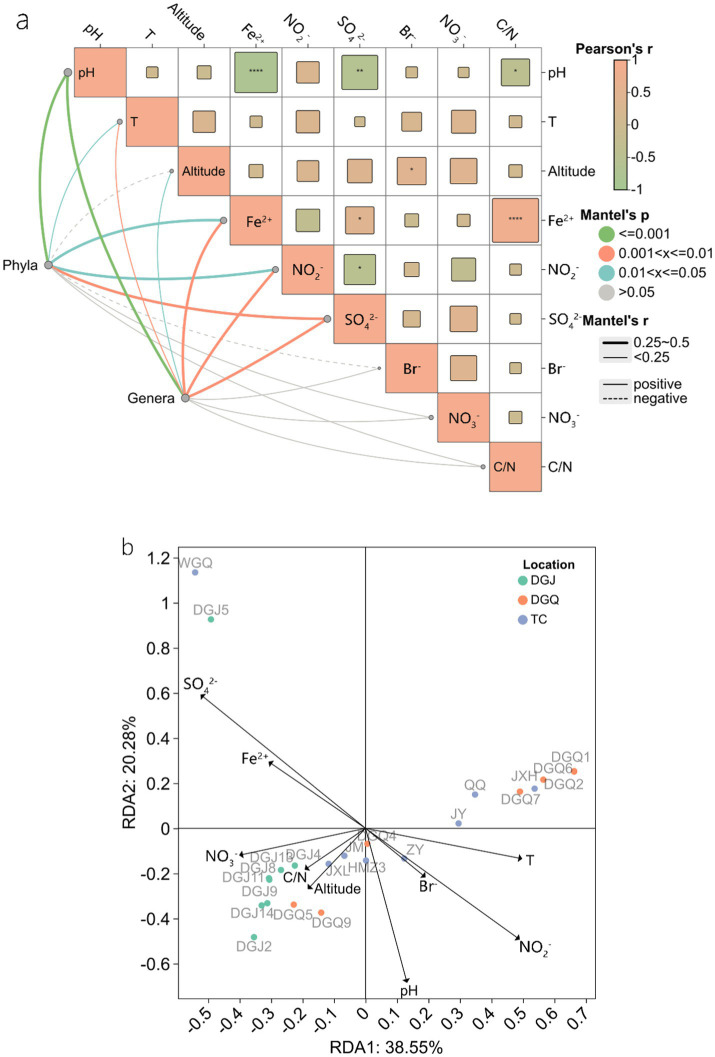 Figure 9
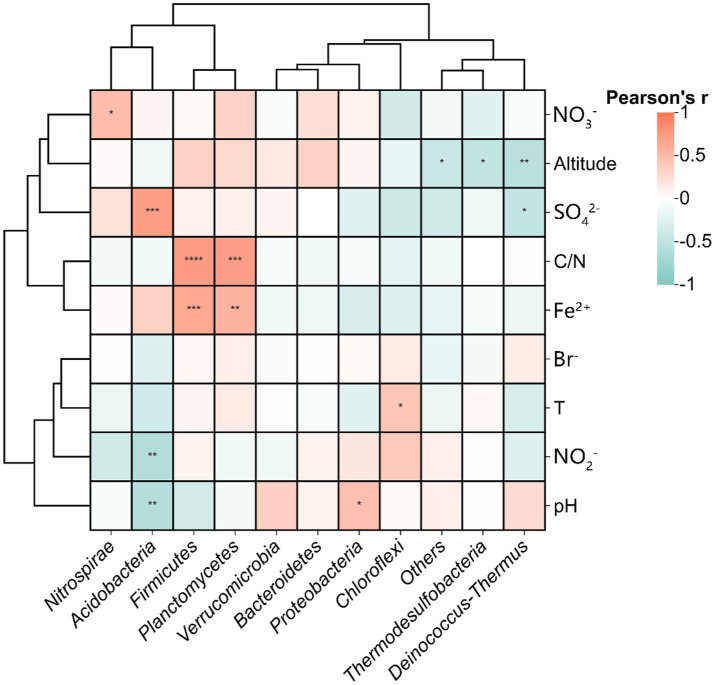 Figure 10
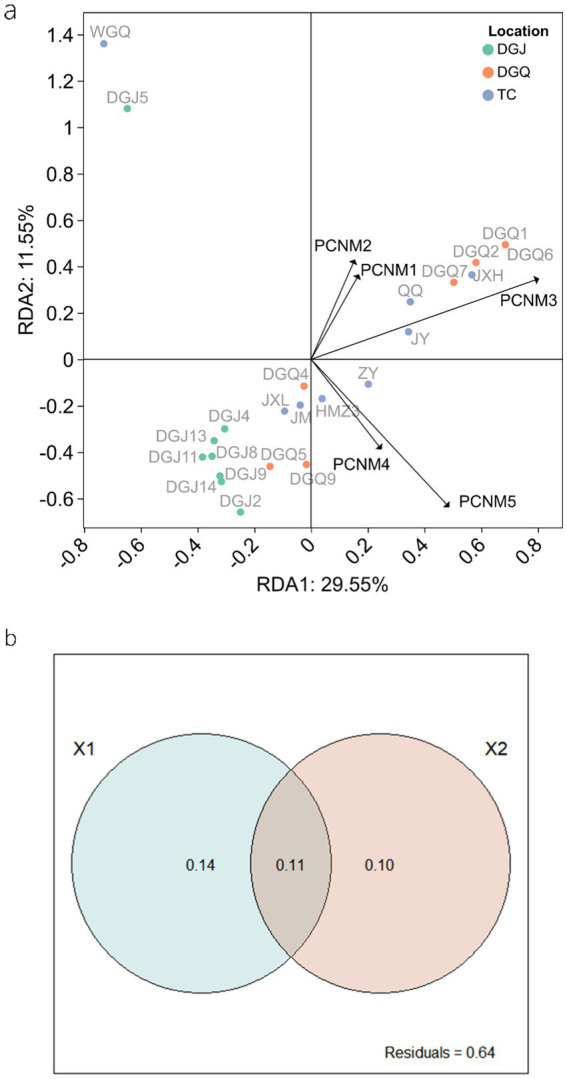 Figure 11
Peer Reviews
No public reviews on file for this paper yet. If you reviewed it on a platform where reviews are public (OpenReview, ICLR, NeurIPS, ICML), you can paste yours below so the community can read it here.
Videos
No videos yet. Explain this paper in a talk, walkthrough, or lecture? Add one.
Taxonomy
TopicsMicrobial Community Ecology and Physiology · Wastewater Treatment and Nitrogen Removal · Genomics and Phylogenetic Studies