In vitro and in vivo evaluation of immortalized hepatocyte encapsulated click-microbeads with RGD peptide for treatment of liver failure in male rats
Su Yee Win, Pinunta Nittayacharn, Jatupoom Ngernmark, Mongkol Chavalitsarot, Chitinart Thedrattanawong, Khanit Sa-ngiamsuntorn, Suradej Hongeng, Norased Nasongkla

TL;DR
This study shows that encapsulating immortalized liver cells in special microbeads can help treat liver failure in rats by improving liver function and reducing damage.
Contribution
The study introduces click-RGD-modified alginate microbeads for encapsulating hepatocytes, demonstrating enhanced therapeutic potential for acute liver failure.
Findings
Click-RGD microbeads improved cell viability, spatial distribution, and hepatocyte function in vitro.
Treated rats showed faster recovery of liver enzymes and improved liver histology compared to controls.
No adverse host responses were observed, confirming the biocompatibility of the microbeads.
Abstract
Cell encapsulation in biocompatible microbeads offers a promising strategy for cell-based therapy in acute liver failure (ALF). This study evaluates the use of immortalized hepatocyte cells (imHCs) encapsulated in click-arginyl glycyl aspartic acid (click-RGD)-modified alginate microbeads, focusing on their biocompatibility and therapeutic potential. In vitro assessments showed that click-RGD microbeads significantly enhanced cell viability on day 4, spatial distribution, and hepatocyte function, evidenced by increased albumin on day 14 and alpha-fetoprotein (AFP) secretion compared to unmodified alginate microbeads. For in vivo testing, ALF was induced in Sprague-Dawley male rats using D-galactosamine (D-gal), followed by intraperitoneal administration of imHCs-loaded click-RGD microbeads in the treated group and CMRL medium injection in the control group. Treated rats exhibited faster…
Genes, proteins, chemicals, diseases, species, mutations and cell lines named across the full text — each resolved to its canonical identifier and authoritative record.
Click any figure to enlarge with its caption.
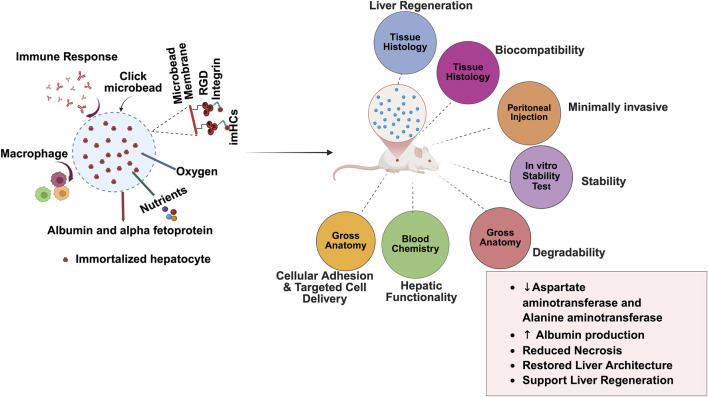 Figure 1
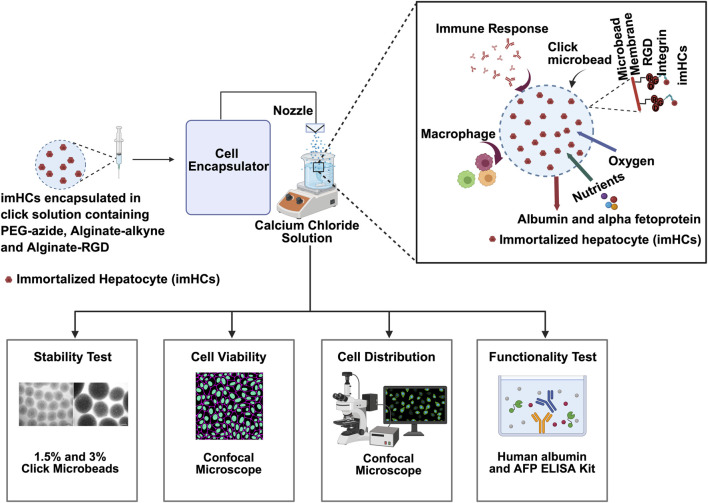 Figure 2
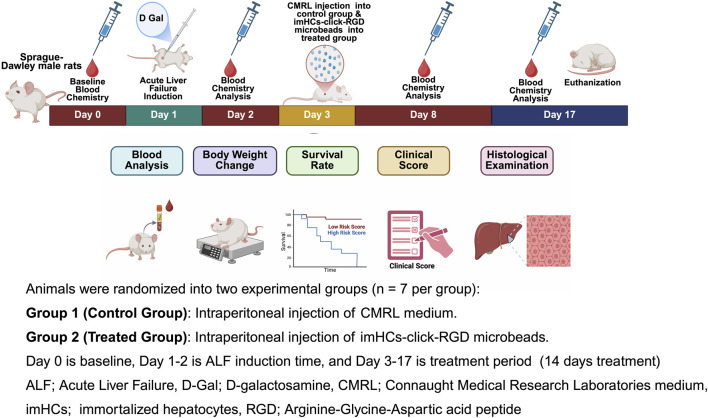 Figure 3
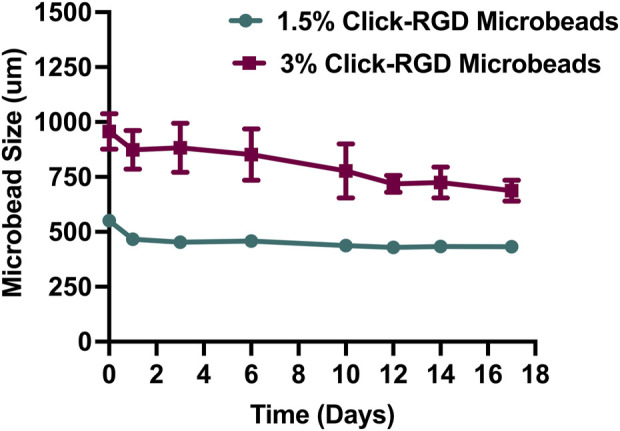 Figure 4
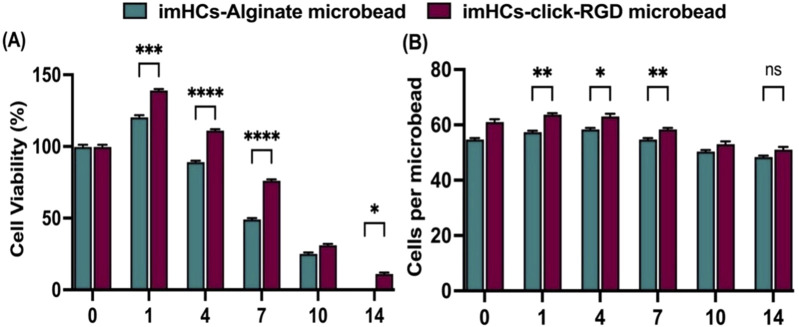 Figure 5
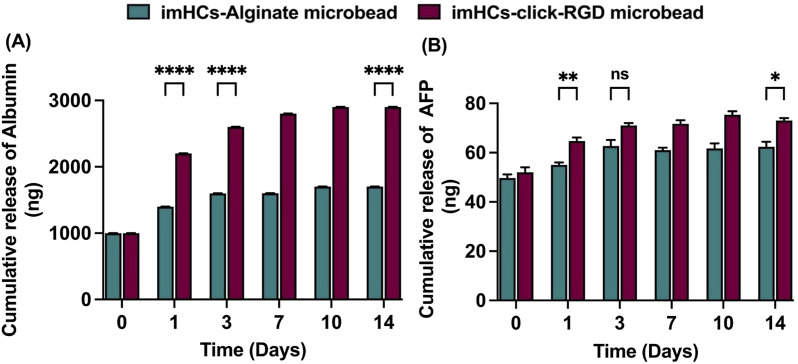 Figure 6
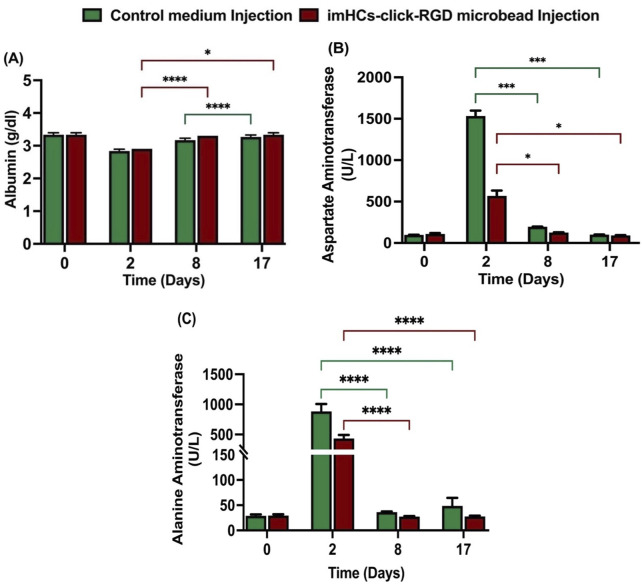 Figure 7
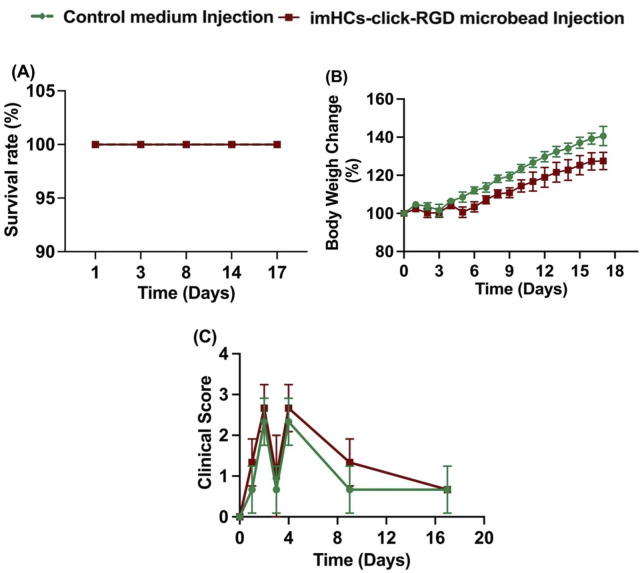 Figure 8
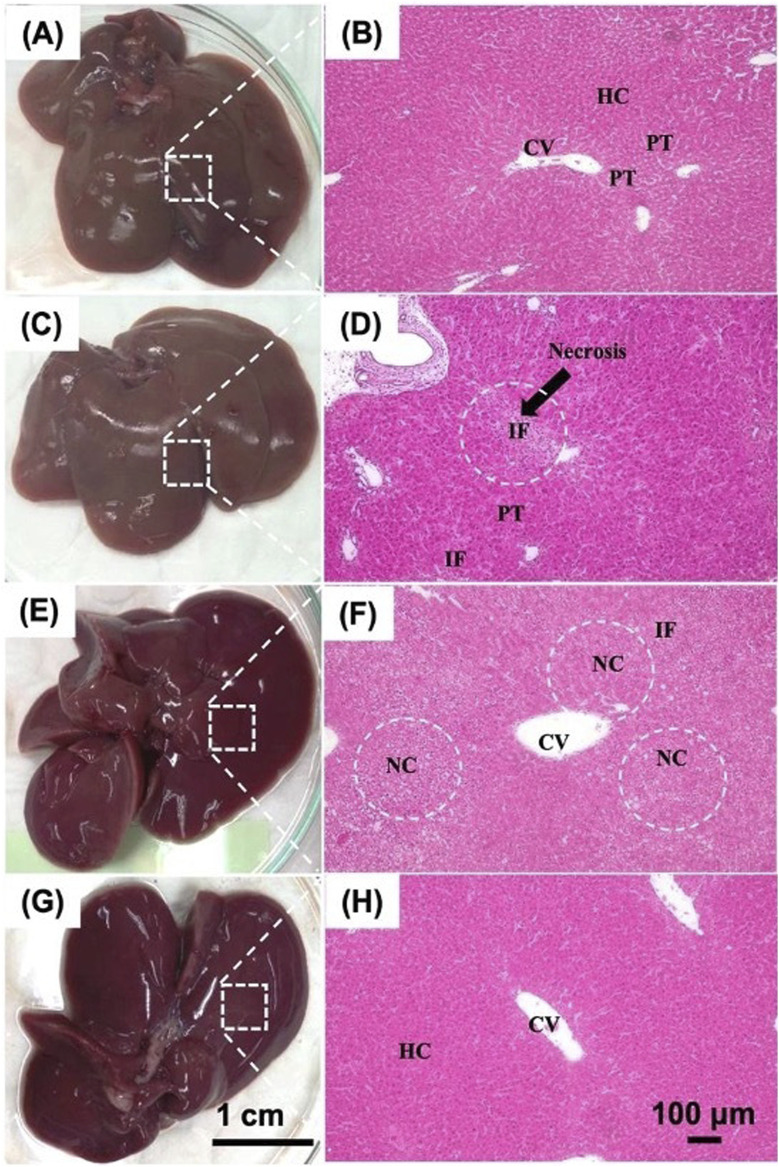 Figure 9
Peer Reviews
No public reviews on file for this paper yet. If you reviewed it on a platform where reviews are public (OpenReview, ICLR, NeurIPS, ICML), you can paste yours below so the community can read it here.
Videos
No videos yet. Explain this paper in a talk, walkthrough, or lecture? Add one.
Taxonomy
TopicsPancreatic function and diabetes · RNA Interference and Gene Delivery · Tissue Engineering and Regenerative Medicine