Exploration of the Potential Bioactive Compounds and Functional Mechanism of Chaihu Sanshen Capsule in Ameliorating Myocardial Ischaemia–Reperfusion Injury: A Serum Pharmaco‐Chemistry With Network Pharmacology Analysis
Weisong Wang, Zengyu Zhang, Rongzhen Liu, Yu Zheng, Yaqi Hu, Xia Li, Zihao Shen, Hengyou Yuan, Jianhe Liu

TL;DR
This study identifies the active compounds in Chaihu Sanshen Capsule and shows how they may help reduce heart damage through specific biological pathways.
Contribution
The study is the first to explore the chemical composition and multi-target mechanisms of Chaihu Sanshen Capsule in treating myocardial injury.
Findings
CHSSC contains 106 bioactive compounds absorbed into the bloodstream, including flavonoids and terpenoids.
CHSSC reduces cell death and activates the PI3K/AKT/p53 pathway in heart cells under stress.
In animal models, CHSSC lessens heart damage and modulates key signaling proteins like PI3K and AKT.
Abstract
Previous studies have shown the potential of Chaihu Sanshen capsule (CHSSC) to ameliorate myocardial ischemia‐reperfusion injury (MIRI), but there is yet no corresponding research on its chemical ingredients and multi‐target action network. The study aims to identify the chemical composition and potential bioactive compounds of CHSSC and elucidate its underlying mechanisms in MIRI treatment. Ultra‐high‐performance liquid chromatography‐Q exactive focus‐mass spectrometry was used to analyse the chemical composition and potential bioactive compounds of CHSSC. The active compounds were analysed via network pharmacology to identify the core targets and pathways. The oxygen–glucose deprivation/reoxygenation (OGD/R) H9C2 cell model and MIRI rat model were established, followed by intervention with CHSSC. TUNEL, flow cytometry and western blotting assays were used to observe the effects of…
Genes, proteins, chemicals, diseases, species, mutations and cell lines named across the full text — each resolved to its canonical identifier and authoritative record.
Click any figure to enlarge with its caption.
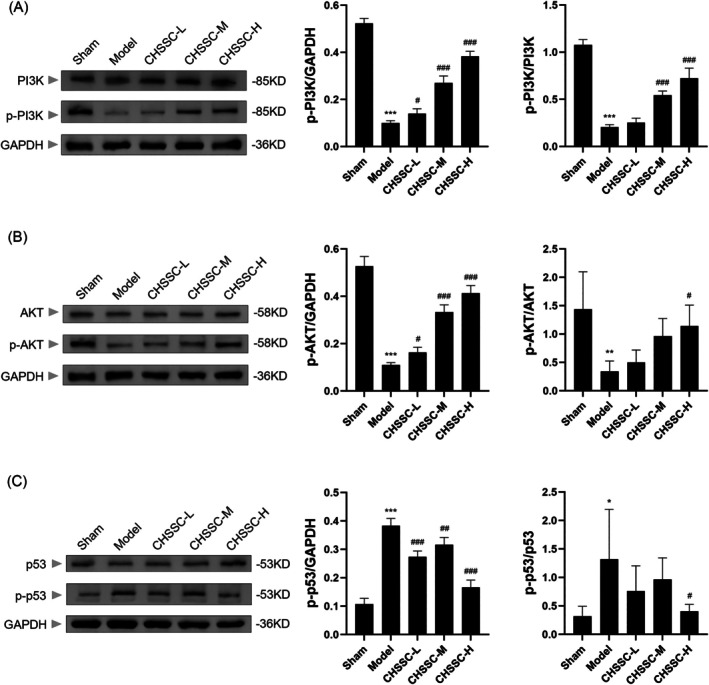 Figure 1
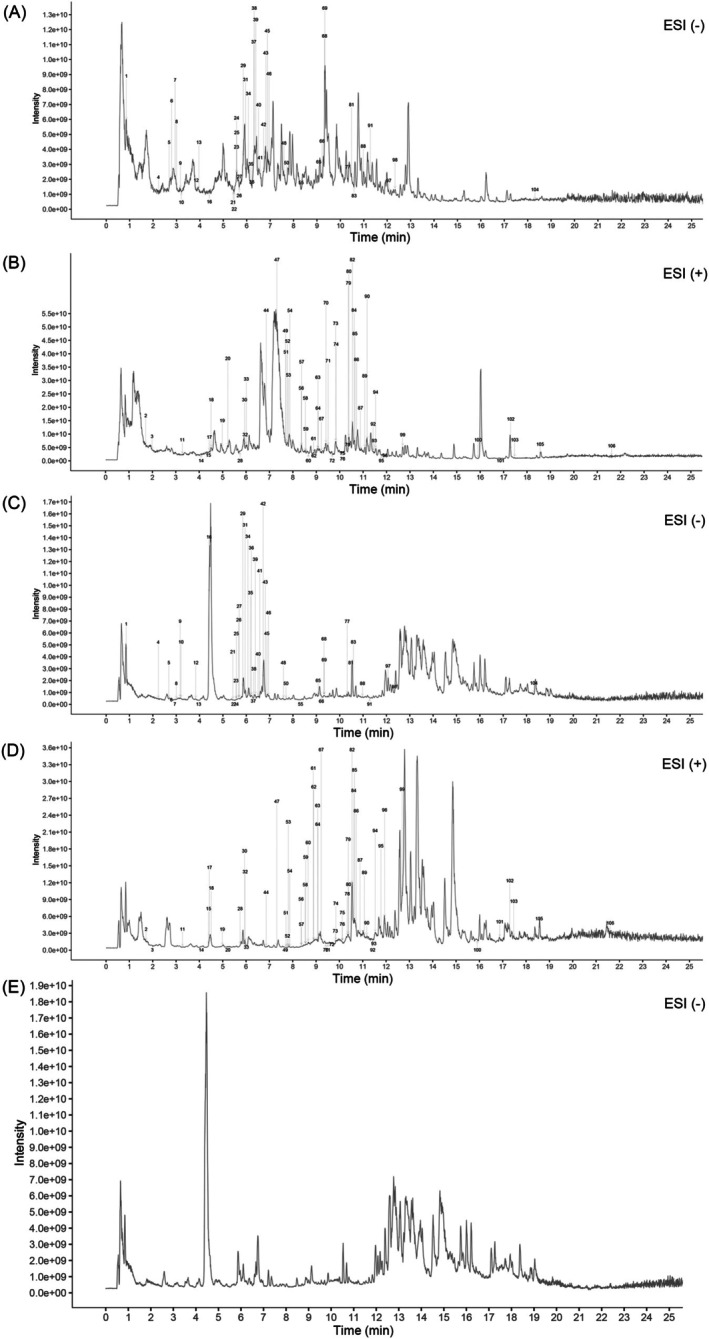 Figure 2
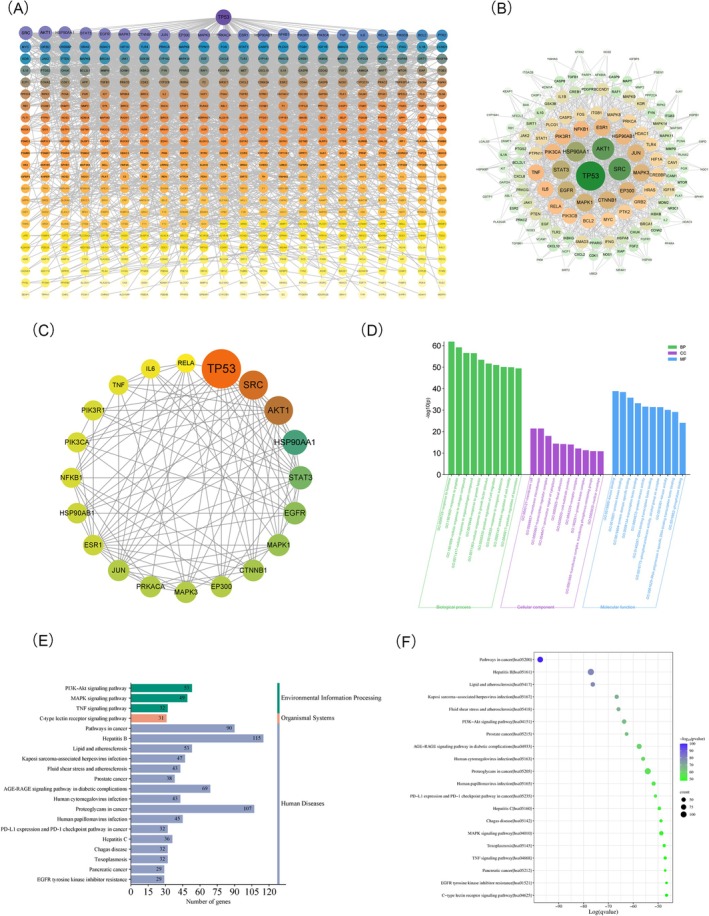 Figure 3
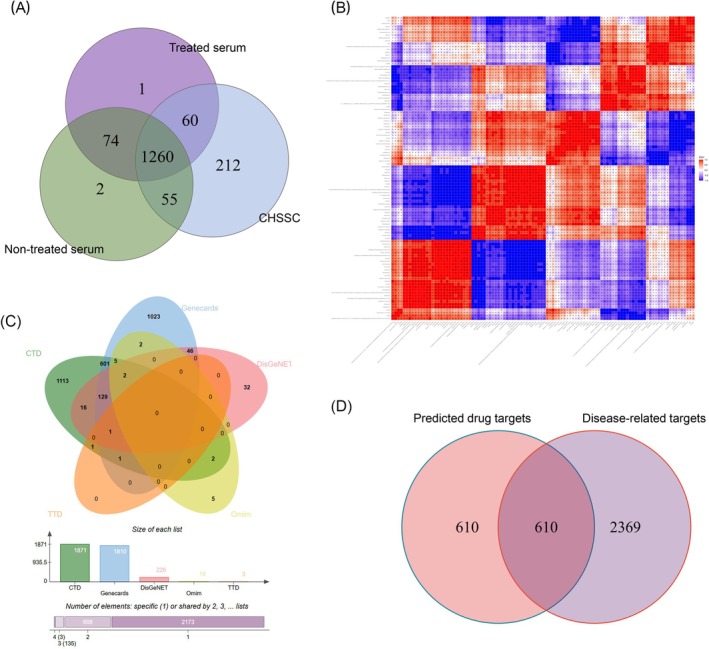 Figure 4
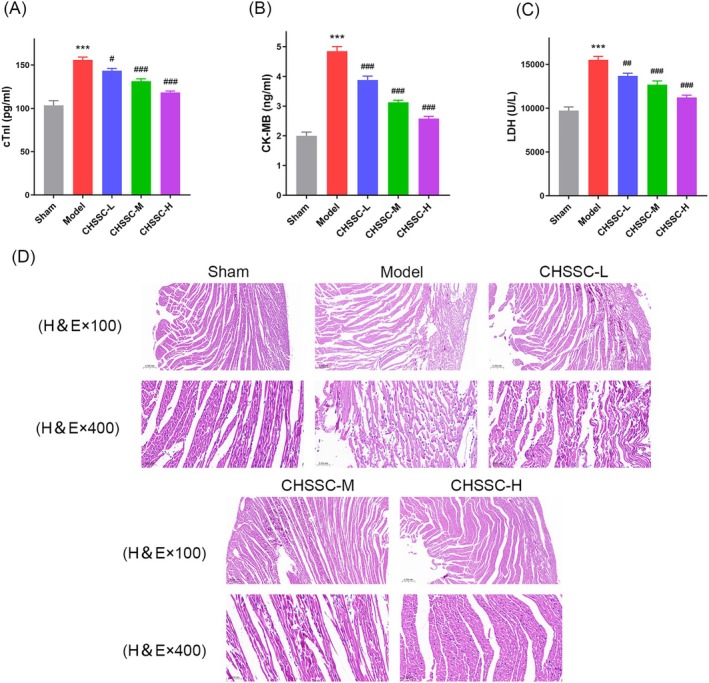 Figure 5
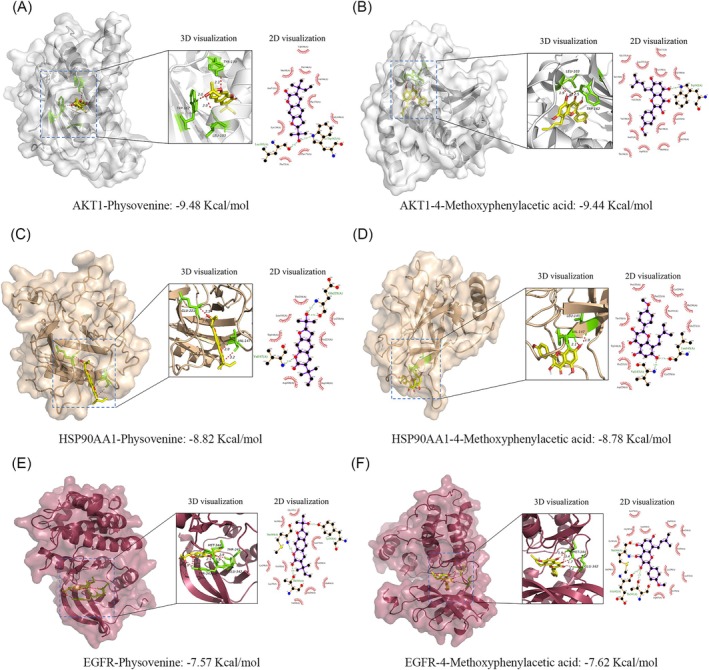 Figure 6
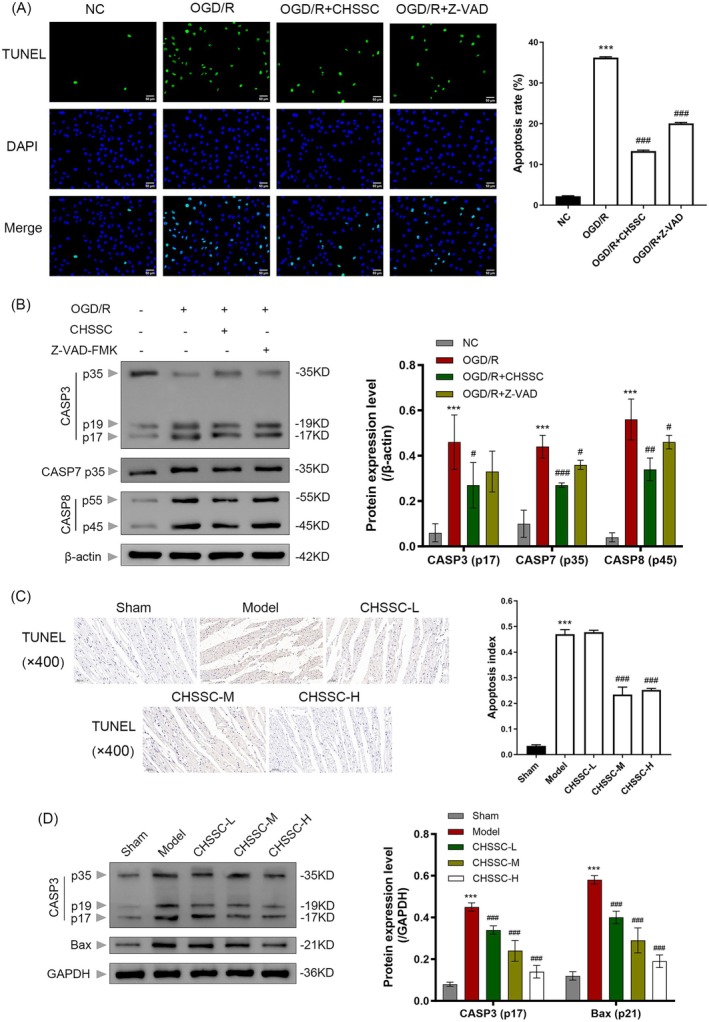 Figure 7
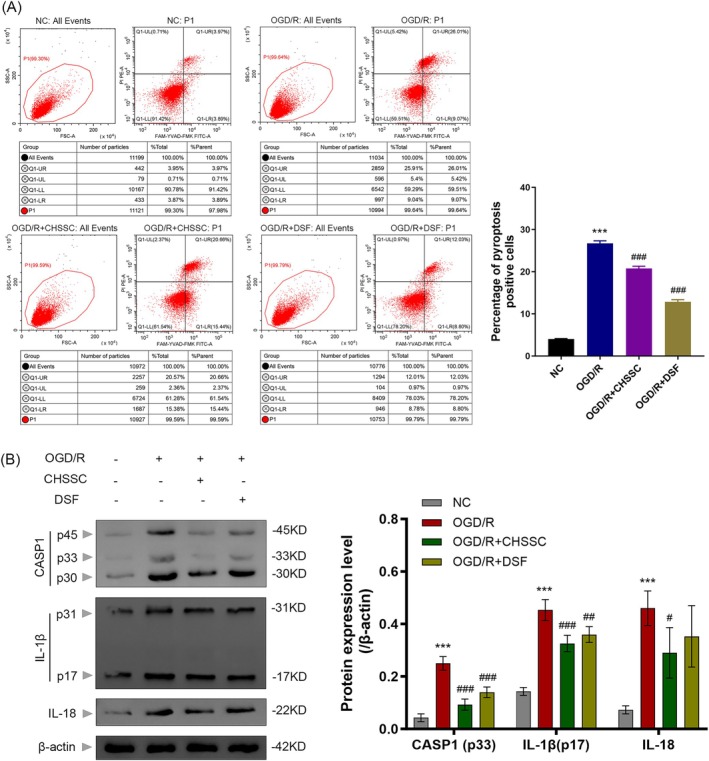 Figure 8
Peer Reviews
No public reviews on file for this paper yet. If you reviewed it on a platform where reviews are public (OpenReview, ICLR, NeurIPS, ICML), you can paste yours below so the community can read it here.
Videos
No videos yet. Explain this paper in a talk, walkthrough, or lecture? Add one.
Taxonomy
TopicsTraditional Chinese Medicine Analysis · Plant-based Medicinal Research · Bioactive Natural Diterpenoids Research