Congenital Insensitivity to Pain With Anhidrosis: First Reported Case in Nepal
Sobin Pant, Dibij Adhikari, Prakash Pandey, Binit Bajracharya, Rizuna Sharma

TL;DR
This paper reports the first case of a rare genetic disorder in Nepal, highlighting the importance of early diagnosis to prevent serious complications.
Contribution
The first documented case of congenital insensitivity to pain with anhidrosis in Nepal is reported.
Findings
The case demonstrates the clinical features of anhidrosis and insensitivity to pain.
Early diagnosis and multidisciplinary care are emphasized to prevent severe complications.
Genetic testing is noted as crucial but not always feasible in resource-limited settings.
Abstract
Congenital insensitivity to pain with anhidrosis is a rare autosomal recessive disorder characterized by anhidrosis, self‐mutilation, and insensitivity to pain and temperature. While genetic testing confirms the diagnosis, it is not always feasible, making clinical recognition crucial in resource‐limited settings. Early diagnosis and a multidisciplinary approach help prevent complications like severe injuries, infections, and hyperpyrexia.
Genes, proteins, chemicals, diseases, species, mutations and cell lines named across the full text — each resolved to its canonical identifier and authoritative record.
Click any figure to enlarge with its caption.
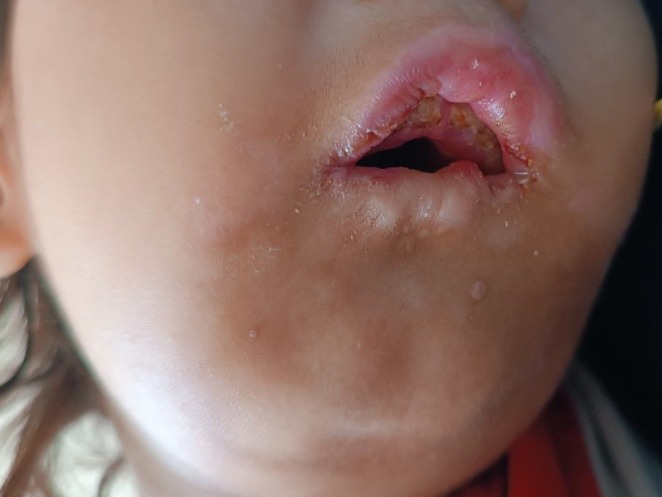 Figure 1
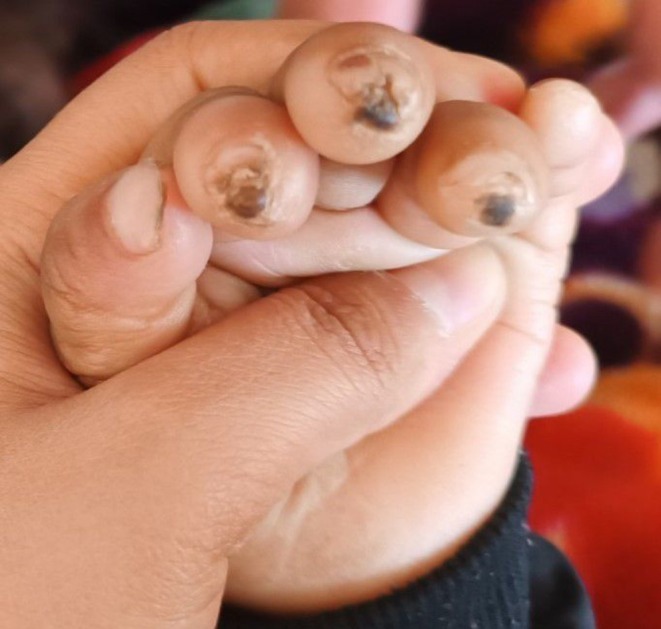 Figure 2
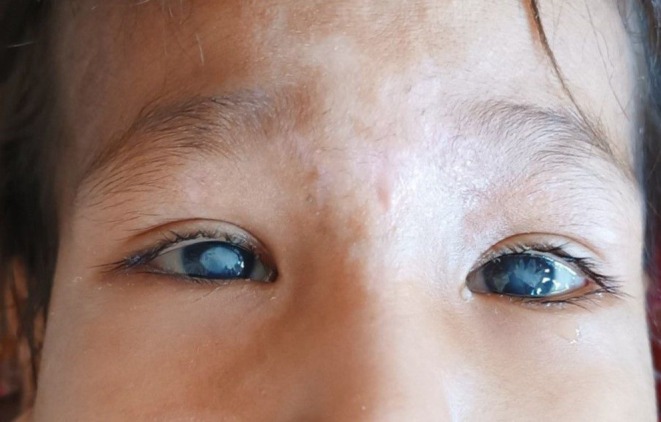 Figure 3
Peer Reviews
No public reviews on file for this paper yet. If you reviewed it on a platform where reviews are public (OpenReview, ICLR, NeurIPS, ICML), you can paste yours below so the community can read it here.
Videos
No videos yet. Explain this paper in a talk, walkthrough, or lecture? Add one.
Taxonomy
TopicsHereditary Neurological Disorders · Toxin Mechanisms and Immunotoxins · Biochemical and Molecular Research