The impact of religiosity, anxiety and depression on proneness to auditory hallucinations in healthy individuals
Chiara Lucafò, Irene Ceccato, Gianluca Malatesta, Rocco Palumbo, Nicola Mammarella, Alberto Di Domenico, Luca Tommasi, Giulia Prete

TL;DR
This study explores how religiosity, anxiety, and depression relate to auditory hallucinations in healthy people, finding that non-believers are more prone to these experiences.
Contribution
The study identifies religiosity as a potential protective factor against proneness to auditory hallucinations in non-clinical populations.
Findings
31% of the variance in proneness to auditory hallucinations is explained by a model including religiosity, anxiety, depression, and demographics.
Non-believers showed higher scores in depression, anxiety, and hallucination proneness compared to believers.
Religiosity, particularly positive aspects, correlates with lower proneness to auditory hallucinations.
Abstract
Auditory hallucinations (hearing voices in the absence of physical stimuli) are present in clinical conditions, but they are also experienced less frequently by healthy individuals. In the non-clinical population, auditory hallucinations are described more often as positive and not intrusive; indeed, they have received less attention. The present study explores the phenomenology of non-clinical auditory hallucinations and their possible relationship with religiosity. Starting from previous findings suggesting that non-clinical auditory hallucinations are often described as a gift or a way to be connected with ‘someone else’, we administered standardised questionnaires to quantify proneness to experiencing auditory hallucinations, religiosity and anxiety/depression scores. Regression analysis carried out using an auditory hallucinations, index as the dependent variable on a final…
Genes, proteins, chemicals, diseases, species, mutations and cell lines named across the full text — each resolved to its canonical identifier and authoritative record.
Click any figure to enlarge with its caption.
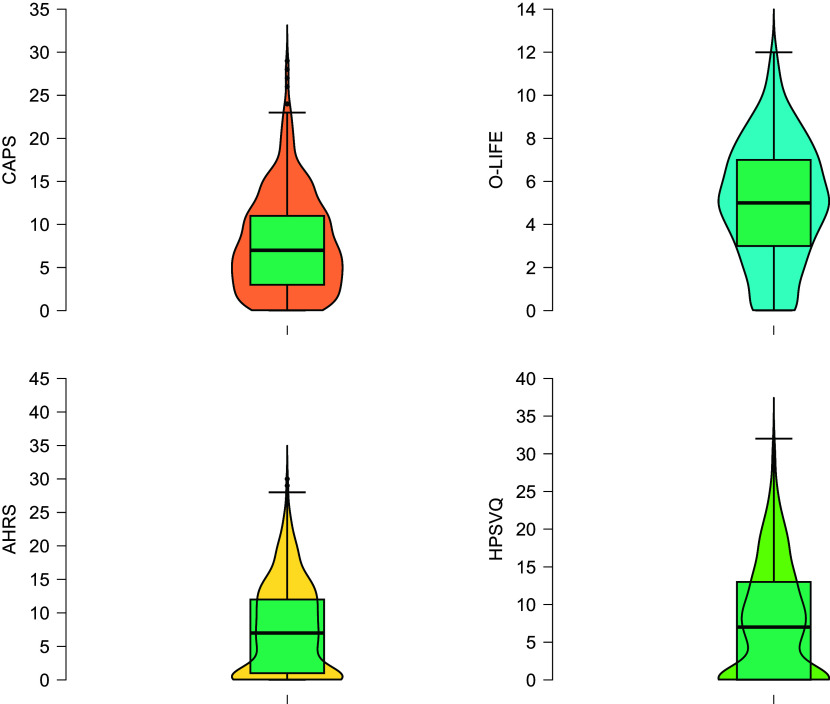 Figure 1
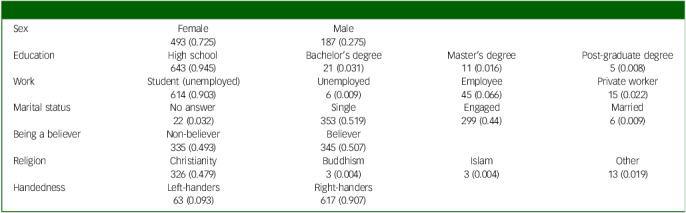 Figure 2
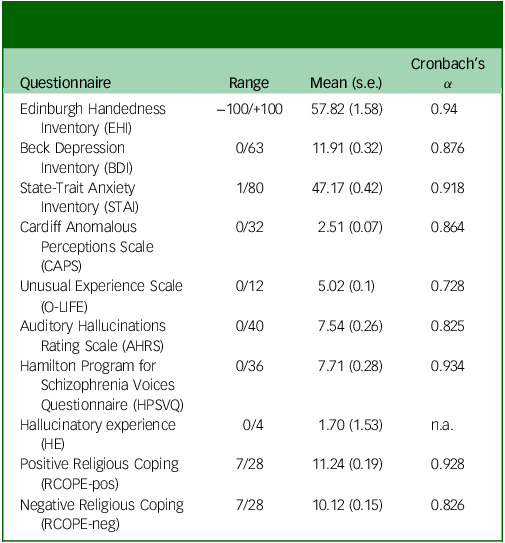 Figure 3
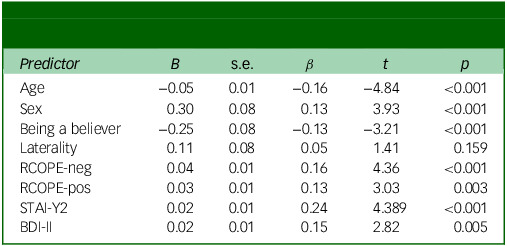 Figure 4
Peer Reviews
No public reviews on file for this paper yet. If you reviewed it on a platform where reviews are public (OpenReview, ICLR, NeurIPS, ICML), you can paste yours below so the community can read it here.
Videos
No videos yet. Explain this paper in a talk, walkthrough, or lecture? Add one.
Taxonomy
TopicsPsychosomatic Disorders and Their Treatments · Hallucinations in medical conditions · Schizophrenia research and treatment