Mitochondrial genome complexity in Erodium stephanianum (Geraniaceae): nanopore sequencing reveals chloroplast gene transfer and DNA rearrangements
Xinchen Xu, Qingfei Meng, Na Li, Zichuan Zou, Haonan Yang, Ang Li, Fusheng Ge, Jian Meng, Zixue Ding

TL;DR
This paper reveals the complex mitochondrial genome of Erodium stephanianum, including gene transfer from chloroplasts and DNA rearrangements.
Contribution
The study identifies extensive chloroplast-to-mitochondrion gene transfer and genome rearrangements in Erodium stephanianum using nanopore sequencing.
Findings
The mitochondrial genome of E. stephanianum is 365,414 base pairs with 28 protein-coding genes.
55 DNA fragments show homology between chloroplast and mitochondrial genomes, indicating gene transfer.
Phylogenetic analysis places E. stephanianum closely related to Geranium maderense in the Geraniales order.
Abstract
The mitochondrial genome of Erodium stephanianum (Geraniaceae) exhibits remarkable complexity revealed through nanopore sequencing, which has unveiled both chloroplast-to-mitochondrion gene transfer and extensive DNA rearrangements. We collected leaf samples from E. stephanianum in June 2023, subsequently extracting total DNA and sequencing the mitogenome using both Oxford Nanopore and Illumina technologies. The assembly yielded a circular mitochondrial genome of 365,414 base pairs, encompassing 28 unique protein-coding genes, 18 tRNA genes, and 3 rRNA genes. Notably, 55 fragments, totaling 58,305 base pairs, showcased sequence homology between the chloroplast and mitochondrion, indicating substantial gene transfer with implications for evolutionary adaptation. Furthermore, codon usage analysis revealed preferential codon utilization, while microsatellite and repeat sequence analyses…
Genes, proteins, chemicals, diseases, species, mutations and cell lines named across the full text — each resolved to its canonical identifier and authoritative record.
Click any figure to enlarge with its caption.
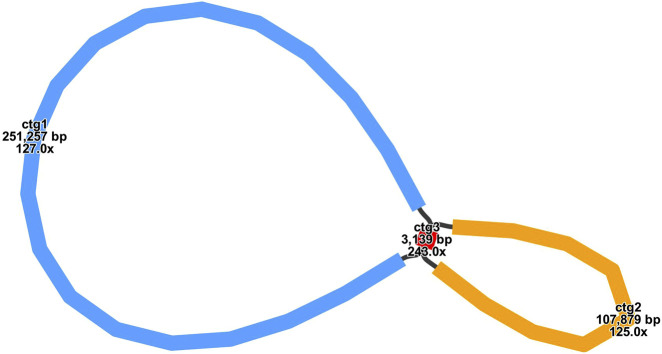 Figure 1
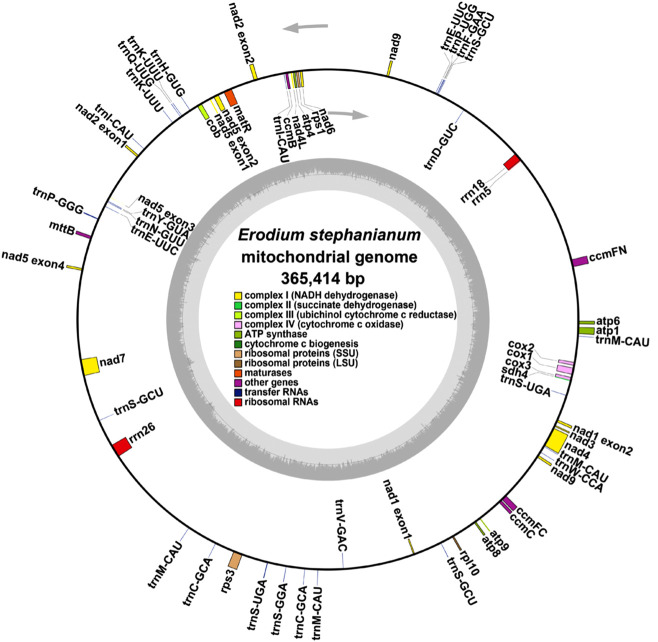 Figure 2
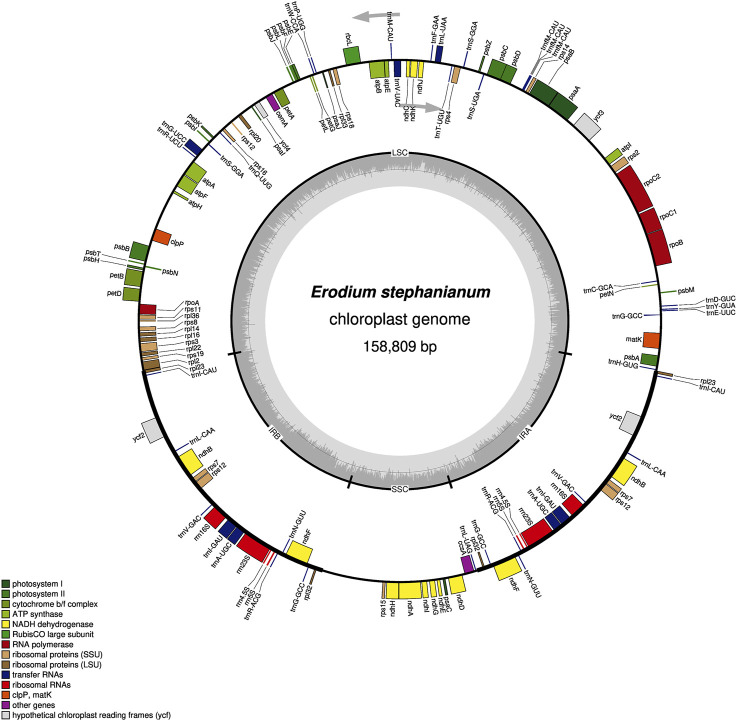 Figure 3
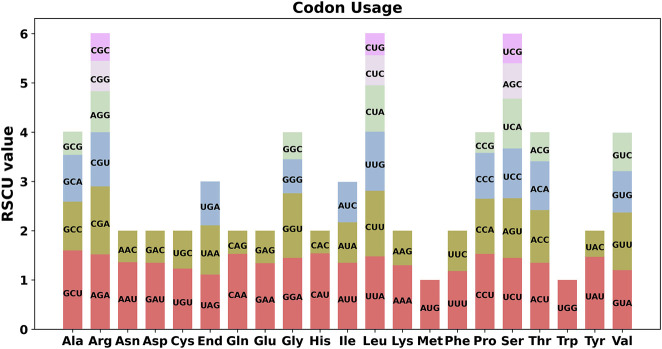 Figure 4
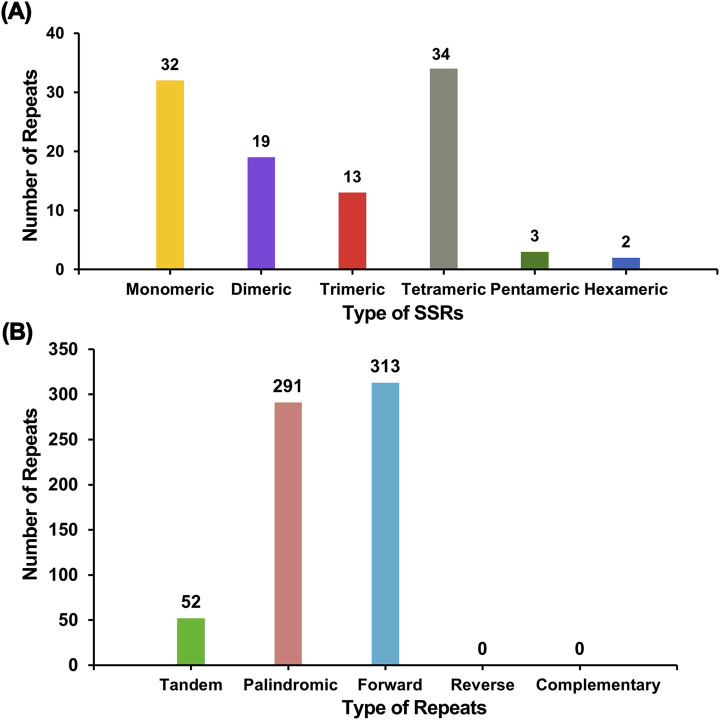 Figure 5
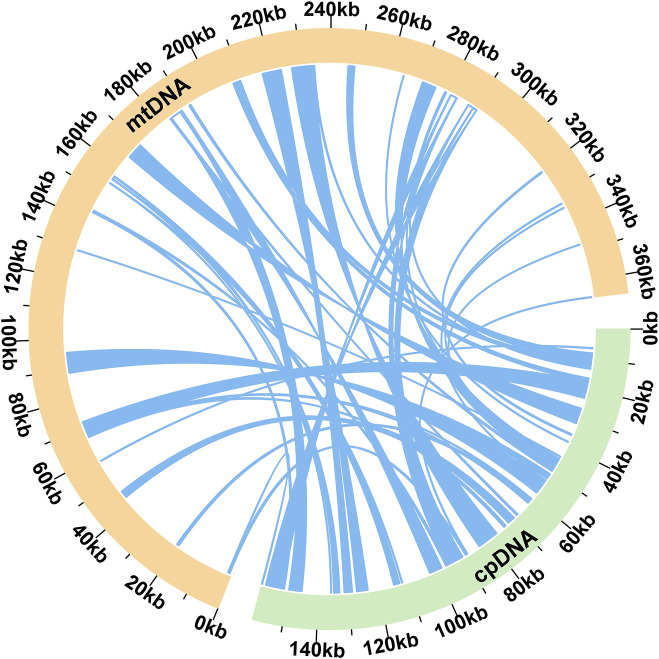 Figure 6
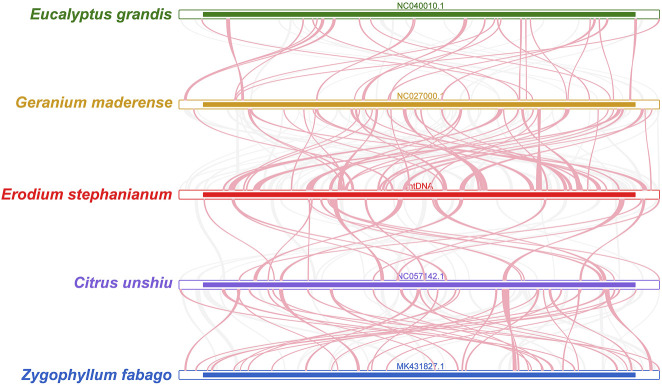 Figure 7
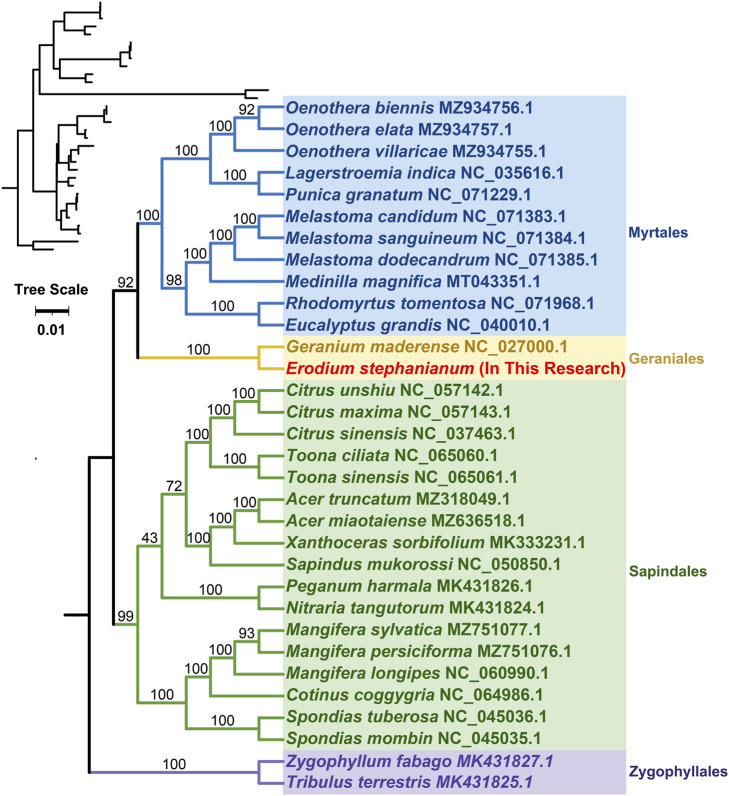 Figure 8
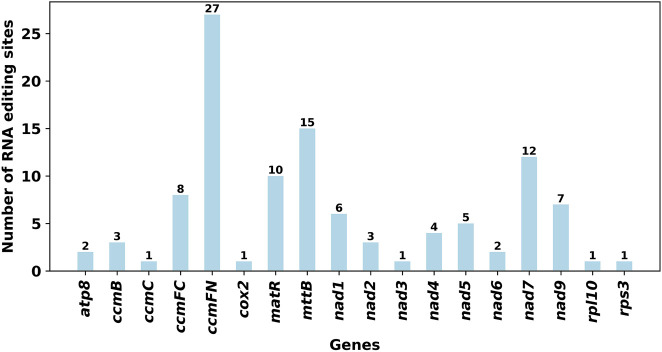 Figure 9
Peer Reviews
No public reviews on file for this paper yet. If you reviewed it on a platform where reviews are public (OpenReview, ICLR, NeurIPS, ICML), you can paste yours below so the community can read it here.
Videos
No videos yet. Explain this paper in a talk, walkthrough, or lecture? Add one.
Taxonomy
TopicsGenomics and Phylogenetic Studies · Plant and Fungal Species Descriptions · Genetic diversity and population structure