High cGAS-STING expression associates with improved efficacy of neoadjuvant chemo-immunotherapy in head and neck squamous cell carcinoma
Miao Wang, Menglin Shi, Yiming Ding, Zishanbai Zhang, Yuze Ge, Zhixin Li, Yixin Jing, Honglian Hu, Xiaohong Chen

TL;DR
High cGAS-STING expression is linked to better outcomes in head and neck cancer patients treated with chemo-immunotherapy.
Contribution
This study identifies cGAS and STING as potential biomarkers for predicting neoadjuvant chemo-immunotherapy efficacy in HNSCC.
Findings
High cGAS and STING1 expression correlates with improved neoadjuvant chemo-immunotherapy efficacy in HNSCC patients.
cGAS and STING1 mRNA levels are positively linked to T cell abundance and tumor-T cell interactions.
CGAS and STING1 expressions are associated with better sensitivity to anti-PD-1 treatment and lower docetaxel IC50.
Abstract
Neoadjuvant chemo-immunotherapy (NACI) has demonstrated significant clinical advantages in head and neck squamous cell carcinomas (HNSCC), while clinical responses vary in different patients. This study investigated the correlation between the cyclic GMP-AMP synthase (cGAS, CGAS) and the stimulator of interferon genes (STING, STING1) expressions and the efficacy of NACI in HNSCC. The correlation between CGAS and STING1 expressions and chemotherapy/immunotherapy drug sensitivity was analyzed using the GDSC and TCIA dataset. The study enrolled 38 HNSCC patients receiving NACI, with protein expressions of cGAS and STING evaluated via immunohistochemistry. The T cell abundance and tumor-T cell interactions in different CGAS and STING1 expression groups were analyzed using bulk RNA-seq and scRNA-seq data from open databases. The mRNA expressions of CGAS and STING1 were negatively…
Genes, proteins, chemicals, diseases, species, mutations and cell lines named across the full text — each resolved to its canonical identifier and authoritative record.
Click any figure to enlarge with its caption.
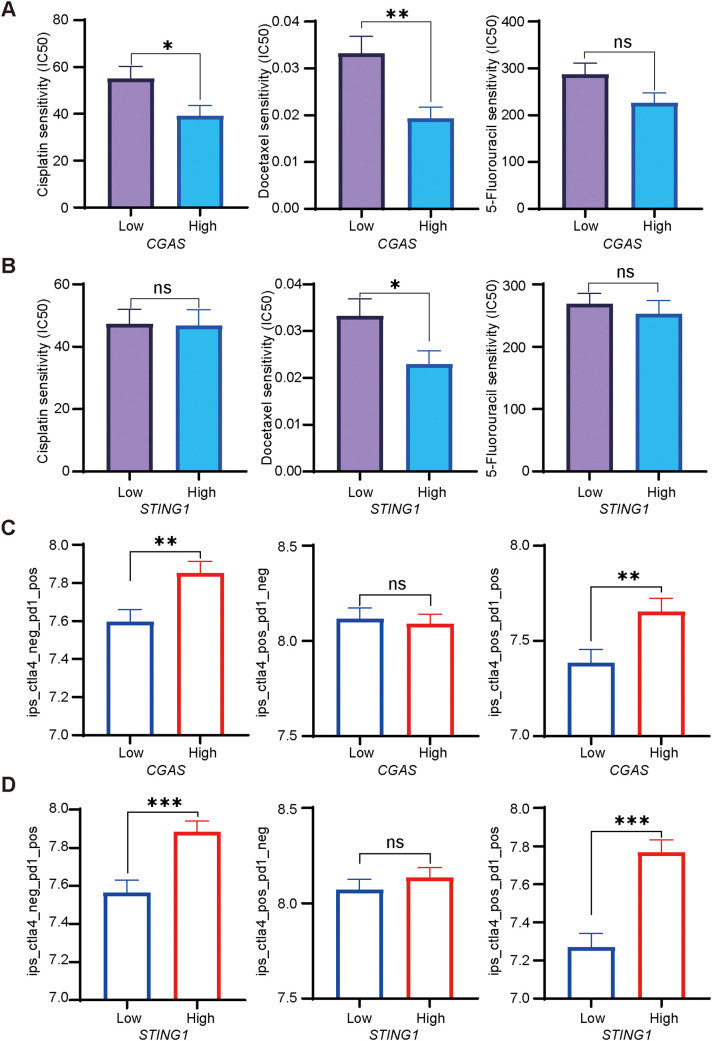 Figure 1
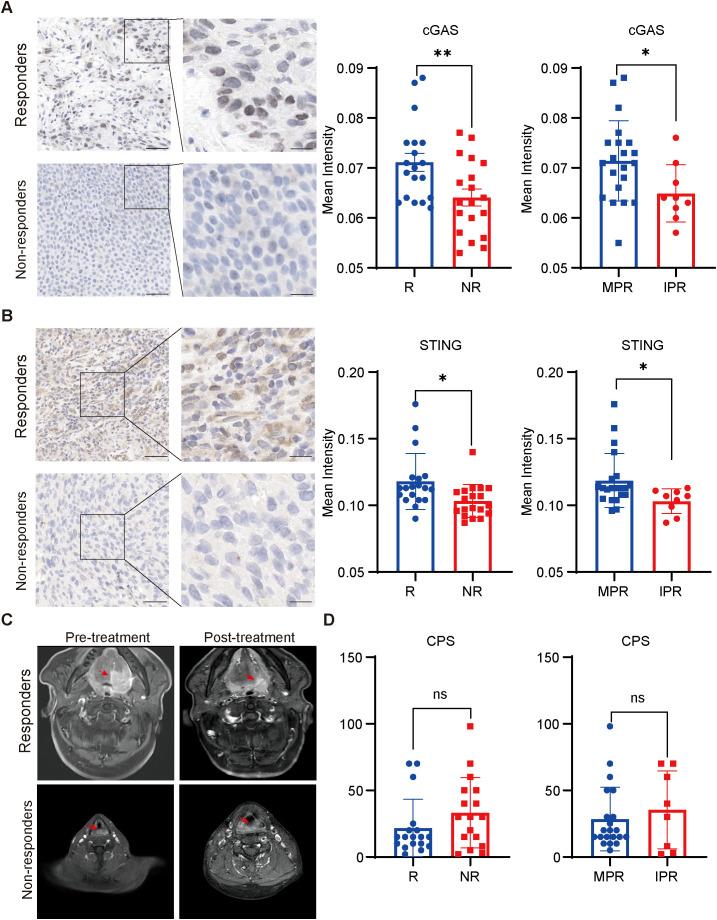 Figure 2
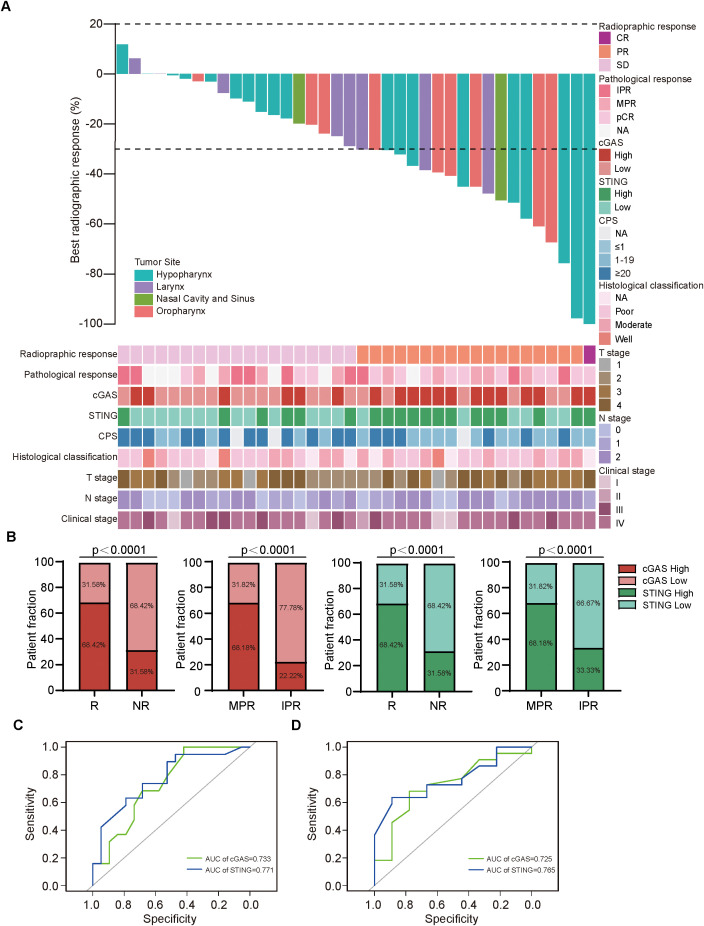 Figure 3
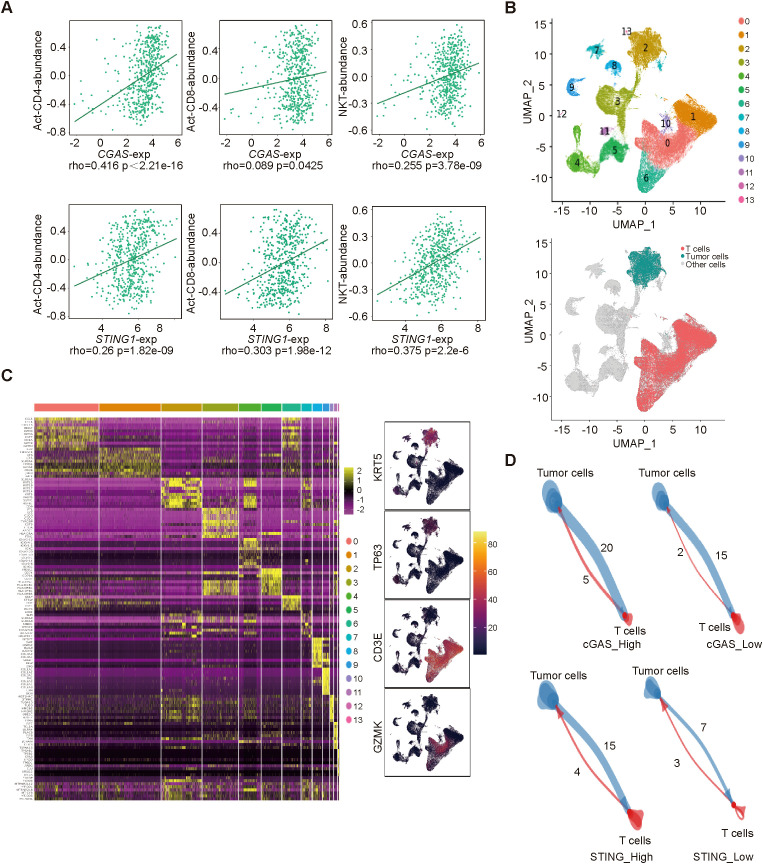 Figure 4
Peer Reviews
No public reviews on file for this paper yet. If you reviewed it on a platform where reviews are public (OpenReview, ICLR, NeurIPS, ICML), you can paste yours below so the community can read it here.
Videos
No videos yet. Explain this paper in a talk, walkthrough, or lecture? Add one.
Taxonomy
Topicsinterferon and immune responses · Immune Cell Function and Interaction · Cancer-related molecular mechanisms research