Multiparametric Optimization of Data-Dependent Acquisition Towards More Holistic Bacterial Metabolite Coverage Through Molecular Networking
Adivhaho Khwathisi, Amidou Samie, Asfatou Ndama Traore, Ntakadzeni Edwin Madala

TL;DR
This paper explores how optimizing mass spectrometry settings can improve detection of bacterial metabolites, leading to better coverage and analysis through molecular networking.
Contribution
The study introduces a novel approach using design of experiments to optimize data acquisition settings for broader metabolite coverage in bacterial metabolomics.
Findings
Adjusting collision energy significantly improves metabolite coverage compared to adjusting detection thresholds.
Molecular networks from averaged spectral data outperform those from customized settings.
Combined optimization of collision energy and intensity threshold yields greater metabolite coverage than single-point optimization.
Abstract
Prokaryotic organisms rely on a limited array of metabolites for survival, which varies according to their natural environment. For example, soil-borne bacteria produce diverse metabolites, such as antibiotics, to thrive in their competitive surroundings, inhibiting the growth of nearby competing bacteria. The structural diversity of these compounds offers great analytical challenges, since there is no universal acquisition setting that can be applied to achieve their comprehensive coverage. Therefore, the use of a single experimental setup inevitably hinders the comprehensive metabolite coverage, which would affect the outputs. To address this, we propose employing a design of experiment (DoE) approach through the central composite design (CCD) to enhance the metabolite detection and broaden the coverage of the data-dependent acquisition (DDA) mode of the UHPLC-qTOF-MS technique. Our…
Genes, proteins, chemicals, diseases, species, mutations and cell lines named across the full text — each resolved to its canonical identifier and authoritative record.
Click any figure to enlarge with its caption.
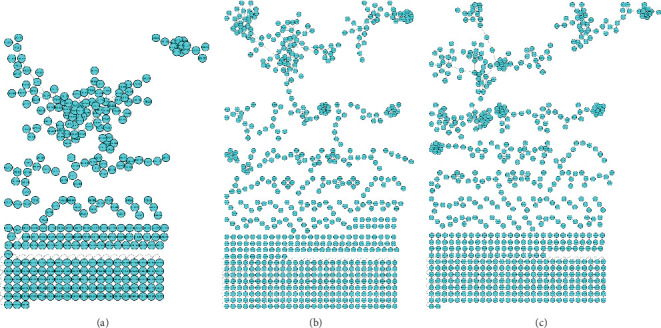 Figure 1
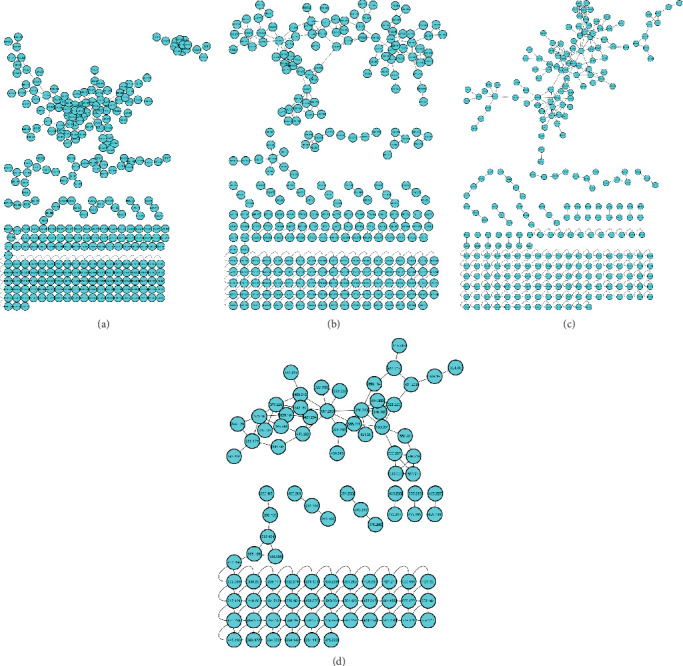 Figure 2
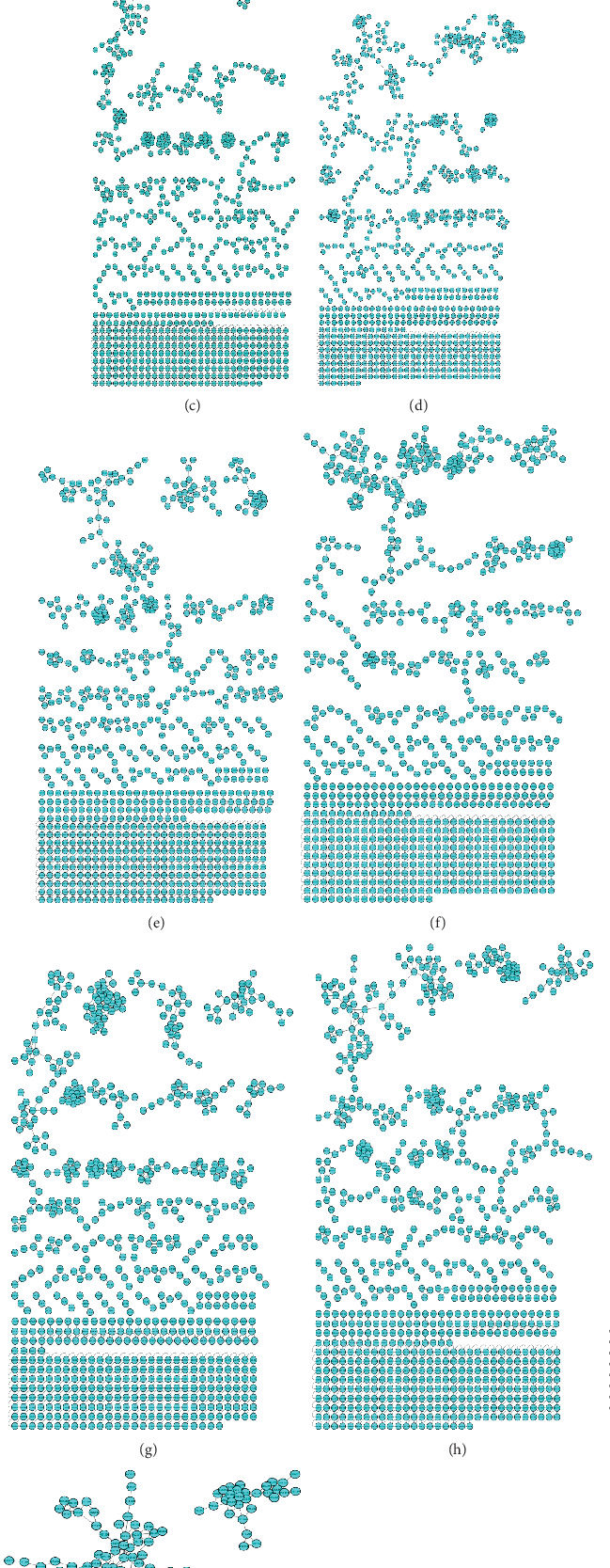 Figure 3
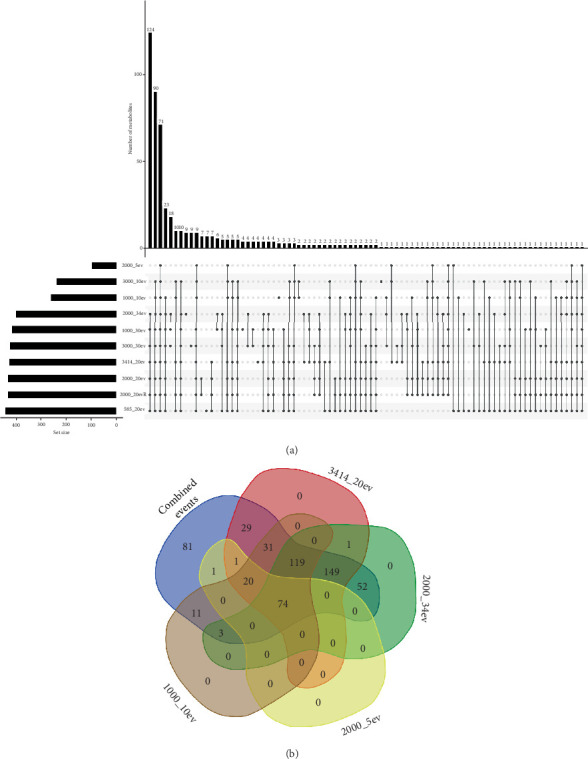 Figure 4
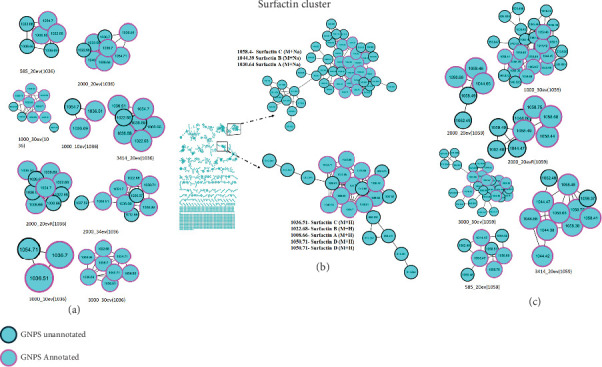 Figure 5
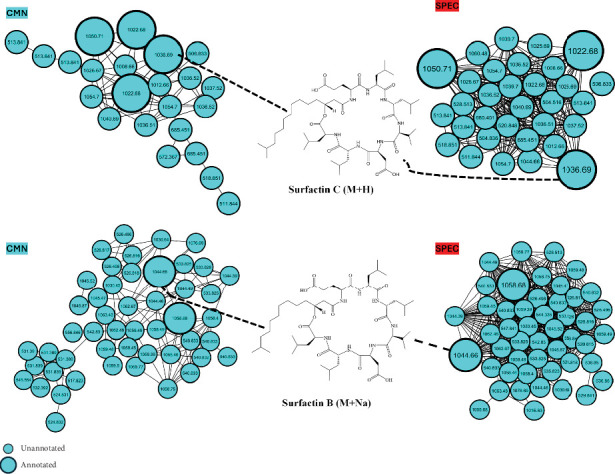 Figure 6
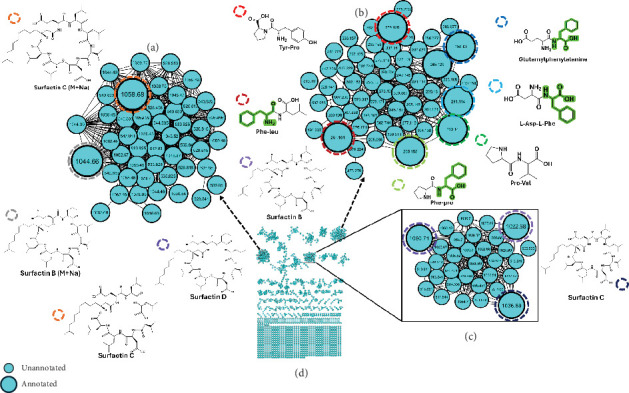 Figure 7
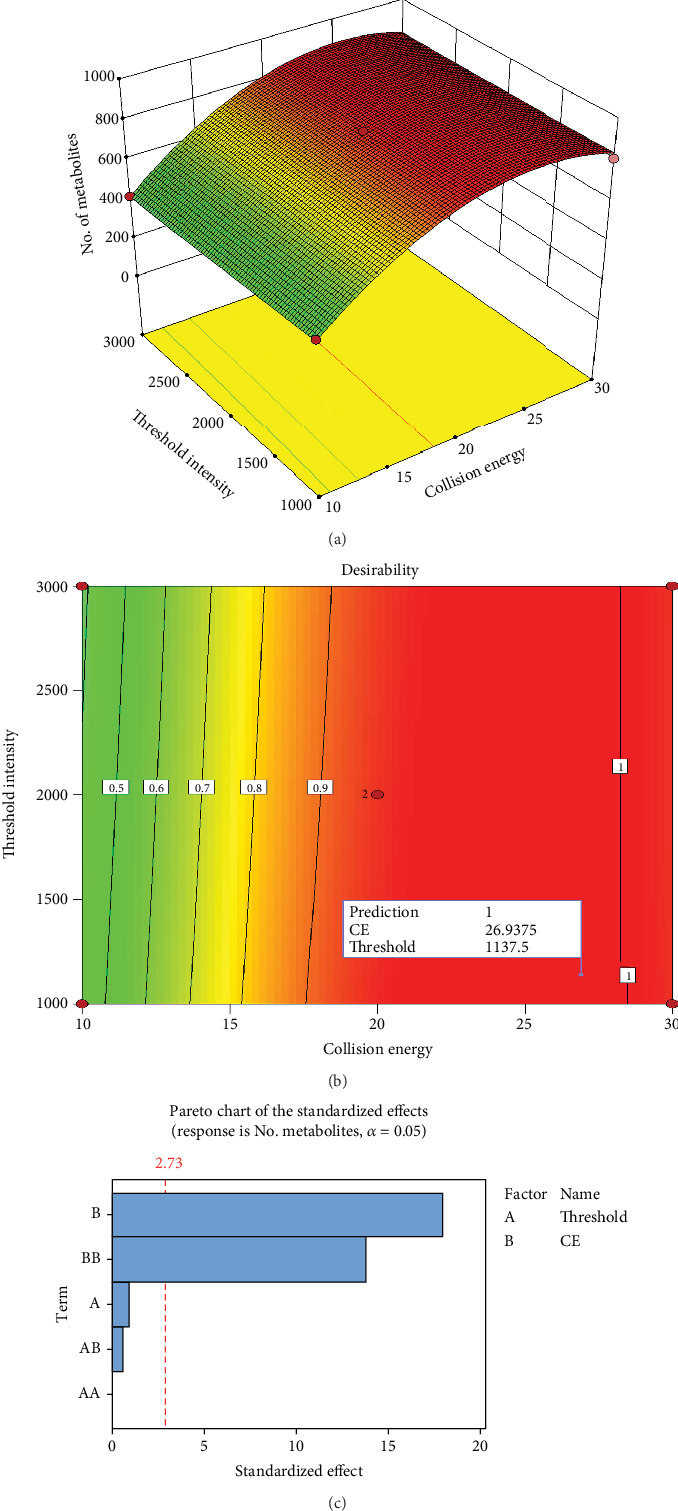 Figure 8
Peer Reviews
No public reviews on file for this paper yet. If you reviewed it on a platform where reviews are public (OpenReview, ICLR, NeurIPS, ICML), you can paste yours below so the community can read it here.
Videos
No videos yet. Explain this paper in a talk, walkthrough, or lecture? Add one.
Taxonomy
TopicsMetabolomics and Mass Spectrometry Studies · Computational Drug Discovery Methods · Microbial Metabolic Engineering and Bioproduction