A Comparative Analysis of Antimicrobial Resistance Patterns and Genes in Staphylococcus aureus From Humans and Animals in Veterinary Clinics Across Thailand
Shutipen Buranasinsup, Anuwat Wiratsudakul, Sarin Suwanpakdee, Sineenard Jiemtaweeboon, Khuanwalai Maklon, Walasinee Sakcamduang, Boonrat Chantong

TL;DR
This study compares antimicrobial resistance in Staphylococcus aureus from humans and animals in Thai veterinary clinics, highlighting risks and transmission patterns.
Contribution
The study identifies distinct AMR gene distributions and occupational risks among veterinarians and their potential role in zoonotic transmission.
Findings
Veterinarians and veterinary assistants showed higher antimicrobial resistance rates compared to pet owners.
The mecA gene was predominantly found in veterinarians and dogs, indicating zoonotic transmission potential.
Agr group I was most common in humans and showed the highest AMR gene expression.
Abstract
Background: Antimicrobial resistance (AMR) in Staphylococcus aureus (S. aureus) poses critical public health challenges by limiting treatment efficacy and elevating morbidity, mortality, and healthcare costs. Methods: This study examined the prevalence and characteristics of AMR in S. aureus isolated from humans (veterinarians, veterinary assistants, and pet owners) and animals (dogs and cats) in veterinary clinics across five provinces in Thailand. A total of 882 samples were collected from which 188 S. aureus isolates were recovered and subjected to antimicrobial susceptibility testing and resistance gene detection. Results: Substantial variations in AMR profiles were observed across host categories, with veterinarians and veterinary assistants exhibiting higher resistance rates than pet owners. The β-lactam resistance gene blaZ was prevalent in all groups, whereas mecA was…
Genes, proteins, chemicals, diseases, species, mutations and cell lines named across the full text — each resolved to its canonical identifier and authoritative record.
Click any figure to enlarge with its caption.
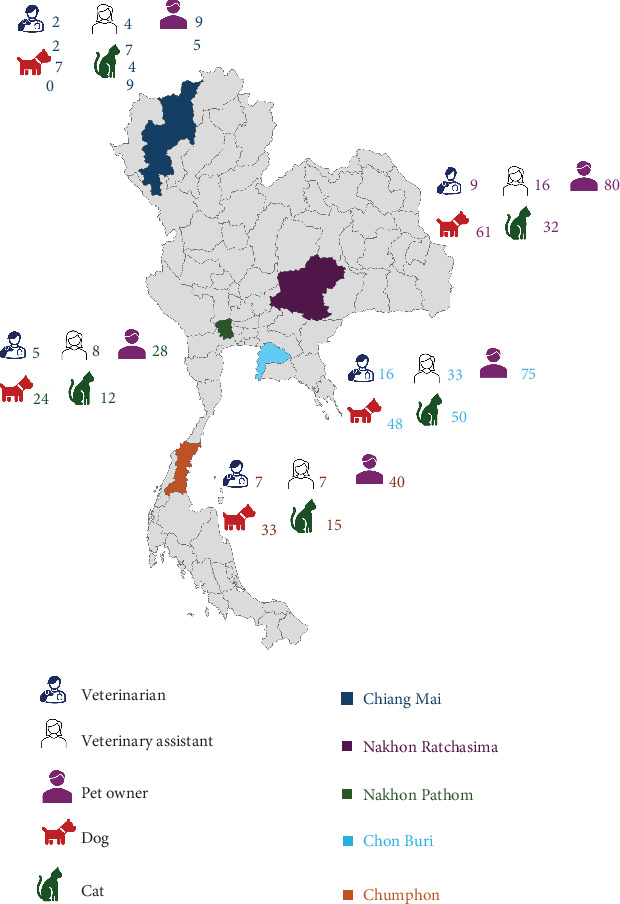 Figure 1
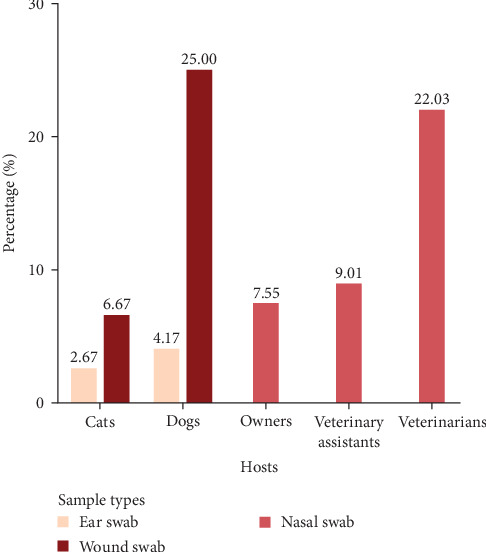 Figure 2
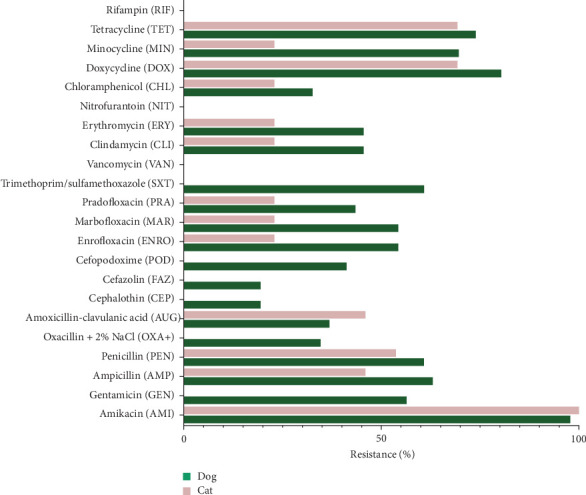 Figure 3
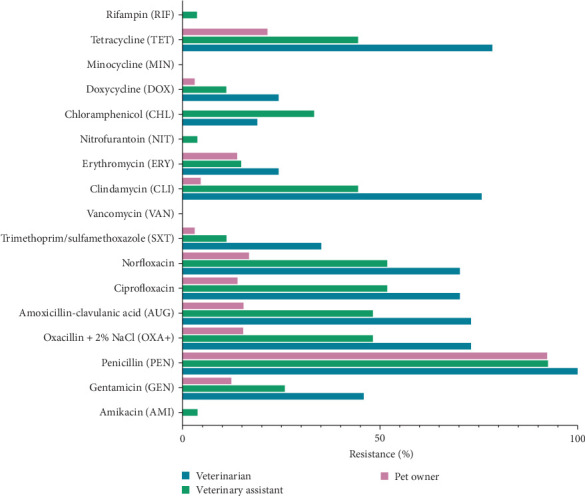 Figure 4
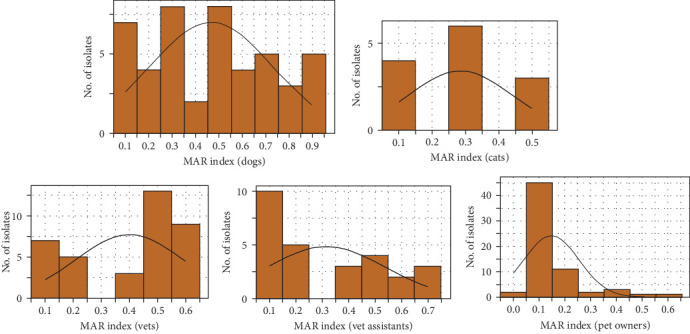 Figure 5
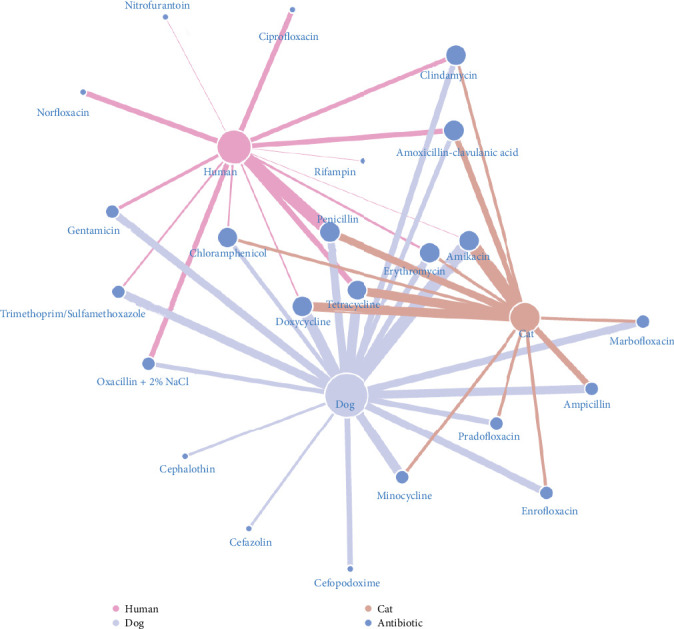 Figure 6
Peer Reviews
No public reviews on file for this paper yet. If you reviewed it on a platform where reviews are public (OpenReview, ICLR, NeurIPS, ICML), you can paste yours below so the community can read it here.
Videos
No videos yet. Explain this paper in a talk, walkthrough, or lecture? Add one.
Taxonomy
Topicsvaccines and immunoinformatics approaches · Computational Drug Discovery Methods · Antimicrobial Peptides and Activities