Morphometric Analysis of Lateral Sulcus Asymmetry: Demographic Correlates and Neurosurgical Implications
Dhiraj K Deka, Satyajit Mitra, Bornali Hazarika, Joydev Sarma

TL;DR
This study confirms that the lateral sulcus in the brain is longer on the left side and shows how this asymmetry varies with sex, handedness, and age.
Contribution
The study provides fixation-adjusted morphometric data on lateral sulcus asymmetry and identifies demographic predictors.
Findings
The lateral sulcus shows significant leftward asymmetry with a mean asymmetry index of 5.9%.
Males and right-handed individuals exhibit greater asymmetry compared to females and left-handed individuals.
Age negatively correlates with lateral sulcus asymmetry.
Abstract
Background: The lateral sulcus (LS) serves as a vital neuroanatomical landmark involved in hemispheric lateralization, language processing, and neurosurgical navigation. However, discrepancies between cadaveric and imaging-based studies, along with limited demographic integration, have restricted the development of standardized anatomical references. This study aimed to generate fixation-adjusted morphometric data and examine the influence of sex, handedness, and age on LS asymmetry. Methods: A retrospective observational study was conducted on 50 formalin-fixed adult human brains (27 males, 23 females; age range: 21-78 years). Bilateral measurements of the LS and its rami were obtained using digital vernier calipers by three blinded observers. All lengths were corrected for ~20% shrinkage due to formalin fixation based on published correction protocols. Handedness and demographic data…
Genes, proteins, chemicals, diseases, species, mutations and cell lines named across the full text — each resolved to its canonical identifier and authoritative record.
Click any figure to enlarge with its caption.
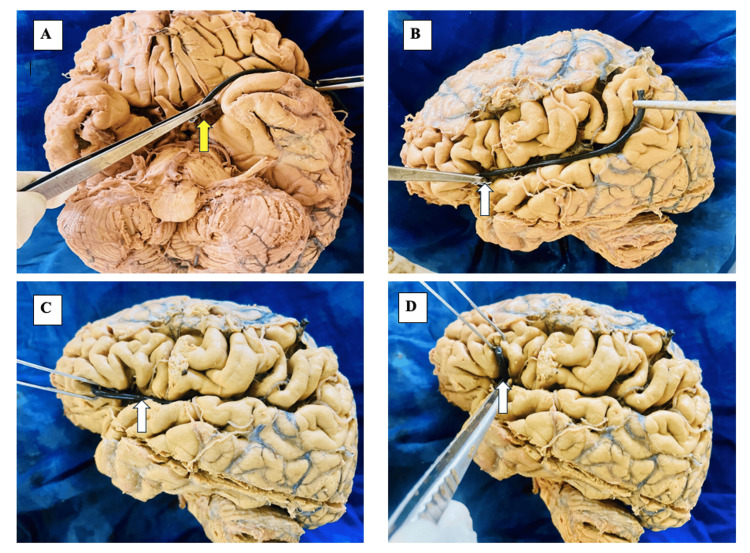 Figure 1
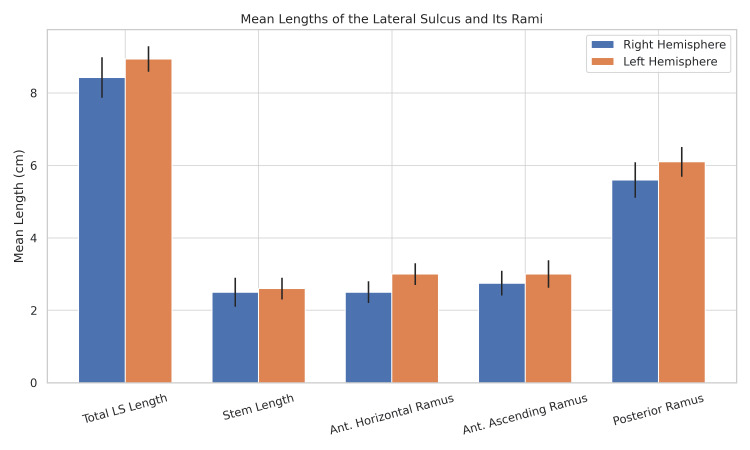 Figure 2
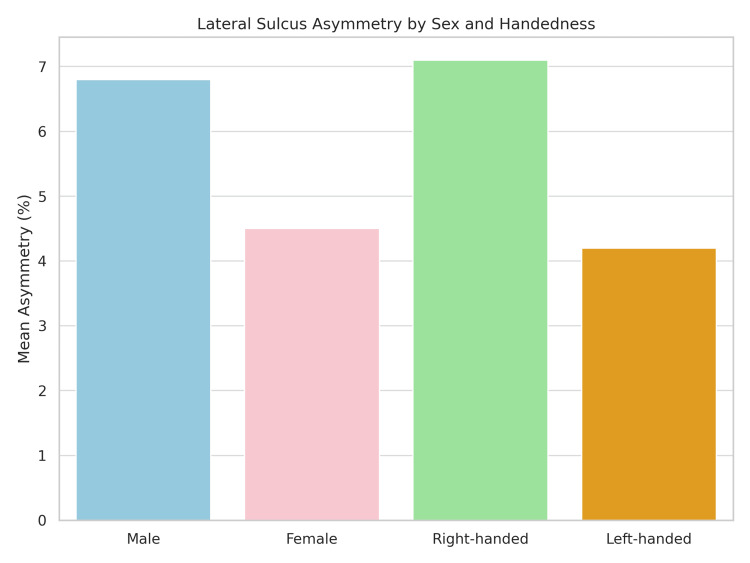 Figure 3
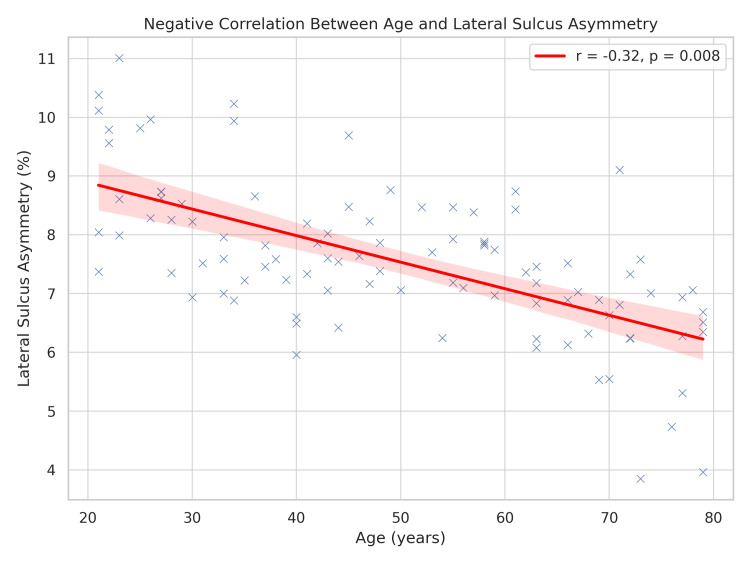 Figure 4
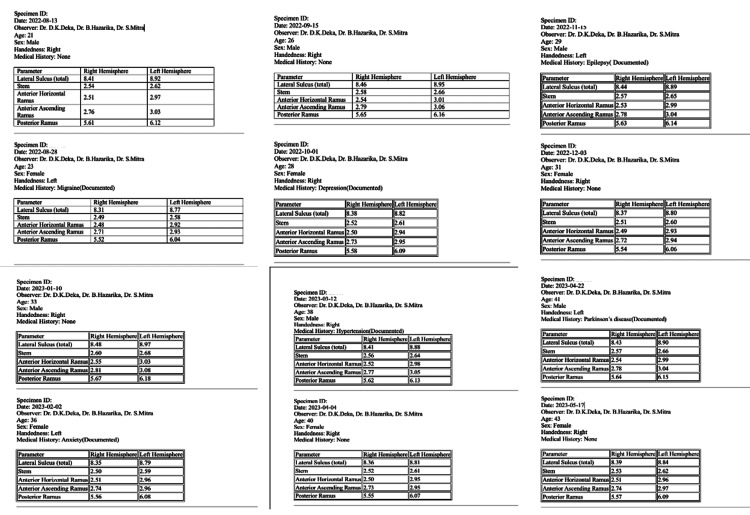 Figure 5
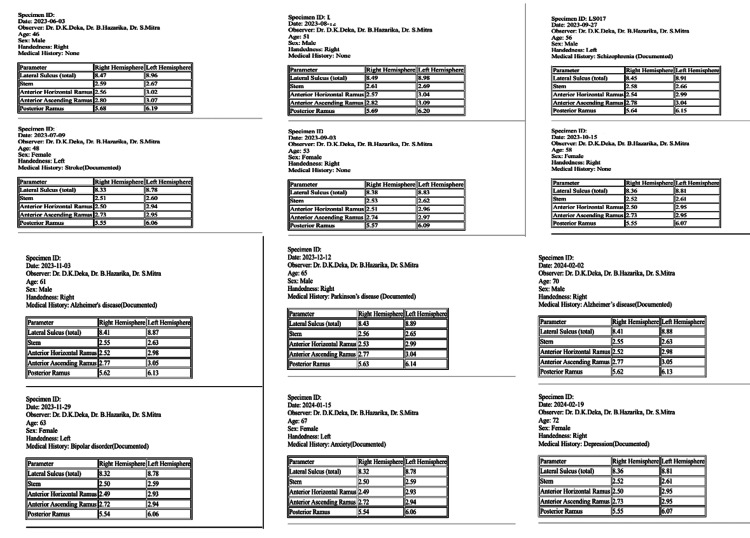 Figure 6
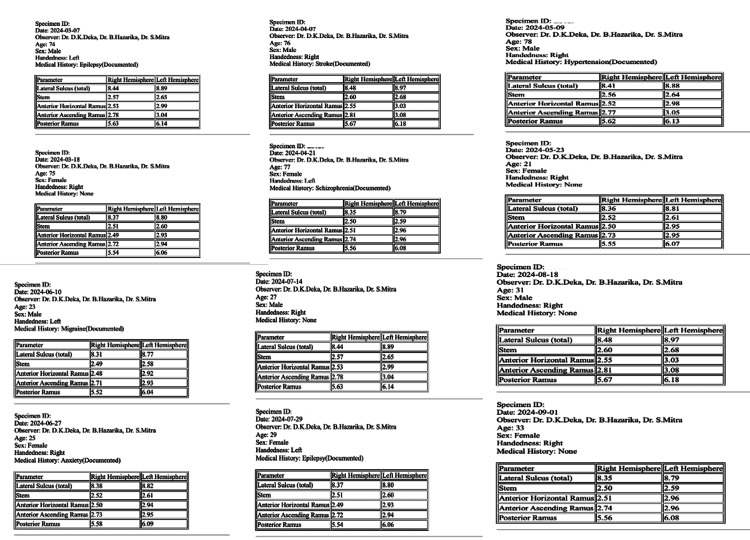 Figure 7
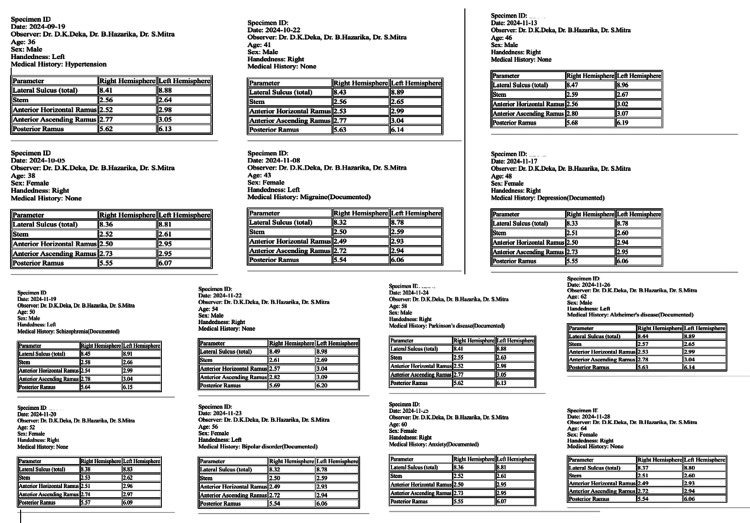 Figure 8
Peer Reviews
No public reviews on file for this paper yet. If you reviewed it on a platform where reviews are public (OpenReview, ICLR, NeurIPS, ICML), you can paste yours below so the community can read it here.
Videos
No videos yet. Explain this paper in a talk, walkthrough, or lecture? Add one.
Taxonomy
TopicsHemispheric Asymmetry in Neuroscience · Craniofacial Disorders and Treatments · Medical and Biological Sciences