Use of a Shoulder-Mounted Wearable Sensor Prototype Designed to Detect Opioid-Related Overdose: A Qualitative User Experience Study
Alexis M Roth, Ally K D'Angelo, David Gordon, Benjamin Cocchiaro, Anush Lingamoorthy, Rose Laurano, Matthew Salzman, Jacob S Brenner, Cameron Baston

TL;DR
A wearable sensor designed to detect opioid overdoses was tested for user experience, with participants emphasizing the need for discreet, customizable, and reliable devices.
Contribution
This study provides user-centered insights for designing wearable overdose detection devices with tailored response options.
Findings
Participants found the shoulder-mounted sensor acceptable and emphasized the need for discreet, long-lasting devices.
Users preferred customizable response options, such as alerting emergency services or peers, over automated biomedical solutions.
Concerns about device errors, like false positives, led to a preference for alerting first responders rather than administering naloxone.
Abstract
For over a decade, drug overdose has been the leading cause of injury and accidental death in the United States. Most fatal overdoses involve opioids and occur during solitary drug use events when no one is available to initiate lifesaving responses (eg, naloxone). While there is a growing interest in devices providing early overdose detection and automated responses, little research has engaged end users in a device design process. This study aimed to describe user experience, perceived harms and benefits, and the acceptability of a shoulder-mounted wearable sensor among people who inject drugs who wore a device prototype for 7 days and to explore real-time responses that could be incorporated into a next-generation sensor. Individuals aged ≥18 years reporting past week injection drug use were recruited from a walk-in substance use disorder clinic in Camden, New Jersey. Participants…
Genes, proteins, chemicals, diseases, species, mutations and cell lines named across the full text — each resolved to its canonical identifier and authoritative record.
Click any figure to enlarge with its caption.
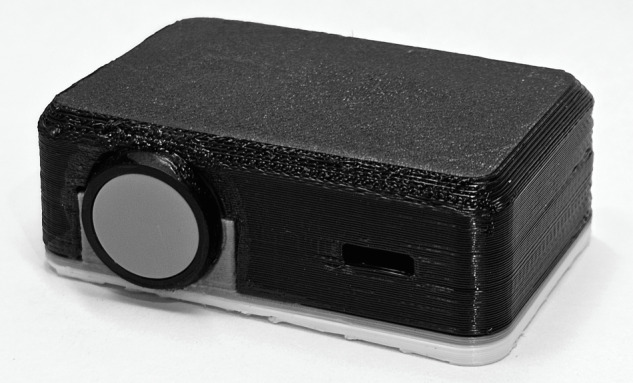 Figure 1
Peer Reviews
No public reviews on file for this paper yet. If you reviewed it on a platform where reviews are public (OpenReview, ICLR, NeurIPS, ICML), you can paste yours below so the community can read it here.
Videos
No videos yet. Explain this paper in a talk, walkthrough, or lecture? Add one.
Taxonomy
TopicsOpioid Use Disorder Treatment · Pain Management and Opioid Use · Substance Abuse Treatment and Outcomes