Subchronic effects of HgCl2 on cognitive function and central inflammation in type 2 diabetic rats: involvement of BDNF and acetylcholinesterase
Douae Benloughmari, Samir Bikri, Meriam El Aboubi, Fatima-Zahra Yassif, Youssef Aboussaleh

TL;DR
This study shows that mercury exposure worsens cognitive issues and brain inflammation in diabetic rats, highlighting the combined effects of diabetes and environmental toxins.
Contribution
The study reveals how mercury and diabetes interact to worsen cognitive decline and neuroinflammation through BDNF and AChE.
Findings
HgCl2 exposure in diabetic rats caused greater cognitive impairments than in untreated diabetic rats.
Mercury exposure increased neuroinflammatory markers and reduced BDNF and AChE in brain regions.
Hyperglycemia and mercury exposure synergistically worsen neuroinflammation and cognitive decline.
Abstract
Type 2 diabetes mellitus (T2DM) is a major global health concern frequently related with chronic low-grade inflammation and a spectrum of cognitive impairments, including deficits in learning and memory. Mercury chloride (HgCl2), a widespread environmental pollutant, is recognized for its neurotoxic properties and its capacity to trigger inflammatory responses, particularly in patients with metabolic disorders such as T2DM. This study aimed to evaluate the subchronic effects of HgCl2 on cognitive performance and neuroinflammation in a rat model of T2DM, with a particular focus on the roles of BDNF and acetylcholinesterase (AChE). The experimental design included four groups: control, HgCl2-treated, diabetic, and diabetic rats treated with HgCl2. T2DM was induced by intraperitoneal injections of streptozotocin (STZ) and nicotinamide (NA). Rats in the HgCl2-exposed groups received an…
Genes, proteins, chemicals, diseases, species, mutations and cell lines named across the full text — each resolved to its canonical identifier and authoritative record.
Click any figure to enlarge with its caption.
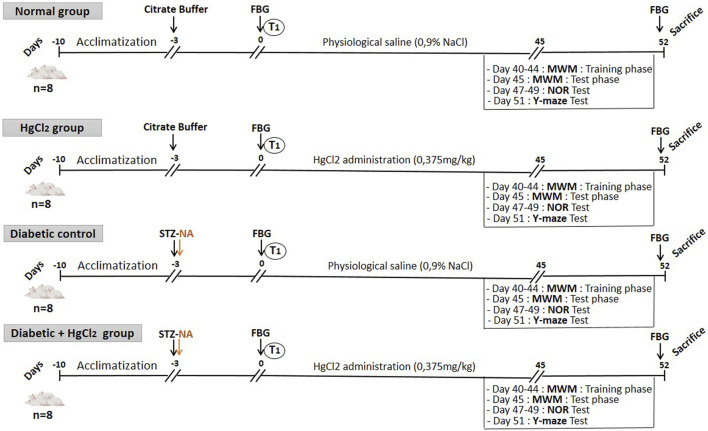 Figure 1
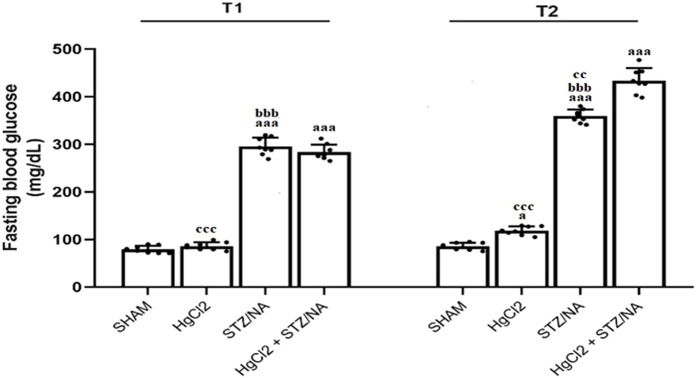 Figure 2
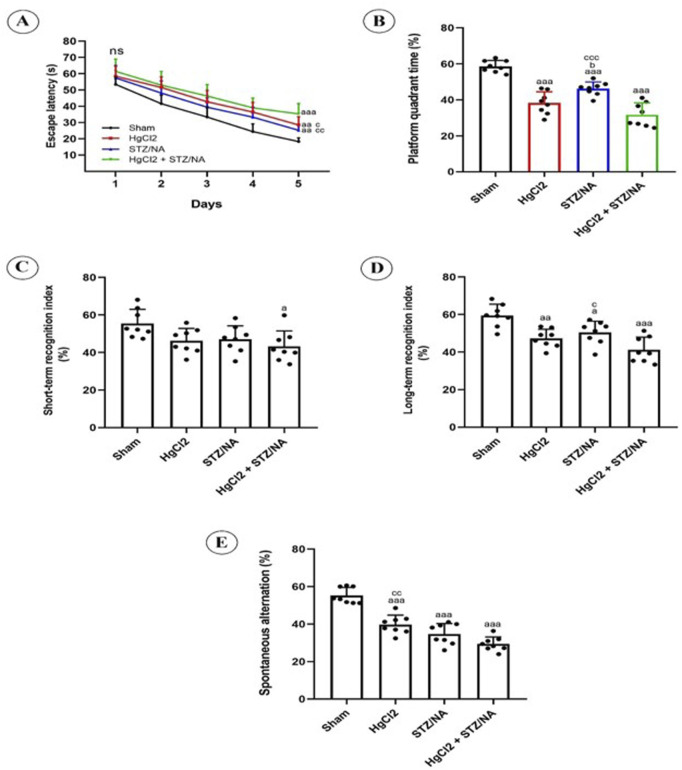 Figure 3
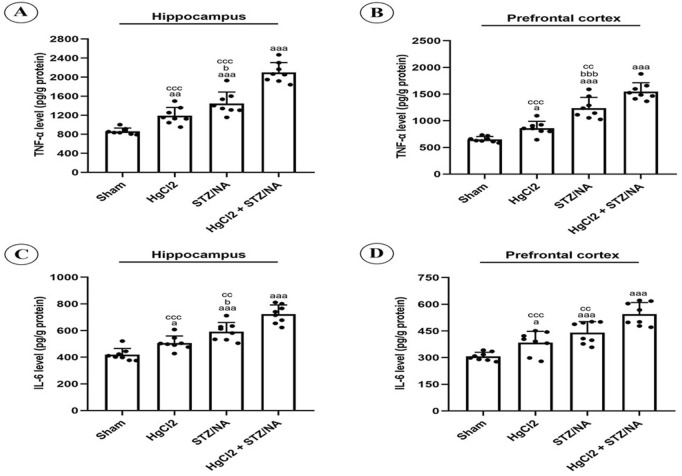 Figure 4
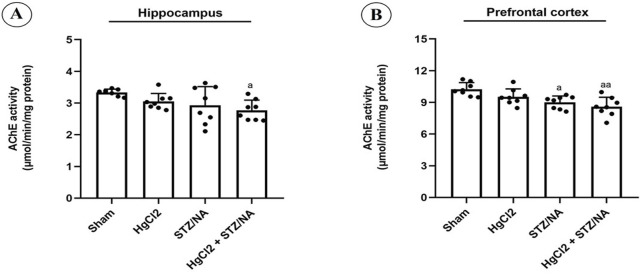 Figure 5
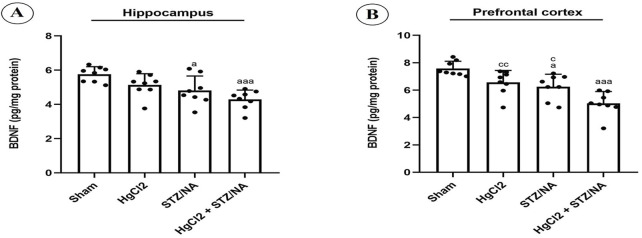 Figure 6
Peer Reviews
No public reviews on file for this paper yet. If you reviewed it on a platform where reviews are public (OpenReview, ICLR, NeurIPS, ICML), you can paste yours below so the community can read it here.
Videos
No videos yet. Explain this paper in a talk, walkthrough, or lecture? Add one.
Taxonomy
TopicsTryptophan and brain disorders · Neuroinflammation and Neurodegeneration Mechanisms · Anesthesia and Neurotoxicity Research