Exploring Exhaled Breath Analysis in Adults With Chronic Visceral Acid Sphingomyelinase Deficiency to Identify Potential Biomarkers of Pulmonary Involvement
Eline C. B. Eskes, Bauke V. Schomakers, Michel van Weeghel, Suzanne W. J. Terheggen‐Lagro, Lilian J. Meijboom, Carla E. M. Hollak, Paul Brinkman, Barbara Sjouke

TL;DR
This study explores exhaled breath analysis in adults with a rare genetic disorder to find potential lung disease biomarkers.
Contribution
Identifies ASMD-specific exhaled breath compounds not previously linked to pulmonary conditions.
Findings
Fifteen compounds, including 2-hydroperoxyhexane and 4-pentenyl acetate, were significantly different in ASMD patients compared to controls.
Some compounds are associated with lipid peroxidation, a process relevant to lung disease.
HRCT scores correlated strongly with DLCO, indicating pulmonary involvement severity.
Abstract
Acid sphingomyelinase deficiency (ASMD) is a rare lysosomal storage disease. The most commonly affected organs are the spleen, the liver, and the lungs. Pulmonary involvement resembles interstitial lung disease and often leads to decreased diffusion capacity of the lungs for carbon monoxide (DLCO). An emerging technique in pulmonary research is the analysis of exhaled breath. The aim of this study was to investigate potential markers of pulmonary involvement in the exhaled breath of adult chronic visceral ASMD patients and to quantify findings on high‐resolution computed tomography (HRCT) of the lungs in order to be able to correlate HRCT findings with (the potential) markers for pulmonary involvement. Fifteen adult, chronic visceral ASMD patients and 34 age‐, sex‐, and smoking habit‐matched healthy controls were recruited and provided two different types of exhaled breath samples:…
Genes, proteins, chemicals, diseases, species, mutations and cell lines named across the full text — each resolved to its canonical identifier and authoritative record.
Click any figure to enlarge with its caption.
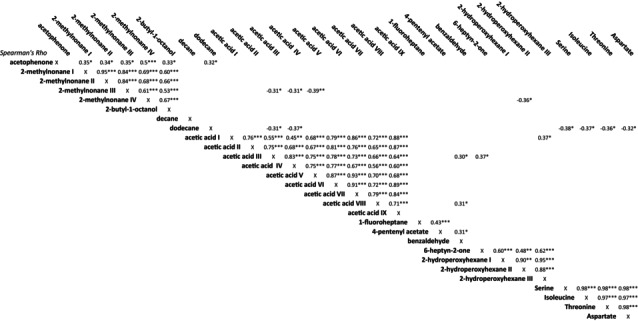 Figure 1
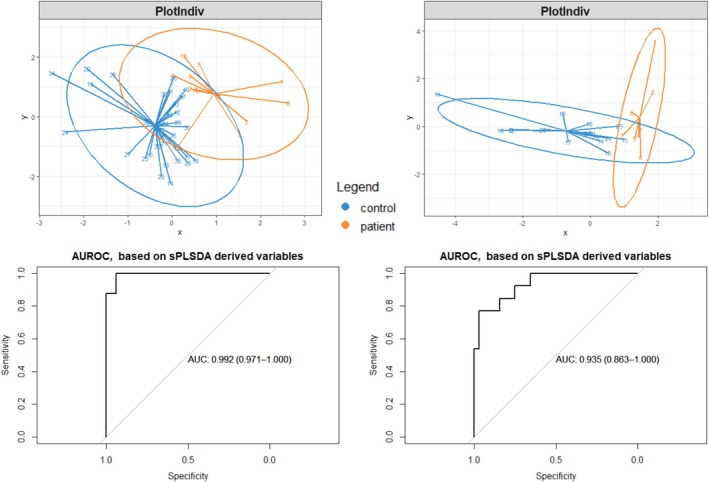 Figure 2
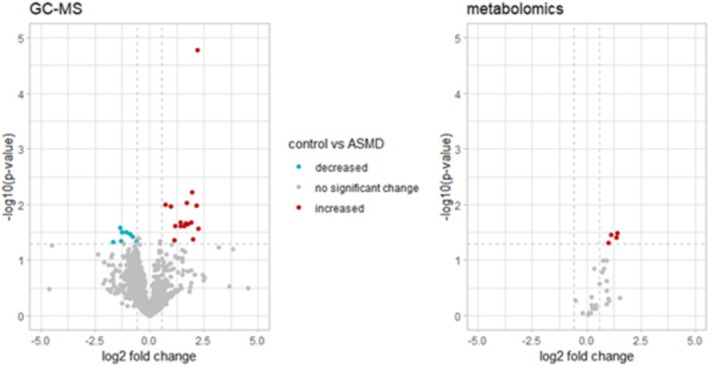 Figure 3
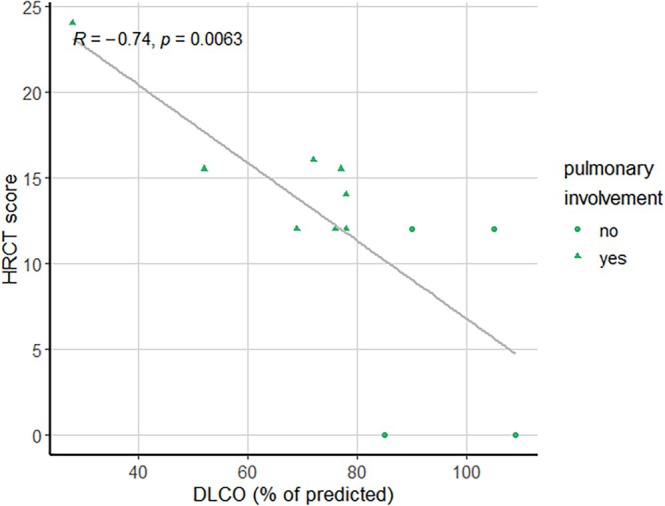 Figure 4
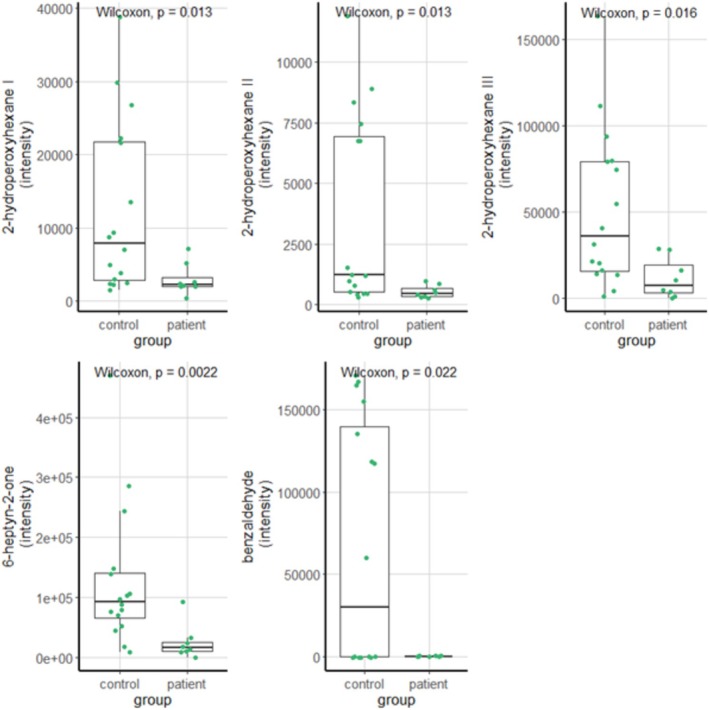 Figure 5
 Figure 6
Peer Reviews
No public reviews on file for this paper yet. If you reviewed it on a platform where reviews are public (OpenReview, ICLR, NeurIPS, ICML), you can paste yours below so the community can read it here.
Videos
No videos yet. Explain this paper in a talk, walkthrough, or lecture? Add one.
Taxonomy
TopicsAdvanced Chemical Sensor Technologies · Respiratory and Cough-Related Research · Asthma and respiratory diseases