Sleep-disordered breathing and metabolic syndrome across gender, age, and sleep subtypes in East Asians
Tong Feng, Qiong Ou, Guangliang Shan, Yaoda Hu, Huijing He

TL;DR
This study explores how sleep-disordered breathing is linked to metabolic syndrome in East Asians, finding that risk varies by gender, age, and sleep symptoms.
Contribution
The study identifies specific sleep subtypes and age-gender groups most at risk for metabolic syndrome, offering insights for tailored treatment strategies.
Findings
SDB severity is independently linked to increased metabolic syndrome risk, especially in males under 60 and females aged 60 and above.
The pure insomnia group showed the highest prevalence of hypertension among sleep subtypes.
Combining sleep parameters into a sleep quality score may improve health outcome predictions.
Abstract
Previous research has classified sleep-disordered breathing (SDB) into various symptom phenotypes. The cardiovascular risks associated with SDB differ by gender, age, and subtype, with uncertainty about the mediating role of metabolic syndrome in these risks. This study has three primary objectives: (1) to analyze the correlation between SDB and MetS risk across gender-age groups and symptom subtypes, (2) to identify the nocturnal hypoxia parameter most indicative of this relationship, and (3) to evaluate the link between sleep parameters (insomnia, daytime sleepiness, snoring, and sleep duration) and MetS. Combining these parameters into a sleep quality score may improve predictions of health outcomes. Participants underwent type IV sleep monitoring and completed structured questionnaires. MetS was defined according to the Chinese Guidelines for the Prevention and Treatment of Type 2…
Genes, proteins, chemicals, diseases, species, mutations and cell lines named across the full text — each resolved to its canonical identifier and authoritative record.
Click any figure to enlarge with its caption.
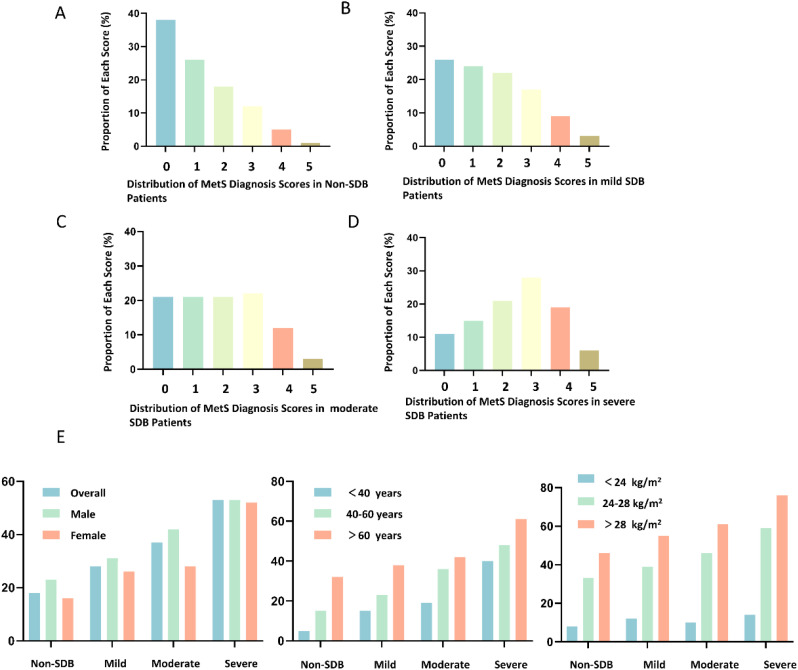 Figure 1
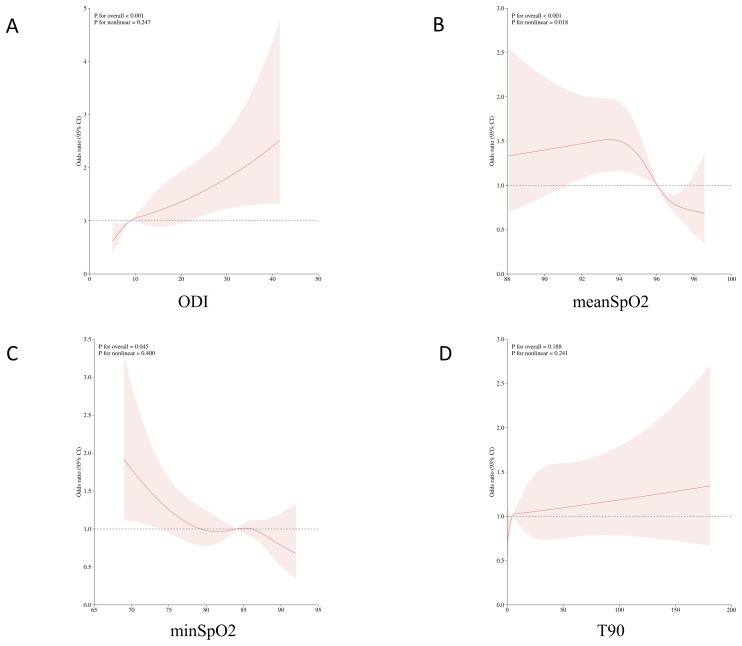 Figure 2
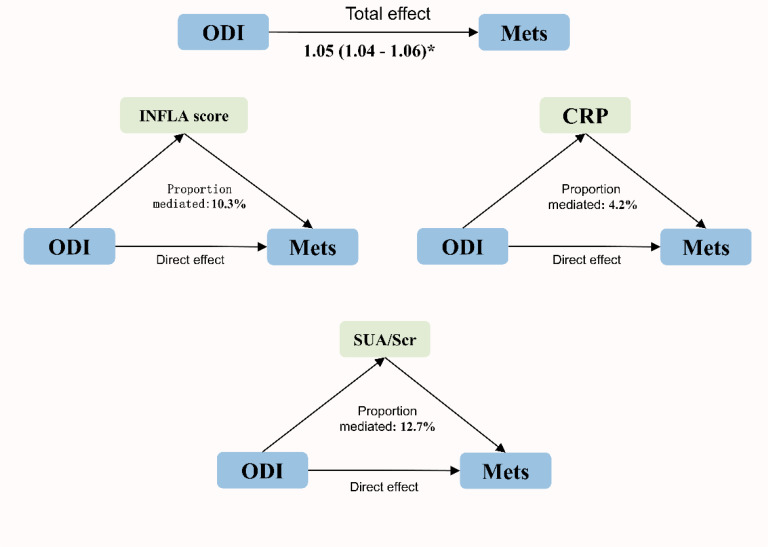 Figure 3
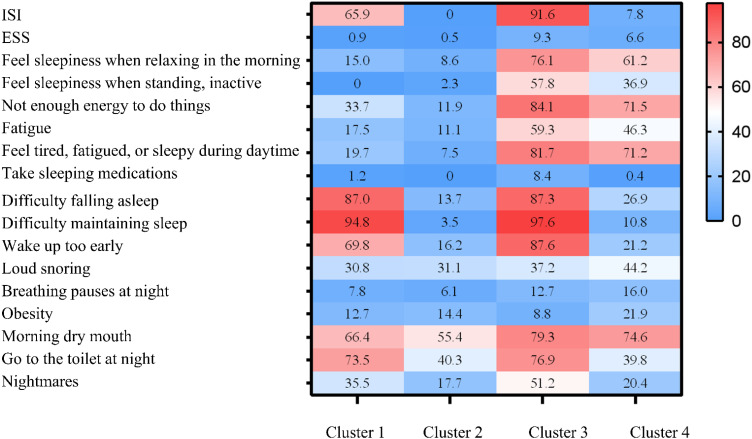 Figure 4
Peer Reviews
No public reviews on file for this paper yet. If you reviewed it on a platform where reviews are public (OpenReview, ICLR, NeurIPS, ICML), you can paste yours below so the community can read it here.
Videos
No videos yet. Explain this paper in a talk, walkthrough, or lecture? Add one.
Taxonomy
TopicsObstructive Sleep Apnea Research · Neuroscience of respiration and sleep · Sleep and related disorders