Cold‐Induced Vomiting of a White‐Tailed Deer (Odocoileus virginianus) by an Invasive Burmese Python (Python bivittatus) in Big Cypress National Preserve, Florida, USA
Travis R. Mangione, Grant S. McCargar, Matthew F. Metcalf, Lisa M. McBride, Eli Suastegui, Josue I. Perez, Cohen W. Eastridge, Matthew F. McCollister, Christina M. Romagosa, Amanda M. Kissel, Amy A. Yackel Adams, Mark R. Sandfoss

TL;DR
A Burmese python in Florida swallowed a deer but vomited it out after cold weather, showing how temperature affects its digestion and feeding.
Contribution
First documented case of a free-ranging invasive Burmese python vomiting a deer due to cold-induced physiological limits.
Findings
A radio-telemetered python ingested and later vomited a white-tailed deer after temperatures dropped to 9.4°C.
The python survived the event, indicating physiological limits to digestion in cold conditions.
This observation highlights thermal constraints on feeding behavior of invasive pythons in the wild.
Abstract
The Burmese python ( Python bivittatus ) is native to Southeast Asia and has an established invasive population throughout South Florida. As part of the effort to understand invasive python biology and potential impacts to the native ecosystem, we have been using radio‐telemetry to investigate feeding rates of adult female pythons. The body size and gape of adult Burmese pythons enable them to consume large native prey items including, but not limited to, white‐tailed deer ( Odocoileus virginianus ). As an ectothermic species, Burmese pythons' physiological processes, including digestion, are temperature dependent, which may limit their potential invasive range. The low temperature threshold for python digestion is thought to be 20°C within a laboratory setting. Here, we detail an observation of a radio‐telemetered female Burmese python that ingested an adult white‐tailed deer, retained…
Genes, proteins, chemicals, diseases, species, mutations and cell lines named across the full text — each resolved to its canonical identifier and authoritative record.
Click any figure to enlarge with its caption.
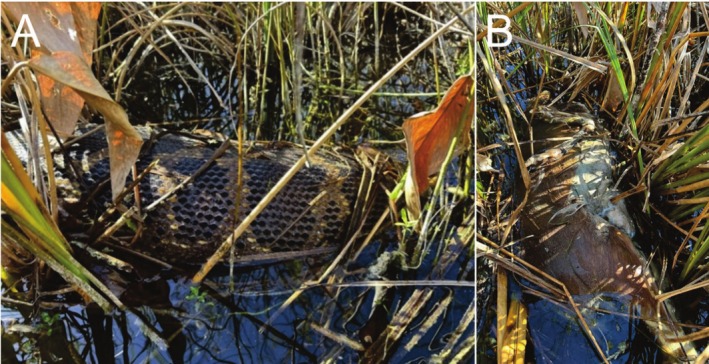 Figure 1
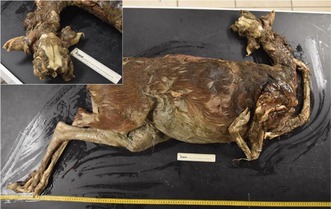 Figure 2
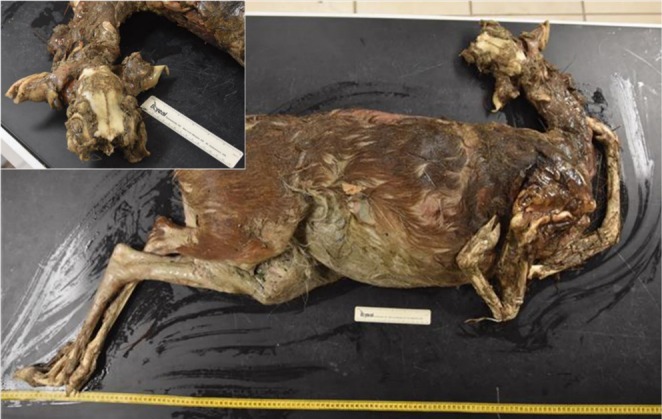 Figure 3
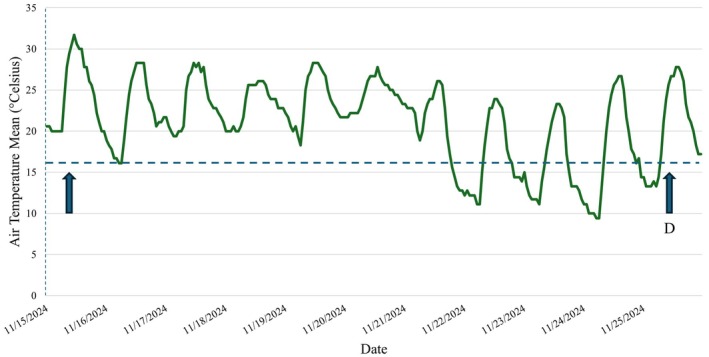 Figure 4
Peer Reviews
No public reviews on file for this paper yet. If you reviewed it on a platform where reviews are public (OpenReview, ICLR, NeurIPS, ICML), you can paste yours below so the community can read it here.
Videos
No videos yet. Explain this paper in a talk, walkthrough, or lecture? Add one.
Taxonomy
TopicsWildlife Ecology and Conservation · Amphibian and Reptile Biology · Species Distribution and Climate Change