The Manchester Procedure as a Uterine-Preserving Alternative for Uterine Prolapse Due to Cervical Elongation: A Short- and Mid-Term Clinical Analysis
Claudia Liger Guerra, Lorena Sabonet Morente, Juan Manuel Hidalgo Fernandez, Manuel Navarro Romero, Cristina Espada Gonzalez, Jesus S. Jimenez-Lopez

TL;DR
The Manchester procedure is a safe and effective uterine-preserving surgery for treating cervical elongation-related prolapse, with high patient satisfaction and success rates.
Contribution
This study provides clinical evidence supporting the Manchester procedure as a uterine-preserving alternative for cervical elongation-related prolapse.
Findings
The Manchester procedure achieved a 97% anatomical success rate with minimal complications.
94.8% of patients reported being either very satisfied or satisfied with the procedure.
Multicompartmental repair improved patient satisfaction outcomes.
Abstract
Background and Objectives: Pelvic organ prolapse (POP) is a prevalent condition that negatively impacts women’s quality of life. Uterine-preserving procedures are increasingly demanded by patients with uterine prolapse, particularly when associated with true cervical elongation. The Manchester procedure, historically used for uterine preservation, has regained interest due to its effectiveness and low morbidity. This study aims to evaluate the anatomical and functional outcomes of the Manchester procedure in women with uterine prolapse due to cervical elongation, assessing patient satisfaction and associated clinical factors. Materials and Methods: We conducted a retrospective, observational, single-center study at the Regional University Hospital of Málaga, Spain, including patients undergoing the Manchester procedure between January 2017 and December 2022. Inclusion criteria required…
Genes, proteins, chemicals, diseases, species, mutations and cell lines named across the full text — each resolved to its canonical identifier and authoritative record.
Click any figure to enlarge with its caption.
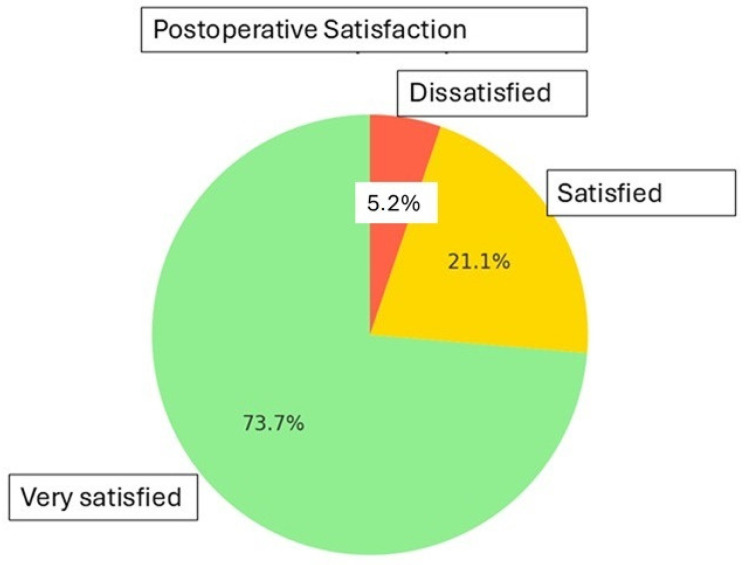 Figure 1
Peer Reviews
No public reviews on file for this paper yet. If you reviewed it on a platform where reviews are public (OpenReview, ICLR, NeurIPS, ICML), you can paste yours below so the community can read it here.
Videos
No videos yet. Explain this paper in a talk, walkthrough, or lecture? Add one.
Taxonomy
TopicsPelvic floor disorders treatments · Pelvic and Acetabular Injuries · Anorectal Disease Treatments and Outcomes