Anti-IFN-γ Autoantibody Syndrome Presenting with Disseminated Nontuberculous Mycobacteria Infections: A Case Series of Therapeutic Implications and Review of Literature
Brooke Cheng, Barinder Bajwa, Seungwon Choi, Hannah Martin, Tyson Miao, Denise Werry, Michael Perlman, Yazdan Mirzanejad

TL;DR
A rare immune disorder caused by anti-IFN-γ autoantibodies leads to severe mycobacterial infections, and rituximab may be a promising treatment.
Contribution
Identifies rituximab as a potential therapeutic option for anti-IFN-γ autoantibody syndrome.
Findings
Anti-IFN-γ autoantibodies are linked to disseminated nontuberculous mycobacteria infections in adults.
Rituximab is suggested as a treatment for this syndrome based on case observations.
The condition is more prevalent in individuals of Asian descent and may involve specific HLA alleles.
Abstract
Anticytokine autoantibodies (AAbs), particularly anti-interferon-gamma (anti-IFN-γ) AAbs, disrupt cytokine functions, leading to infections, autoimmune-like diseases, and conditions resembling interleukin-12 (IL-12)/IFN-γ pathway defects. Advances in genetic testing have clarified overlaps between autoinflammatory, autoimmune disorders, and primary immunodeficiencies but reveal complex phenotypes and pathways. While these insights deepen our understanding of immune mechanisms, they also complicate diagnosis and treatment, with limited options for IFN-γ deficiencies caused by genetic mutations. The adult-onset immunodeficiency with disseminated lymphadenitis due to nontuberculous mycobacteria (NTM) and other opportunistic infections has been linked to high levels of anti-IFN-γ AAbs. This syndrome, initially identified in HIV-negative Asian patients, frequently affects individuals of…
Genes, proteins, chemicals, diseases, species, mutations and cell lines named across the full text — each resolved to its canonical identifier and authoritative record.
Click any figure to enlarge with its caption.
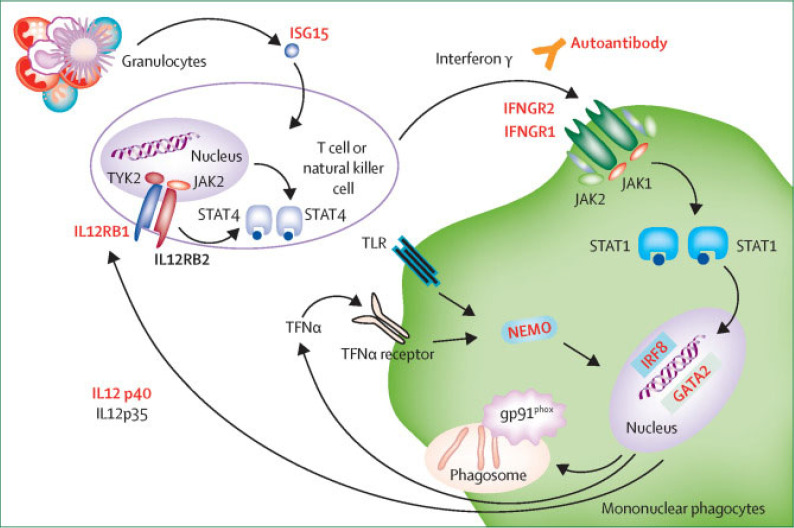 Figure 1
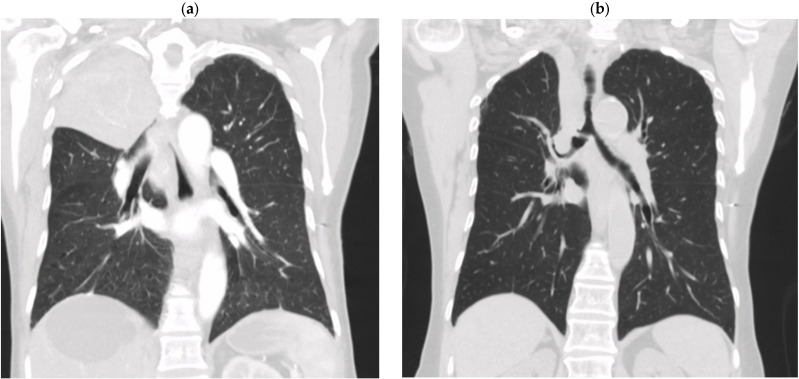 Figure 2
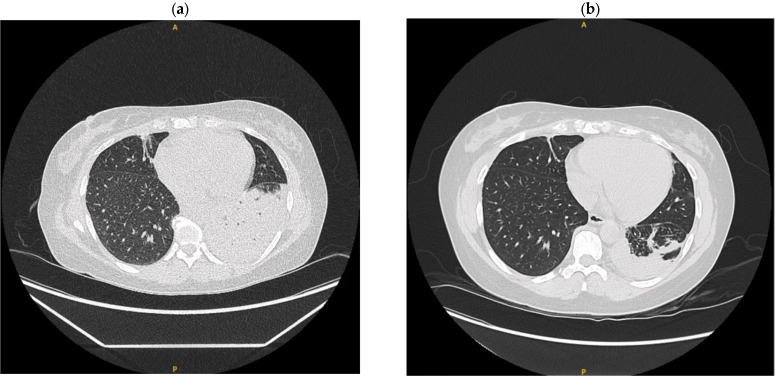 Figure 3
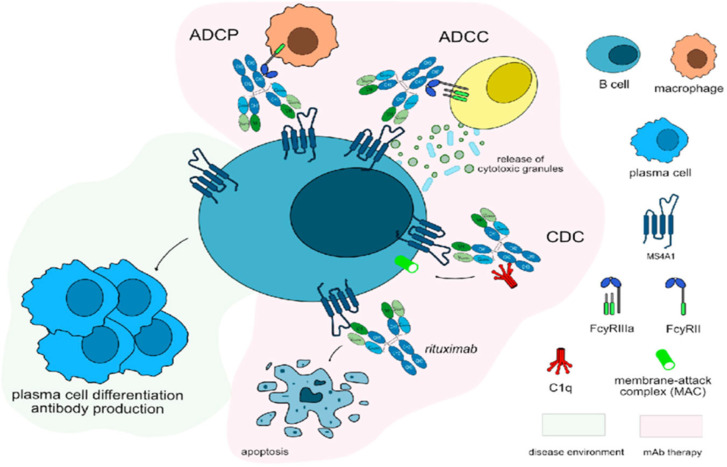 Figure 4
Peer Reviews
No public reviews on file for this paper yet. If you reviewed it on a platform where reviews are public (OpenReview, ICLR, NeurIPS, ICML), you can paste yours below so the community can read it here.
Videos
No videos yet. Explain this paper in a talk, walkthrough, or lecture? Add one.
Taxonomy
TopicsMycobacterium research and diagnosis · Immunodeficiency and Autoimmune Disorders · Immune Cell Function and Interaction