Structural Optimization Design of the Dual-Layer CMUT with Low Power Consumption and High Ultrasonic Reception Performance
Jie Li, Zhaohui Xiao, Zutang Wu, Xiong Hu, Zhikang Li, Yihe Zhao, Min Li, Jiawei Yuan, Shaohui Qin, Libo Zhao

TL;DR
A new dual-layer CMUT design improves performance and reduces power consumption for use in portable devices and nondestructive testing.
Contribution
The paper introduces a dual-layer CMUT structure with a movable pillar that enhances deflection and reduces stiffness for better performance.
Findings
The dual-layer CMUT design reduces collapse voltage by 13.7% compared to conventional CMUTs.
The design improves receiving sensitivity by 101.6% while maintaining transmission performance.
Maximum deflection and electromechanical coupling coefficient increased by 41.2% and 84.6%, respectively.
Abstract
Capacitive micromachined ultrasonic transducers (CMUTs) have been widely applied in fields such as air-coupled ultrasonic nondestructive testing, gesture recognition, and 3D imaging. However, most current CMUTs struggle to simultaneously achieve both low power consumption and high performance, which limits their application in relevant fields. In this paper, a dual-layer CMUT is proposed, and its structural optimization design is also analyzed. The dual-layer CMUT consists of a top-layer circular CMUT cell and a bottom-layer annular CMUT cell. A movable pillar connects the top and bottom cells of the double-layer CMUT. This design increases the total deflection and reduces the stiffness, making the membrane more susceptible to deformation under external forces, thereby achieving low power consumption and high reception performance. The finite element method (FEM) results showed that,…
Genes, proteins, chemicals, diseases, species, mutations and cell lines named across the full text — each resolved to its canonical identifier and authoritative record.
Click any figure to enlarge with its caption.
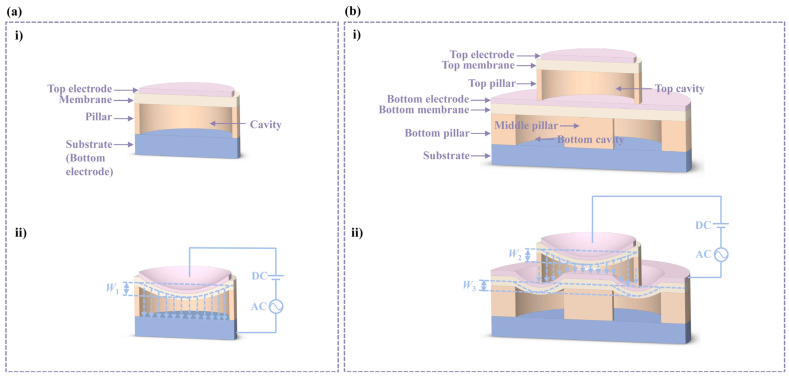 Figure 1
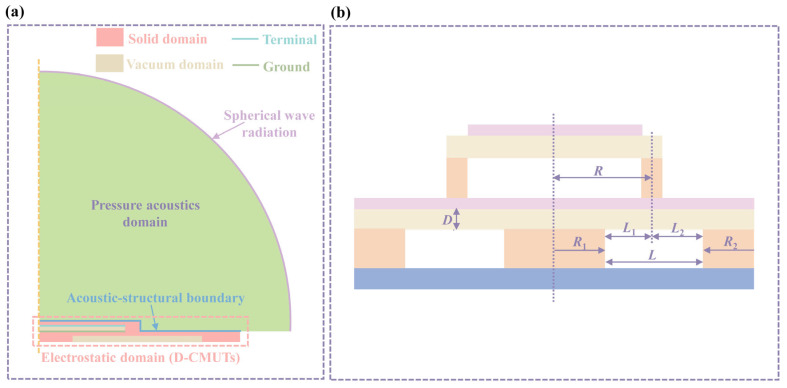 Figure 2
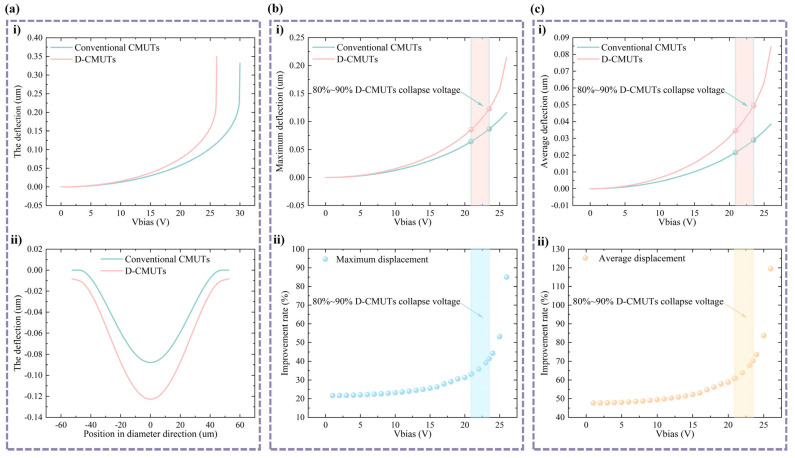 Figure 3
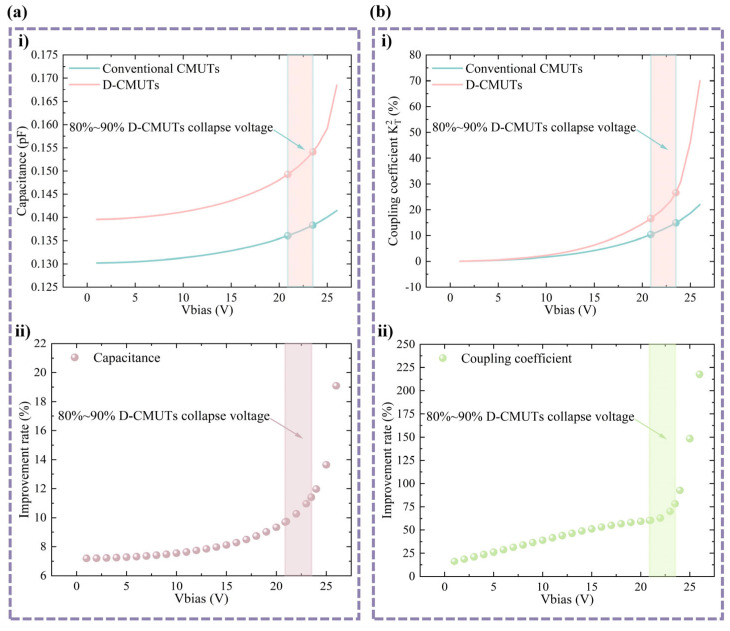 Figure 4
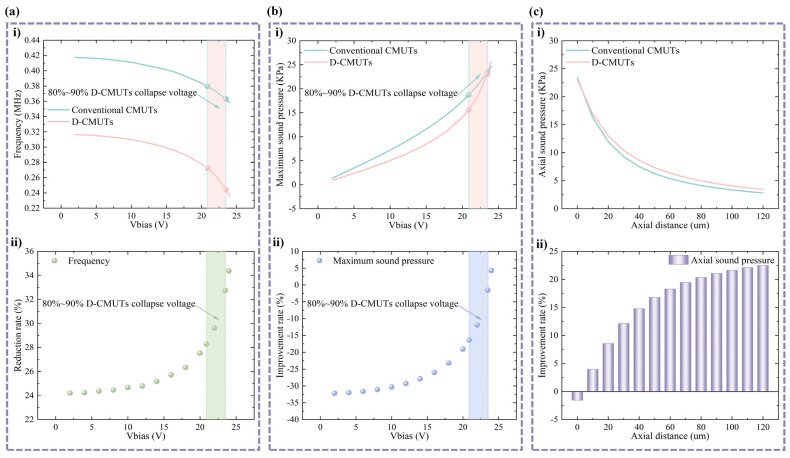 Figure 5
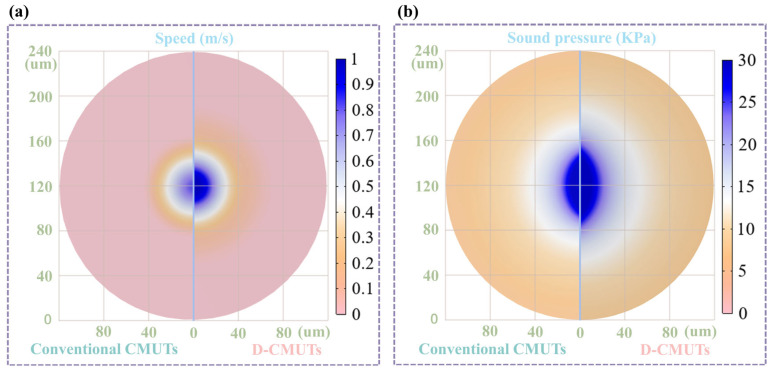 Figure 6
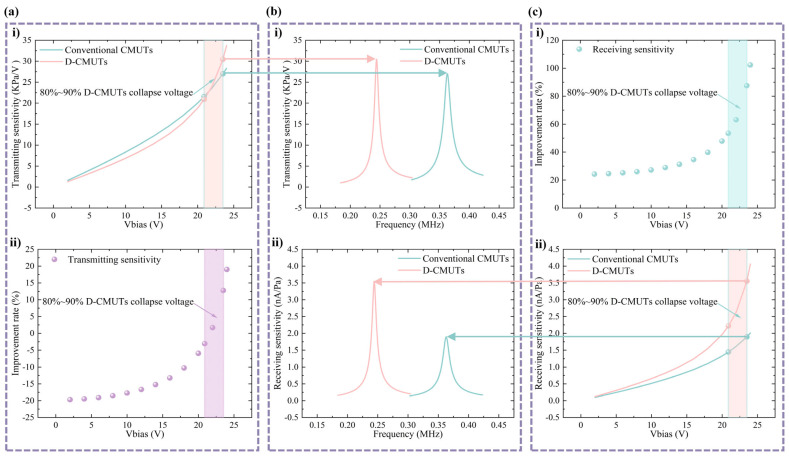 Figure 7
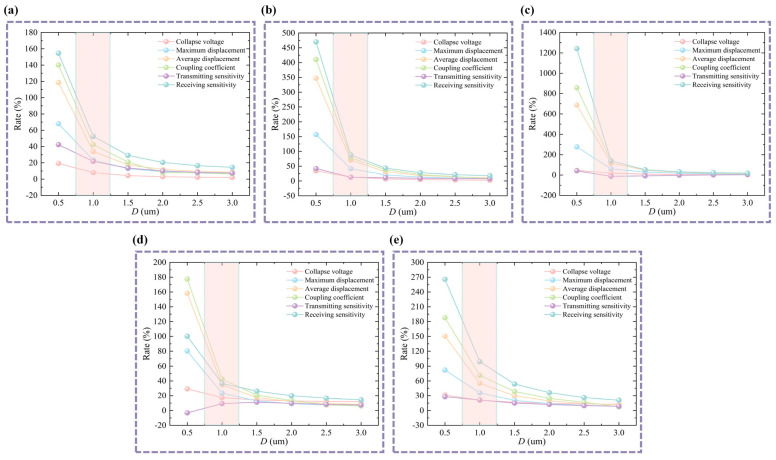 Figure 8
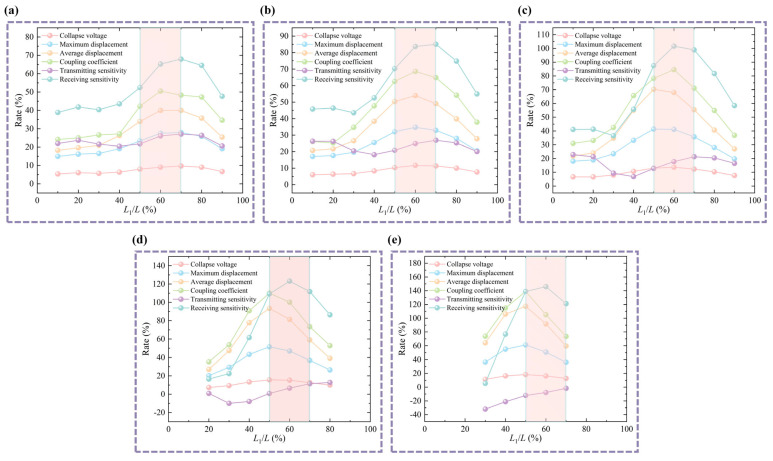 Figure 9
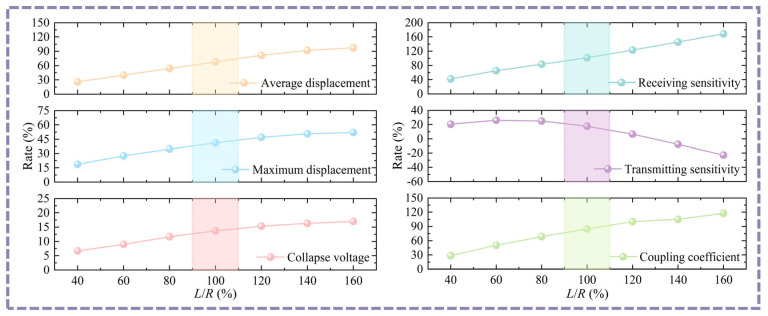 Figure 10
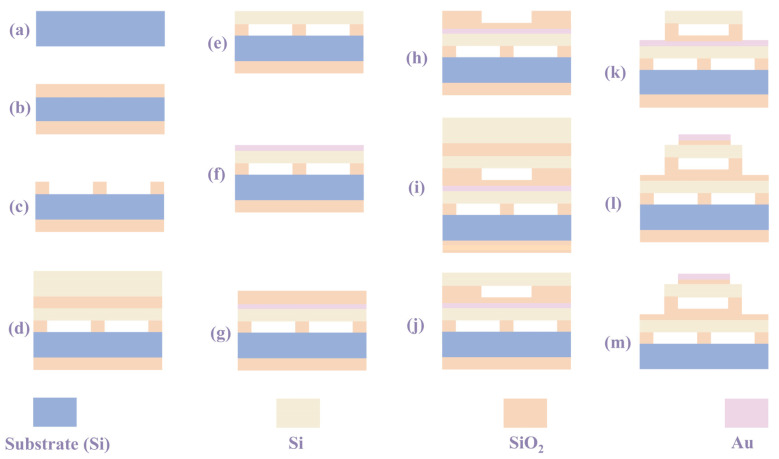 Figure 11
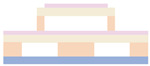 Figure 12
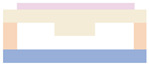 Figure 13
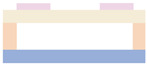 Figure 14
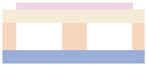 Figure 15
 Figure 16
Peer Reviews
No public reviews on file for this paper yet. If you reviewed it on a platform where reviews are public (OpenReview, ICLR, NeurIPS, ICML), you can paste yours below so the community can read it here.
Videos
No videos yet. Explain this paper in a talk, walkthrough, or lecture? Add one.
Taxonomy
TopicsUltrasonics and Acoustic Wave Propagation · Advanced Sensor and Energy Harvesting Materials · Acoustic Wave Phenomena Research