Three-Compartment Pharmacokinetics of Inhaled and Injected Sinapine Thiocyanate Manifest Prolonged Retention and Its Therapeutics in Acute Lung Injury
Zixin Li, Caifen Wang, Huipeng Xu, Qian Wu, Ningning Peng, Lu Zhang, Hui Wang, Li Wu, Zegeng Li, Qinjun Yang, Jiwen Zhang

TL;DR
A new dry powder inhaler for sinapine thiocyanate shows prolonged drug retention and reduces lung injury in rats.
Contribution
The study introduces a dry powder inhaler formulation of sinapine thiocyanate with triexponential pharmacokinetics for treating acute lung injury.
Findings
The ST DPI has ideal aerodynamic properties and prolonged systemic retention after inhalation.
Inhalation of ST increases AUC 2.7-fold compared to oral administration.
ST DPI reduces inflammation and oxidative stress in ALI via MAPK-mediated pathways.
Abstract
Background: Acute lung injury (ALI) is driven by inflammatory cascades and reactive oxygen species (ROS) generation, with the progression to severe cases markedly increasing mortality. Sinapine thiocyanate (ST), a bioactive natural compound isolated from Sinapis Semen Albae (SSA), demonstrates both anti-inflammatory and antioxidant pharmacological activities. However, no monotherapeutic formulation of ST has been developed to date. A dry powder inhaler (DPI) enables targeted pulmonary drug delivery with excellent stability profiles and high inhalation efficiency. Methods: ST was purified and prepared as inhalable dry powder particles via an antisolvent crystallization technique. The therapeutic mechanisms of ST against ALI were elucidated by network pharmacology and pharmacokinetic analyses, with the therapeutic efficacy of the ST DPI in ALI mitigation being validated using LPS-induced…
Genes, proteins, chemicals, diseases, species, mutations and cell lines named across the full text — each resolved to its canonical identifier and authoritative record.
Click any figure to enlarge with its caption.
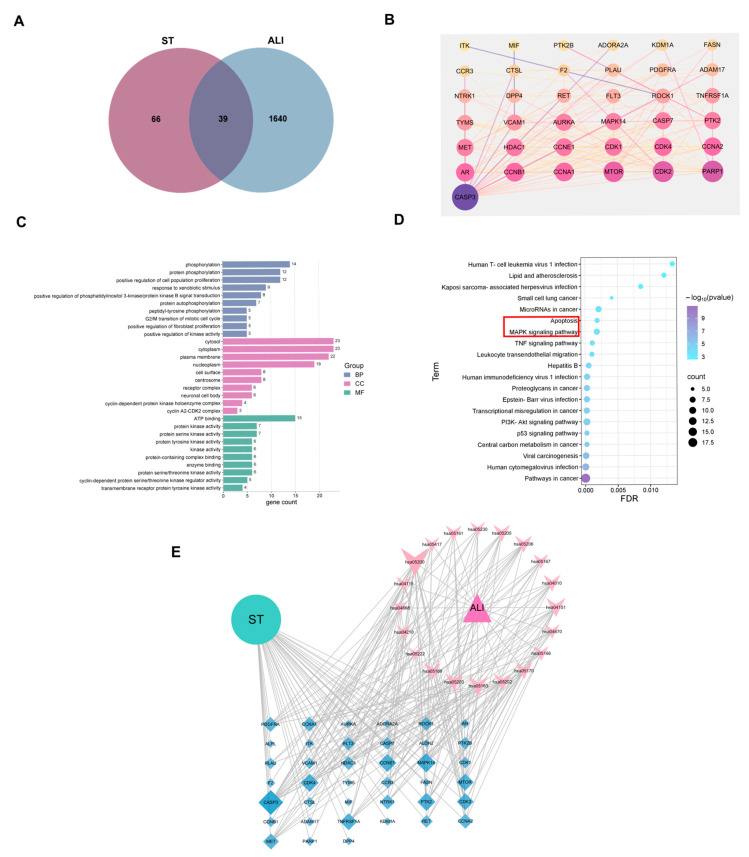 Figure 1
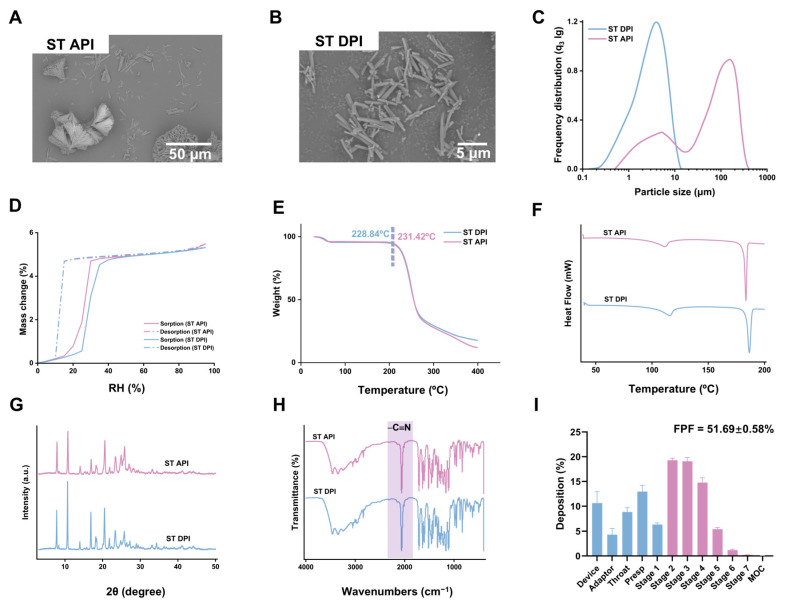 Figure 2
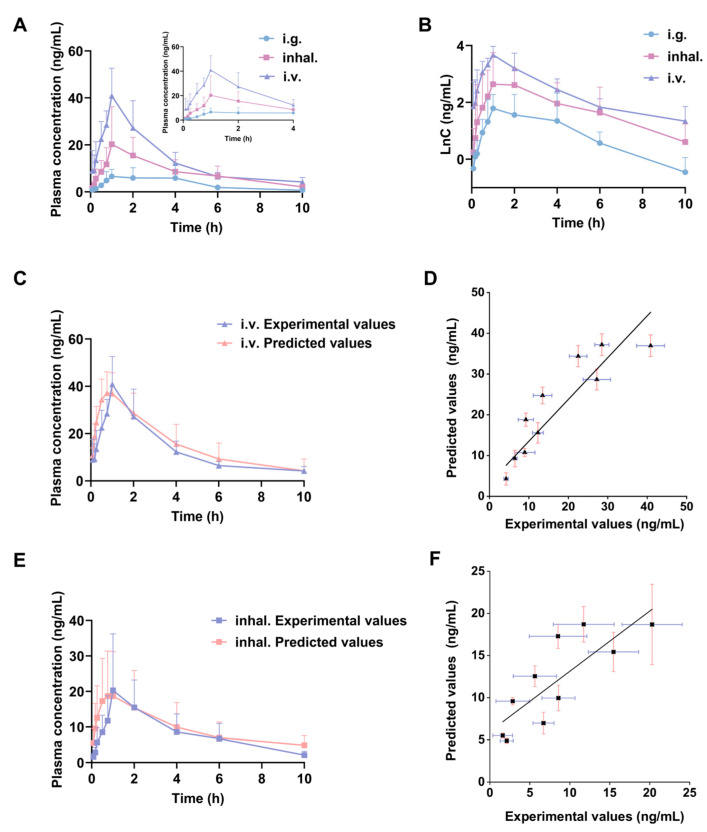 Figure 3
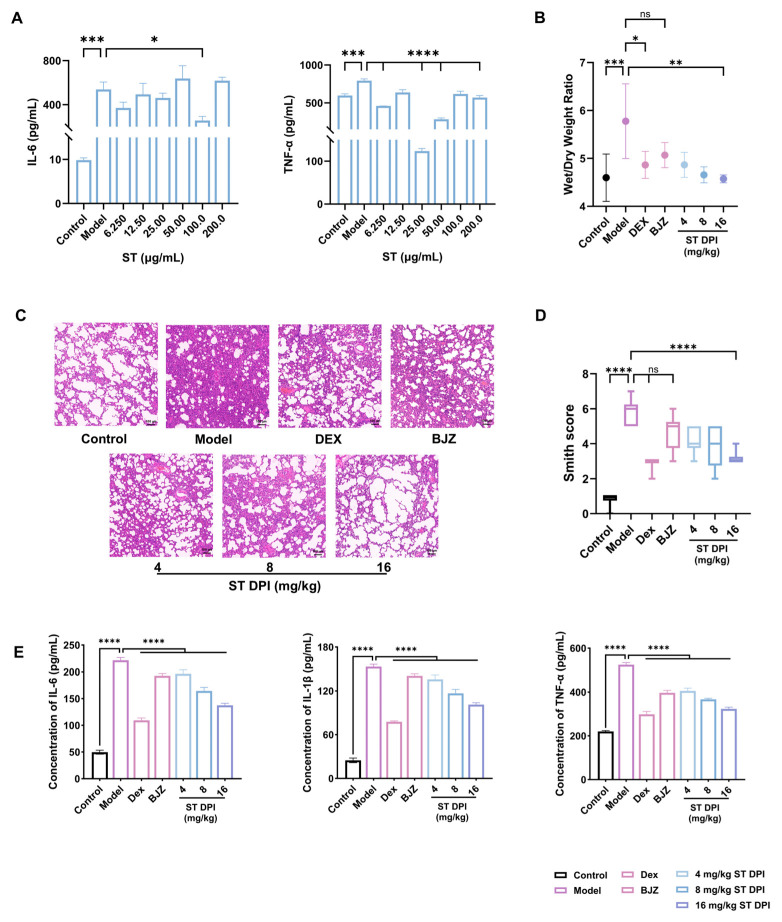 Figure 4
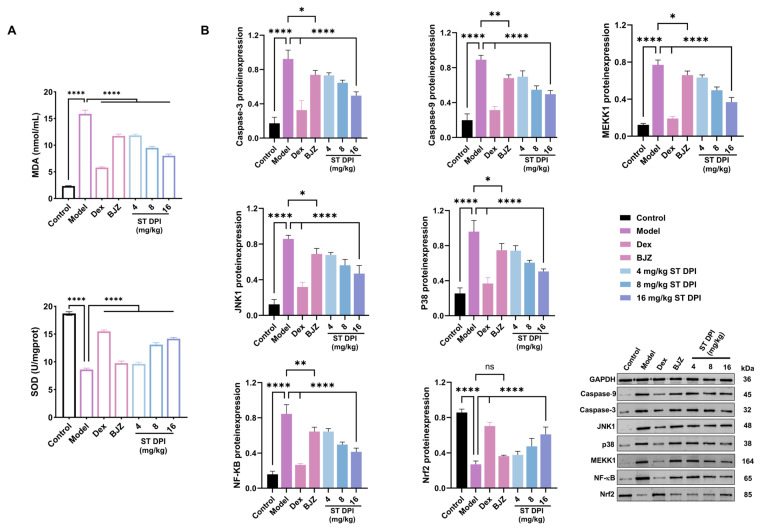 Figure 5
Peer Reviews
No public reviews on file for this paper yet. If you reviewed it on a platform where reviews are public (OpenReview, ICLR, NeurIPS, ICML), you can paste yours below so the community can read it here.
Videos
No videos yet. Explain this paper in a talk, walkthrough, or lecture? Add one.
Taxonomy
TopicsMangiferin and Mango Extracts · Sphingolipid Metabolism and Signaling · Essential Oils and Antimicrobial Activity