Proposal for a Controlled Humidity Environment Test Bench for the Accurate Characterization of Icephobic Properties
Louise Burdin, Anne-Catherine Brulez, Radoslaw Mazurczyk, Jean-Louis Leclercq, Stéphane Benayoun

TL;DR
This paper proposes a new test bench to accurately measure icephobic surface properties under controlled humidity, addressing inconsistencies in current methods.
Contribution
A reproducible test bench for simultaneous measurement of ice adhesion strength and icing delay time under controlled humidity.
Findings
Increasing humidity leads to higher ice adhesion strength.
Higher humidity results in lower icing delay time values.
Tests should be conducted at low humidity to assess intrinsic icephobic properties.
Abstract
The accumulation of ice on equipment exposed to low temperatures raises major efficiency and safety concerns. To overcome this challenge, various strategies have been developed to create icephobic surfaces. Their characterization typically relies on the measurements of icing delay time (IDT) or ice adhesion strength. However, the absence of standardized testing equipment leads to significant variability, as each research group employs different setups and conditions. This lack of standardization complicates the comparison of results and the evaluation of surface performance. Herein, we describe the development of a new reproducible test bench that allows for simultaneous measurement of ice adhesion strength and IDT under controlled humidity conditions. Results reveal that increasing humidity leads to higher adhesion and lower IDT values. This study highlights the critical influence of…
Genes, proteins, chemicals, diseases, species, mutations and cell lines named across the full text — each resolved to its canonical identifier and authoritative record.
Click any figure to enlarge with its caption.
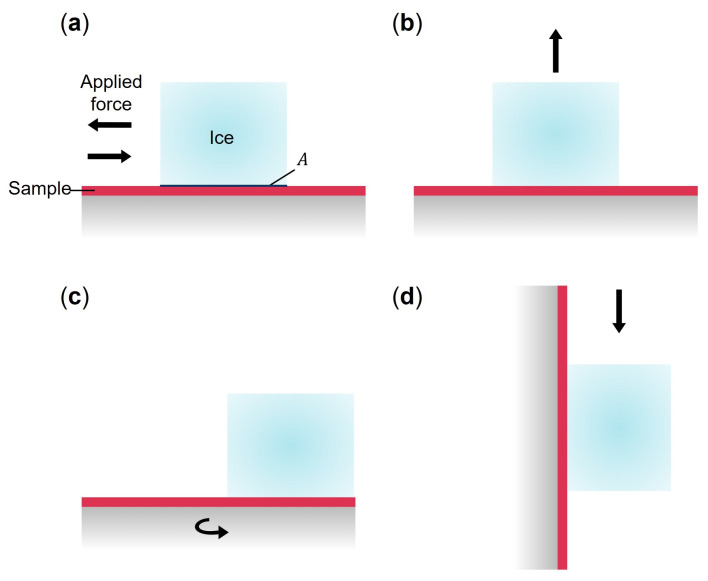 Figure 1
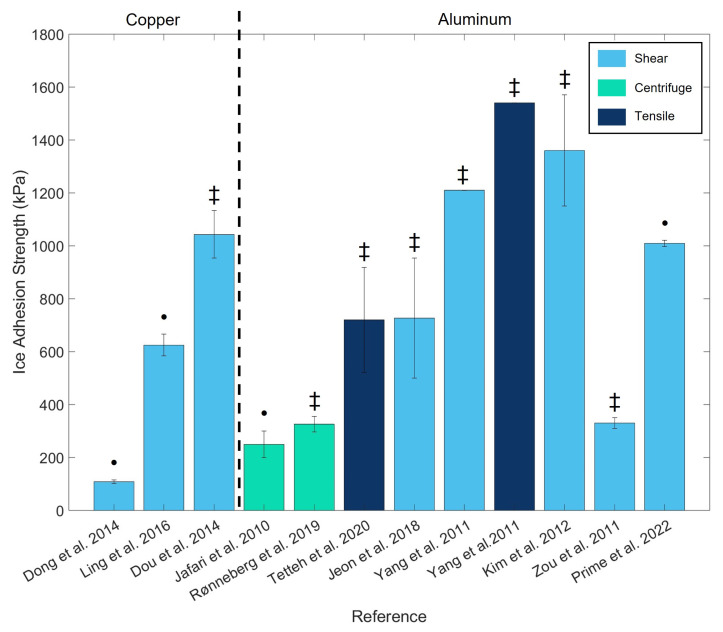 Figure 2
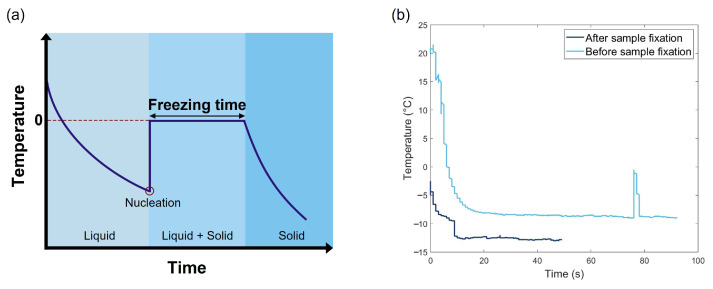 Figure 3
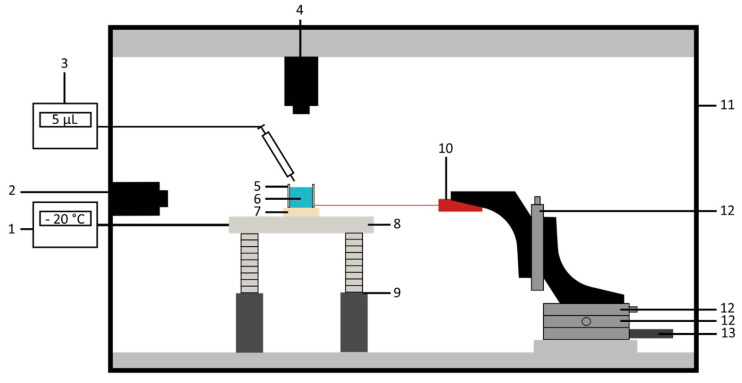 Figure 4
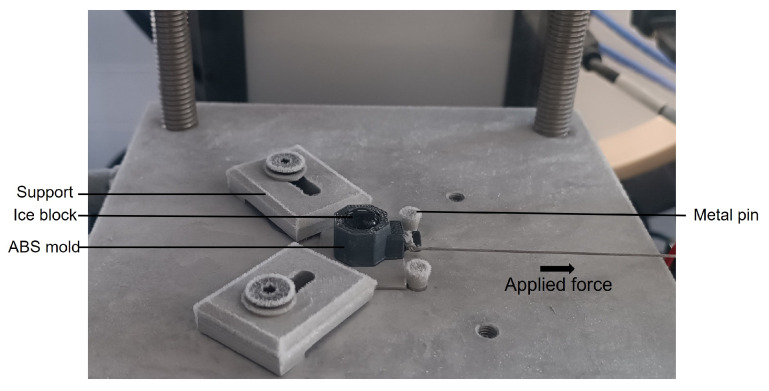 Figure 5
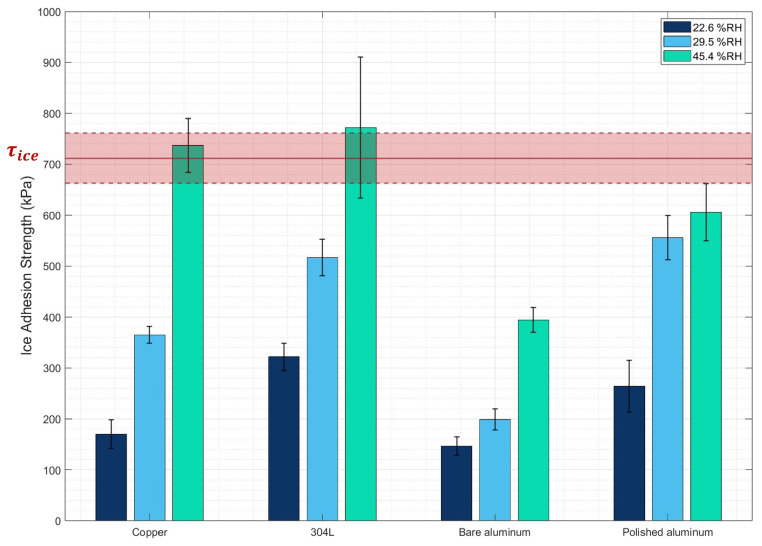 Figure 6
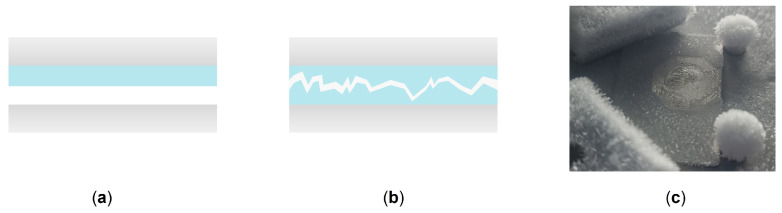 Figure 7
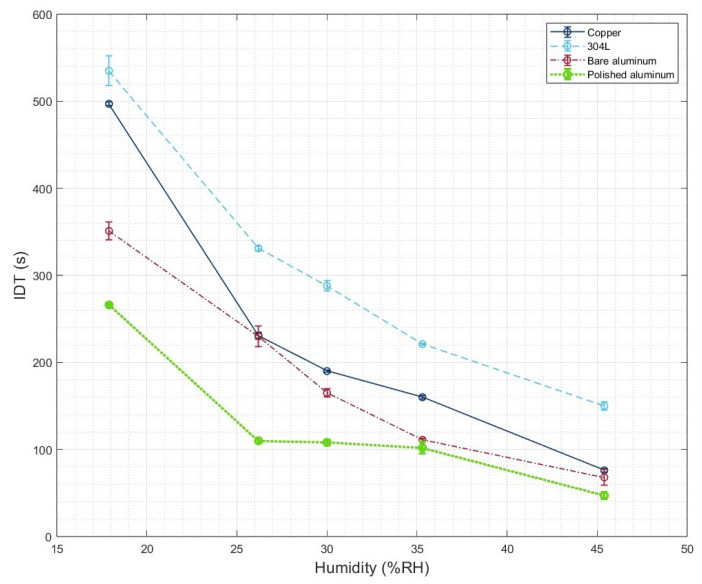 Figure 8
Peer Reviews
No public reviews on file for this paper yet. If you reviewed it on a platform where reviews are public (OpenReview, ICLR, NeurIPS, ICML), you can paste yours below so the community can read it here.
Videos
No videos yet. Explain this paper in a talk, walkthrough, or lecture? Add one.
Taxonomy
TopicsIcing and De-icing Technologies · Surface Modification and Superhydrophobicity · Smart Materials for Construction