Study of Class 1, 2, and 3 Integrons, Antibiotic Resistance Patterns, and Biofilm Formation in Clinical Staphylococcus aureus Isolates from Hospital-Acquired Infections
Eman E. Hegazy, Wageih Salem ElNaghy, Marwa M. Shalaby, Sarah M. Shoeib, Nashwa S. M. Abdeen, Mohamed H. Fouda, Ola A. Elshora, Mohammed H. Elnaggar, Waleed Elrefaey, Rasha Youssef Hagag, Ahmed A. Elhadidy, Mohamed A. Elsebaey, Mohamed A. Eltomey, Ahmed Mohamed El Nakib

TL;DR
This study examines antibiotic resistance, biofilm formation, and integron presence in Staphylococcus aureus isolates from hospital infections.
Contribution
The study identifies resistance patterns, biofilm formation, and integron class 1 prevalence in clinical S. aureus isolates.
Findings
MRSA isolates showed higher resistance to multiple antibiotics compared to MSSA isolates.
76.2% of isolates produced biofilm, which correlated with increased antibiotic resistance.
The intI1 gene was detected in 33.3% of isolates, while intI2 and intI3 were not found.
Abstract
Antibiotic resistance and biofilm formation complicate Staphylococcus aureus infections, raising concerns for global health. Understanding antimicrobial resistance and biofilm formation in these pathogens is essential for effective infection management. The current research aimed to assess antibiotic resistance patterns, biofilm formation, and the occurrence of integron classes 1, 2, and 3 in clinical S. aureus isolates. The disc diffusion method tested antibiotic susceptibility. MRSA strains were identified by cefoxitin disc diffusion, and the mecA gene by PCR. The D-test also assessed macrolide–lincosamide–streptogramin B. A microtiter plate assay assessed biofilm formation. By PCR, integron classes were examined. Of the 63 S. aureus isolates, 25 were MSSA and 38 were MRSA. Pus (39.5%) was the most prevalent clinical source of MRSA isolates, while blood (24%) was the predominant…
Genes, proteins, chemicals, diseases, species, mutations and cell lines named across the full text — each resolved to its canonical identifier and authoritative record.
Click any figure to enlarge with its caption.
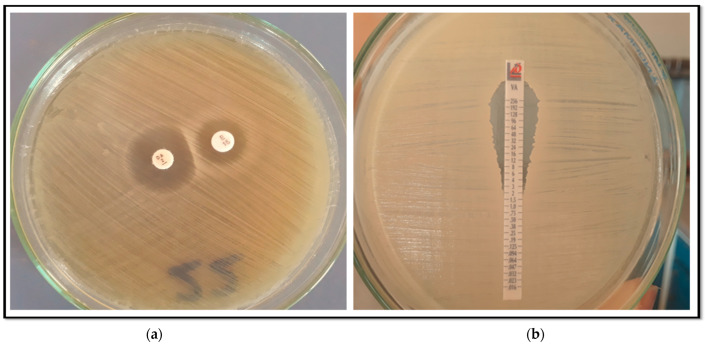 Figure 1
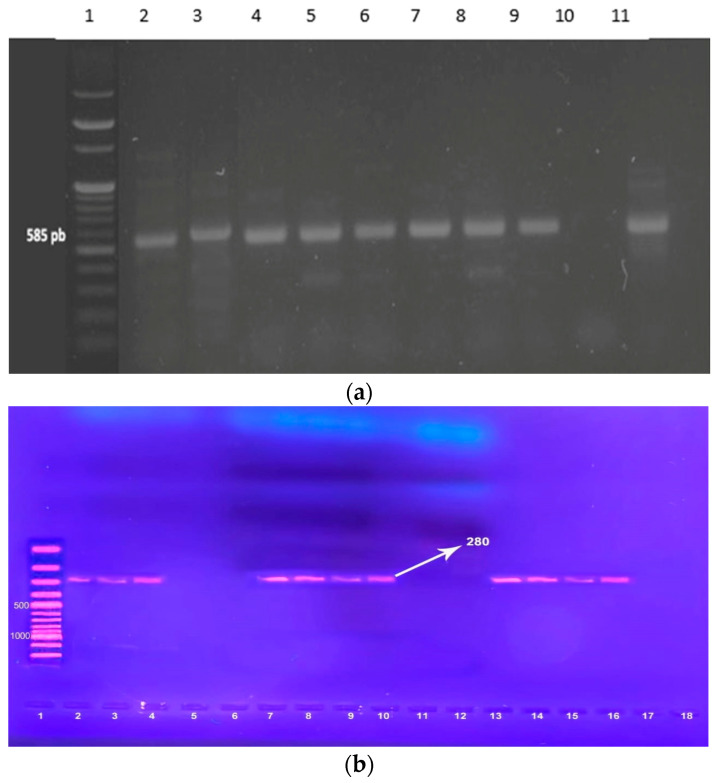 Figure 2
Peer Reviews
No public reviews on file for this paper yet. If you reviewed it on a platform where reviews are public (OpenReview, ICLR, NeurIPS, ICML), you can paste yours below so the community can read it here.
Videos
No videos yet. Explain this paper in a talk, walkthrough, or lecture? Add one.
Taxonomy
TopicsAntimicrobial Resistance in Staphylococcus · Bacterial biofilms and quorum sensing · Bacterial Identification and Susceptibility Testing