Error Modeling and Error Control Study of PA/Pine Wood Biomass Composites
Jiaming Dai, Yanling Guo, Haoyu Zhang

TL;DR
This study explores how adding pine wood to polyamide improves laser sintering accuracy and develops models to predict and reduce printing errors.
Contribution
The paper introduces a novel combination of theoretical and data-driven models for error prediction in laser sintering using PA/biomass composites.
Findings
A 3 wt% pine wood composite achieves 20 MPa tensile strength and a 10 °C sintering window.
Data-driven models predict dimensional errors with 81–91% accuracy, outperforming theoretical models.
Error compensation reduces dimensional deviation from 1.61–3.49% to 0.41–0.50%.
Abstract
Laser sintering (LS) technology is one of the most widely commercialized additive manufacturing technologies. However, the popularization of LS technology in civilian applications has long been constrained by accuracy-related issues. Polyamide (PA), as the most mature LS material, still faces challenges in controlling part dimensional errors. Biomass materials, when used as fillers, can improve the printing accuracy of fabricated parts, demonstrating a technically feasible synergy between PA and biomass materials. Therefore, this study analyzes the fundamental material properties of PA/pine biomass composites and investigates error control methods for LS-fabricated parts using PA/biomass materials as feedstock. This study investigates the error modeling of LS-fabricated parts from two perspectives. First, a theoretical mathematical model is established to predict part errors by…
Genes, proteins, chemicals, diseases, species, mutations and cell lines named across the full text — each resolved to its canonical identifier and authoritative record.
Click any figure to enlarge with its caption.
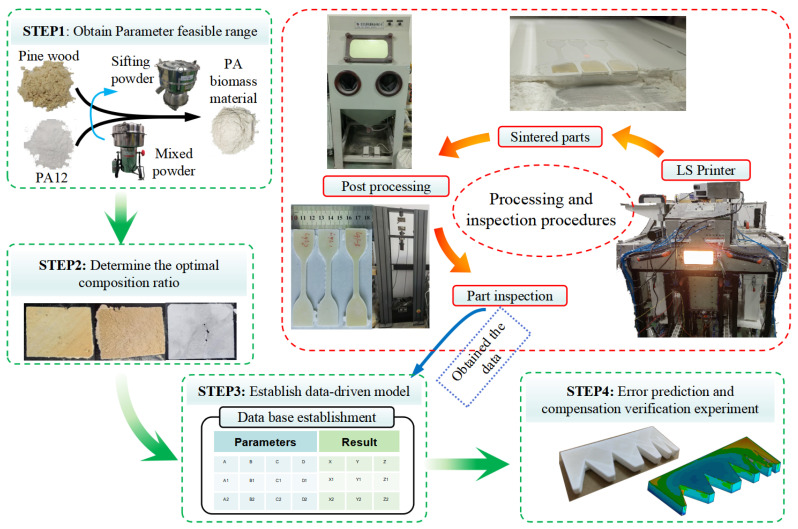 Figure 1
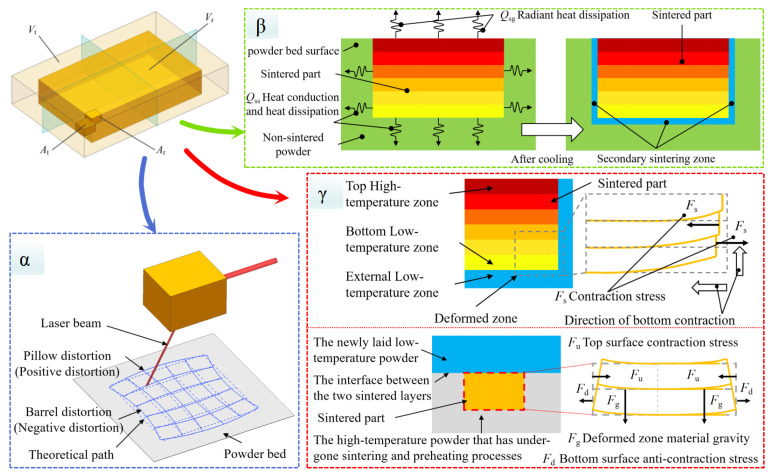 Figure 2
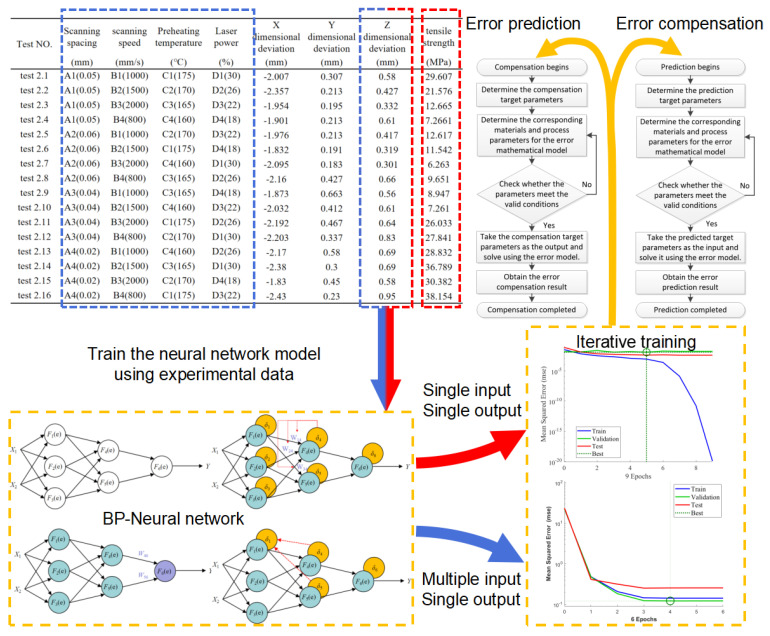 Figure 3
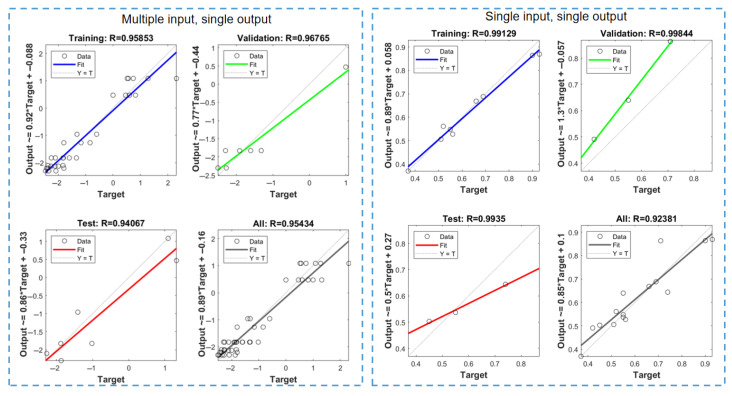 Figure 4
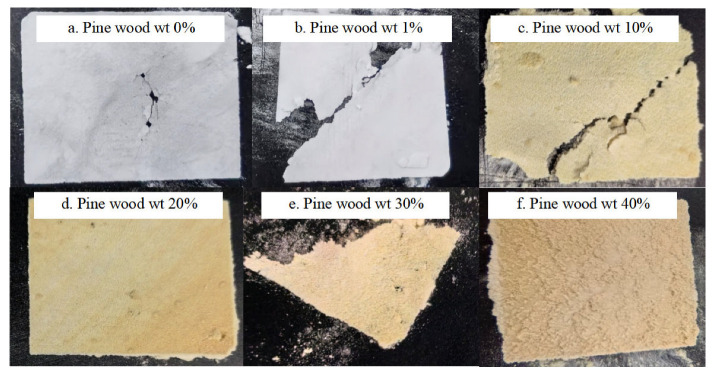 Figure 5
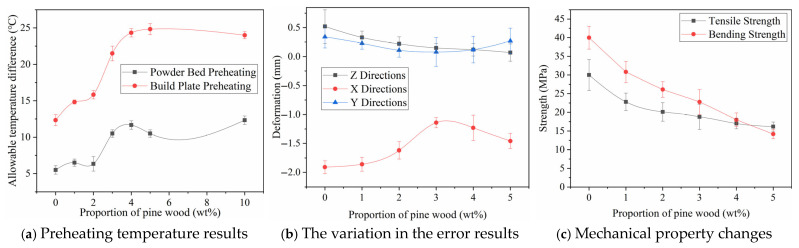 Figure 6
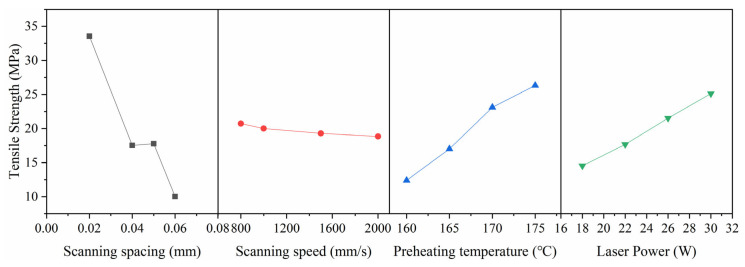 Figure 7
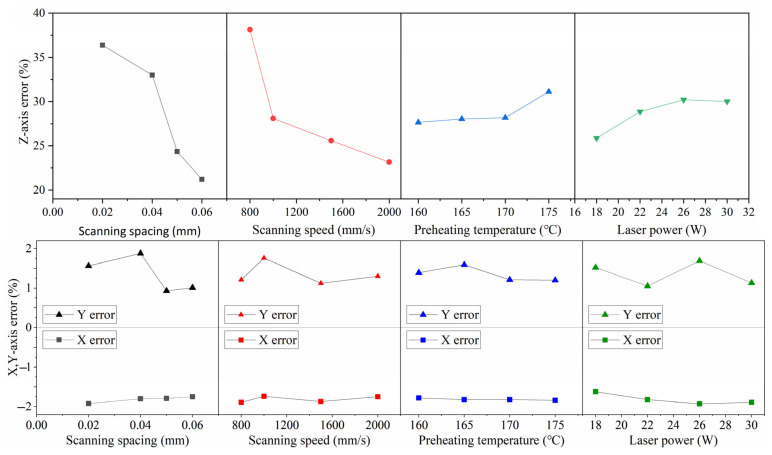 Figure 8
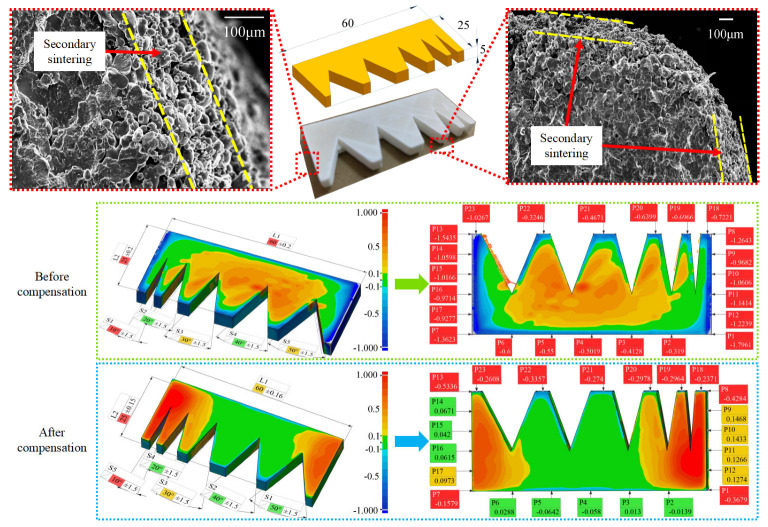 Figure 9
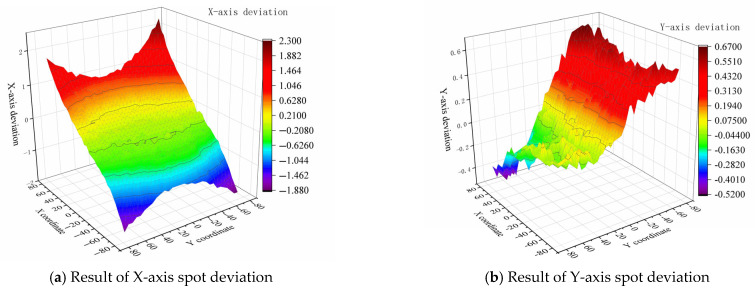 Figure 10
Peer Reviews
No public reviews on file for this paper yet. If you reviewed it on a platform where reviews are public (OpenReview, ICLR, NeurIPS, ICML), you can paste yours below so the community can read it here.
Videos
No videos yet. Explain this paper in a talk, walkthrough, or lecture? Add one.
Taxonomy
TopicsAdditive Manufacturing and 3D Printing Technologies · Manufacturing Process and Optimization · Additive Manufacturing Materials and Processes