Theoretical DFT Analysis of a Polyacrylamide/Amylose Copolymer for the Removal of Cd(II), Hg(II), and Pb(II) from Aqueous Solutions
Joaquin Hernandez-Fernandez, Yuly Maldonado-Morales, Rafael Gonzalez-Cuello, Ángel Villabona-Ortíz, Rodrigo Ortega-Toro

TL;DR
This paper uses computer modeling to study a new material that can effectively remove heavy metals like lead and cadmium from water.
Contribution
A novel polyacrylamide/amylose copolymer is proposed and analyzed for heavy metal removal using DFT calculations.
Findings
The copolymer shows high adsorption capacity for Pb and Cd ions based on electronic properties.
DFT calculations reveal favorable stability and reactivity of the polymer-metal interactions.
The AM/Amy copolymer is identified as a promising sustainable material for wastewater treatment.
Abstract
This study theoretically investigates the potential of a polyacrylamide copolymerized with amylose, a primary component of starch, to evaluate its efficiency in removing heavy metals from industrial wastewater. This material concept seeks to combine the high adsorption capacity of polyacrylamide with the low cost and biodegradability of starch, ultimately aiming to offer an economical, efficient, and sustainable alternative for wastewater treatment. To this end, a computational model based on density functional theory (DFT) was developed, utilizing the B3LYP functional with the 6-311++G(d,p) basis set, a widely recognized combination that strikes a balance between accuracy and computational cost. The interactions between an acrylamide-amylose (AM/Amy) polymer matrix, as well as the individual polymers (AM and Amy), and the metal ions Pb, Hg, and Cd in their hexahydrated form (M·6H2O)…
Genes, proteins, chemicals, diseases, species, mutations and cell lines named across the full text — each resolved to its canonical identifier and authoritative record.
Click any figure to enlarge with its caption.
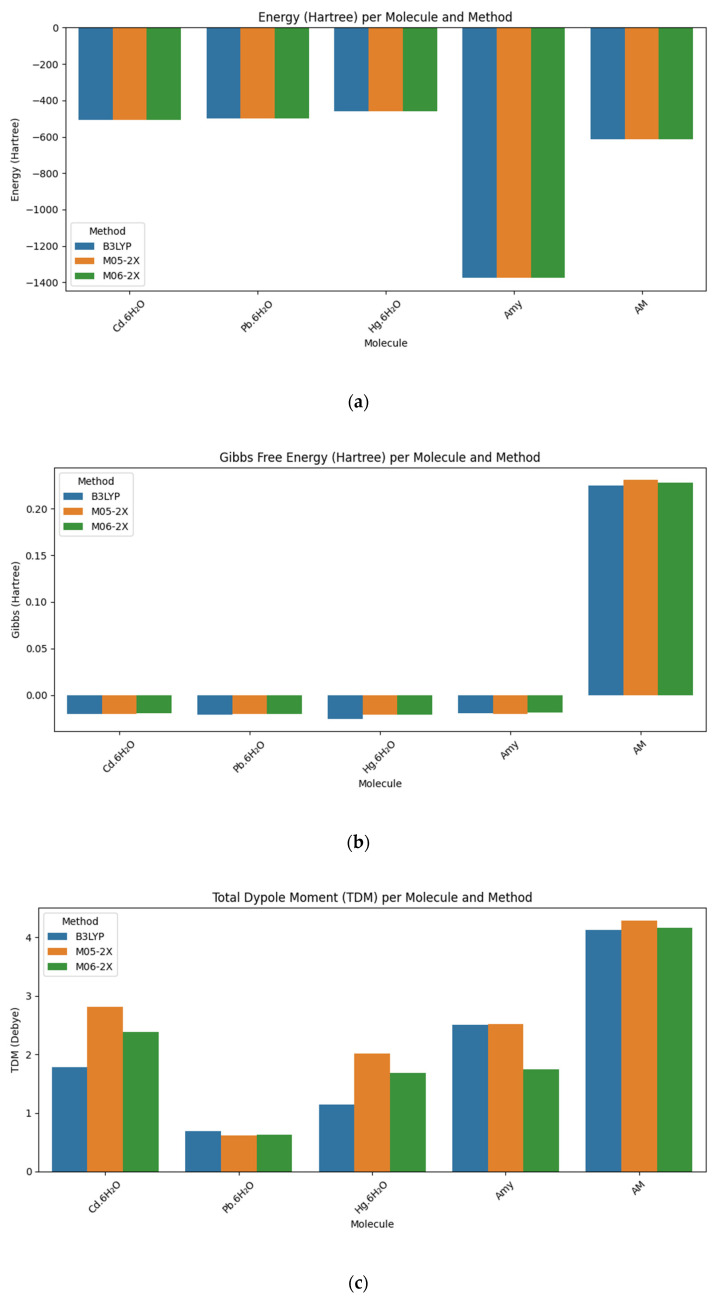 Figure 1
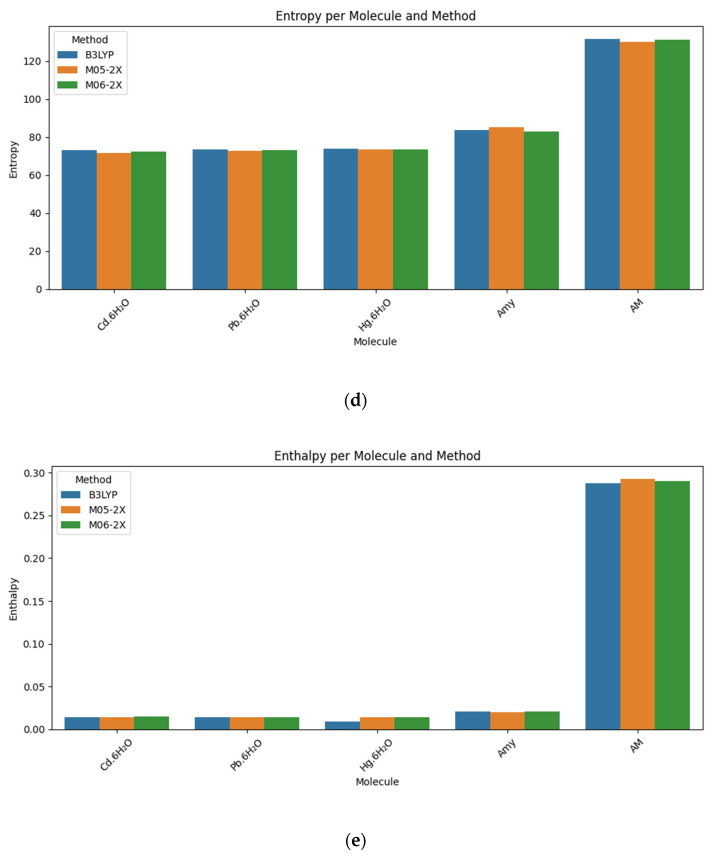 Figure 2
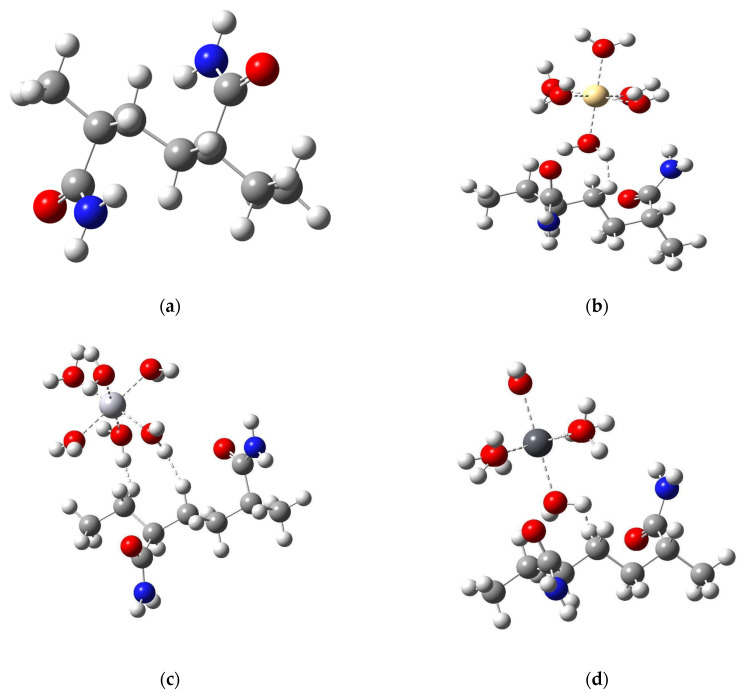 Figure 3
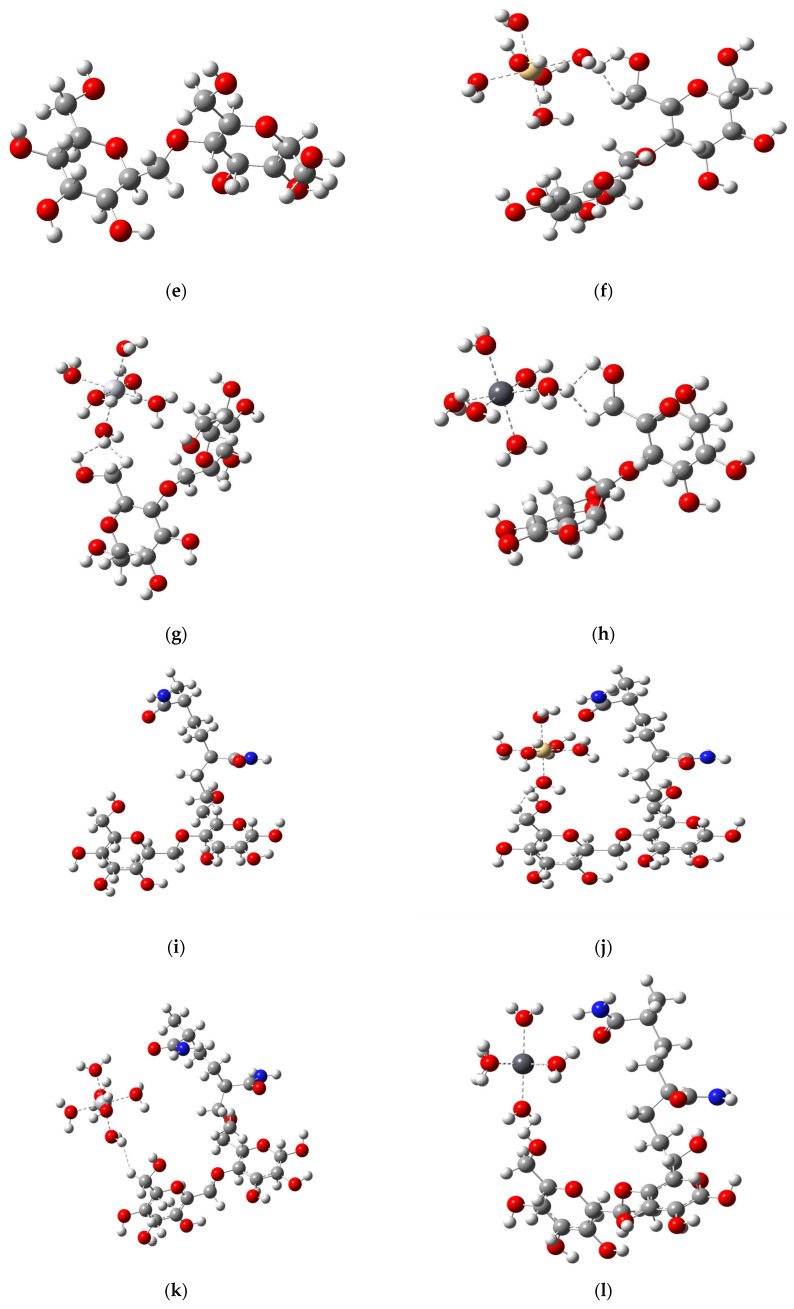 Figure 4
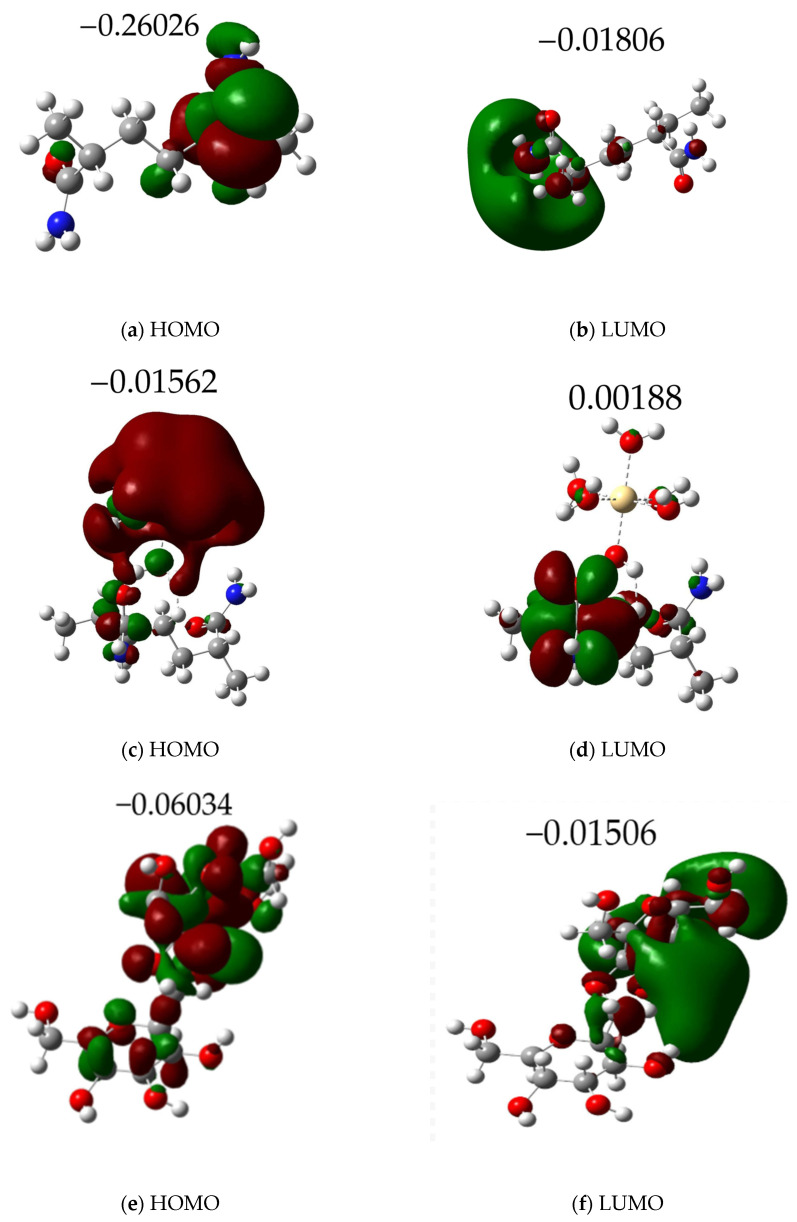 Figure 5
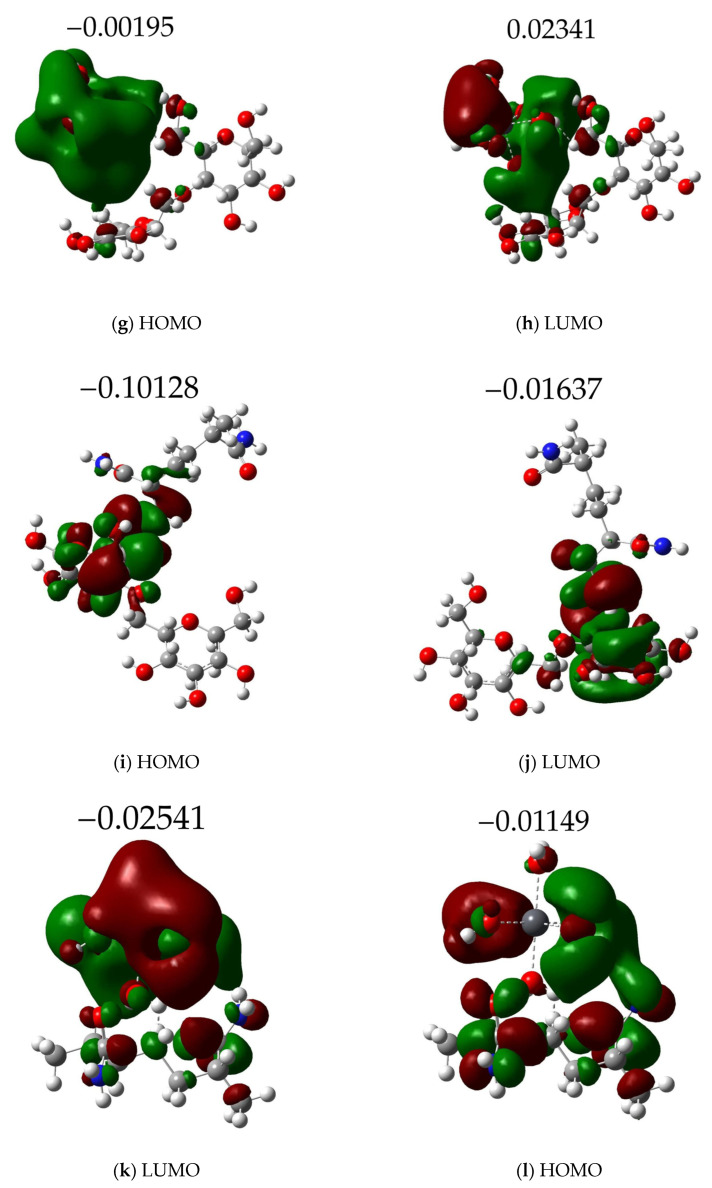 Figure 6
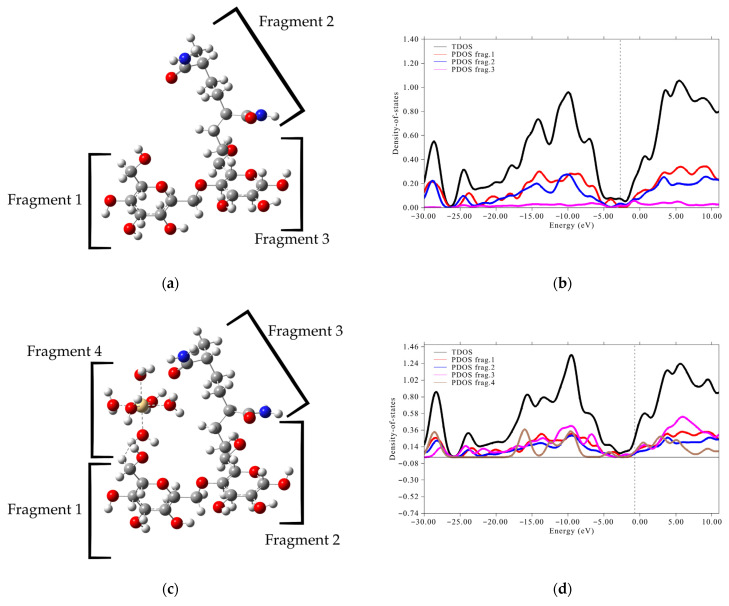 Figure 7
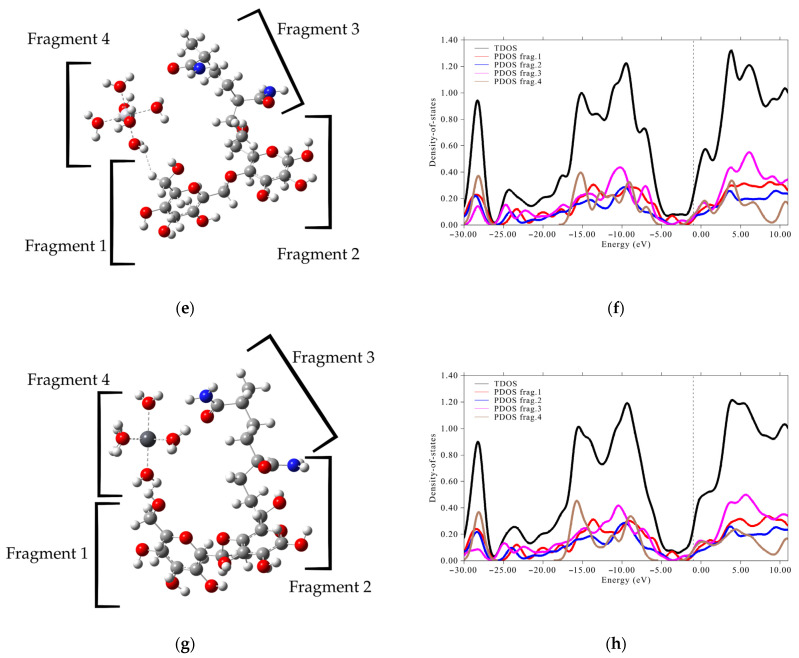 Figure 8
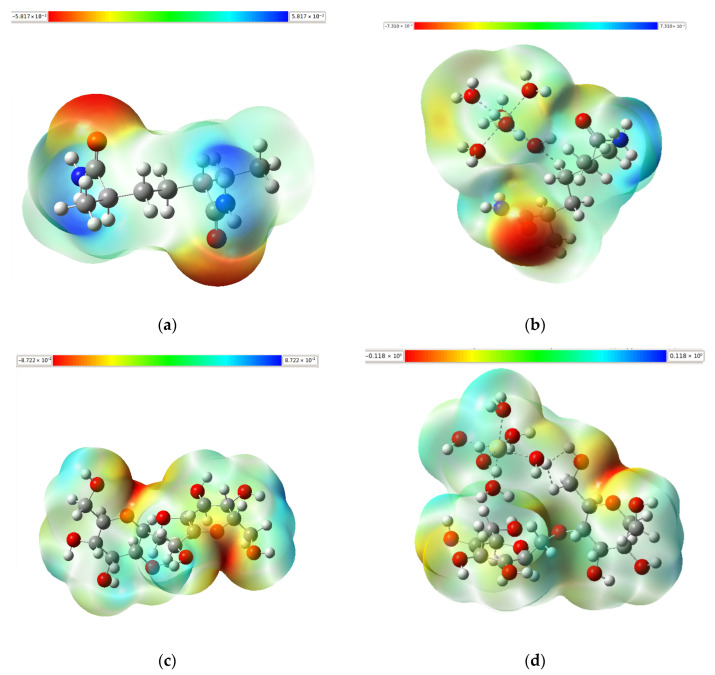 Figure 9
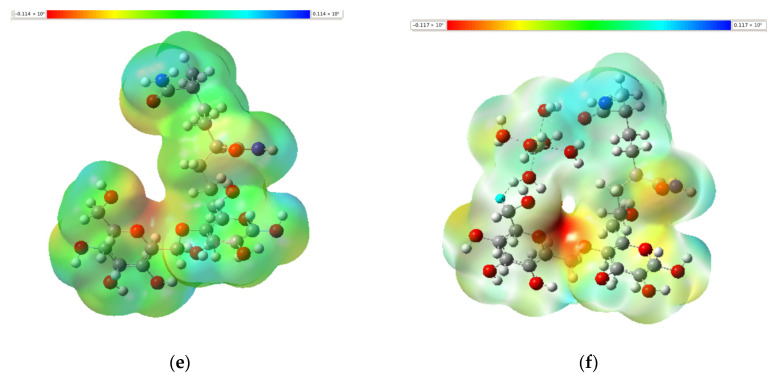 Figure 10
Peer Reviews
No public reviews on file for this paper yet. If you reviewed it on a platform where reviews are public (OpenReview, ICLR, NeurIPS, ICML), you can paste yours below so the community can read it here.
Videos
No videos yet. Explain this paper in a talk, walkthrough, or lecture? Add one.
Taxonomy
TopicsAdsorption and biosorption for pollutant removal