IoMT Architecture for Fully Automated Point-of-Care Molecular Diagnostic Device
Min-Gin Kim, Byeong-Heon Kil, Mun-Ho Ryu, Jong-Dae Kim

TL;DR
This paper presents a new IoMT-based architecture for fully automated point-of-care molecular diagnostic devices to enable rapid and decentralized disease detection.
Contribution
The novel contribution is an IoMT architecture that integrates WebSockets, microfluidic efficiency, and real-time validation for scalable POC-MD systems.
Findings
The system incorporates DNA extraction and real-time PCR into modular, networked components.
A previous clinical study showed high concordance with commercial assays for CT/NG detection.
The architecture supports rapid, reliable, and accessible diagnostics with detection limits below 10 copies/μL.
Abstract
The Internet of Medical Things (IoMT) is revolutionizing healthcare by integrating smart diagnostic devices with cloud computing and real-time data analytics. The emergence of infectious diseases, including COVID-19, underscores the need for rapid and decentralized diagnostics to facilitate early intervention. Traditional centralized laboratory testing introduces delays, limiting timely medical responses. While point-of-care molecular diagnostic (POC-MD) systems offer an alternative, challenges remain in cost, accessibility, and network inefficiencies. This study proposes an IoMT-based architecture for fully automated POC-MD devices, leveraging WebSockets for optimized communication, enhancing microfluidic cartridge efficiency, and integrating a hardware-based emulator for real-time validation. The system incorporates DNA extraction and real-time polymerase chain reaction…
Genes, proteins, chemicals, diseases, species, mutations and cell lines named across the full text — each resolved to its canonical identifier and authoritative record.
Click any figure to enlarge with its caption.
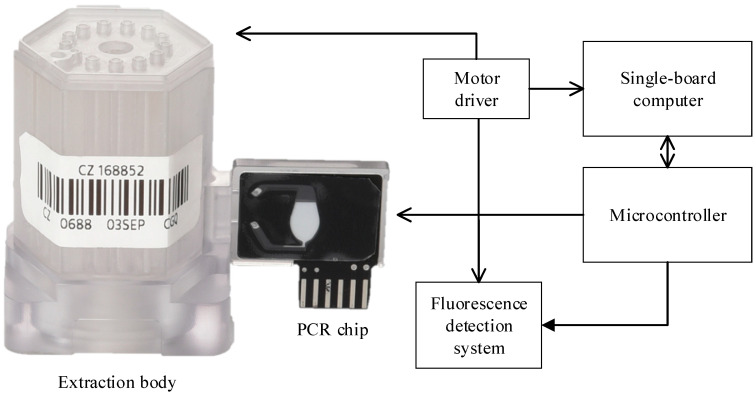 Figure 1
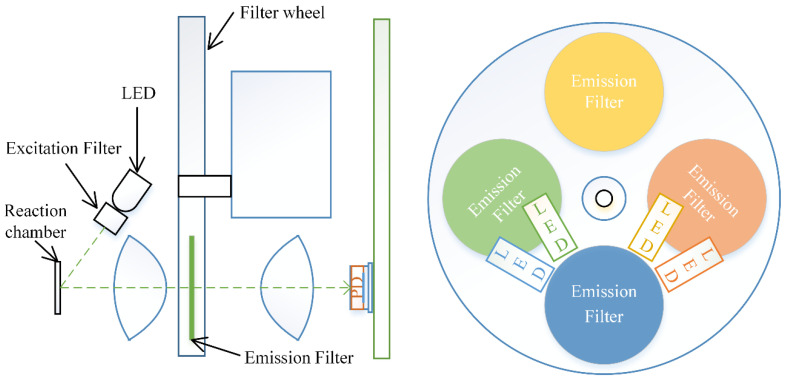 Figure 2
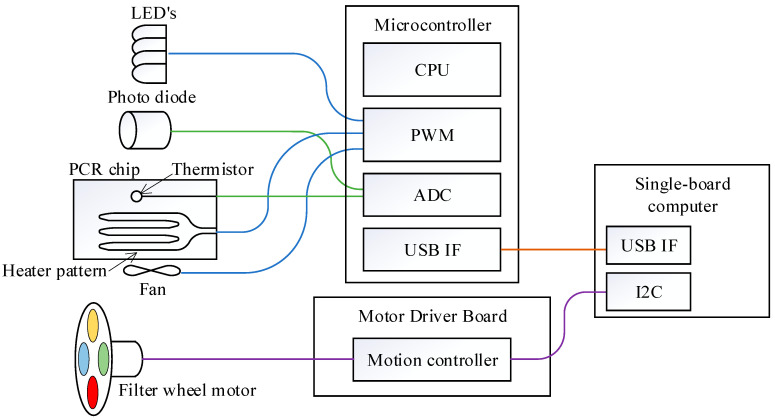 Figure 3
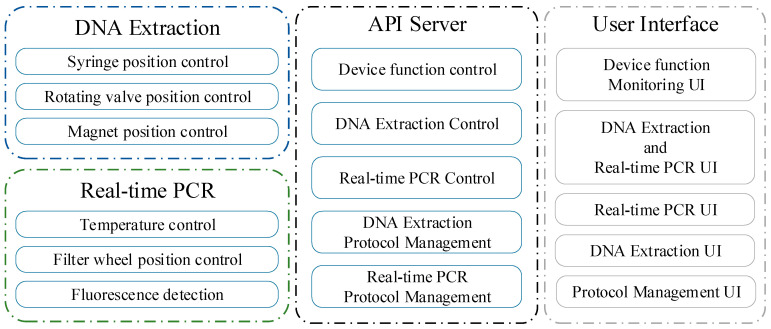 Figure 4
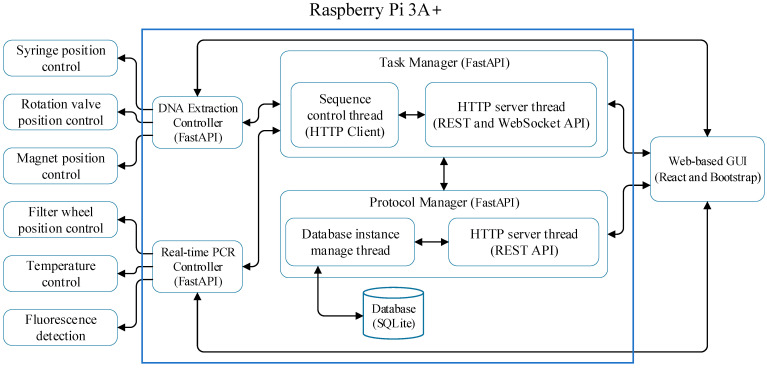 Figure 5
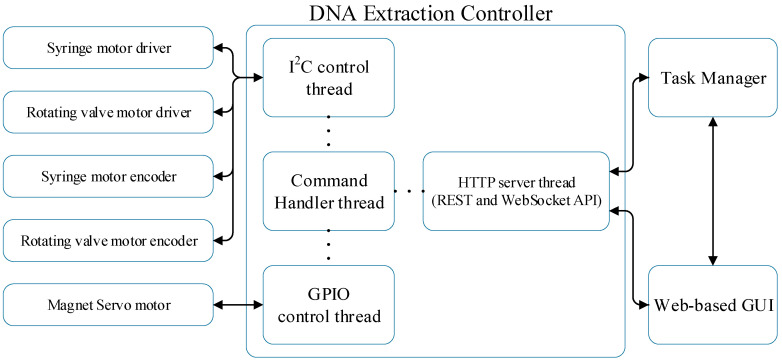 Figure 6
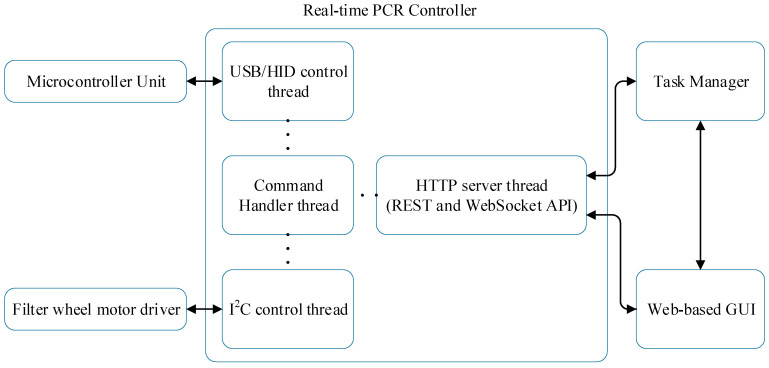 Figure 7
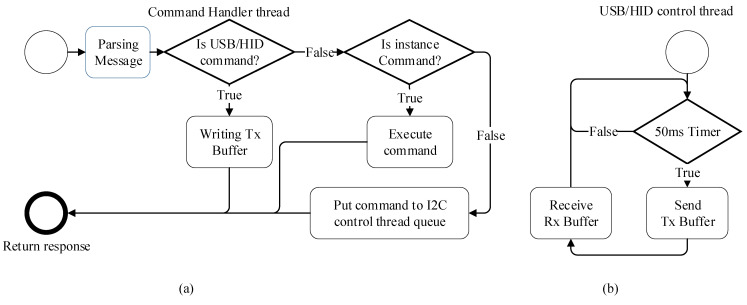 Figure 8
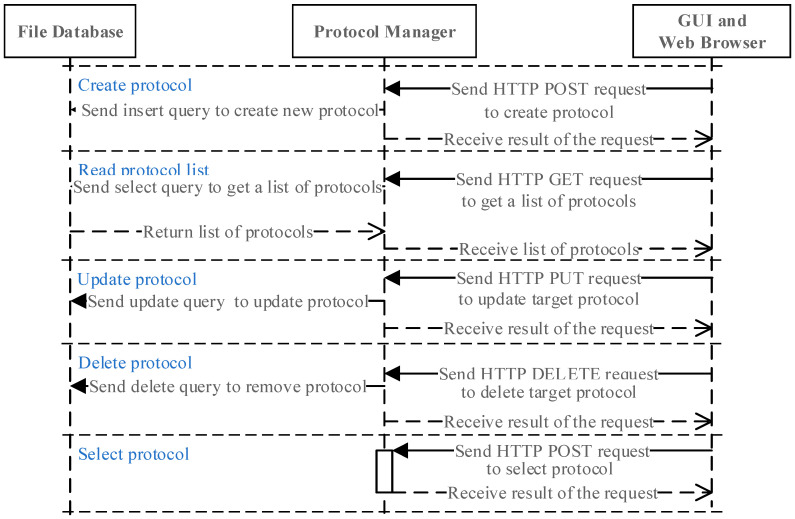 Figure 9
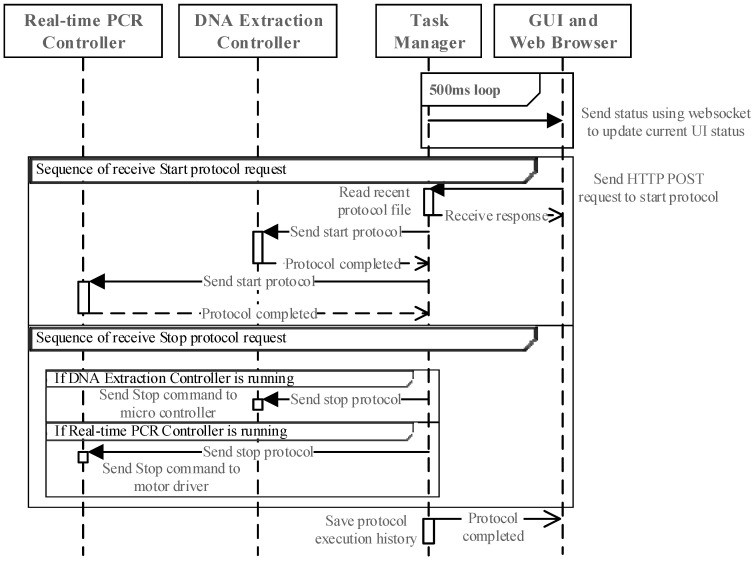 Figure 10
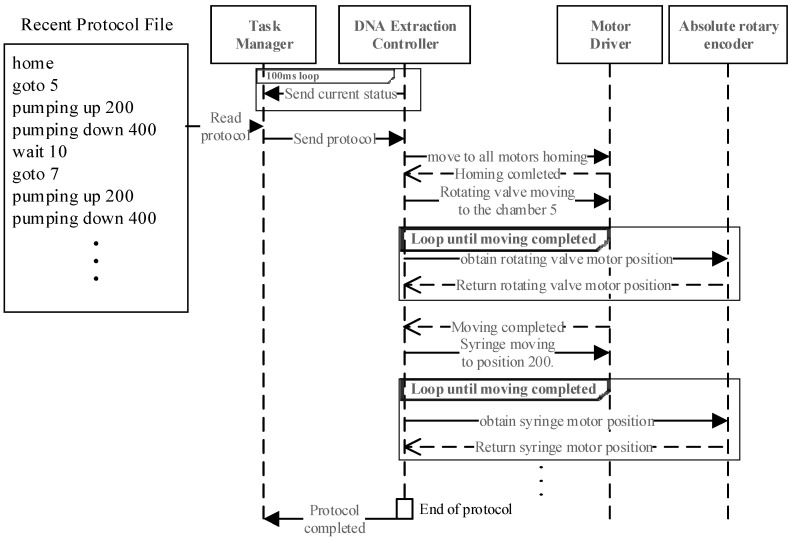 Figure 11
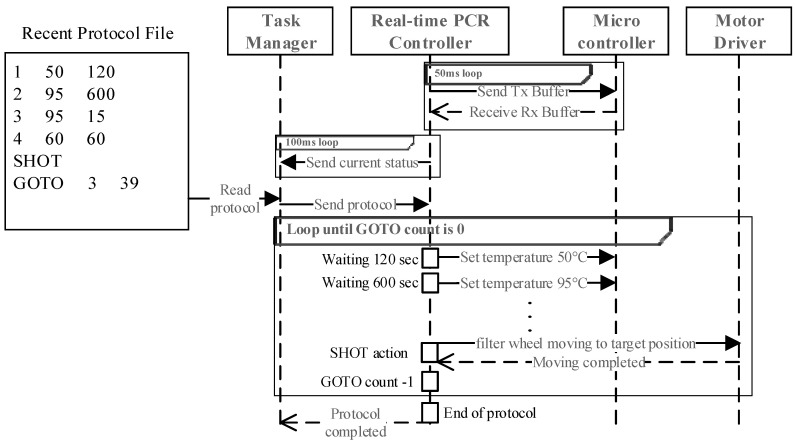 Figure 12
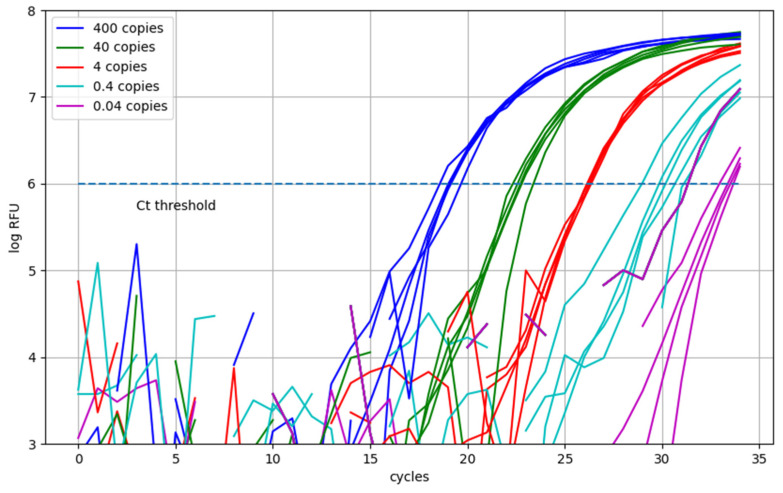 Figure 13
Peer Reviews
No public reviews on file for this paper yet. If you reviewed it on a platform where reviews are public (OpenReview, ICLR, NeurIPS, ICML), you can paste yours below so the community can read it here.
Videos
No videos yet. Explain this paper in a talk, walkthrough, or lecture? Add one.
Taxonomy
TopicsBiosensors and Analytical Detection · SARS-CoV-2 detection and testing · Advanced Biosensing Techniques and Applications