Composting as a Sustainable Approach for Managing Mercury-Contaminated Aquatic Biomass
María José Caraballo-Laza, Diana Marcela Ossa-Henao, Iván Urango-Cardenas, Mauricio Rosso-Pinto, Jean Remy Davée Guimarães, Roberth Paternina-Uribe, Yuber Palacios-Torres, José Marrugo-Negrete

TL;DR
This study explores composting as a way to manage mercury-contaminated aquatic plants from gold mining areas, showing some stabilization of mercury but not meeting fertilizer standards.
Contribution
The study evaluates composting as a sustainable method for mercury-contaminated biomass and provides insights into mercury stabilization and compost quality.
Findings
Composting reduced total mercury content in biomass over 170 days.
Final compost had higher mercury concentration due to biomass reduction.
Mercury stabilized in less bioavailable forms, suggesting low risk to biota.
Abstract
In this study, composting as an alternative approach for managing mercury-contaminated biomass in water bodies affected by gold mining in the Choco department was evaluated. A single-factor experiment with three treatments containing varying amounts of Eleocharis interstincta biomass sourced from mercury-contaminated sites was designed. During the composting process, physicochemical parameters were monitored such as temperature, pH, and electrical conductivity, while analyzing the behavior of mercury through mass balance assessments. Additionally, we determined the bioavailability of mercury in the final compost and characterized the physicochemical parameters of each compost sample. The mercury mass balance indicated a decrease in the total mercury content in the initial biomass over the composting period of 170 days. However, the total mercury concentration in the final compost…
Genes, proteins, chemicals, diseases, species, mutations and cell lines named across the full text — each resolved to its canonical identifier and authoritative record.
Click any figure to enlarge with its caption.
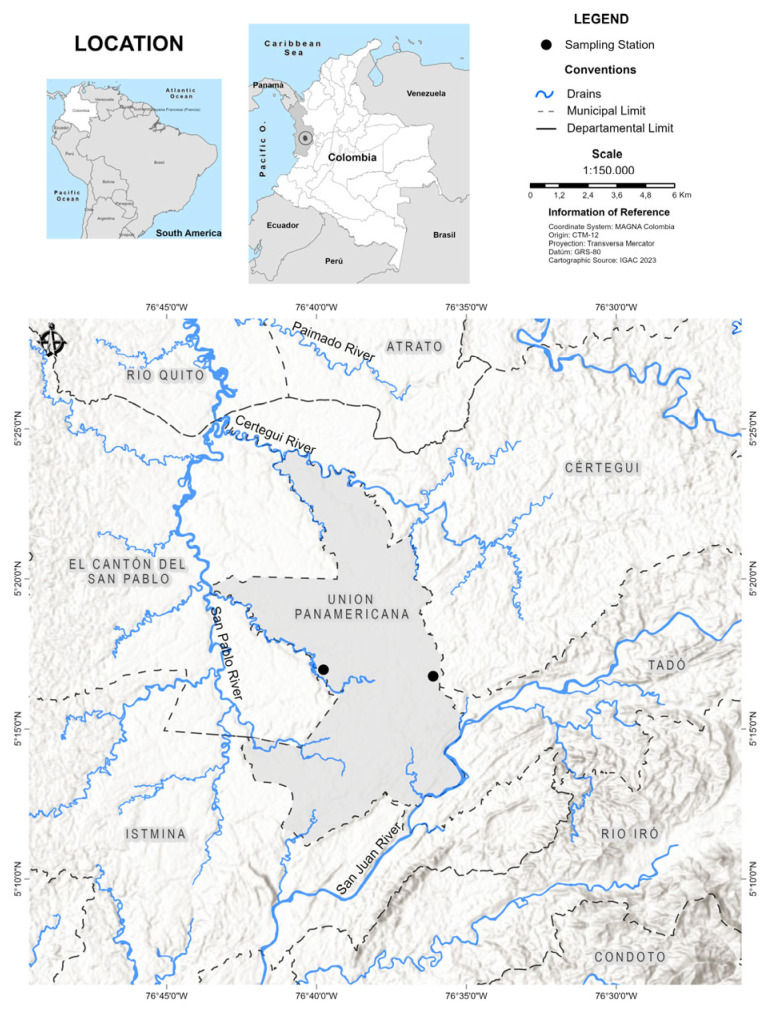 Figure 1
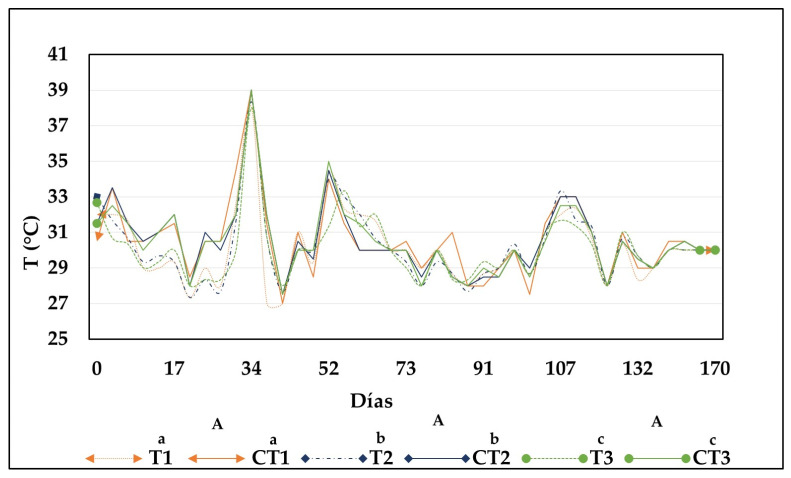 Figure 2
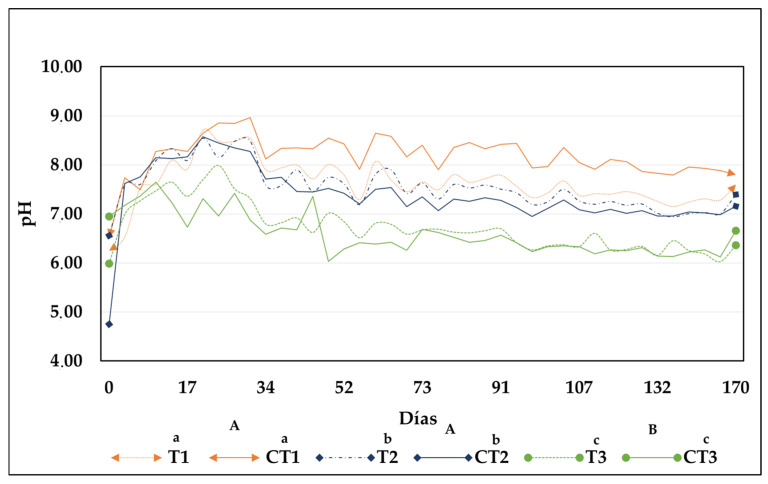 Figure 3
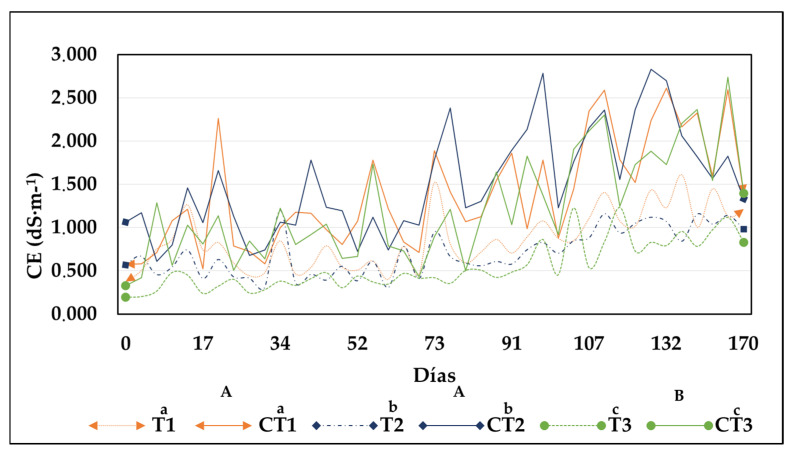 Figure 4
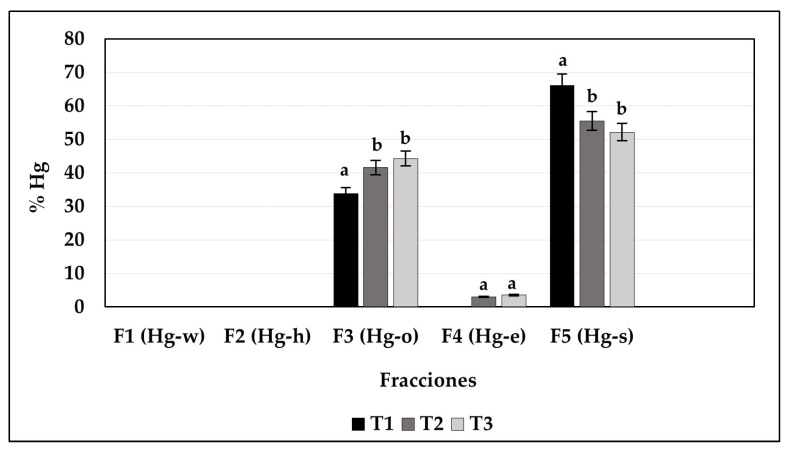 Figure 5
Peer Reviews
No public reviews on file for this paper yet. If you reviewed it on a platform where reviews are public (OpenReview, ICLR, NeurIPS, ICML), you can paste yours below so the community can read it here.
Videos
No videos yet. Explain this paper in a talk, walkthrough, or lecture? Add one.
Taxonomy
TopicsMercury impact and mitigation studies · Heavy metals in environment