Preparation and Optimization of Mn2+-Activated Na2ZnGeO4 Phosphors: Insights into Precursor Selection and Microwave-Assisted Solid-State Synthesis
Xiaomeng Wang, Siyi Wei, Jiaping Zhang, Jiaren Du, Yukun Li, Ke Chen, Hengwei Lin

TL;DR
This paper explores a microwave-assisted method to efficiently produce green-emitting Mn2+-doped phosphors for lighting and display applications.
Contribution
The study introduces a novel microwave-assisted synthesis method that improves the performance of Mn2+-activated phosphors.
Findings
The MASS method successfully incorporates Mn ions from various precursors into the crystal lattice for efficient green emission.
Using MnO2 as a precursor achieved a high photoluminescence quantum yield of 17.69%.
Post-treatment of SSR-derived samples with MASS increased PLQY from 0.67% to 8.66%.
Abstract
Mn2+-doped phosphors emitting green light have garnered significant interest due to their potential applications in display technologies and solid-state lighting. To facilitate the rapid synthesis of high-performance Mn2+-activated green phosphors, this research optimizes a microwave-assisted solid-state (MASS) method for the preparation of Na2ZnGeO4:Mn2+. Leveraging the unique attributes of the MASS technique, a systematic investigation into the applicability of various Mn-source precursors was conducted. Additionally, the integration of the MASS approach with traditional solid-state reaction (SSR) methods was assessed. The findings indicate that the MASS technique effectively incorporates Mn ions from diverse precursors (including higher oxidation states of manganese) into the crystal lattice, resulting in efficient green emission from Mn2+. Notably, the photoluminescence quantum…
Genes, proteins, chemicals, diseases, species, mutations and cell lines named across the full text — each resolved to its canonical identifier and authoritative record.
Click any figure to enlarge with its caption.
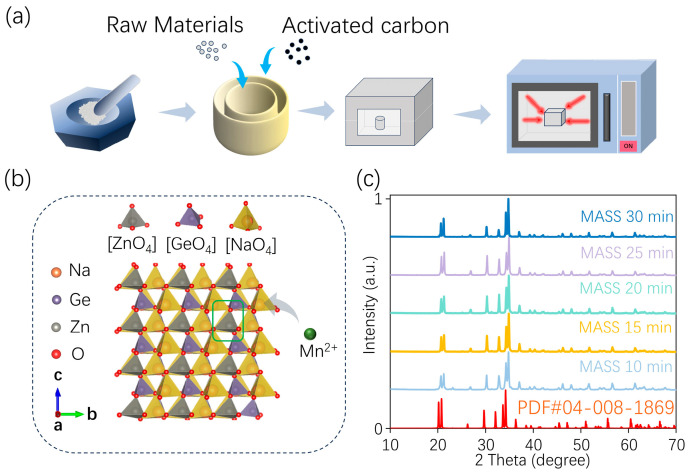 Figure 1
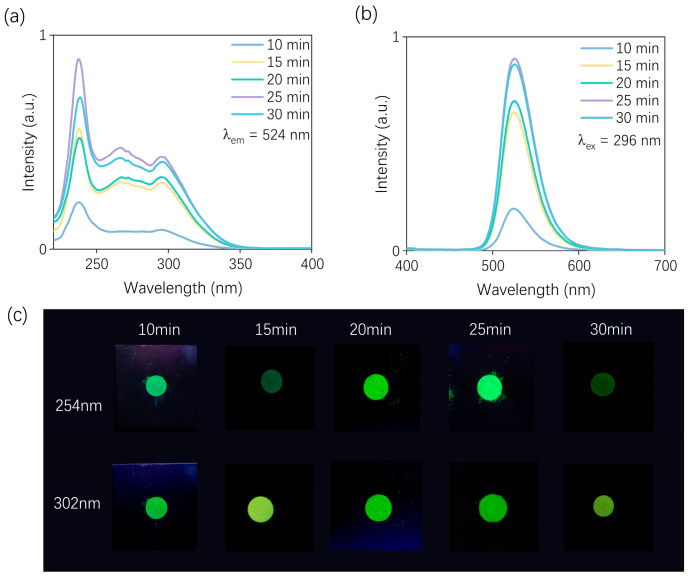 Figure 2
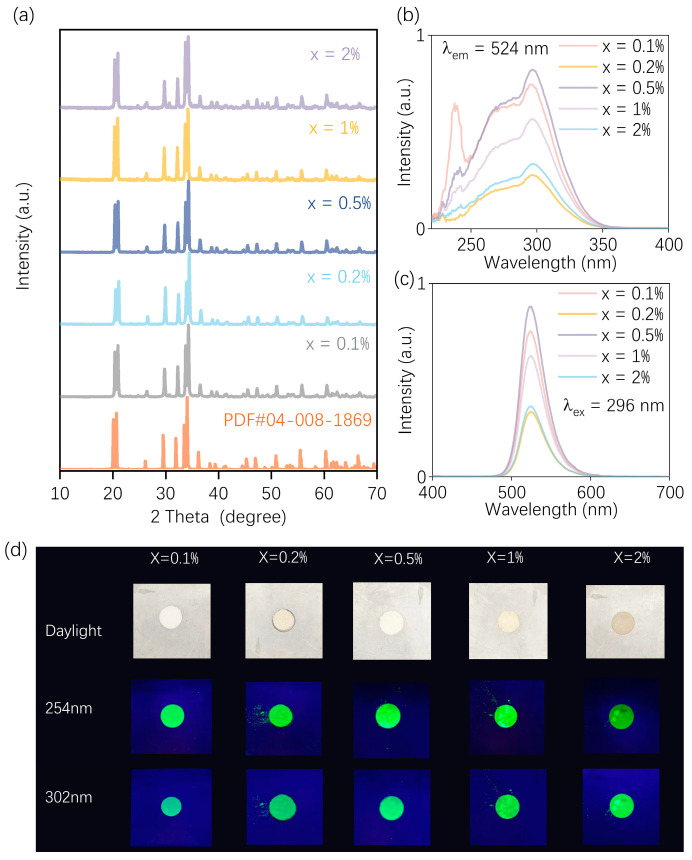 Figure 3
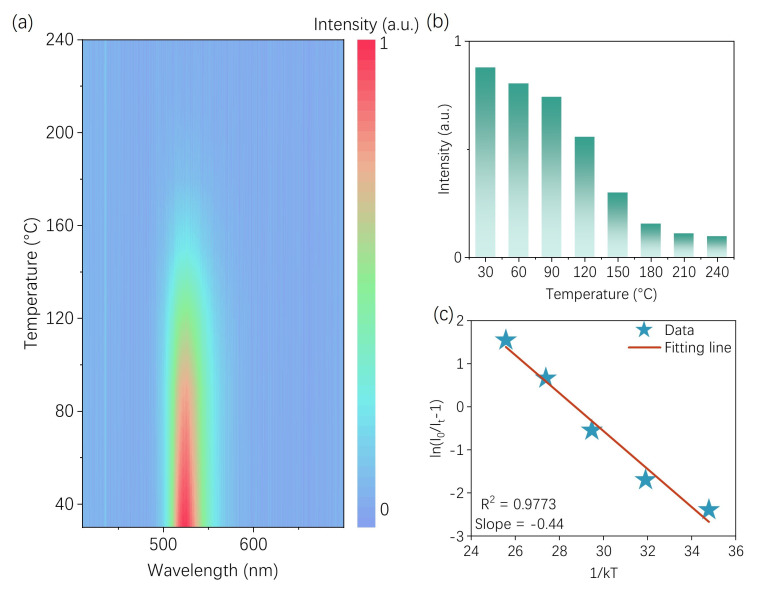 Figure 4
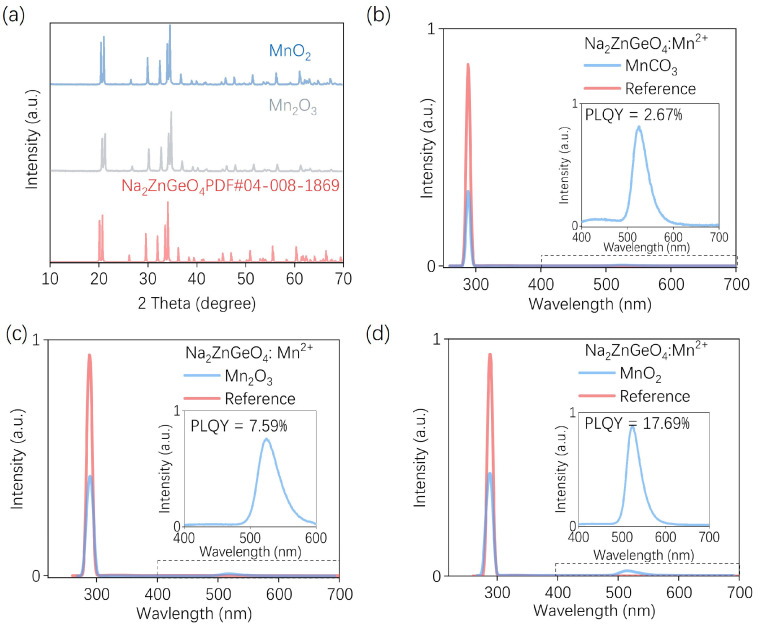 Figure 5
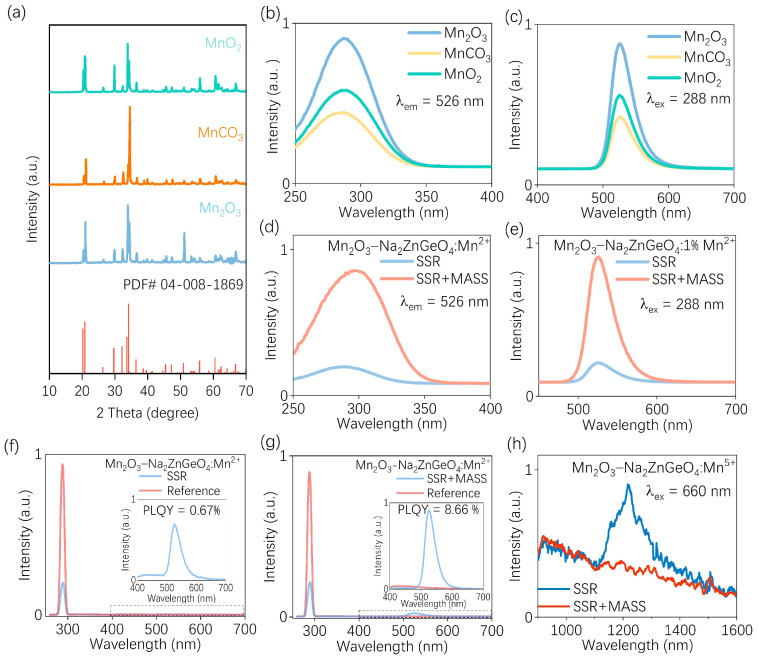 Figure 6
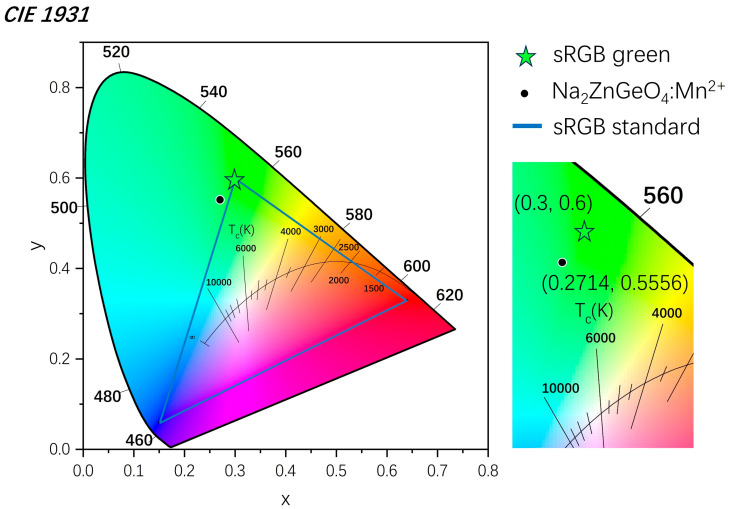 Figure 7
Peer Reviews
No public reviews on file for this paper yet. If you reviewed it on a platform where reviews are public (OpenReview, ICLR, NeurIPS, ICML), you can paste yours below so the community can read it here.
Videos
No videos yet. Explain this paper in a talk, walkthrough, or lecture? Add one.
Taxonomy
TopicsLuminescence Properties of Advanced Materials · Microwave Dielectric Ceramics Synthesis · Perovskite Materials and Applications