Polyelectrolyte Microcapsule-Assembled Colloidosomes: A Novel Strategy for the Encapsulation of Hydrophobic Substances
Egor V. Musin, Alexey V. Dubrovskii, Yuri S. Chebykin, Aleksandr L. Kim, Sergey A. Tikhonenko

TL;DR
This paper introduces a new method using polyelectrolyte microcapsules to better encapsulate hydrophobic substances, offering improved stability and potential for drug delivery and other applications.
Contribution
A novel strategy for encapsulating hydrophobic substances using colloidosomes assembled from polyelectrolyte microcapsules.
Findings
MnCO3-based PMCs showed 3.5-fold greater stability than CaCO3-based PMCs due to enhanced inter-capsule interactions.
Colloidosomes retained structural integrity for up to 30 minutes and 5% post-water evaporation.
PMC-based colloidosomes offer semi-permeability, tunable shell properties, and stimuli-responsive behavior.
Abstract
The encapsulation of hydrophobic substances remains a significant challenge due to limitations such as low loading efficiency, leakage, and poor distribution within microcapsules. This study introduces a novel strategy utilizing colloidosomes assembled from polyelectrolyte microcapsules (PMCs). PMCs were fabricated via layer-by-layer (LbL) assembly on manganese carbonate (MnCO3) or calcium carbonate (CaCO3) cores, followed by core dissolution. A solvent gradient replacement method was employed to substitute the internal aqueous phase of PMCs with kerosene, enabling the formation of colloidosomes through self-assembly upon resuspension in water. Comparative analysis revealed that MnCO3-based PMCs with smaller diameters (2.5–3 µm vs. 4.5–5.5 µm for CaCO3) exhibited 3.5-fold greater stability, attributed to enhanced inter-capsule interactions via electrostatic and hydrophobic forces.…
Genes, proteins, chemicals, diseases, species, mutations and cell lines named across the full text — each resolved to its canonical identifier and authoritative record.
Click any figure to enlarge with its caption.
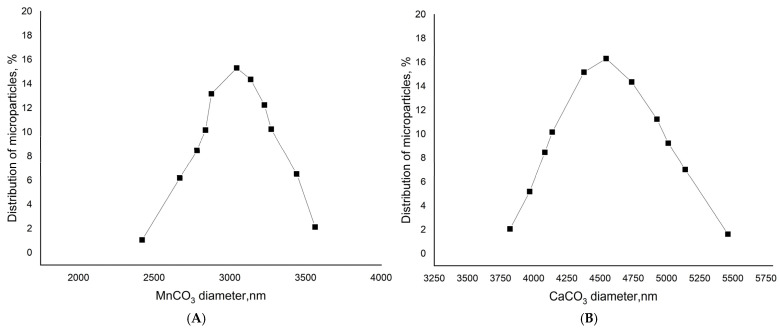 Figure 1
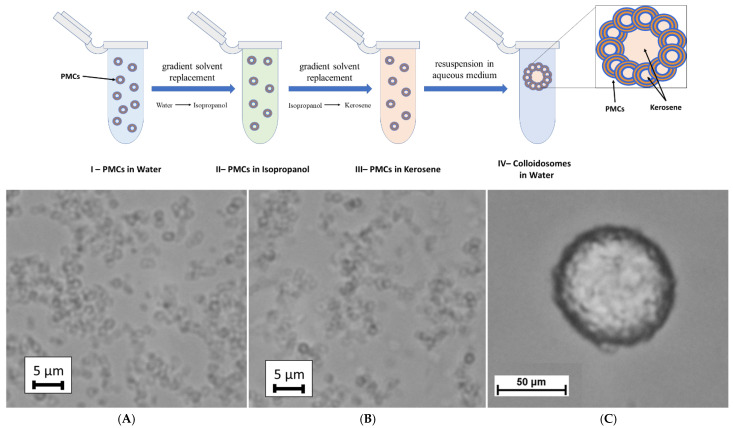 Figure 2
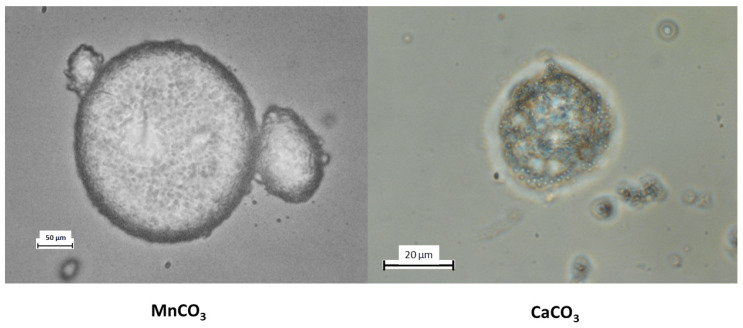 Figure 3
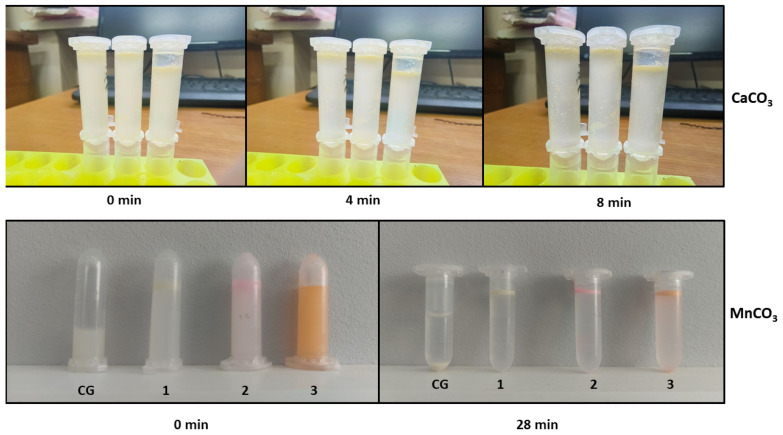 Figure 4
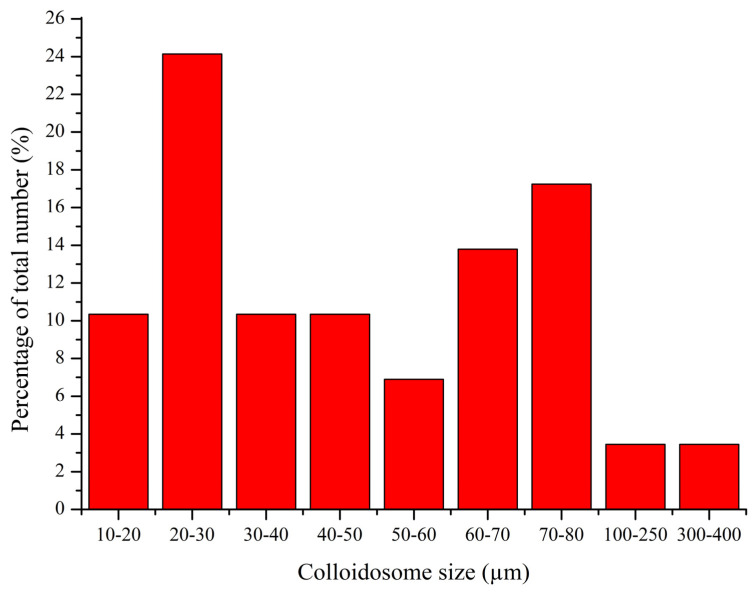 Figure 5
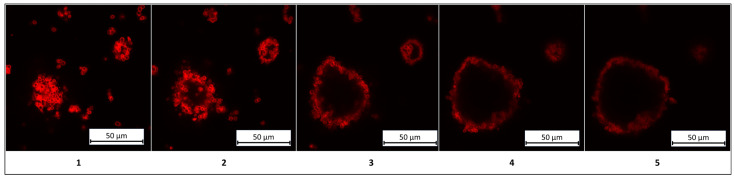 Figure 6
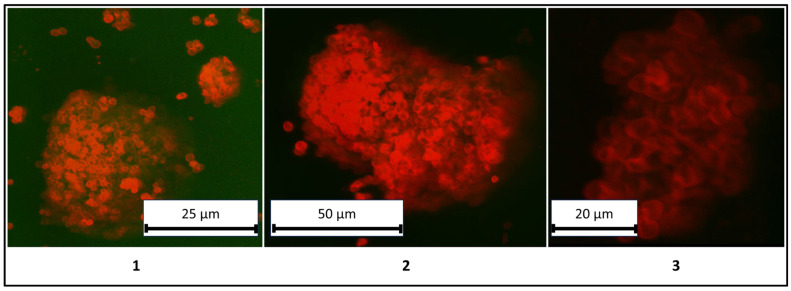 Figure 7
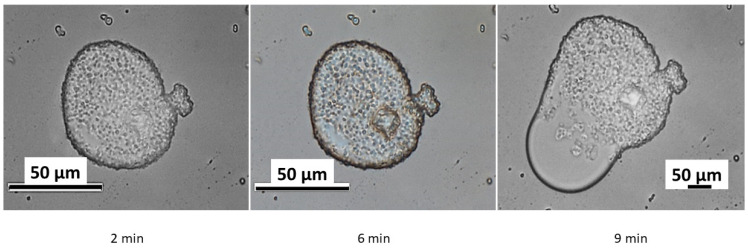 Figure 8
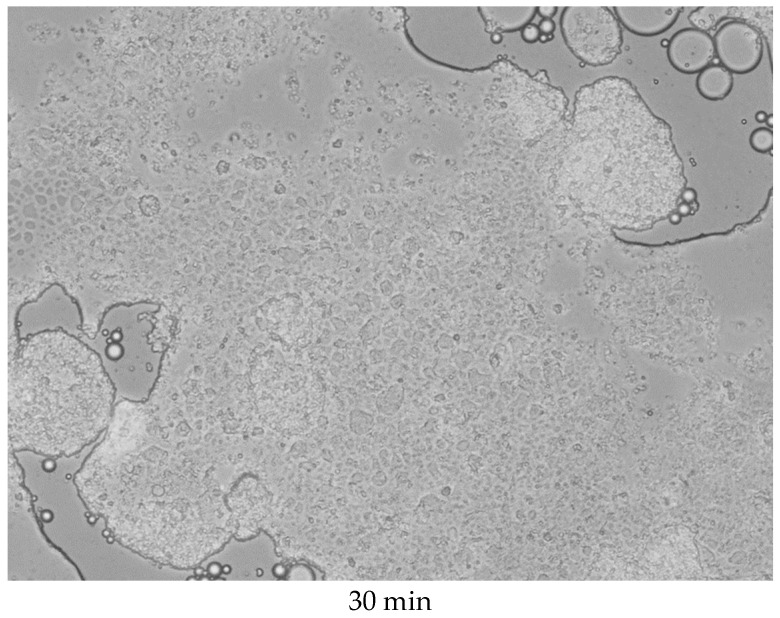 Figure 9
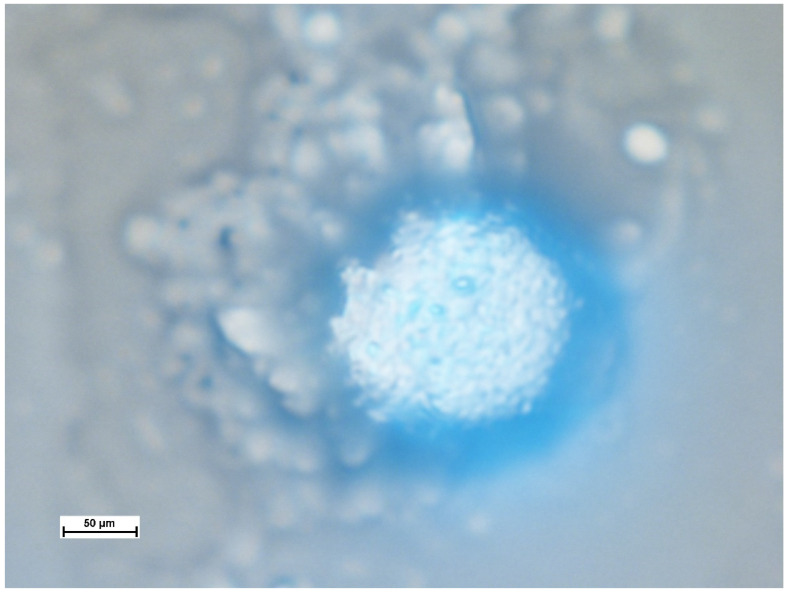 Figure 10
Peer Reviews
No public reviews on file for this paper yet. If you reviewed it on a platform where reviews are public (OpenReview, ICLR, NeurIPS, ICML), you can paste yours below so the community can read it here.
Videos
No videos yet. Explain this paper in a talk, walkthrough, or lecture? Add one.
Taxonomy
TopicsPickering emulsions and particle stabilization · Polymer Surface Interaction Studies · Surfactants and Colloidal Systems