Entry Inhibitors of SARS-CoV-2 Targeting the Transmembrane Domain of the Spike Protein
Kristin V. Lyles, Shannon Stone, Priti Singh, Lila D. Patterson, Janhavi Natekar, Heather Pathak, Rohit K. Varshnaya, Amany Elsharkawy, Dongning Liu, Shubham Bansal, Oluwafoyinsola O. Faniyi, Sijia Tang, Xiaoxiao Yang, Nagaraju Mulpuri, Donald Hamelberg, Congbao Kang

TL;DR
Researchers identified a compound that inhibits SARS-CoV-2 entry by targeting a conserved region of the spike protein, potentially offering broad antiviral activity.
Contribution
Discovery of compound 261 as a potent entry inhibitor targeting a conserved site in the spike protein's transmembrane domain.
Findings
Compound 261 inhibits SARS-CoV-2 infection in a tissue model with an IC50 of 0.3 µM.
NMR and molecular dynamics show 261 binds to conserved residues near the spike protein's transmembrane domain.
The binding site is conserved across human-infecting coronaviruses, suggesting potential pan-coronavirus activity.
Abstract
Despite current vaccines and therapeutics targeting SARS-CoV-2, the causative agent of the COVID-19 pandemic, cases remain high causing a burden on health care systems. Spike-protein mediated membrane fusion of SARS-CoV-2 is a critical step in viral entry. Herein, we describe entry inhibitors identified by first screening a library of about 160 compounds and then analogue synthesis. Specifically, compound 261 was found to inhibit SARS-CoV-2 infection in a tissue model with IC50 of 0.3 µM. Using NMR, we found that 261 interacts with key residues in the aromatic-rich region of the spike protein directly next to the transmembrane domain. Molecular dynamic simulations of the 261 binding pocket in the spike protein was also mapped to the transmembrane domain, consistent with NMR findings. The amino acids in the binding site are conserved among different coronaviruses known to infect humans;…
Genes, proteins, chemicals, diseases, species, mutations and cell lines named across the full text — each resolved to its canonical identifier and authoritative record.
Click any figure to enlarge with its caption.
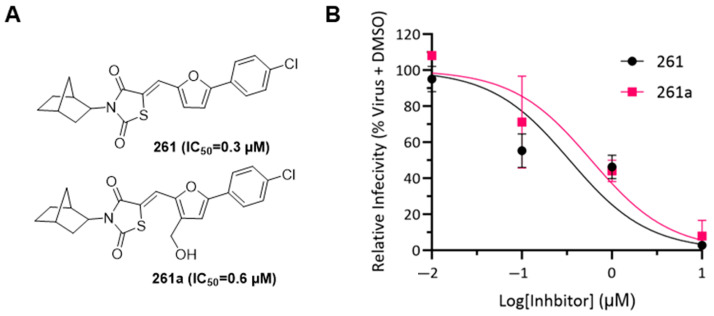 Figure 1
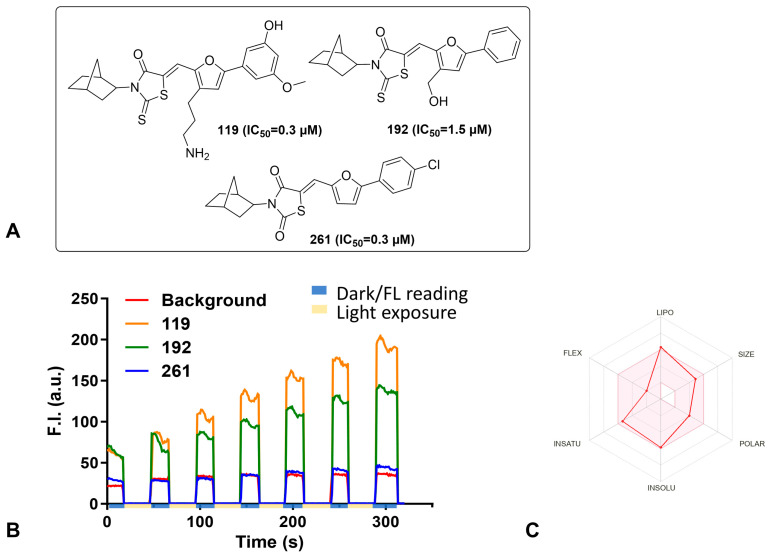 Figure 2
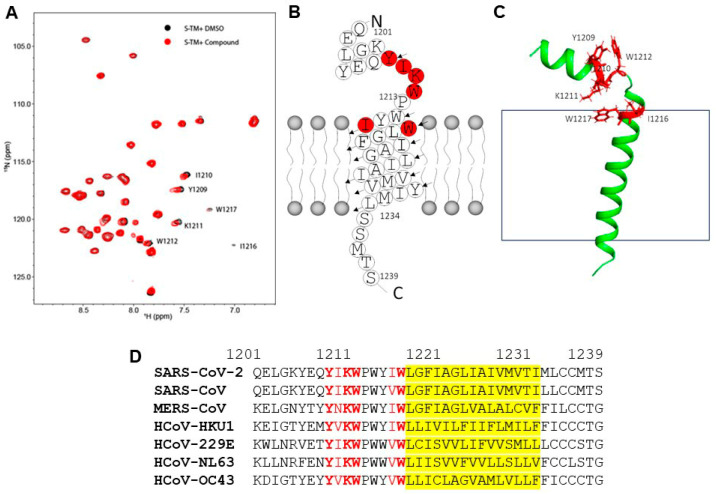 Figure 3
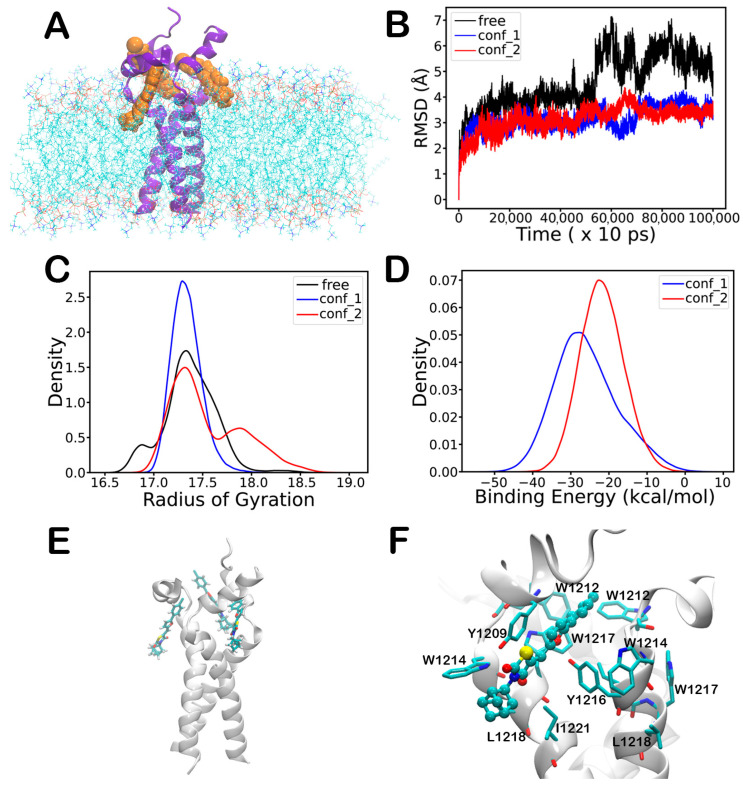 Figure 4
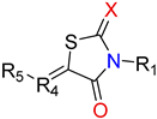 Figure 5
 Figure 6
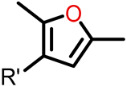 Figure 7
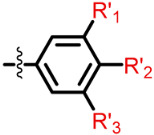 Figure 8
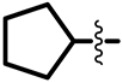 Figure 9
 Figure 10
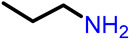 Figure 11
 Figure 12
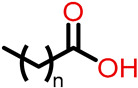 Figure 13
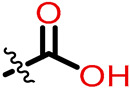 Figure 14
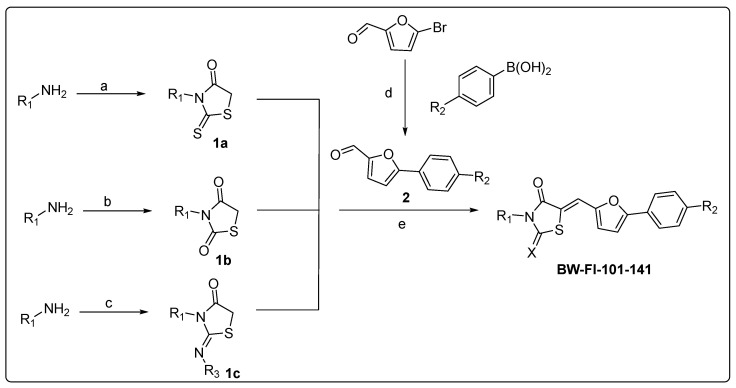 Figure 15
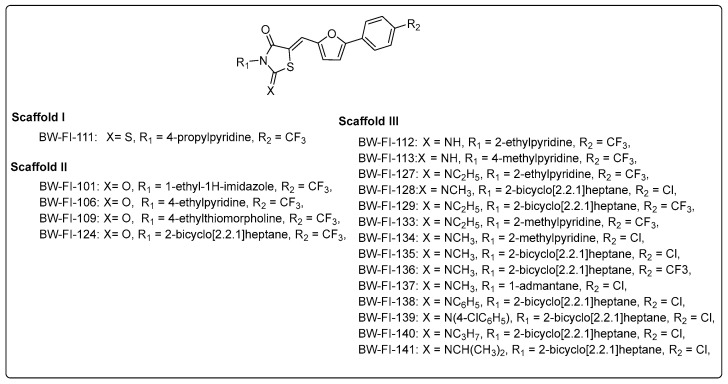 Figure 16
Peer Reviews
No public reviews on file for this paper yet. If you reviewed it on a platform where reviews are public (OpenReview, ICLR, NeurIPS, ICML), you can paste yours below so the community can read it here.
Videos
No videos yet. Explain this paper in a talk, walkthrough, or lecture? Add one.
Taxonomy
TopicsSARS-CoV-2 and COVID-19 Research · Viral Infections and Outbreaks Research · Influenza Virus Research Studies